Courrèges Three Sixty Bag: A Cont Form Without Fixed Position

April 10, 2026
45 minutes ago
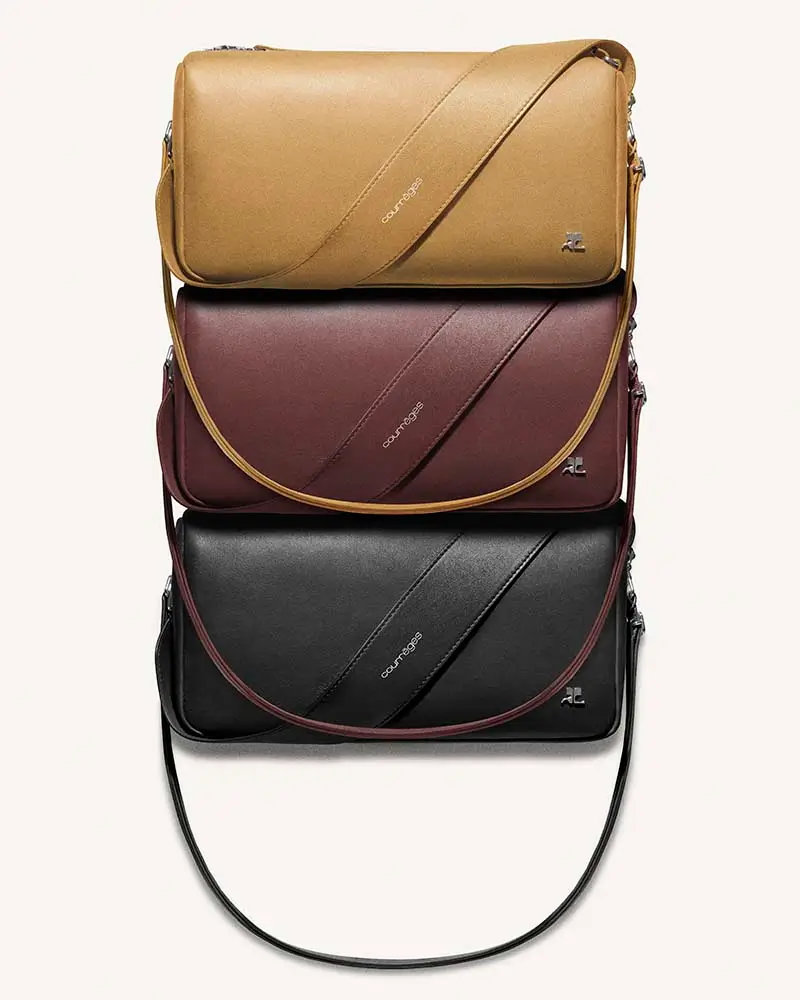
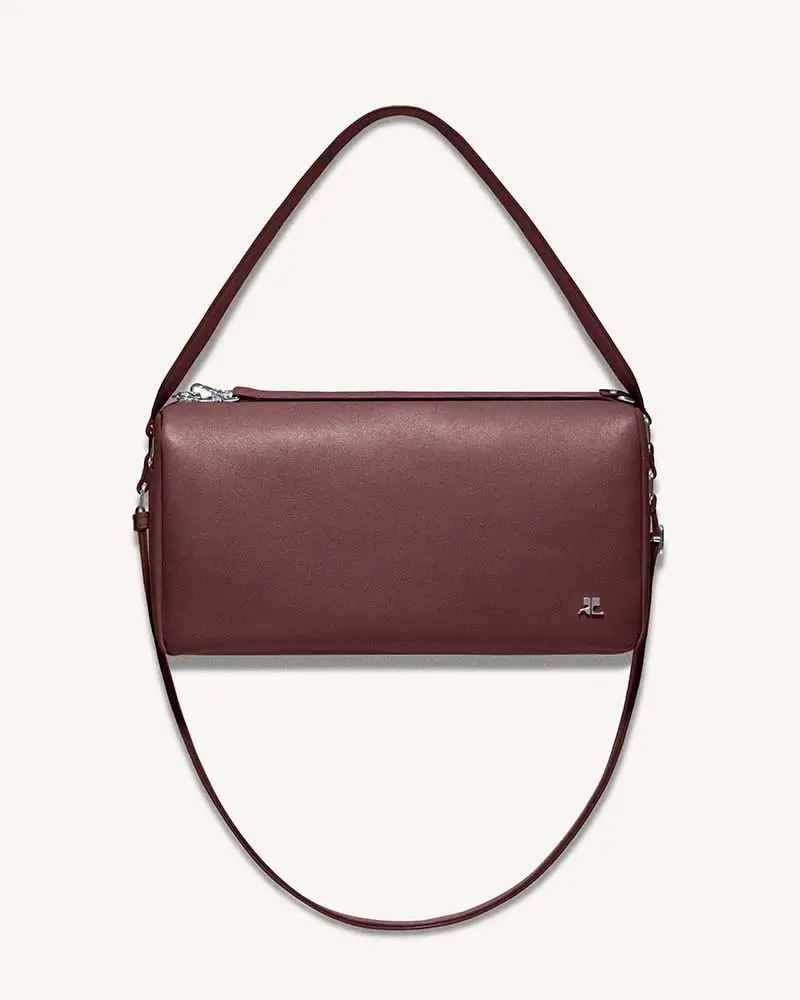
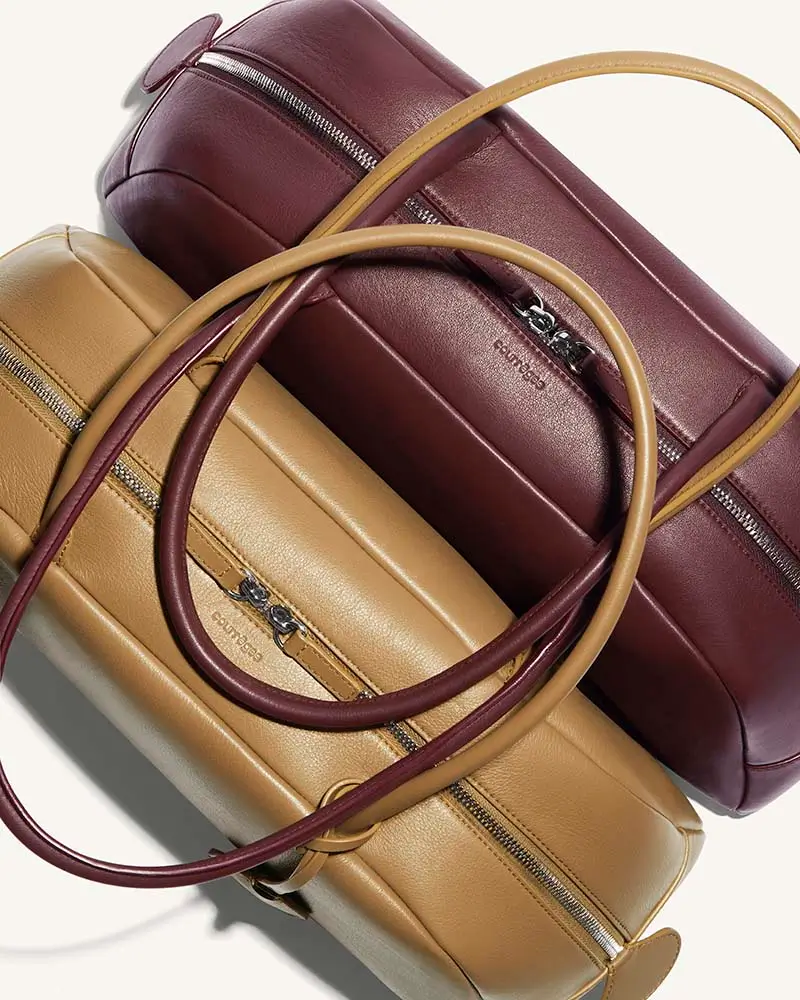
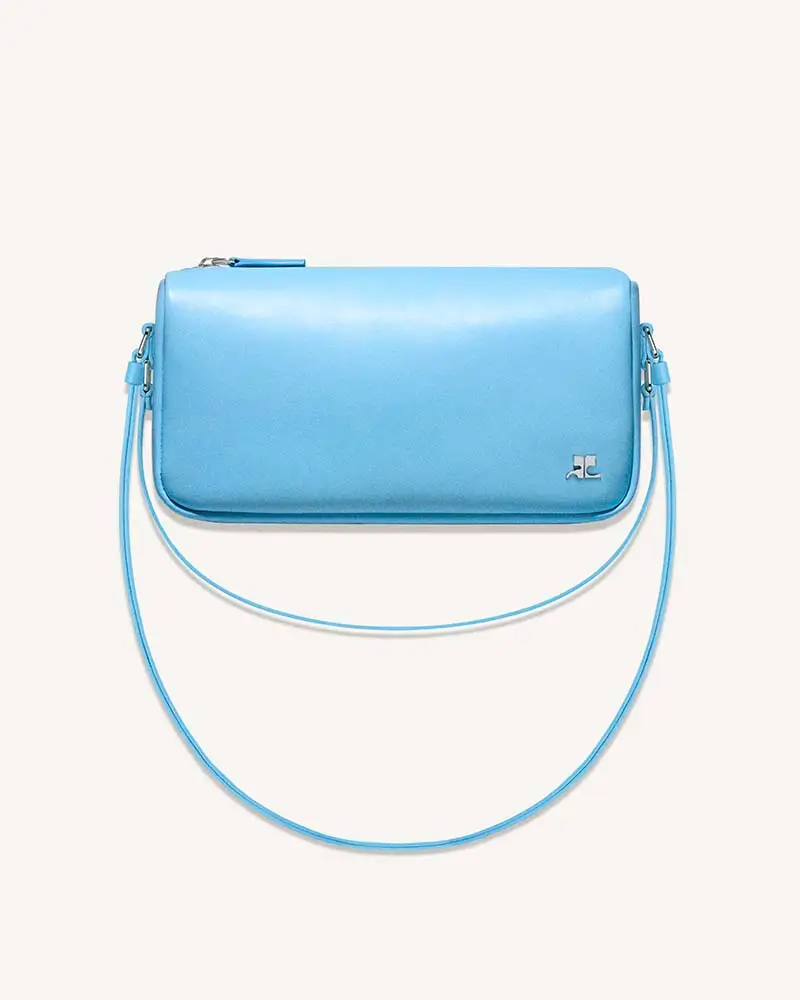
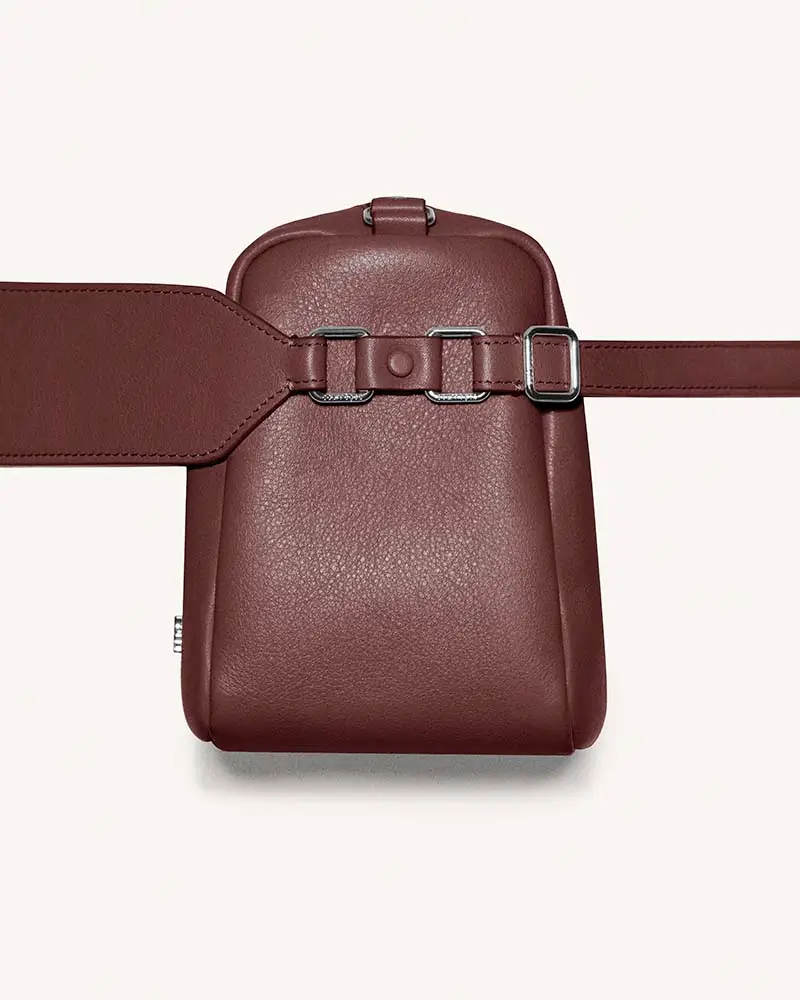
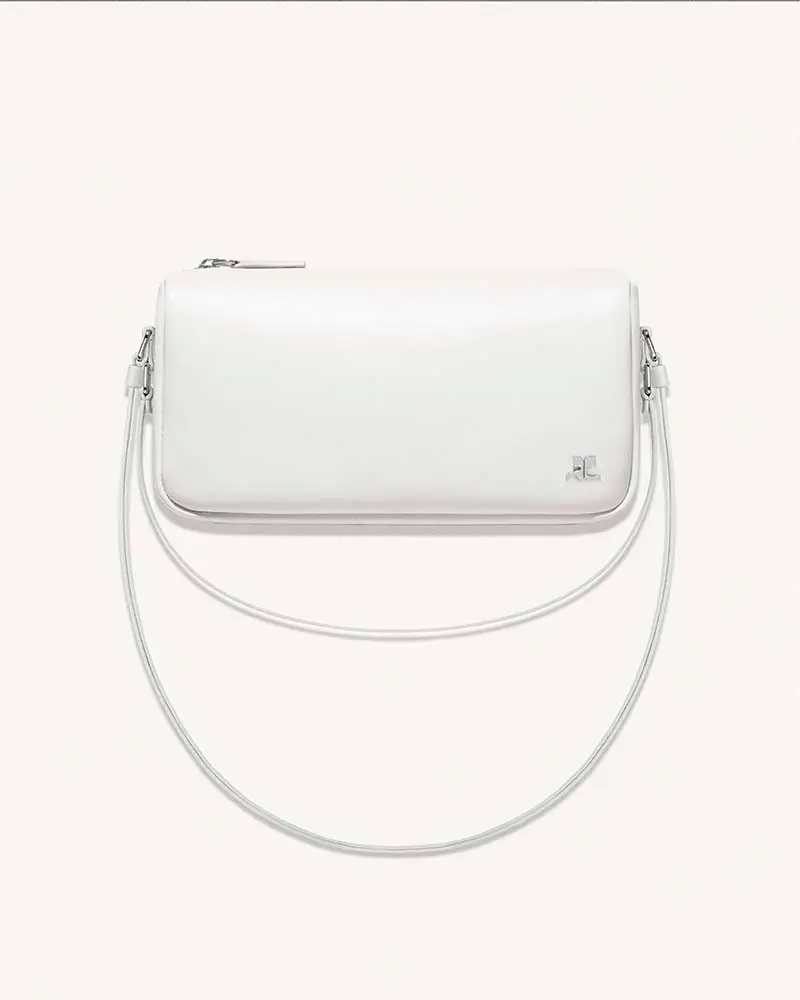
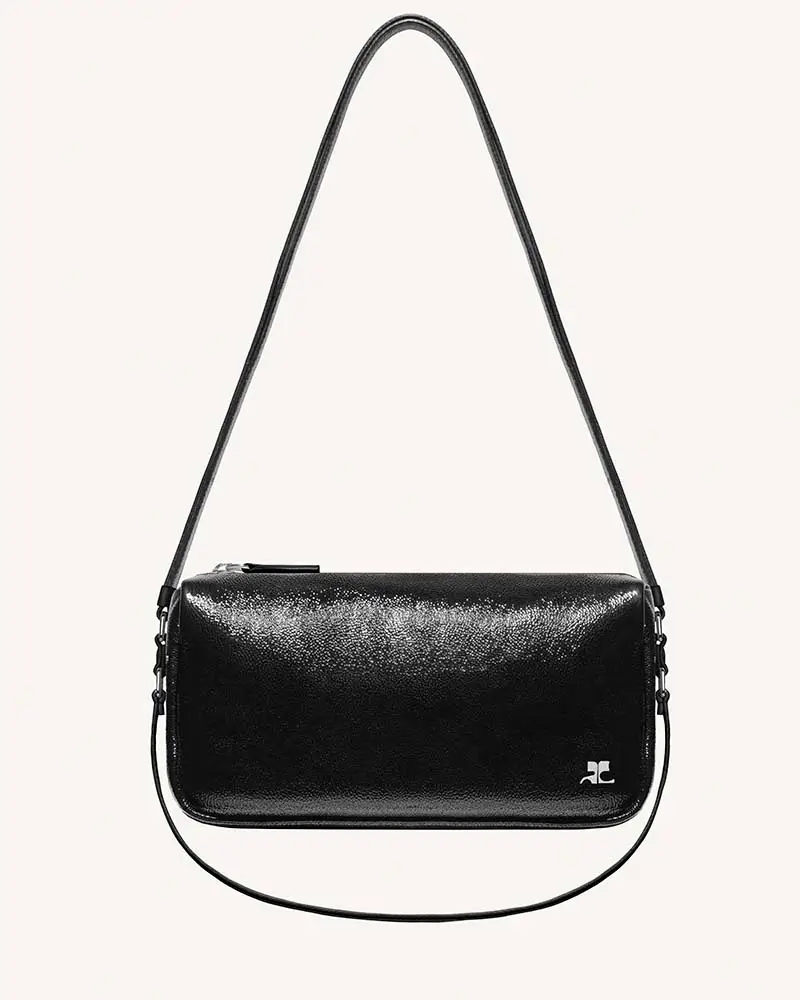
There is a difference between a bag that adapts and a bag that proposes a new behavior. With the Three Sixty, Courrèges does not simply introduce a convertible accessory—it reframes the idea of how an object occupies the body. Rotation becomes language. Not a mechanism to be admired in isolation, but a logic that dictates how the bag exists across moments.
Part of the Fall/Winter 2026 pre-collection, the Three Sixty arrives without excess framing. No theatrical reveal, no forced narrative. Instead, it lands quietly, almost assuredly, as if it has always existed within the Courrèges vocabulary. That confidence matters. Because what the bag introduces is not novelty—it is continuity, extended through motion.
Two 360-degree rotating handles define the structure. They pivot fully, seamlessly, allowing the bag to transition between hand-held, shoulder, and crossbody positions without interruption. This is not modularity in the conventional sense. It is not about swapping components or reconfiguring parts. The bag remains whole. What changes is orientation, perspective, relation.
And that distinction—subtle, but exact—is where the Three Sixty begins to hold weight.
stir
The temptation is to describe the rotating handles as a feature. But within the context of Courrèges, that framing feels reductive. The house has long operated at the intersection of futurism and reduction—clean lines, engineered silhouettes, and an almost architectural relationship to the body. What the Three Sixty does is extend that lineage into something more kinetic.
Rotation becomes identity.
It is not just about carrying options. It is about the refusal to assign a fixed position. The bag resists being defined as “day” or “evening,” “casual” or “formal.” Instead, it exists in a continuous loop of potential states. The handles rotate, but more importantly, the meaning rotates with them.
There is something inherently contemporary in that. In a moment where wardrobes are expected to compress multiple roles—work, social, travel, performance—the idea of a single object that moves without friction feels less like innovation and more like necessity.
But Courrèges does not present it as problem-solving. There is no overt functionality narrative. The rotation is quiet, almost invisible in its execution. It simply works. And because it works, it disappears.
mat
If movement defines the concept, material grounds it.
The Three Sixty is crafted from soft Italian leather—supple, controlled, and precise. It does not overperform. There is no exaggerated grain, no artificial gloss. Instead, the leather holds a kind of quiet density, allowing the structure to maintain clarity even as the handles shift positions.
This balance matters. A bag built on motion risks losing coherence if the material does not anchor it. Too rigid, and the rotation becomes mechanical. Too soft, and the form collapses under its own adaptability. Courrèges finds a midpoint—firm enough to hold silhouette, soft enough to absorb movement.
The result is a surface that feels responsive without appearing reactive.
Color extends this restraint. Black and white operate as expected—anchors within the Courrèges universe. Burgundy introduces depth without excess saturation. Bronze moves closer to materiality, catching light in a way that emphasizes form rather than color. Aqua, perhaps the most expressive of the set, offers a controlled deviation—still clean, still aligned, but with a slight shift toward visibility.
None of the colors disrupt the design. They sit within it, reinforcing rather than competing.
View this post on Instagram
flow
The Three Sixty arrives in two sizes: small and medium. The distinction is practical, but it avoids hierarchy. Neither size feels like the “primary” version. Instead, they operate as parallel options—scaled to different rhythms rather than ranked by importance.
The small reads closer to an evening object, but not exclusively. With the handles rotated, it becomes compact enough for minimal carry, yet structured enough to maintain presence. The medium expands capacity without losing proportion. It holds daily essentials without tipping into utility-heavy territory.
What is notable is how both sizes retain the same visual language. There is no dilution in scaling. The rotation mechanism remains central, the proportions remain clean, and the silhouette maintains its clarity.
This consistency reinforces the idea that the Three Sixty is not a singular object, but a system—one that adapts across sizes without fragmenting its identity.
stance
The phrase “day to evening” is often used as shorthand, but rarely achieved without compromise. Most objects signal the shift—through embellishment, through scale, through material changes that attempt to bridge contexts.
The Three Sixty avoids signaling altogether.
Instead of marking a transition, it removes the need for one. The same bag, in the same configuration, can move across time simply by repositioning itself on the body. Hand-held becomes shoulder. Shoulder becomes crossbody. The object does not change. The relationship does.
This is where the rotating handles reveal their full intent. They are not about offering multiple looks. They are about eliminating the friction between them.
There is a subtle discipline in that approach. No added hardware, no decorative cues, no attempt to visually differentiate “modes.” The transformation is internal, almost private. It happens in motion, not in display.
And because of that, it feels more aligned with how people actually move—fluidly, without pause, without needing to reintroduce themselves at each shift in context.
label
Since its origins under André Courrèges, the house has been associated with futurism—not as spectacle, but as reduction. Clean lines, engineered simplicity, and a belief that design should anticipate movement rather than react to it.
That philosophy carries through today. The Three Sixty does not feel like a departure. It feels like an extension—an object that takes the house’s historic clarity and applies it to contemporary behavior.
There is no nostalgia here. No archival reference made explicit. Instead, the connection exists in discipline. In the refusal to over-design. In the insistence that form and function operate as one.
Even the name—Three Sixty—suggests completeness. A full rotation. A closed loop. Nothing added, nothing missing.