Dolly Parton Doesn’t Believe She’s Famous: A Look at the Humility Behind a Global Icon

January 8, 2025
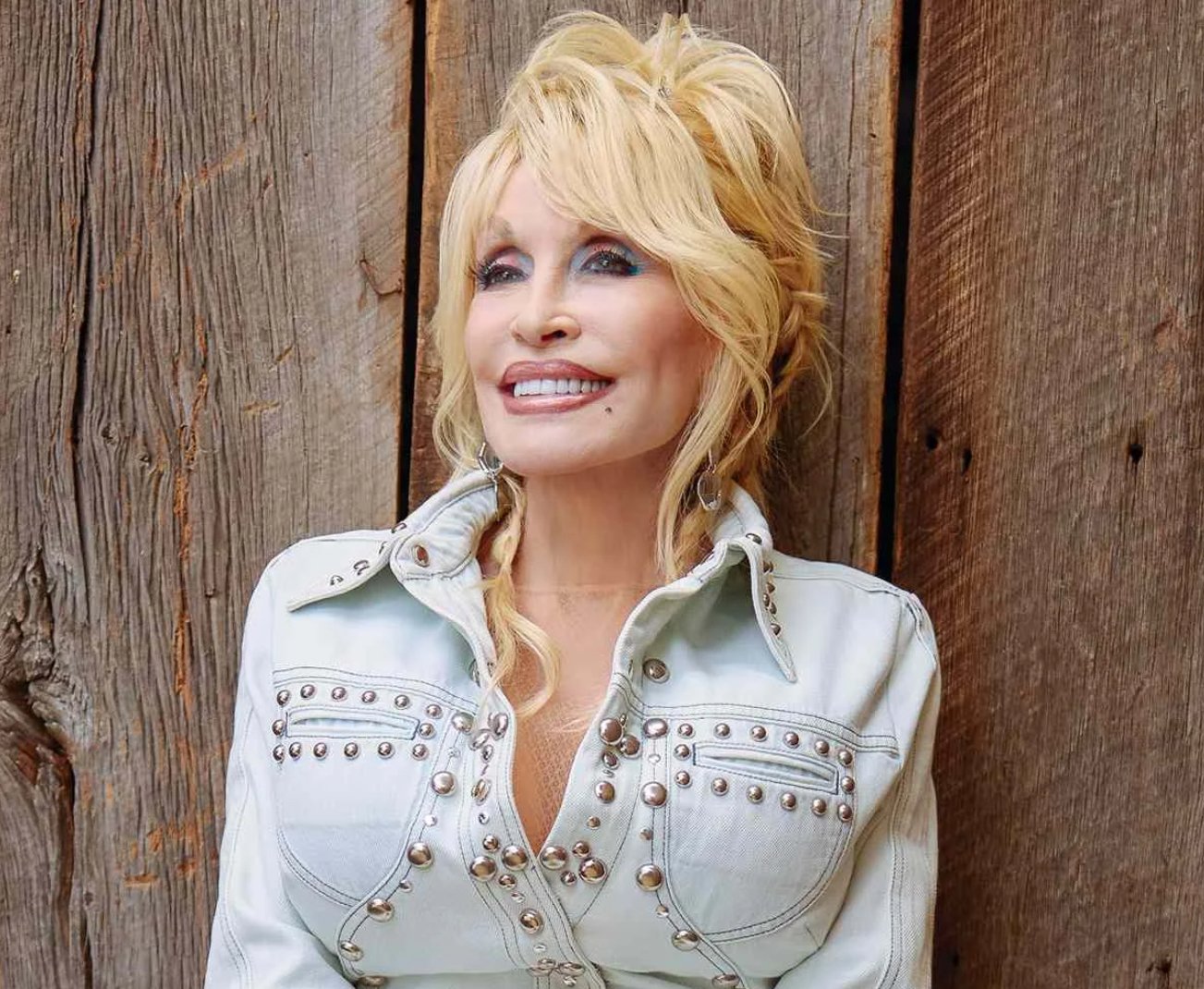
Dolly Parton, the beloved country music legend and cultural icon, recently made headlines with her comments in an interview with Southern Living. Despite a career spanning over six decades, dozens of hit songs, a treasure trove of accolades, and a legacy that includes philanthropy and entrepreneurship, Parton humbly revealed, “I think I’m a star to everybody but me.” This sentiment reflects the unique humility and grounded perspective that have endeared her to millions worldwide.
Dolly Parton: A Humble Star in a Sky Full of Legends
For many, Dolly Parton epitomizes stardom. Her contributions to music, film, and philanthropy have made her a household name. Yet, in the Southern Living interview, Parton expressed a profound disconnect from the concept of being “famous.”
“I see myself as a working girl,” she said. “I work hard at what I do. I take pride in it, and I love it. But I don’t think of myself as famous. I’m just Dolly.”
This humility is a cornerstone of Parton’s public persona. While other celebrities might embrace their larger-than-life status, Parton remains committed to her roots. She credits her upbringing in rural Tennessee for shaping her grounded perspective.
Rising to Stardom: A Journey from Sevier County to the World Stage
Born in 1946 in Sevier County, Tennessee, Dolly Parton grew up in a large family that struggled financially. Music was her escape and salvation. She wrote her first song at the age of five and performed on local radio stations before moving to Nashville as a teenager to pursue her dreams.
Her breakout came in the late 1960s when she joined Porter Wagoner’s television show. Their partnership not only boosted her career but also gave her a platform to showcase her unique blend of talent, charm, and authenticity. By the 1970s, she was carving out her own path, releasing timeless hits like “Jolene,” “I Will Always Love You,” and “Coat of Many Colors.”
Despite her meteoric rise, Parton’s sense of self never wavered. She remained true to her small-town values and resisted the trappings of fame.
Dolly’s Relationship with Fame: Why She Doesn’t See Herself as a Star
For Parton, fame has always been a byproduct of her work, not the goal. She often describes herself as “a dreamer,” focusing on creating music, telling stories, and bringing joy to others. This mindset has allowed her to navigate her celebrity status with grace and authenticity.
In the Southern Living interview, she shared:
“I’ve never thought about fame the way others do. I didn’t set out to be famous—I just wanted to be heard. I wanted to make music that touched people. Everything else just kind of happened along the way.”
This perspective explains why Parton has remained so relatable to fans. While she could easily revel in her legendary status, she continues to see herself as a regular person with a job to do.
Philanthropy and the Imagination Library
One of the most enduring aspects of Dolly Parton’s legacy is her philanthropy. In 1995, she launched the Imagination Library, a program that sends free books to children from birth to age five. What started as a local initiative in her home county has since expanded worldwide, distributing over 200 million books.
Parton’s humble approach to fame is evident in her philanthropy. Rather than seeking recognition, she focuses on giving back. Her donation of $1 million to Vanderbilt University for COVID-19 vaccine research is another example of her commitment to making a difference without seeking accolades.
Dollywood and Supporting Her Community
In addition to her philanthropic work, Parton has invested in her home region through Dollywood, the theme park she co-owns in Pigeon Forge, Tennessee. The park not only attracts millions of visitors but also provides jobs and economic opportunities for the local community.
For Parton, Dollywood is more than a business venture—it’s a way to honor her roots. “I want to give people a reason to come to the Smokies, to see what makes this place so special,” she explained.
Dolly Parton as a Cultural Icon
Parton’s appeal extends far beyond her music. She has become a symbol of resilience, kindness, and authenticity in a world that often values superficiality.
Fashion and the Dolly Persona
From her big hair to her rhinestone-studded outfits, Parton’s larger-than-life persona is both iconic and self-aware. She often jokes about her appearance, saying, “It takes a lot of money to look this cheap.”
Yet beneath the glitz and glamour lies a profound authenticity. Parton embraces her uniqueness, encouraging others to do the same. This message of self-acceptance resonates with fans of all ages and backgrounds.
Advocacy for Inclusivity
Parton’s humility also extends to her views on inclusivity. She has long been a vocal supporter of LGBTQ+ rights, earning her a devoted following within the community. Her approach is simple: love and acceptance.
“I think we should all be who we are, love who we love, and celebrate each other’s differences,” she said in a recent interview.
Why Dolly Parton’s Fame Feels Different
One reason Parton doesn’t see herself as famous is her genuine connection with her fans. She views her relationship with her audience as deeply personal.
“I don’t think of them as fans,” she explained. “I think of them as friends. I make music for them, and they’ve given me so much love in return.”
This mutual respect and appreciation have created a bond that transcends the typical celebrity-fan dynamic.
Dolly’s Eternal Humility: A Lesson for All
In an industry often associated with egos and excess, Parton’s humility stands out. Her ability to stay grounded, despite her unparalleled success, is a testament to her character and values.
Her comment—“I think I’m a star to everybody but me”—offers a glimpse into her mindset. It’s not a dismissal of her accomplishments but rather a reflection of her focus on what truly matters: her work, her family, and the people she serves through her music and philanthropy.
Impression
Dolly Parton’s humility in the face of fame is one of the many reasons she remains beloved by millions. Her refusal to see herself as a “star” doesn’t diminish her impact—it enhances it. Parton’s approach reminds us that true greatness isn’t about recognition; it’s about staying true to oneself and using one’s talents to make the world a better place.
As Parton continues to inspire through her music, philanthropy, and example, her legacy as a cultural icon and beacon of humility grows ever brighter. While she may not see herself as a star, the rest of the world knows better. For countless fans, she’s not just a star—she’s a guiding light.