Dane Shue and Audrey Hepburn: A Timeless Connection

January 11, 2025
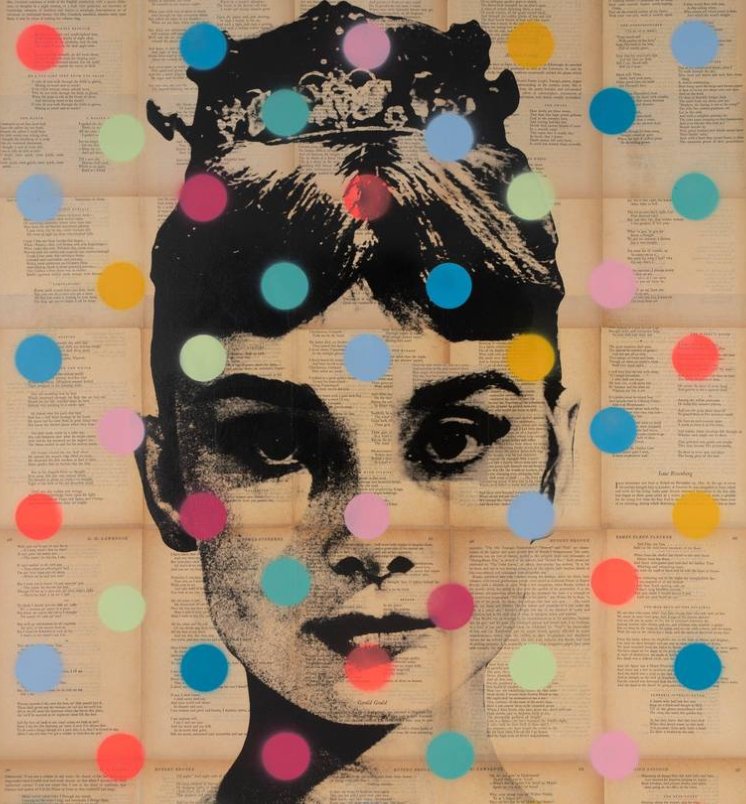
Audrey Hepburn, an icon of grace, beauty, and talent, has remained a cultural touchstone for decades. Her legacy as an actress, humanitarian, and fashion icon is celebrated across generations. Meanwhile, Dane Shue is an emerging artist and filmmaker whose work has captivated a new generation of fans. While these two figures come from vastly different eras and spheres, the intersection of their creative and artistic journeys offers fascinating insights into how Hepburn’s timeless allure continues to inspire contemporary creators like Shue.
Audrey Hepburn: A Legacy of Elegance and Humanity
Born in 1929 in Belgium, Audrey Hepburn became one of the most beloved actresses of Hollywood’s Golden Age. Known for her roles in iconic films such as Breakfast at Tiffany’s, Roman Holiday, and My Fair Lady, Hepburn transcended the silver screen to become a global symbol of sophistication and kindness. Her charm was rooted not only in her undeniable beauty but also in her warmth and genuine compassion for others.
Hepburn’s career spanned over three decades, and she worked with legendary directors such as Billy Wilder, George Cukor, and William Wyler. Her unique blend of innocence and strength made her a standout in the industry, earning her an Academy Award, a Tony Award, and a host of other accolades.
Beyond her acting career, Hepburn dedicated much of her later life to humanitarian efforts as a UNICEF Goodwill Ambassador. She traveled to some of the world’s most impoverished regions, advocating for children’s rights and access to education, food, and medical care. Her contributions to the world both on and off-screen cement her as an enduring icon whose influence extends far beyond Hollywood.
Dane Shue: A Contemporary Visionary
Dane Shue is a modern-day storyteller whose work spans various mediums, including filmmaking, visual art, and digital content. Shue’s artistic vision is often characterized by a nostalgic yet innovative approach, blending classic elements with cutting-edge techniques. While not as widely recognized as Hepburn, Shue’s growing body of work showcases a commitment to exploring themes of beauty, humanity, and the complexity of human emotions—values that Hepburn also championed in her life and career.
As an artist, Shue has openly expressed admiration for classic Hollywood stars, including Audrey Hepburn. His projects frequently pay homage to the timeless elegance and emotional depth associated with Hepburn’s era. By drawing inspiration from her legacy, Shue continues to bridge the gap between the glamour of the past and the sensibilities of modern storytelling.
The Influence of Hepburn on Shue’s Work
Audrey Hepburn’s influence on Dane Shue is evident in several aspects of his creative output:
Visual Aesthetics:
Hepburn’s films are renowned for their stunning visuals, often featuring iconic costumes, refined set designs, and cinematography that captured her ethereal presence. Shue’s work similarly places great emphasis on visual storytelling, with meticulous attention to detail and a focus on creating immersive atmospheres. Whether through lush cinematography or evocative color palettes, Shue channels the timeless beauty of Hepburn’s on-screen moments.
Themes of Humanity and Empathy:
One of Hepburn’s defining traits was her deep empathy and connection to humanity, both in her roles and her real-life humanitarian work. Shue’s art often explores themes of vulnerability, resilience, and connection, reflecting a similar commitment to portraying the human experience in all its complexity.
A Sense of Timelessness:
Hepburn’s legacy endures because of her timeless appeal. From her fashion choices to her captivating performances, she remains relevant decades after her passing. Shue’s work aspires to a similar sense of timelessness, creating pieces that resonate across generational and cultural divides.
Fashion and Style as Storytelling Tools:
Hepburn’s connects with fashion designers like Givenchy turned her into a style icon whose influence is still felt today. Shue frequently incorporates elements of classic fashion into his work, using clothing and styling as integral components of character development and visual narrative.
Audrey Hepburn’s Legacy in the Digital Age
In today’s digital era, the resurgence of classic icons like Audrey Hepburn is more prominent than ever. Social media platforms, streaming services, and online content have introduced Hepburn’s work to younger audiences, ensuring that her legacy continues to inspire creators like Dane Shue.
The digital world also offers unique opportunities to reimagine and celebrate Hepburn’s influence. Shue, for example, might use virtual reality, interactive media, or social storytelling to reinterpret her iconic roles or pay tribute to her humanitarian efforts in a way that feels fresh and innovative.
Moreover, the accessibility of Hepburn’s films and interviews online allows emerging artists to study her craft, exploring how her authenticity and emotional depth contributed to her enduring appeal. For someone like Shue, Hepburn represents not just a figure of the past but a source of creative fuel for the future.
The Interplay of Legacy and Innovation
The connection between Audrey Hepburn and Dane Shue exemplifies the interplay between legacy and innovation. Hepburn’s influence on Shue is a testament to the power of enduring artistry, demonstrating how great icons can inspire new generations to push creative boundaries while staying rooted in timeless values.
While Hepburn’s era was defined by the elegance of the mid-20th century, Shue operates in a world shaped by rapid technological advancement and changing cultural landscapes. Yet, both artists share a commitment to creating work that resonates on an emotional level, reminding audiences of the universality of human experiences.
Final Thoughts
Audrey Hepburn’s bequest continues to inspire creators like Dane Shue, proving that great art and genuine humanity transcend time. Hepburn’s ability to combine elegance with authenticity serves as a guiding light for Shue, who integrates her timeless qualities into his contemporary storytelling.