The World Nightclub: A Cultural Epicenter of 1980s New York City

April 4, 2025
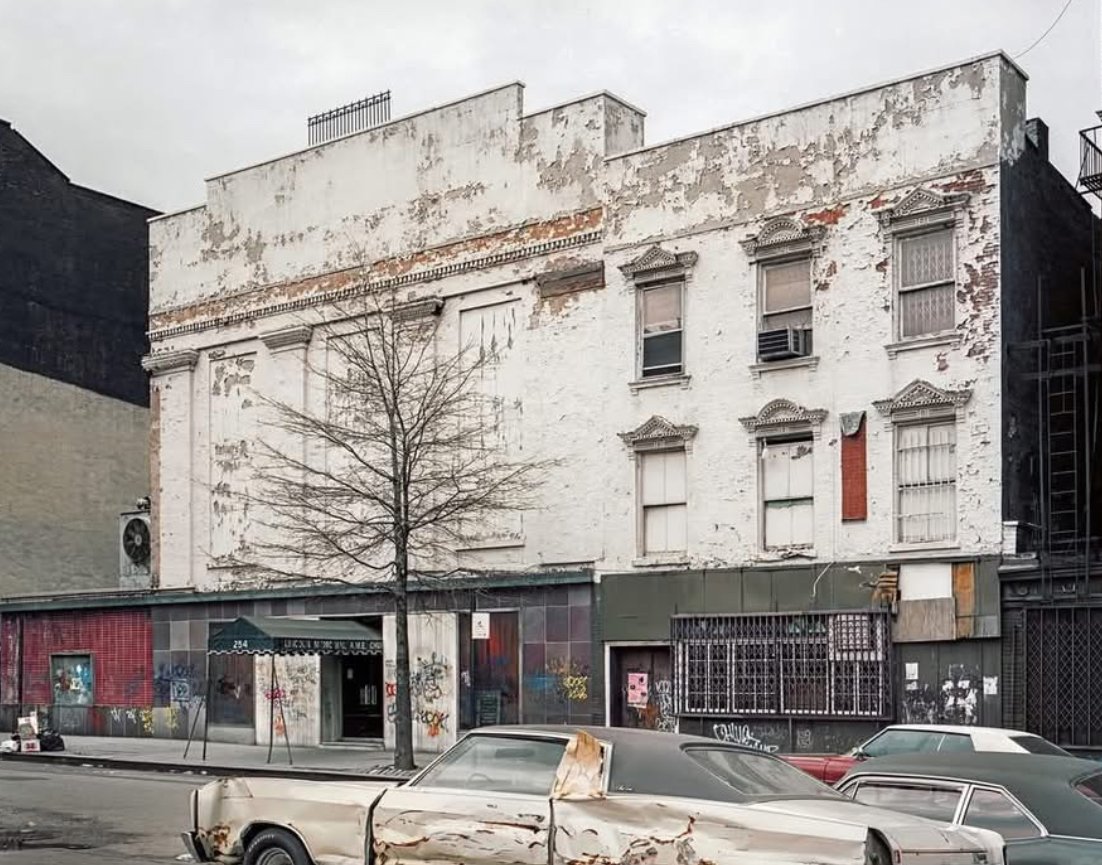
In the vibrant tapestry of New York City’s nightlife history, few venues have embodied the eclectic and transformative spirit of the 1980s as vividly as The World nightclub. Situated at 254 East 2nd Street in the heart of Alphabet City, The World was more than just a dance hall; it was a melting pot of cultures, a breeding ground for artistic innovation, and a symbol of the era’s raw, unfiltered energy.
Origins: From Sacred Space to Nightlife Haven
The building that housed The World had a storied past long before it became a nightlife hotspot. Originally constructed as the First German Methodist Episcopal Church in 1842, the structure later served as a wedding hall before its transformation into a nightclub. This evolution from a place of worship to a temple of music and dance mirrored the broader shifts occurring in the Lower East Side during the late 20th century.
The Birth of The World
In the early 1980s, Arthur Weinstein, a Bronx native with a keen eye for the avant-garde, discovered the dilapidated building. Envisioning a space that could encapsulate the diverse and rebellious spirit of the time, Weinstein, along with his wife Colleen, a commercial decorator, set out to create a venue that was both decadent and inclusive. The result was The World, a nightclub that seamlessly blended elements of grandeur with the gritty aesthetics of its surroundings.
A Melting Pot of Cultures and Celebrities
The World quickly gained a reputation for its eclectic clientele and groundbreaking events. On any given night, the club played host to a diverse mix of artists, musicians, fashion designers, and everyday New Yorkers. Notable figures such as Keith Haring, Madonna, Prince, and RuPaul were among the regulars, drawn by the club’s uninhibited atmosphere and cutting-edge music scene.
Musically, The World was a pioneer, serving as an incubator for genres like house music and hip-hop. Legendary DJs like Frankie Knuckles and David Morales graced its turntables, while performances by artists such as Public Enemy, The Sugarcubes (featuring a young Björk), and David Bowie became the stuff of legend. The club’s willingness to embrace and promote emerging sounds made it a cornerstone of New York’s evolving music landscape.
The World as a Cultural Nexus
Beyond music, The World was a hub for various subcultures and artistic movements. It was a place where drag queens, club kids, punks, and fashionistas converged, creating a unique blend of styles and expressions. Events like Dean Johnson’s “Rock and Roll Fag Bar” fostered a sense of community and acceptance, breaking down barriers between different social groups.
The club’s interior reflected this fusion of influences. Colleen Weinstein’s design incorporated elements of the building’s past grandeur—chandeliers and balconies—with contemporary art installations and projections, creating an environment that was both opulent and raw.
Challenges and Controversies
Operating in the tumultuous landscape of 1980s Alphabet City was not without its challenges. The area was notorious for its high crime rates and rampant drug activity, and The World was not immune to these issues. The club operated largely outside the confines of the law, leading to unpredictable closures and reopenings. Despite these obstacles, or perhaps because of them, The World maintained an allure that kept patrons coming back.
The Tragic End
The World’s vibrant run came to a sudden and tragic halt on June 27, 1991. Co-owner Steven Venizelos was found dead on the club’s balcony, having been shot three times at close range. The murder sent shockwaves through the community, and with the case remaining unsolved, the club closed its doors permanently. The building was eventually demolished, making way for an apartment complex, but the memories of The World lingered on in the hearts of those who had experienced its magic.
Legacy: The World’s Enduring Influence
Though its physical presence was erased, The World’s impact on New York City’s cultural and musical landscape endures. It served as a launching pad for numerous artists and DJs who would go on to shape the future of music and nightlife. The club’s ethos of inclusivity and boundary-pushing creativity set a precedent for venues that followed.
Photographers like Brian Rose and Edward Fausty captured the essence of The World and its surroundings, preserving images that offer a window into a bygone era. Their work, along with oral histories and retrospectives, ensures that the story of The World continues to inspire new generations.
Impression
The World nightclub was more than just a venue; it was a microcosm of the dynamic and often chaotic energy that defined New York City in the 1980s. Its blend of cultural inclusivity, musical innovation, and artistic expression created a space where boundaries were blurred, and creativity thrived. While its time was brief, The World’s legacy remains a testament to the transformative power of nightlife and its role in shaping the cultural fabric of a city.
For those interested in delving deeper into this iconic establishment, resources such as Brian Rose’s “Time and Space on the Lower East Side” and various oral histories provide invaluable insights into the vibrant world that was The World.



No comments yet.