From Passion to Fashion: How Beaumont’s Billi Gates Built The Registry

April 27, 2025


In today’s saturated world of fashion brands, where celebrity endorsements and viral moments can skyrocket a label into the public eye overnight, it’s easy to forget that the most powerful brands often start small — built not by marketing machines, but by raw passion, creativity, and relentless hard work.
One such story is unfolding quietly but powerfully out of Beaumont, Texas, where Billi Gates turned a personal passion for style and self-expression into The Registry, a growing fashion brand that blends streetwear energy with elevated design.
What began in 2008 as a side project has, through years of persistence, hustle, and evolution, become a business that’s capturing attention — not just locally, but increasingly beyond.
This is the story of how a local dream turned into a tangible, wearable reality.
Early Beginnings: Building from the Ground Up
For Billi Gates, fashion wasn’t originally about building a brand.
It was about filling a void.
Growing up in Beaumont, he often found himself uninspired by the clothing options around him. Mainstream fashion didn’t speak to his identity, his creativity, or the culture he saw unfolding around him.
Rather than settling, Gates decided to make his own way.
- In 2008, he began designing T-shirts and custom pieces for himself and close friends.
- No investors, no factories, no PR agencies — just sheer will, screen printing, hand-dyeing, learning on the fly.
- The Registry was born more as a concept than a company — a “registry” of ideas, identities, and cultural moments he felt were missing from the broader conversation.
In the early days, Gates wasn’t concerned about mass production.
If anything, he preferred the intimacy of one-off pieces and small drops, building real connections with the people wearing his designs.
It wasn’t about trends. It was about truth.
2014: The Turning Point
For six years, The Registry operated as a passion project.
But in 2014, something shifted.
- Gates realized that if he wanted The Registry to thrive, it couldn’t just be an outlet — it had to become a business.
- He began studying business models, supply chains, and brand development more seriously.
- He networked with local artists, musicians, and entrepreneurs, seeking collaboration and community rather than competition.
The goal was no longer just to make clothes he liked.
It was to build a platform that others could see themselves in — one that could grow while still staying rooted in authenticity.
Gates formalized The Registry’s operations:
- Established official branding and product lines.
- Focused on quality control, sourcing better materials.
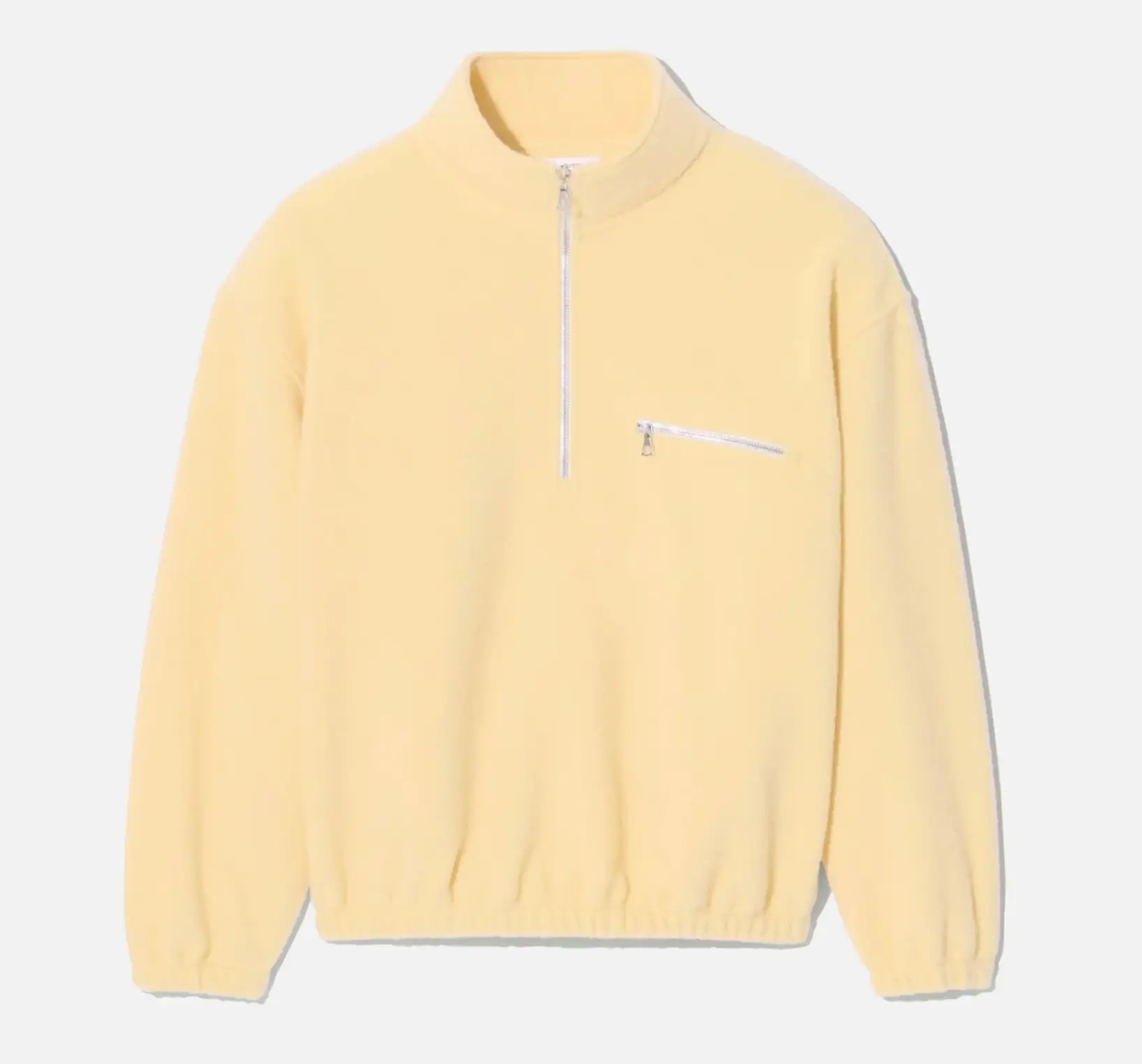
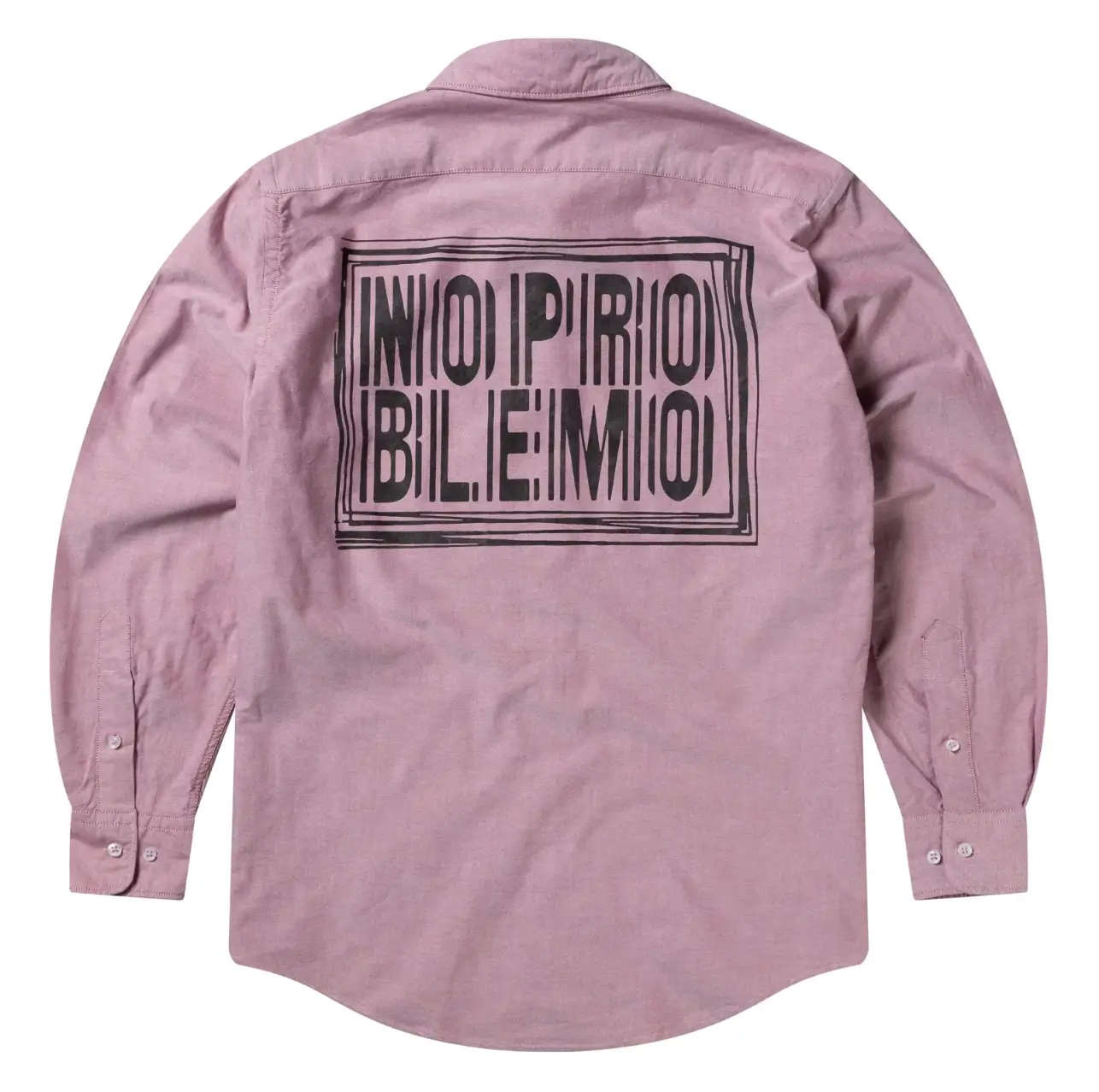
- Expanded beyond tees into hoodies, jackets, and eventually cut-and-sew collections.
The Registry was no longer just a creative outlet.
It was a full-fledged brand — and Billi Gates was all in.
The Registry’s Identity: Elevated Streetwear with a Story
What makes The Registry stand out isn’t just its aesthetic — it’s the thoughtfulness behind each piece.
- Design Language: The clothes draw inspiration from Gates’ upbringing, musical influences, and visual art, combining minimalism with cultural texture.
- Color Palettes: Soft earth tones, vintage washes, pops of bold color that feel more “lived-in” than showroom-ready.
- Silhouettes: Relaxed fits that straddle the line between streetwear and tailored casualwear — accessible, but never generic.
Each collection reflects themes Gates cares about:
- Identity
- Community resilience
- Creative independence
He’s not chasing fast fashion cycles.
He’s telling a story — season by season, drop by drop.
In a world full of copycats, The Registry is staking out something more personal, more rooted.
Challenges Along the Way
Turning passion into profit isn’t simple — and Gates is the first to admit that the journey has been rough at times.
Financial Hurdles
- Operating without major backing meant long stretches of financial strain.
- Every dollar earned went straight back into materials, production, and brand development.
- Managing inventory and cash flow as a solo founder taught Gates tough lessons fast.
Scaling While Staying Authentic
- As demand grew, the pressure to “go bigger” quickly emerged.
- Gates wrestled with questions like: How fast is too fast? How much growth is worth sacrificing creative control?
- He refused to mass-produce or water down designs for easy retail partnerships.
Mental and Emotional Toll
- Balancing creative work with business realities led to burnout at times.
- Self-doubt crept in — especially during slow seasons or after setbacks.
- But every challenge reinforced his commitment to authenticity, not shortcuts.
Through it all, Gates stayed true to the mantra that built The Registry in the first place:
Real always wins.
Community First: Building Beyond Fashion
One of the core principles that Gates embedded into The Registry early on was community engagement.
- Pop-up Shops and Art Shows: Rather than just selling online, Gates organized local events that combined clothing drops with art exhibitions and live performances.
- Connections: He partnered with Beaumont musicians, visual artists, and local businesses to create cross-pollination between scenes.
- Mentorship: Gates has made it a point to mentor younger creatives in Beaumont, offering advice on everything from starting a brand to navigating creative careers.
In a way, The Registry became more than just a brand.
It became a hub for culture, a gathering point for like-minded dreamers looking to carve their own paths.
That sense of purpose resonates in every stitch.
The Road Ahead: Expanding Without Losing the Roots
Today, The Registry is at an exciting crossroads.
- Online Storefront: Launched a fully redesigned e-commerce platform in 2024.
- Selective Retail Partnerships: Strategically partnering with boutique shops across Texas and the South.
- Sustainable Practices: Moving toward smaller-batch production and eco-friendly materials where possible.
- Expansion Plans: Gates is eyeing collaborations with national artists and even talks of pop-ups outside Texas — but always with a focus on organic growth, not hype-chasing.
More importantly, Gates remains committed to keeping The Registry deeply tied to Beaumont.
He knows that no matter how far the brand travels, its soul belongs to the streets, homes, and voices that raised him.
Final Thoughts: A Blueprint for Passion-Led Success
Billi Gates’ story isn’t one of overnight fame.
It’s a story of slow burn, of refinement over time, of stubborn creative belief even when no one’s looking.
In a culture obsessed with shortcuts and instant results, The Registry stands as proof that real passion, coupled with persistence, can carve out a lane that no one else can fill.
If you ask Gates what his biggest advice to young creatives would be, he keeps it simple:
“Start where you are. Use what you have. Build until you can’t be ignored.”
The Registry is proof that you don’t need a Manhattan loft or a Paris runway to start a fashion brand that matters.
All you need is vision, discipline, heart — and the courage to bet on yourself.
Billi Gates made that bet in 2008.
By 2014, he doubled down.
And now, in 2025, The Registry is just getting started.