Royal Power: Inside the Numbers of Cal Raleigh’s Incredible First Half

June 26, 2025
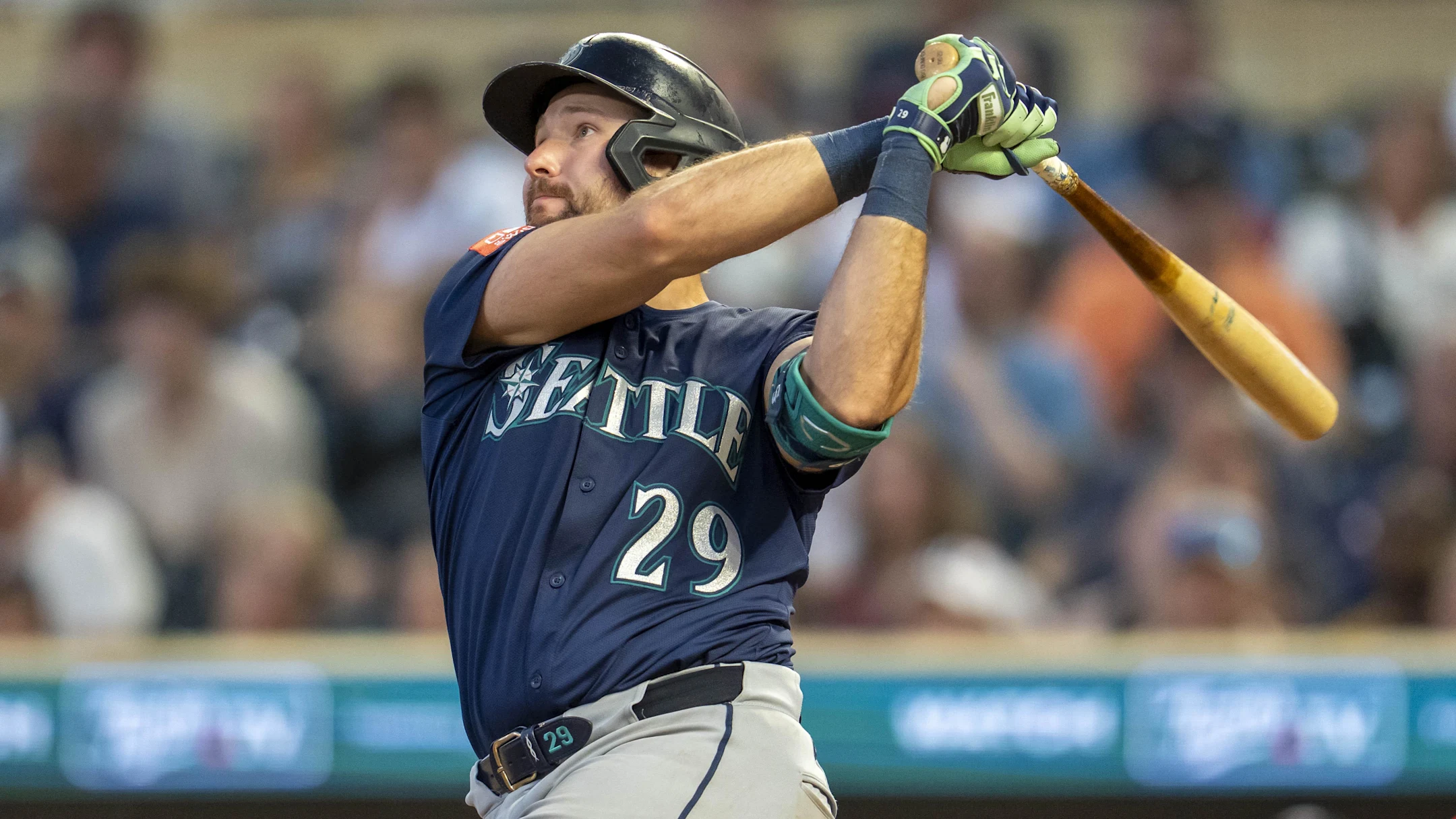
In the unfolding drama of the 2025 MLB season, Seattle Mariners catcher Cal Raleigh has carved out a narrative that goes far beyond his team or position. His first half of the season has not only elevated his own standing in the league but also reframed expectations for what a catcher can accomplish at the plate. As we dissect his extraordinary output, Raleigh emerges as both a statistical marvel and a cultural touchstone for the evolution of baseball.
Catching has long been a position defined by its defensive demands. Game-calling, framing, durability, and leadership behind the plate often supersede offensive expectations. For decades, a catcher with moderate pop and a reliable glove was more than sufficient. But Raleigh’s campaign through the first half of 2025 demands a new equation. With 30 home runs through 75 games, he is pushing the boundaries of what is possible for a player expected to crouch for nine innings, call 100-pitch games, and still swing like a slugger.
Those home runs aren’t hollow numbers either. They represent seismic shifts in momentum, clutch moments, and often, the difference between a win and a loss. His OPS hovers over the 1.000 mark, a figure usually reserved for corner outfielders or designated hitters. His slugging percentage, OBP, and hard-hit rates all rank among the league’s best, not just among catchers but across all positions.
What sets Raleigh apart isn’t simply the volume of his power but the consistency and manner in which he delivers it. He barrels the ball at an elite rate and sprays the field with authority from both sides of the plate. As a switch-hitter, he neutralizes matchups. His balance between home run frequency and on-base capability underscores an approach grounded in discipline as much as in aggression.
Equally compelling is Raleigh’s durability. The catcher position is notoriously punishing, but Raleigh has missed few games, maintaining both offensive firepower and defensive excellence. His work behind the plate has not waned. He blocks pitches in the dirt, throws out runners with authority, and guides a Mariners pitching staff that has quietly assembled one of the best team ERAs in the league. That dual contribution makes his offensive outburst even more astonishing.
This moment feels larger than a statistical blip. Raleigh has tapped into something that seems poised to resonate beyond 2025. He channels echoes of legendary sluggers, but with a modern twist—using analytics-informed discipline and a training regimen tailored for sustainability. He isn’t just swinging for history; he’s rewriting it. In an age where baseball increasingly relies on utility, versatility, and hybrid roles, Raleigh’s dominance represents a convergence of specialization and adaptability.
The broader narrative of this season cannot ignore the cultural resonance of his performance. In Seattle, a city long yearning for sustained baseball success, Raleigh has become a symbol of grit and renewal. His late-inning home runs, his energy in the dugout, his understated leadership—all contribute to a season that is as emotionally charged as it is statistically rich.
This transformation also reframes expectations for catchers coming through development systems. No longer can teams afford to settle for defensive proficiency alone. Raleigh is shifting the paradigm. Young players are now looking to emulate his blend of durability, power, and baseball IQ. Organizations, in turn, may begin to scout and cultivate offensive upside with greater weight, even among players who traditionally fall into defense-first roles.
What awaits Raleigh in the second half remains to be seen. Baseball is a game of attrition as much as it is a game of moments. Slumps happen. Pitchers adjust. Fatigue sets in. But if the first half of the season is any indication, Raleigh is not just having a career year—he may be laying the groundwork for a career-defining trajectory. Barring injury, he appears poised to challenge single-season home run records for catchers, break franchise marks, and insert himself into MVP conversations.
More importantly, he has already succeeded in making baseball fans rethink what a catcher can be. No longer just the stoic game manager, Raleigh is a show-stopper—the kind of player who pulls people into stadium seats, the kind who reminds us that even in a sport often defined by tradition, evolution is not only possible but thrilling.
As the season continues, Cal Raleigh’s bat remains a beacon—not just for Seattle’s hopes, but for a sport constantly negotiating its past, present, and future. In his swing lies the story of a game stretching toward new possibilities, and in his presence behind the plate, the reassurance that its fundamentals still matter. It is that rare synthesis of spectacle and substance that makes this moment in baseball one worth remembering.