Rich Paul’s Signature Elevates the New Balance Abzorb 2010

November 9, 2025
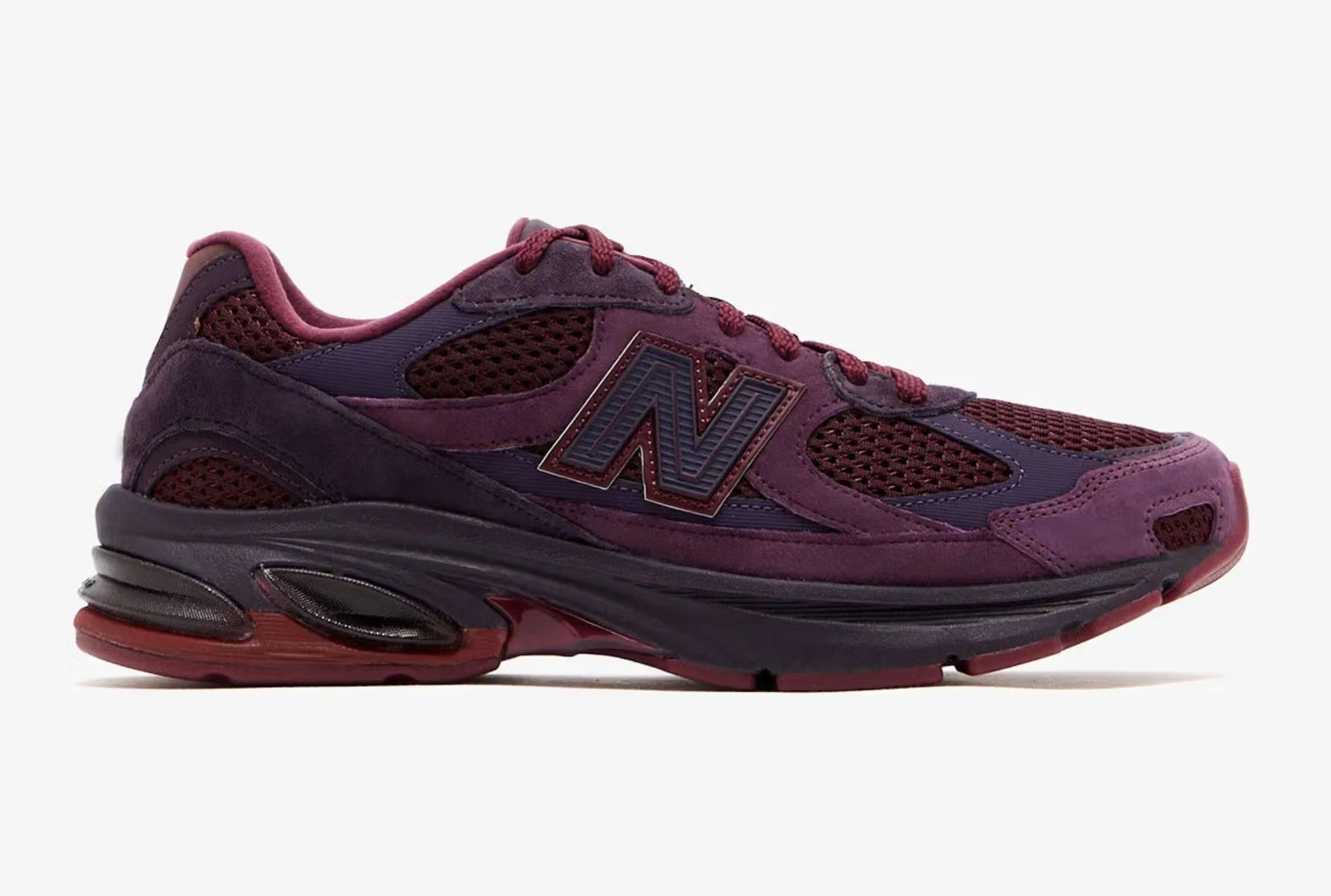
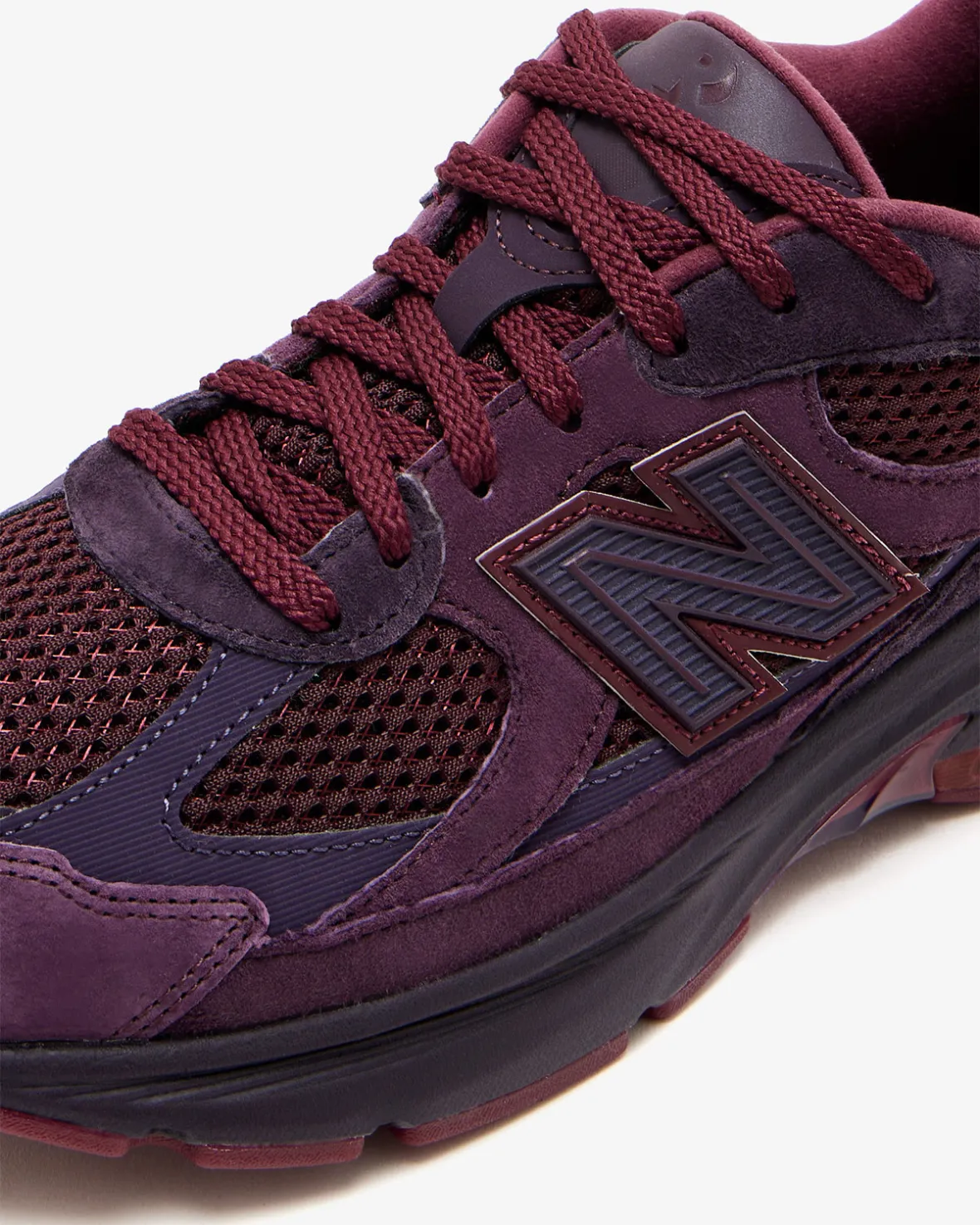
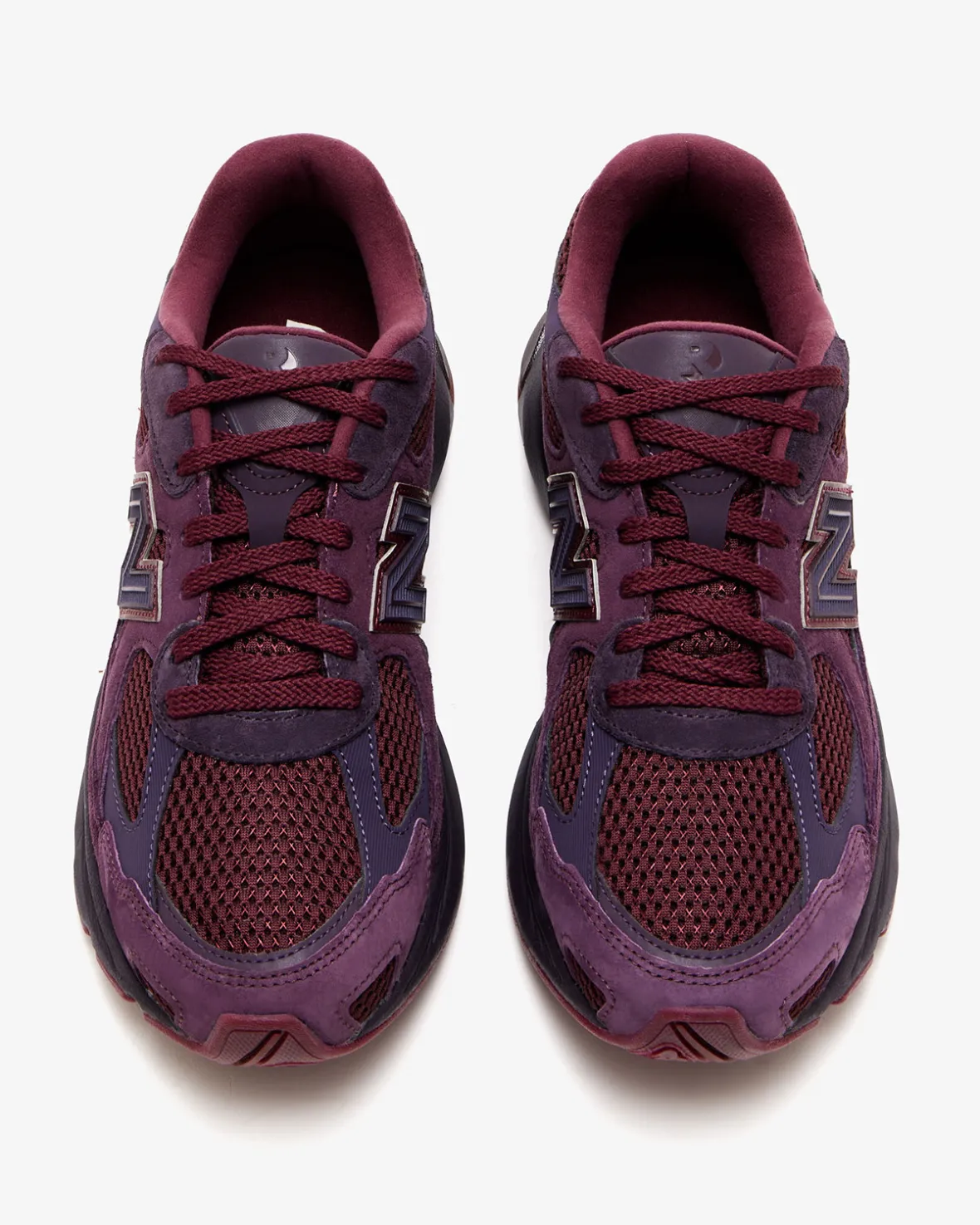
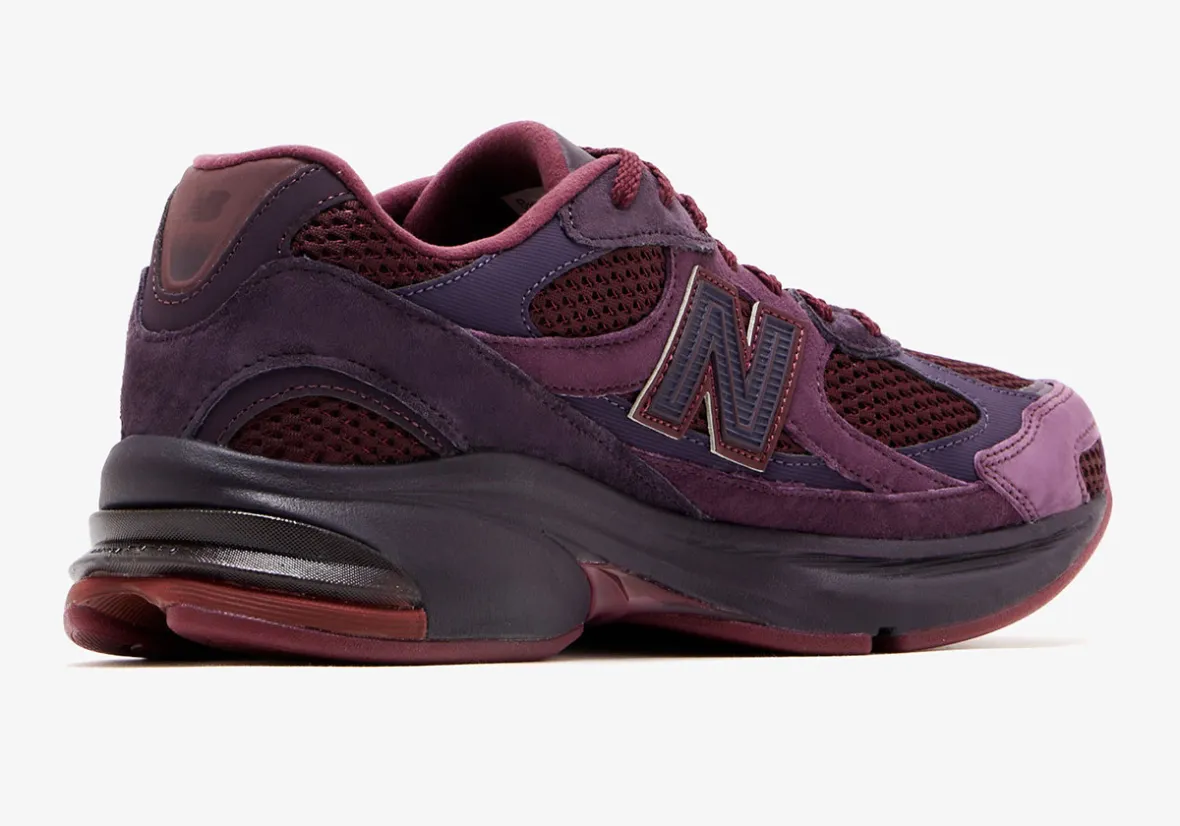
When a sports agent becomes a luxury tastemaker, something profound happens to sneaker culture. Rich Paul—best known as the founder of Klutch Sports and the manager of LeBron James—has transformed his influence from the boardroom to the boutique. His latest collaboration with New Balance, the 2010 silhouette, redefines what it means for sports and style to meet at the highest level. Where his earlier projects leaned nostalgic and sport-driven, this new chapter is sleek, tonal, and quietly extravagant. It’s a shoe that feels less about the court and more about culture—less about power and more about precision.
flow
The New Balance 2010 isn’t a random pick. Introduced as part of the brand’s early-2000s performance running lineage, it was known for its ABZORB cushioning and streamlined utility. Yet in Paul’s hands, the model undergoes a transformation. The agent has turned curator, applying a luxury mindset to a shoe originally built for mileage. The result is refinement, not reinvention—a balance between athletic heritage and modern fashion cues.
Paul’s earlier collaborations, particularly the 550 “Forever Yours,” flirted with vintage basketball nostalgia. The 2010, however, signals an entirely different ambition. Here, Paul trades retro appeal for subdued elegance. The silhouette now becomes a vessel for contemporary design rather than nostalgia, bridging running heritage with lifestyle sophistication.
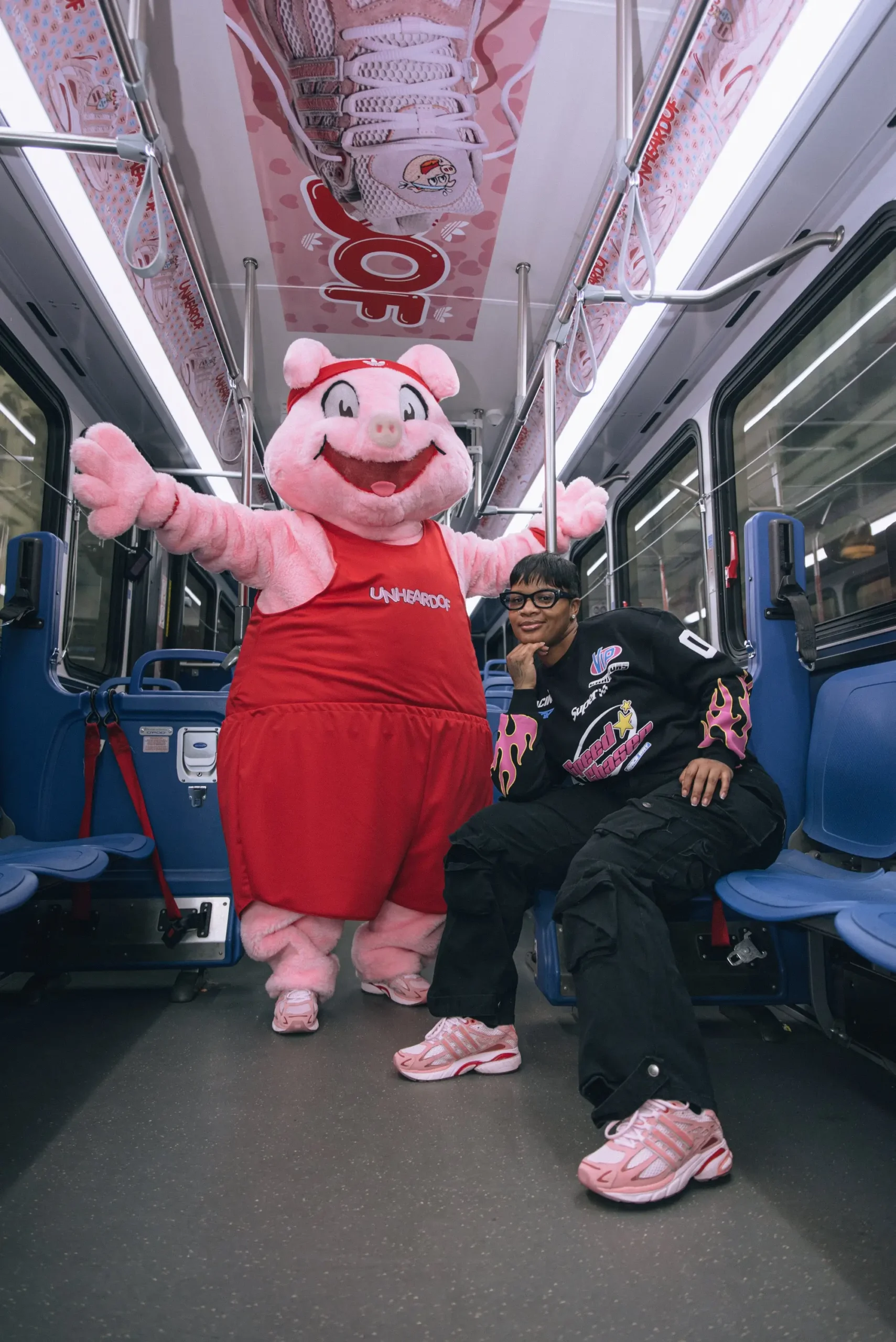
In both the “Plum Brown” and soft-pink variants previewed this year, we see the maturity of his aesthetic. The soft pink version radiates a pastel restraint reminiscent of high-end leisurewear, while the darker plum iteration exudes understated depth. The palette itself feels luxurious—more Bordeaux and suede than varsity and mesh.
restraint
Luxe design, when done well, is rarely loud. Paul’s take on the 2010 champions this philosophy. Every line and panel of the sneaker is meticulously toned down: diamond-knit mesh forms the foundation, wrapped in layered suede that absorbs light rather than reflecting it. Branding is minimal—no oversized logos, just an “R” on the tongue, a whisper instead of a shout.
This restraint reflects the confidence of a man who no longer needs to prove his influence. For Rich Paul, the luxury lies in the details—the tactile texture of materials, the muted color play, the precision in stitching. Even the ABZORB midsole, a performance hallmark, becomes part of the aesthetic language rather than just a technical feature. The sneaker feels ready for both a courtside seat and a candlelit dinner in Beverly Hills.
What’s remarkable is that Paul didn’t chase trend cycles or the maximalist energy dominating the market. He went inward—toward craft, tone, and balance. It’s this internal shift that elevates the design from a “collab” to a piece of design thinking.
the rich paul effect
Rich Paul’s name now carries weight far beyond sports contracts. His collaboration with New Balance is an extension of a broader personal brand built on cultural dexterity. He is the rare figure who moves seamlessly between power lunches, tunnels, and front-row fashion events—and his sneaker reflects that crossover.
The 2010 becomes a metaphor for the man himself: composed, strategic, quietly dominant. It also marks New Balance’s evolution into a brand fluent in cultural nuance. Under Teddy Santis’ creative direction and through partnerships with figures like Paul, New Balance has reframed itself from the “dad shoe” brand to a hub of understated luxury.
By choosing Rich Paul, New Balance isn’t just chasing celebrity—it’s highlighting a new kind of designer archetype: the executive as aesthete. The collaboration says that style isn’t exclusive to traditional creatives; it’s a mindset of curation and vision.
subtle
In an era when collaborations often feel performative, the Rich Paul x New Balance 2010 stands out for its sincerity. There are no gimmicks here—no artificially distressed soles or ironic slogans. The shoe’s strength lies in its timelessness. It’s the kind of sneaker that will look just as relevant five years from now because it’s built on proportion and material harmony rather than fleeting trend.
Paul’s version of “full luxe” doesn’t scream wealth; it whispers influence. The suede has a density you can feel in photographs. The color transitions are like tonal gradients in a wine cellar. Even the midsole—cream rather than white—suggests intention, like aged paper or porcelain glaze. This is luxury understood through restraint, not excess.
Such refinement places the 2010 in dialogue with other icons of understated wealth: Tom Ford loafers, Bottega Veneta intrecciato bags, or even Aimé Leon Dore’s minimalist New Balance projects. It’s fashion that communicates presence without noise.
shift
The cultural impact of this release extends beyond footwear. The Rich Paul 2010 challenges assumptions about who gets to design, influence, and define sneaker luxury. When a sports agent enters the space once reserved for athletes and creative directors, it signals an era of democratized design leadership. Influence today is about perspective, not job titles.
Moreover, the project underscores a larger narrative: the fusion of sport, fashion, and business as overlapping languages. The 2010 sits at this intersection—a sneaker that connects corporate power with creative aspiration. It’s not simply about Rich Paul’s brand but about the evolution of the sneaker ecosystem itself, where storytelling now equals craftsmanship in value.
For New Balance, the collaboration strengthens its position against rivals. While Nike and adidas chase mass appeal through franchise iterations, New Balance leans into individualism—its collaborations are character studies rather than product placements. The Rich Paul 2010 exemplifies that approach.
style
At its core, this sneaker proves that performance heritage still has aesthetic power when reimagined through a luxury lens. ABZORB cushioning, once purely functional, becomes symbolic of comfort as a lifestyle. Mesh and suede transform from athletic necessities to textural narratives. Even the colorways evoke lifestyle more than sport—soft pink as sophistication, plum brown as confidence.
The release also fits perfectly into fashion’s broader movement toward “quiet luxury.” Think of Brunello Cucinelli’s cashmeres, Loro Piana’s suede loafers, or minimalist tailoring that exudes elegance through simplicity. The 2010 joins that canon—not as a runner, but as a luxury artifact designed to be lived in.
from courtside to couture
“Full luxe” isn’t about gold accents or logo overkill—it’s about a mindset. Rich Paul’s New Balance 2010 embodies a mature, modern take on luxury, where understatement becomes the new status symbol. It reflects a man who has mastered multiple games—sports, business, fashion—and now expresses that mastery in suede and mesh.
For New Balance, it’s a continued redefinition of its place in the culture: the brand that outpaces hype by investing in substance. For sneaker culture, it’s another reminder that true influence no longer comes from volume drops but from vision.
In a marketplace obsessed with spectacle, the Rich Paul x New Balance 2010 whispers—and everyone listens.