CES 2026 and the Age of the Holographic Companion

January 10, 2026
when
CES 2026 marked a quiet but profound shift in how artificial intelligence is presented to consumers. For the first time, the most talked-about AI products were not apps, wearables, or invisible background systems. They were objects. They sat on desks, nightstands, and display counters, glowing softly and responding as if they belonged there. AI was no longer something you opened. It was something that occupied space.
The industry has spent years racing to make AI smarter. This year, the race changed direction. Intelligence is increasingly assumed. What companies competed on instead was presence. Giving AI a visible, persistent form transforms how it is perceived. A device that looks back at you feels fundamentally different from a voice in a speaker or text in a chat window. CES 2026 made it clear that the future of consumer AI is not only cognitive, but spatial.
why
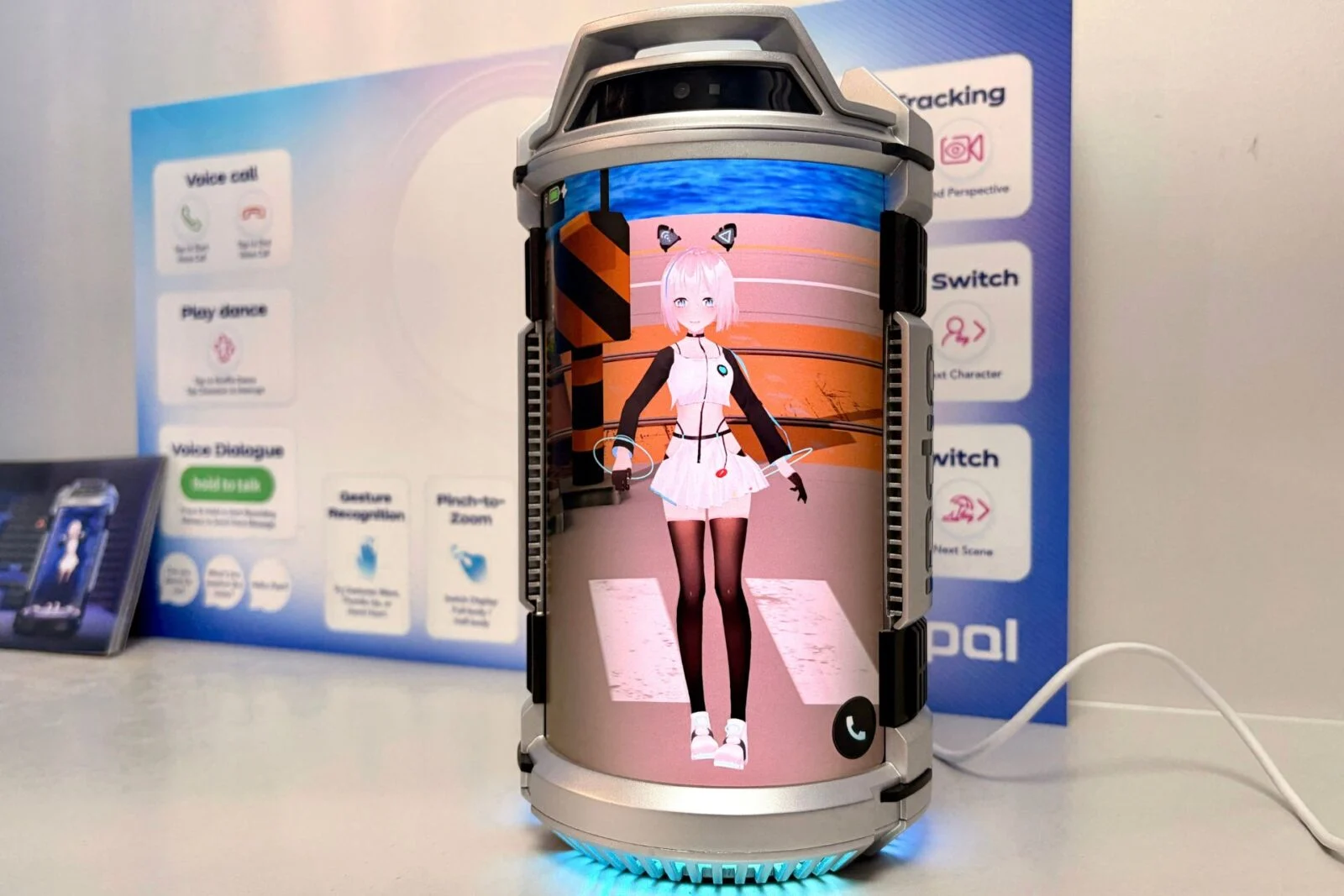
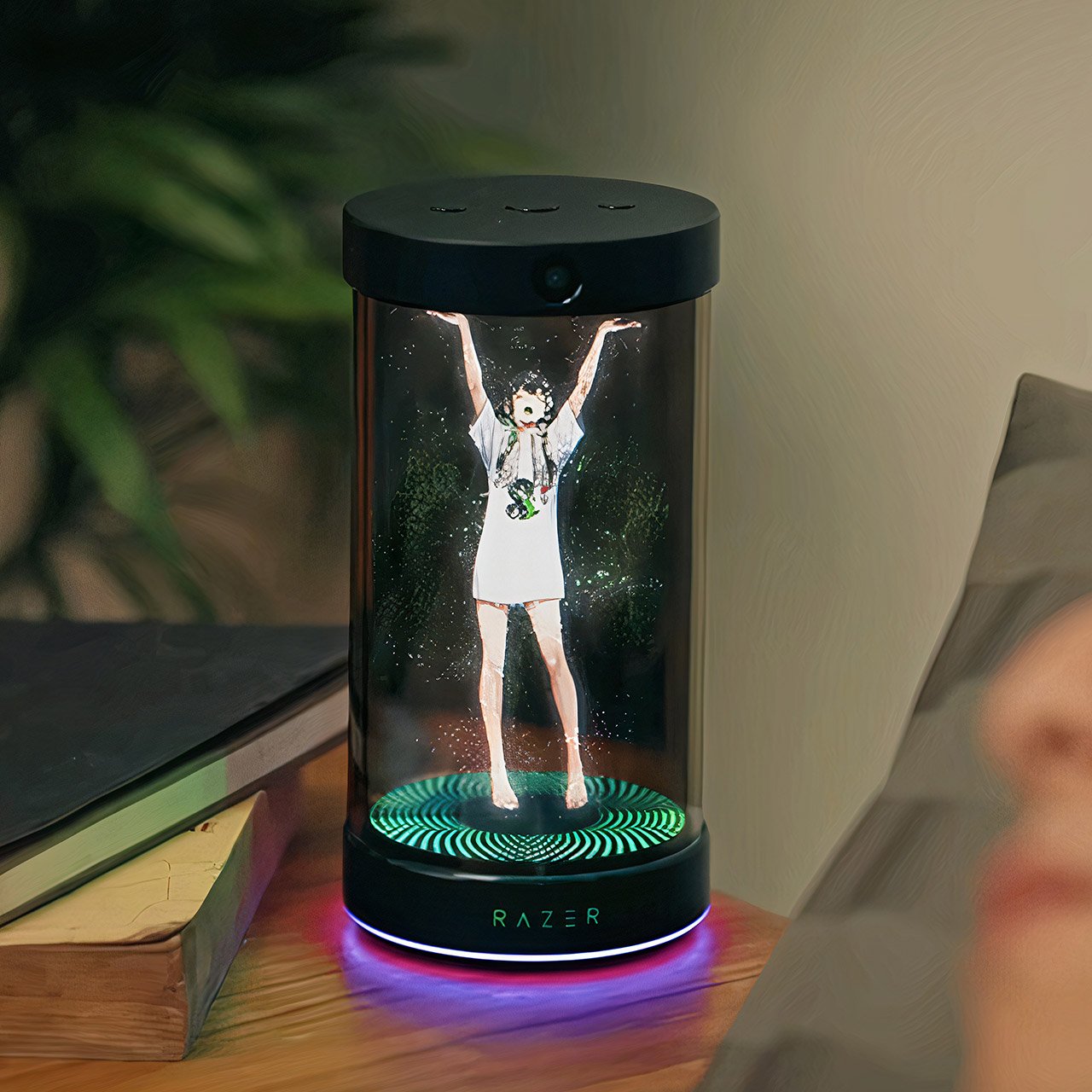
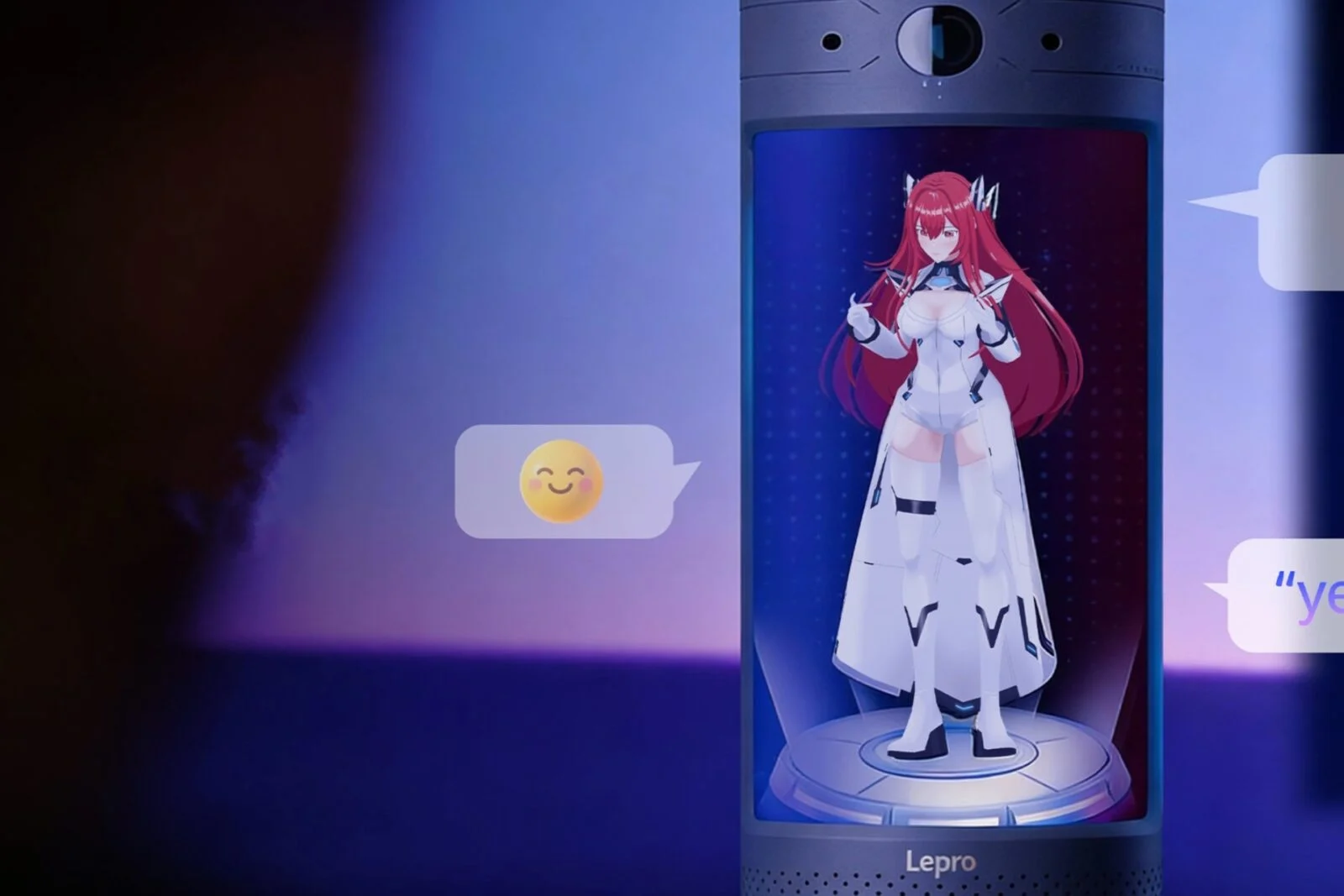
One of the most striking patterns across the show floor was the dominance of stylized, anime-inspired avatars. These characters appeared inside cylindrical displays, floating chambers, and glossy enclosures designed to suggest depth and physicality. Their appeal was immediate and intentional.
Anime-style design excels at emotional clarity. Expressions are readable, gestures are exaggerated, and personality comes through even with limited animation. This makes it an ideal interface for real-time AI systems, where latency or imperfect motion could otherwise break immersion. Stylization forgives flaws. It also avoids the discomfort that hyper-realistic digital humans often provoke.
More importantly, characters create narrative. An anime avatar is not just an interface, it is a persona. Users intuitively understand how to interact with it, what tone to expect, and how much emotional investment feels appropriate. CES 2026 demonstrated that when AI is framed as a character rather than a tool, users engage more naturally and more often.
stir
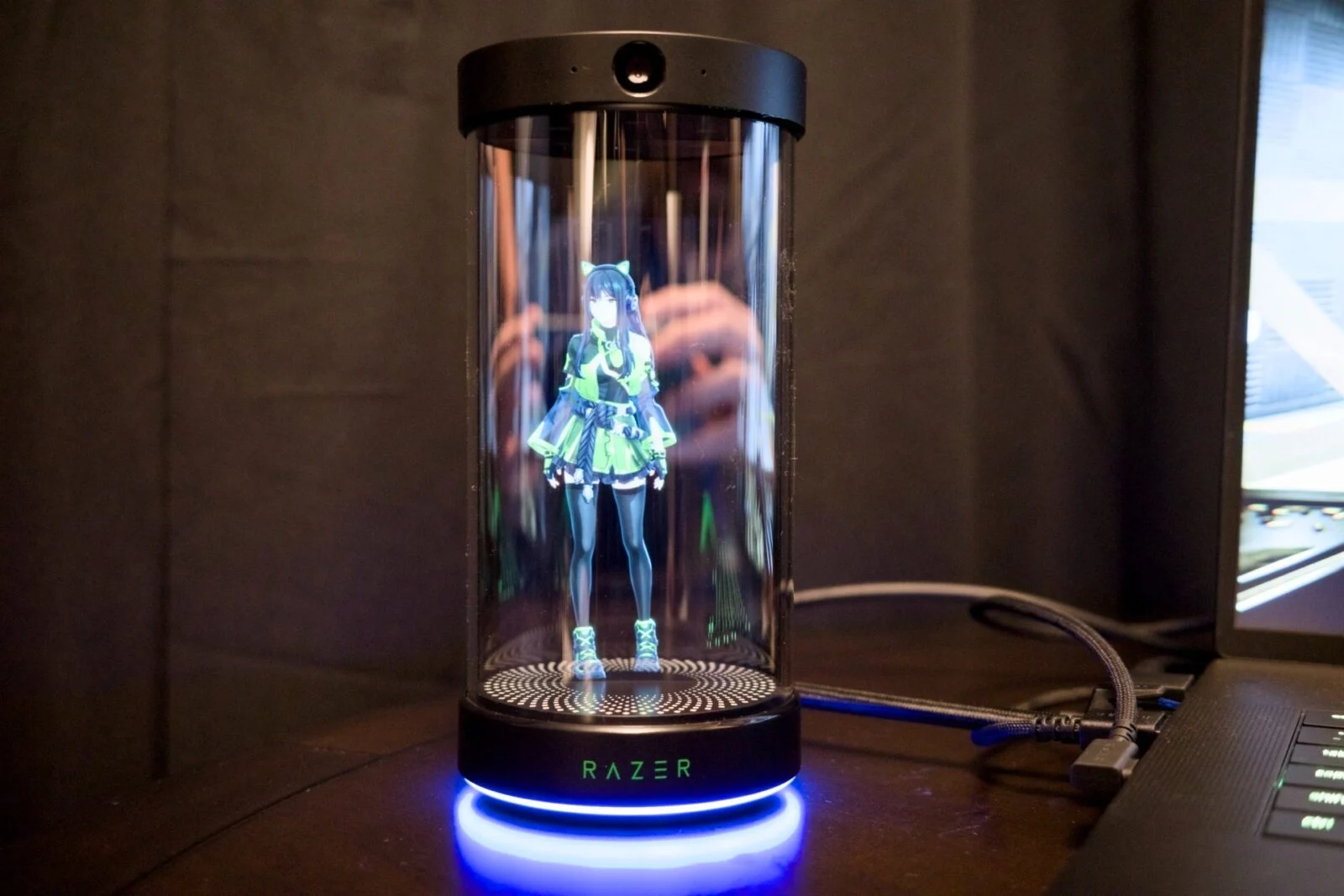
The breakout hardware form factor of CES 2026 was the cylindrical desk companion. These devices typically featured a transparent or semi-transparent enclosure, with an animated AI figure appearing to stand inside. Subtle lighting effects and circular bases reinforced the illusion of depth, making the avatar feel contained yet alive.
This design choice is more than aesthetic. A dedicated object creates a ritual. You approach it differently than you would a phone or laptop. It does not compete with work tabs or notifications. Its sole purpose is interaction. That separation allows AI to feel intentional rather than intrusive.
By placing AI in a fixed physical location, companies are also redefining how it fits into daily life. A desk companion becomes part of the environment, like a lamp or a speaker. It is always available, but not demanding attention unless invited. CES 2026 showed that this ambient presence is a powerful way to normalize continuous interaction with AI.
show
Language around AI has evolved rapidly, and CES 2026 reflected that change. These devices were rarely described as assistants. They were companions, partners, or coaches. The distinction matters.
An assistant performs tasks. A companion shares experience. Companions remember preferences, react emotionally, and frame their functionality as care rather than efficiency. They congratulate you, encourage you, and sometimes simply keep you company.
This reframing elevates the emotional stakes of interaction. When an assistant fails, it is inconvenient. When a companion disappoints, it feels personal. CES 2026 leaned into that intimacy, suggesting that emotional resonance is now a core product feature rather than a byproduct.
fwd
Beneath the charm and spectacle lies a more complicated motivation. Many of these products implicitly address loneliness. They offer presence without scheduling, attention without reciprocity, and conversation without risk.
This does not make them inherently problematic. Technology has always mediated human connection, especially during periods of social fragmentation. What feels new is how explicitly intimacy is being productized. A holographic companion is not passive entertainment. It responds, adapts, and remembers. It creates the sensation of being acknowledged.
CES 2026 revealed an industry increasingly comfortable targeting emotional needs directly. The challenge ahead is ensuring that these solutions supplement rather than replace human connection. The line between support and substitution is thin, and once crossed, difficult to uncross.
idea
Embodied AI requires awareness. To feel responsive, these devices rely on microphones, cameras, and contextual sensing. Presence is built on perception.
The risk is not surveillance alone, but normalization. A friendly face lowers defenses. Users may share more freely, forget they are interacting with a product, and treat the device as a confidant rather than a system.
CES 2026 highlighted the need for transparency and control. When AI feels personal, data boundaries become emotionally charged rather than technical. The success of these products will depend as much on trust as on design.
game
Gaming culture played a central role in legitimizing holographic companions. Gamers are already comfortable forming relationships with avatars, streamers, and virtual characters. A desk companion that offers coaching, reacts to gameplay, or celebrates wins fits naturally into this ecosystem.
CES 2026 leveraged this familiarity. Gaming-focused companions serve as a gateway, normalizing the presence of AI characters in daily routines. Once accepted in play, they can easily expand into work, study, and rest. Gaming has often been the testing ground for broader social technologies, and embodied AI appears to be following that pattern.
pitch
CES is not a prediction of what will ship tomorrow. It is a rehearsal for what companies want consumers to accept next. The holographic companions of CES 2026 may evolve, simplify, or disappear entirely, but the direction they point toward is clear.
AI is moving out of the background and into shared space. It is being designed to feel less like software and more like a presence. This shift will reshape expectations, habits, and relationships with technology in ways that are still difficult to fully grasp.
fin
The most important takeaway from CES 2026 is not any single device, but a philosophical pivot. AI is no longer framed as something you consult. It is framed as something you live with.
That change brings promise and risk in equal measure. A companion that motivates, supports, or simply keeps someone company can be genuinely valuable. But a companion that exploits emotional attachment or erodes privacy carries real harm.
CES 2026 placed that future on display, glowing softly inside transparent cylinders. Whether it becomes empowering or unsettling will depend on the choices made next. What is certain is that AI has crossed a threshold. It now wants a seat at the table, a place on the desk, and a role in everyday life.