Miami Joins Waymo’s Growing Robotaxi Network

January 23, 2026
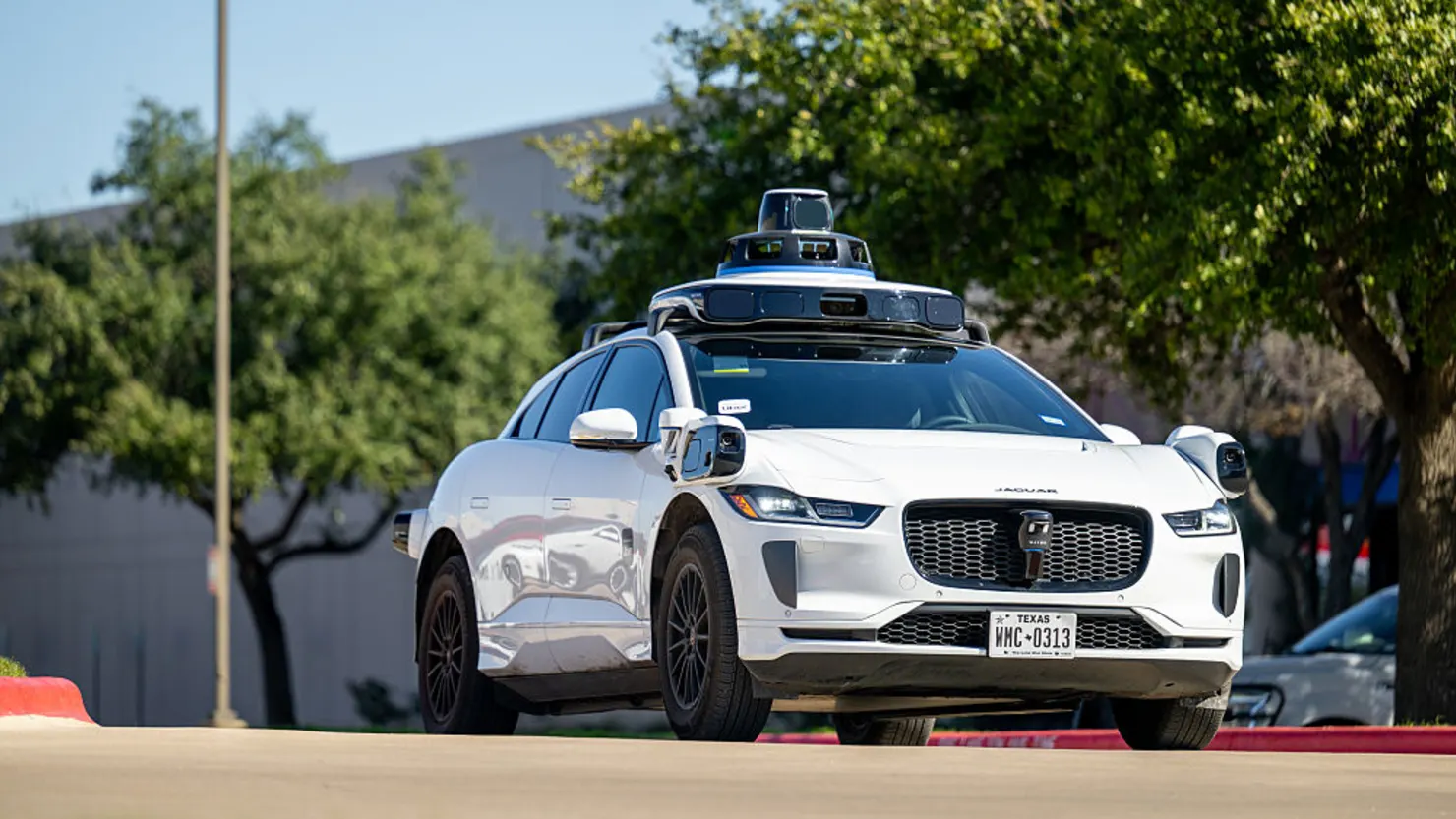
Alphabet’s autonomous-vehicle subsidiary Waymo has officially opened its robotaxi service to paying riders in Miami, marking a significant milestone in the company’s long-running bid to commercialize driverless transportation at scale. The launch makes Miami the sixth U.S. market where Waymo operates a fully paid, public ride-hailing service and signals the opening move in what the company frames as a broader 2026 expansion cycle across major metropolitan areas.
The rollout places Waymo several steps ahead of its most prominent rivals. Tesla continues to promise future autonomy through software updates but has not yet launched a comparable driverless ride-hailing network, while Amazon-owned Zoox remains largely in controlled pilot phases. As regulatory hurdles, safety debates, and technical challenges have slowed competitors, Waymo’s steady geographic spread is increasingly shaping the competitive landscape of U.S. autonomous mobility.
Miami’s inclusion is particularly notable. The city offers dense urban corridors, complex traffic patterns, heavy tourism flows, and unpredictable weather—conditions that present both a proving ground for autonomous systems and a lucrative opportunity for a premium on-demand transportation service. For Waymo, success in South Florida would reinforce the narrative that its technology can operate reliably beyond the Western U.S. cities where it first built commercial traction.
open
Waymo’s Miami service begins with coverage across roughly 60 square miles, encompassing some of the city’s most active and high-profile neighborhoods: the Design District’s luxury retail hub, the arts-driven streets of Wynwood, the financial and residential towers of Brickell, and the leafy avenues of Coral Gables. Together, these districts capture a broad cross-section of Miami life—tourists, professionals, students, nightlife crowds, and affluent shoppers—giving Waymo immediate exposure to diverse rider behaviors and trip types.
The company began testing vehicles in the region in early 2025, quietly logging miles and collecting data while building relationships with local authorities. That year-long runway is consistent with Waymo’s cautious approach to market entry. Rather than launching rapidly and refining later, the company has typically favored extended simulation, supervised road testing, and limited pilots before switching on full commercial operations.
Waymo has also said it intends to expand service to Miami International Airport, one of the busiest travel hubs in the United States, though it has not provided a timeline. Airport access is a major prize in the autonomous-ride-hailing sector. These trips are frequent, high-value, and logistically complex, often involving highway driving, dense pickup zones, and tight scheduling demands. Securing airport service would not only boost revenue potential but also serve as a powerful demonstration of system maturity.
why
From a business perspective, Miami offers a compelling mix of characteristics. Its year-round warm climate reduces complications associated with snow and ice, which remain difficult scenarios for autonomous systems. At the same time, the city’s sudden tropical downpours, reflective coastal light, and congested roadways provide challenging test cases for sensors and perception software.
Demographically, Miami is also a city accustomed to premium transportation services. Ride-hailing apps are widely used by residents and visitors alike, and luxury vehicle fleets are a familiar sight in high-traffic districts. Waymo’s robotaxis—typically electric SUVs equipped with roof-mounted lidar arrays, cameras, and radar—fit comfortably into that ecosystem, positioning the service as both futuristic and upscale rather than experimental.
There is also a symbolic dimension. Expanding into Florida signals that Waymo’s ambitions are not confined to the tech-heavy corridors of California or the desert-grid cities of the Southwest. It reinforces a national posture, one in which autonomous vehicles are framed not as regional curiosities but as mainstream urban infrastructure.
grow
Waymo’s Miami debut underscores the widening gap between it and many would-be challengers. The company has spent more than a decade refining autonomous-driving technology, starting as Google’s self-driving car project before becoming a standalone Alphabet subsidiary. Over time, it has accumulated millions of miles of real-world driving data and billions more in simulation, gradually transitioning from safety-driver-supervised testing to fully driverless operations.
In contrast, Tesla’s autonomy strategy has leaned heavily on camera-based systems and consumer-vehicle deployment, with CEO Elon Musk repeatedly forecasting imminent robotaxi launches. While Tesla has made advances in driver-assistance software, it has yet to introduce a public, driverless ride-hailing service comparable to Waymo’s operations.
Zoox, Amazon’s autonomous-vehicle arm, has taken a different approach, developing a purpose-built, bidirectional robotaxi vehicle rather than retrofitting existing models. The company has conducted limited tests in cities such as Las Vegas and San Francisco, but its deployments remain far smaller in scale and scope.
As these rivals proceed more cautiously—or encounter regulatory and technical bottlenecks—Waymo’s steady march into new markets could create a powerful first-mover advantage. Riders who grow accustomed to driverless transportation in one city may seek it out when traveling to another, while municipalities evaluating autonomous-vehicle permits may look to Waymo’s track record as a benchmark for safety and reliability.
loyal
Waymo has framed its Miami launch as the opening chapter of a broader 2026 expansion push, suggesting that additional U.S. cities could soon follow. In platform businesses, early presence can translate into durable loyalty. Ride-hailing history offers a useful analogy: companies that established dominant positions in key cities during the early days of app-based transportation often retained them for years, even as new competitors entered the field.
Autonomous ride-hailing adds another layer to that dynamic. Riders who experience consistent, smooth trips in driverless vehicles may develop a preference for the technology itself, especially if pricing proves competitive with conventional rideshare services. Municipal regulators, too, may be more inclined to extend permits to operators with established safety records in comparable environments.
By spreading methodically into diverse cities—dense urban centers, suburban sprawl, tourist destinations—Waymo can accumulate not just technical data but also political and cultural capital. Each successful market becomes evidence supporting the company’s argument that large-scale autonomous mobility is ready for mainstream adoption.
scale
Despite the momentum, expanding a robotaxi network remains far more complex than launching a traditional ride-hailing service. Waymo must deploy and maintain specialized vehicles packed with costly sensors, ensure high-definition mapping of service areas, run remote operations centers, and coordinate with local emergency services and transportation authorities.
Fleet management is another hurdle. Vehicles must be cleaned, charged, serviced, and repositioned to match demand patterns, all without on-board human drivers. Software updates and safety validations add further layers of complexity, particularly when introducing vehicles to new climates, road designs, or traffic cultures.
Miami’s geography presents its own logistical considerations. Causeways, waterfront expressways, and event-driven congestion around arenas and festivals could test dispatch algorithms and routing systems. Seasonal tourism surges may create sharp spikes in demand that differ from weekday commuter patterns in cities like Phoenix or San Francisco.
Waymo’s relatively slow, deliberate rollout strategy suggests it is keenly aware of these operational challenges. Rather than blanket a metropolitan area overnight, the company typically starts with defined zones and gradually expands as confidence and infrastructure grow.
reg
Regulation remains one of the most decisive factors in the autonomous-vehicle race. Each state and city maintains its own framework for permitting, data reporting, and safety oversight. Florida has historically been receptive to autonomous-vehicle testing, which likely helped pave the way for Waymo’s entry, but full commercial operations still require careful coordination with local authorities.
Public perception is equally important. High-profile accidents involving autonomous systems—even when statistically rare—can slow expansion plans and provoke political scrutiny. Waymo has invested heavily in transparency, publishing safety reports and emphasizing its layered sensor approach and cautious deployment philosophy.
Miami will serve as another high-visibility proving ground. Success there could bolster confidence among policymakers in other states considering broader approvals, while any operational hiccups would likely attract national attention.
fwd
For riders, the arrival of Waymo in Miami offers a tangible preview of what urban transportation might look like later this decade. Summoning a car with no human driver, watching it navigate busy streets, and being dropped at a destination without exchanging a word is no longer a speculative concept—it is becoming a routine experience in a growing number of cities.
The implications stretch beyond convenience. Autonomous fleets could reshape labor markets in ride-hailing, influence car-ownership decisions, and alter urban design by reducing parking demand or encouraging new commuting patterns. For tourism-heavy cities like Miami, driverless vehicles could also become part of the visitor experience, marketed as a novel and futuristic way to explore neighborhoods.
sum
Waymo’s Miami launch is both a local development and a national signal. Locally, it adds a new mobility option for residents and visitors in some of the city’s busiest districts, with airport service potentially on the horizon. Nationally, it reinforces the idea that Waymo is pulling ahead in the slow-burn race to commercialize autonomous ride-hailing in the United States.
As 2026 approaches, the company’s planned expansions could prove pivotal. Each new market strengthens its data advantage, deepens brand recognition, and raises the bar for competitors trying to catch up.
with either Tesla accelerates its robotaxi ambitions or Zoox ramps up deployments remains to be seen, but for now, Waymo is the operator most consistently translating autonomous-driving research into real-world service.
In Miami, riders stepping into a driverless SUV this week are participating in more than a convenient new commute—they are part of a larger experiment in how cities might move in the coming decade. If the service proves popular and reliable, South Florida could become another cornerstone in Waymo’s expanding national footprint, helping to define what autonomous transportation looks like when it finally arrives at scale.