When Workwear Softens: A Floral Suede Statement in Green

January 28, 2026
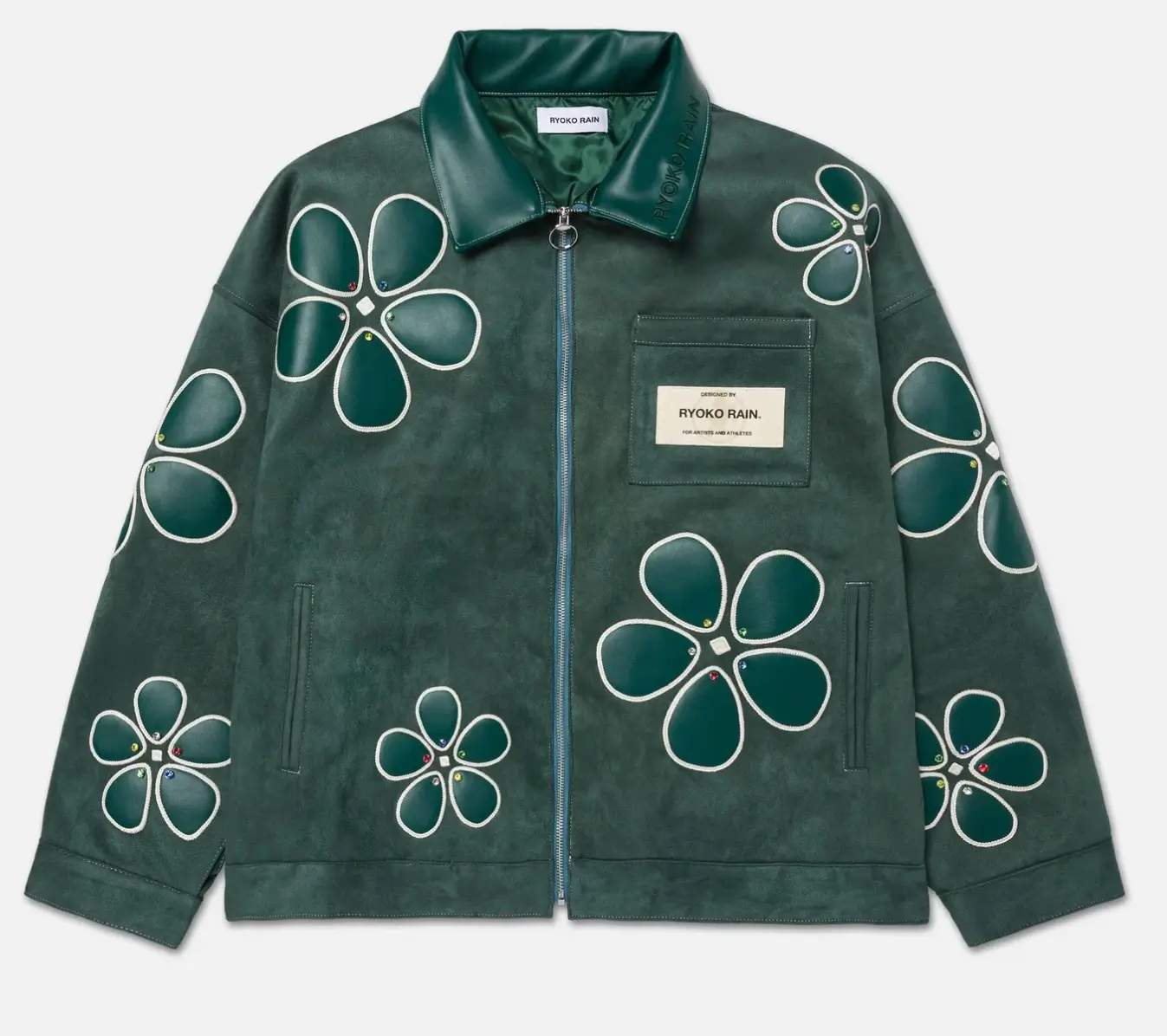
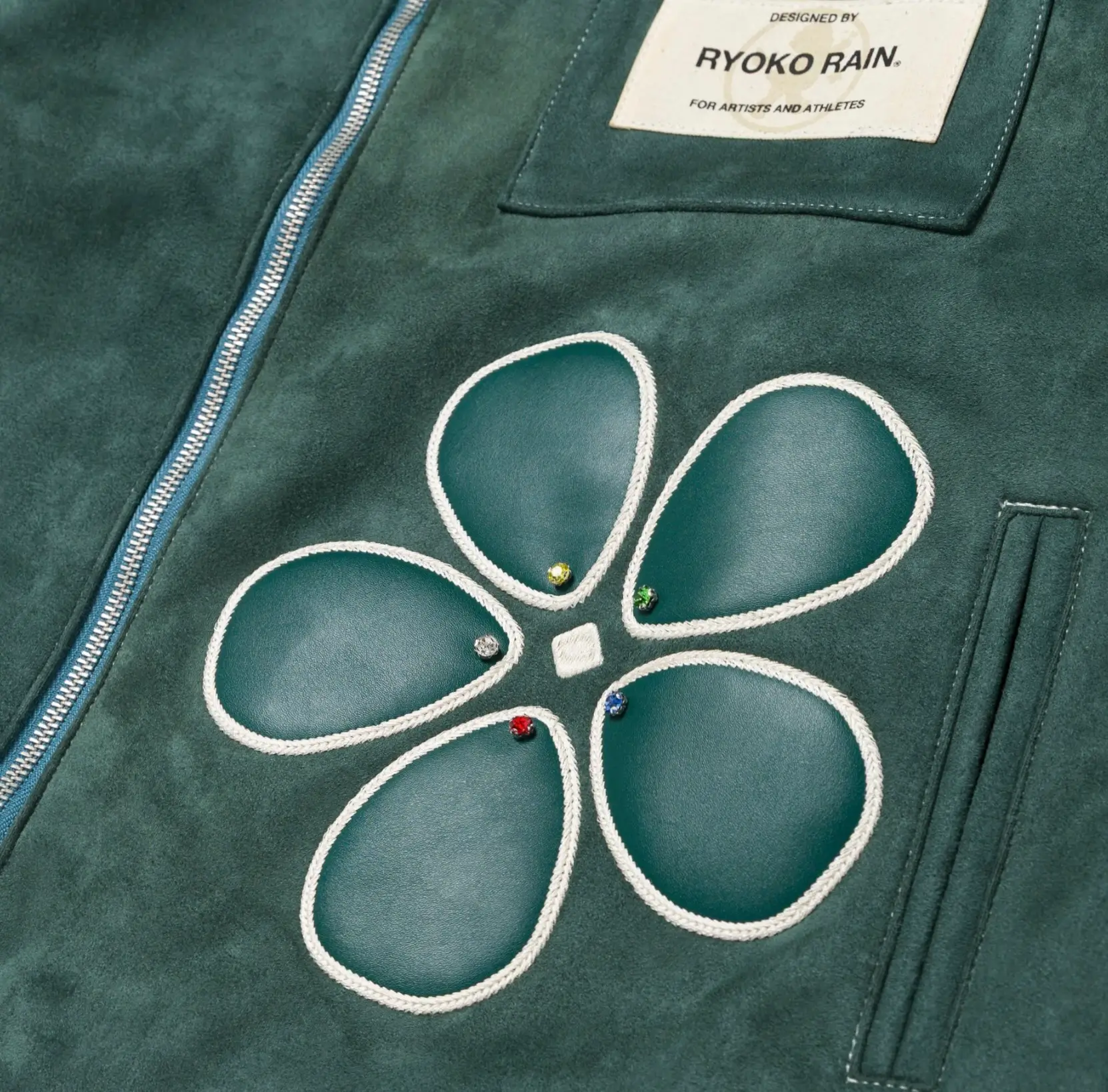
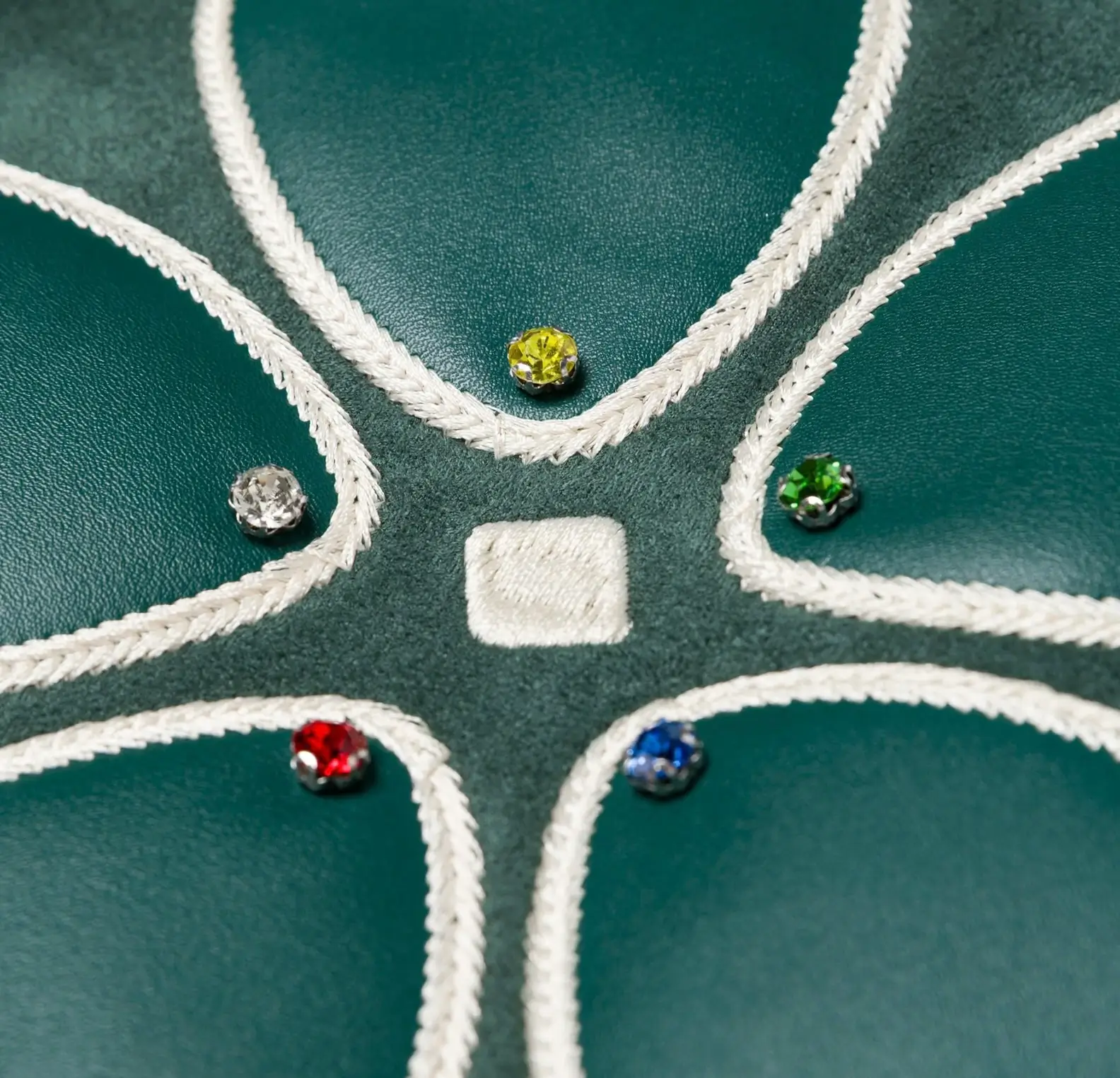
In a season crowded with hyper-technical shells, blunt-force puffers, and endless nylon zip-ups, the Floral Suede Work Jacket in green arrives like an unexpected bouquet left on a construction site workbench. At once rugged and romantic, tactile and painterly, the piece folds two seemingly opposing traditions into one garment: the blue-collar pragmatism of classic workwear and the decorative intimacy of floral craft. It is not merely a jacket—it is a thesis on how contemporary fashion is rewriting masculinity, function, and ornament in the same breath.
Green suede is already a statement before a single stitch is examined. Add floral motifs—embroidered, appliquéd, laser-etched, or embossed depending on the execution—and the result is something that resists easy categorization. Is it utilitarian outerwear? Is it a collectible art piece? Is it a luxury riff on chore coats and ranch jackets? The answer, thrillingly, is yes to all three.
This is the kind of garment that looks at home leaning against a vintage pickup truck just as much as draped over a designer chair in a gallery-lit apartment. It speaks to a moment when fashion no longer feels obliged to choose between toughness and tenderness.
decor
Floral motifs in menswear have long oscillated between rebellion and refinement. In the seventies they symbolized softness and counterculture; in the nineties they returned via grunge shirting and rave-era prints; today they appear across tailoring, sneakers, and accessories as part of a broader collapse of rigid gender coding.
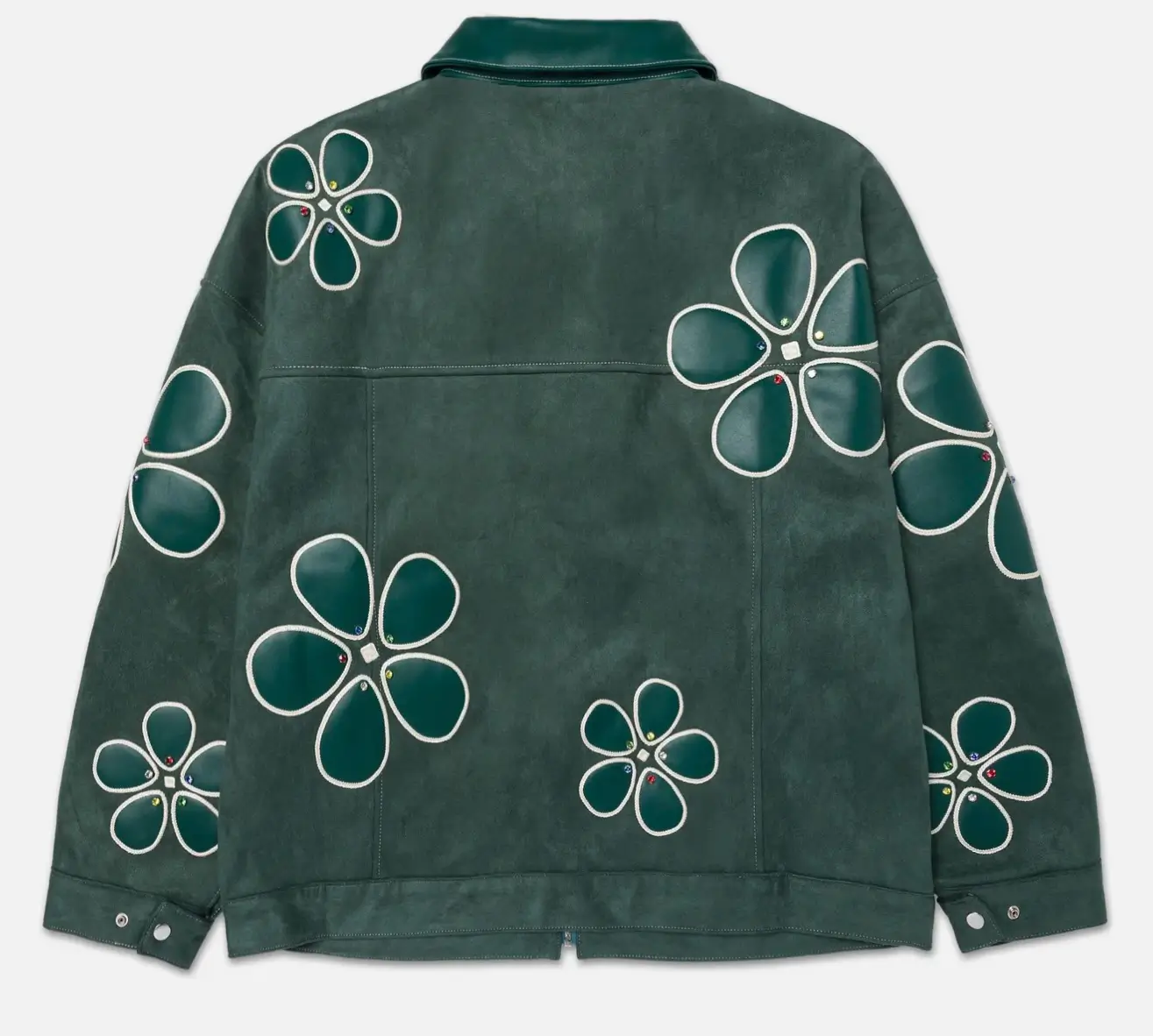
On a suede work jacket, florals feel particularly charged. The placement matters enormously. Flowers scattered across the chest can read expressive, almost poetic. Embroidery climbing up the sleeves or trailing along the hem recalls tattoo flash or Japanese sukajan jackets. Oversized blooms across the back transform the garment into a wearable mural, turning the wearer into a moving canvas.
The best versions balance restraint and drama. One might find reinforced elbow patches left plain while petals erupt around the shoulders. Heavy brass buttons and riveted pockets coexist with delicate stitching. The tension between toughness and beauty is not smoothed over; it is sharpened.
This duality mirrors a larger shift in fashion culture. Workwear has become luxury’s favorite dialect—filtered through artisanal techniques, rare materials, and storytelling. Florals, once considered decorative extras, now function as signifiers of craft: hours of hand-stitching, specialist workshops, painstaking pattern alignment. They communicate labor just as much as the utilitarian cut does.
sil
Most Floral Suede Work Jackets in green trace their lineage to classic work silhouettes. Boxy chore-coat proportions dominate: straight hems, three- or four-pocket fronts, relaxed shoulders, and a length that hits mid-hip for layering ease. Others borrow from ranch jackets and Western truckers, with yokes across the chest, pointed flap pockets, and contrast stitching that frames the suede panels like architecture.
What elevates the piece is how these familiar forms are reinterpreted through luxury finishing. Lined interiors—often in satin, twill, or quilted silk—turn what could be a stiff outer layer into something that glides on. Horn or custom-engraved metal buttons replace standard snaps. Some versions feature subtle cinches at the waist, allowing the jacket to oscillate between boxy and tailored depending on styling.
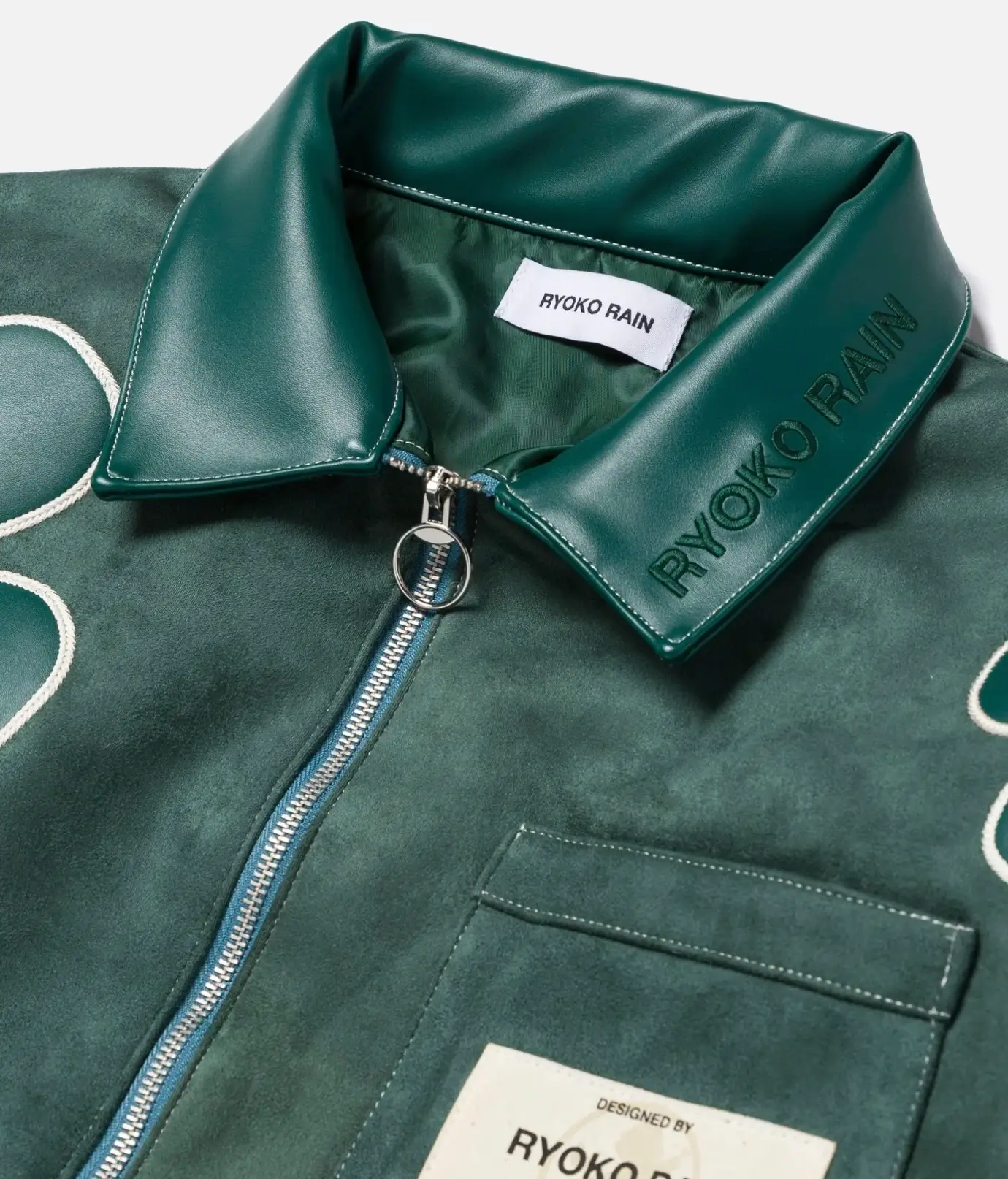
The collar becomes a focal point. A wide, shirt-style collar emphasizes the jacket’s workwear roots, while a narrower, sharper collar pushes it toward tailoring. Occasionally a contrast leather under-collar is introduced, a quiet flex only visible when the piece is worn open or casually popped.
Cuffs may hide snap closures or button tabs for adjustment, reinforcing the idea that this is still, at least nominally, a garment designed to work—just in a world where “work” might mean creative labor, travel, or late-night studio sessions rather than physical toil.
anchor
Green is one of fashion’s most emotionally resonant colors. It is associated with growth, renewal, calm, and nature, but also with money, envy, and institutional power depending on shade and context. On suede, green becomes especially complex. Light sage reads airy and contemporary; deep bottle green feels aristocratic; muddy olive suggests military surplus and vintage field gear.
Against florals, green performs a stabilizing role. It prevents the jacket from drifting into costume territory. Even the most ornate botanical embroidery feels plausible when grounded in a color historically tied to uniforms and outdoor labor.
Designers often exploit tonal layering within the same green family. Darker panels at the shoulders and cuffs imply wear patterns. Lighter greens across the body mimic sun-fading. Floral threads may pick up subtle variations—moss, chartreuse, eucalyptus—creating depth without shouting.
The result is painterly rather than graphic, closer to an oil canvas than a digital print.
now
The Floral Suede Work Jacket in green sits at the intersection of several cultural currents. Workwear’s ongoing takeover of luxury is one. What began decades ago with Japanese repro brands and heritage denim has now become a global language spoken by runway houses and indie labels alike. Chore coats appear in cashmere; carpenter pants are cut from silk; trucker jackets are hand-embroidered.
At the same time, masculinity in fashion has loosened dramatically. Jewelry, embroidery, pastel palettes, and historically “decorative” elements have become mainstream in menswear. Florals no longer signal flamboyance by default; they signal confidence.
There is also a hunger for pieces that feel slow in a fast-fashion world. Suede, embroidery, and statement jackets imply investment and longevity. They ask to be worn for years, repaired rather than replaced, and passed down rather than discarded.
Finally, the jacket taps into the romance of craft. In an era dominated by screens, garments that visibly showcase handwork—raised threads, textured hides, imperfect natural grain—feel grounding. They reassert the physicality of clothing.
style
This is not a shy piece, but it is surprisingly versatile when approached thoughtfully.
Paired with raw denim, a white tee, and leather boots, the jacket becomes the star of an otherwise classic outfit. The florals act as punctuation rather than paragraph.
Over tailored trousers and a knit polo, it reads modern and urbane, blurring the line between blazer and outerwear. Add loafers or minimalist sneakers and the look drifts into gallery-opening territory.
Lean into its ranch-hand undertones with flared cords, Western belts, and Cuban-heeled boots. The suede and flowers suddenly feel like part of a mythic Americana wardrobe—romantic, dusty, cinematic.
For colder months, layer it under a long wool coat, letting the collar and embroidered shoulders peek out. The contrast between plush tailoring and rugged suede creates visual friction in the best way.
Accessories should stay restrained. Let the texture and embroidery do the talking. A simple cap, silver chain, or canvas tote is enough.
live
Owning a suede work jacket is an act of commitment. It cannot be tossed into a washing machine or ignored during a rainstorm. But that responsibility is part of the appeal.
A quality suede protector spray is essential, forming a barrier against moisture and dirt. Regular brushing with a suede brush keeps the nap lifted and removes surface dust. Minor scuffs can often be revived with gentle abrasion; darker spots sometimes fade into beautiful patina over time.
Florals, especially embroidered ones, deserve attention. Loose threads should be trimmed carefully rather than pulled. Storage matters too: wide hangers prevent shoulder distortion, and breathable garment bags protect against dust while avoiding moisture buildup.
With care, the jacket evolves rather than degrades. Green deepens, embroidery softens, and the whole piece acquires a lived-in grace that new garments cannot replicate.