From Cross-Training to the Backcountry: Where ACG Actually Began

February 3, 2026
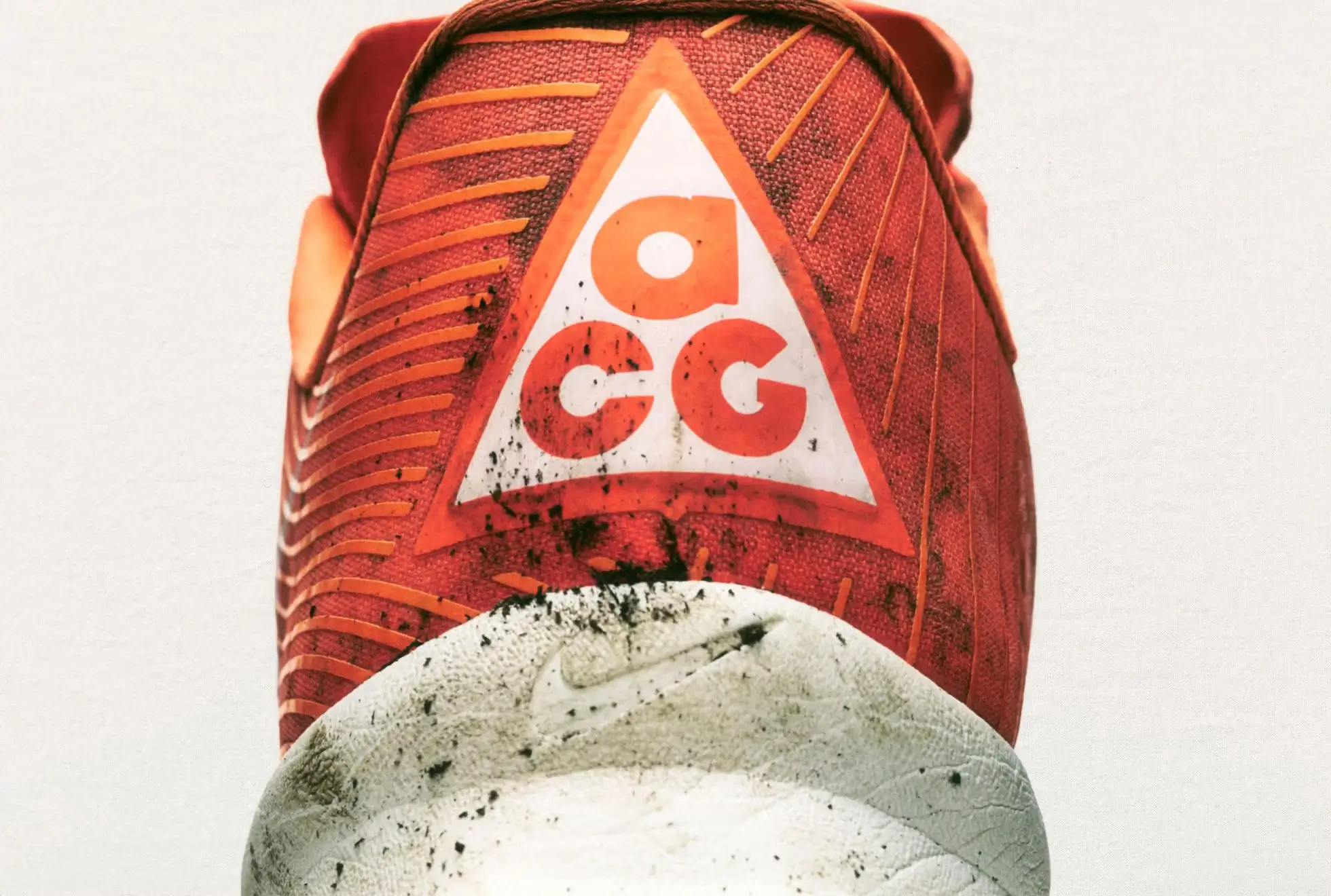
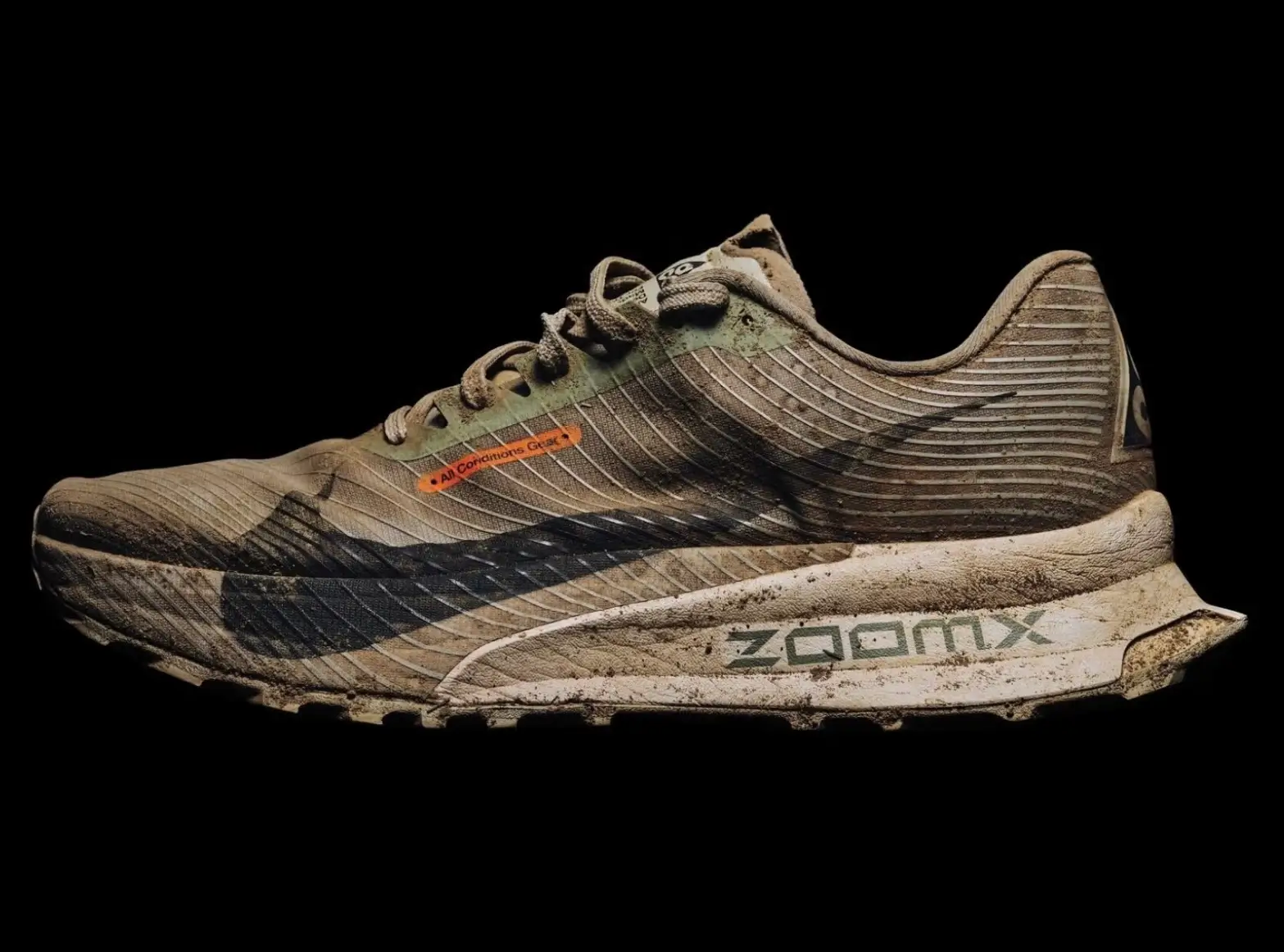
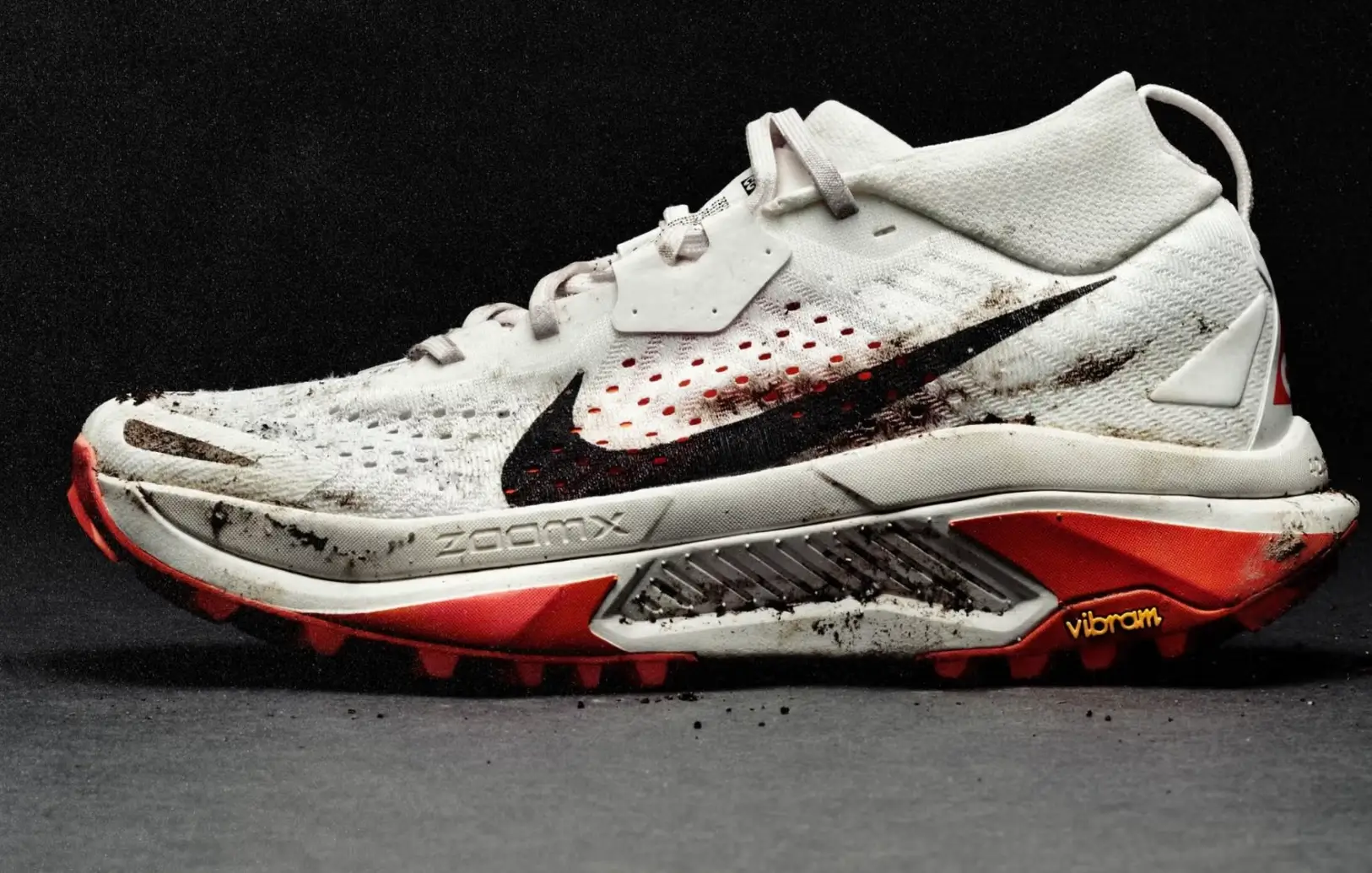
Nike ACG wasn’t born in a design studio chasing aesthetics, nor was it created to sit neatly within the cycles of fashion. When All Conditions Gear emerged in the late 1980s, it was Nike’s answer to a simple but underserved question: what should athletes wear when the environment refuses to cooperate? Rain, snow, heat, cold, uneven terrain — ACG existed to solve problems, not to create icons.
The early vision was utilitarian, almost stubbornly so. ACG was about versatility, adaptability, and performance across unpredictable conditions. It was less “outdoor lifestyle” and more “outdoor reality.” This ethos placed ACG somewhere between trail running, hiking, climbing, and cross-training — a hybrid space that felt radical long before hybridity became a buzzword.
move
At its best, ACG functioned as a philosophy rather than a seasonal range. The gear encouraged exploration without specialization. You didn’t need to identify as a climber, hiker, or mountaineer. You just needed curiosity and a willingness to move through the world as it was.
That mindset distinguished ACG from traditional outdoor brands built around specific sports. Instead of demanding technical purity, ACG embraced chaos. Trails blurred into streets. Weather shifted mid-session. Plans changed. ACG didn’t just allow for that — it was designed for it.
This openness is key to understanding why ACG resonated so deeply, and why its return-to-roots moment carries weight in 2026.
inno
Long before performance apparel became cultural currency, ACG was quietly innovating. Advanced textiles, weather-resistant constructions, rugged outsoles, modular layering systems — these weren’t marketing bullet points, they were necessities.
The irony is that many of ACG’s early ideas only became widely appreciated decades later, once fashion and streetwear began fetishising “technical” design. What once looked strange or overly functional suddenly felt visionary. ACG didn’t change — the culture finally caught up.
myth
For many newer fans, ACG begins and ends with footwear — particularly the Air Mowabb and Air Mada. These silhouettes deserve their legendary status, but reducing ACG to a handful of shoes does the line a disservice.
ACG was never about hero products. It was about systems. Footwear worked in conversation with apparel, accessories, and environment. When the story narrows to nostalgia alone, the deeper purpose gets lost — and that’s the risk of a retro-only revival.
stir
As gorpcore and technical fashion surged in the late 2010s and early 2020s, ACG found itself in an unexpected spotlight. Suddenly, outdoor aesthetics were being consumed primarily as style — divorced from function, context, or sport.
While this brought visibility, it also created tension. ACG gear appeared more often in lookbooks than landscapes. The line became symbolic rather than active. Performance credibility took a back seat to cultural relevance.
That shift wasn’t inherently wrong — but it left unfinished business.
culture
The world ACG is returning to in 2026 isn’t the one it left. Burnout culture, digital overload, climate anxiety, and a growing rejection of artificial experiences have reshaped how people relate to movement and nature.
Outdoor sport isn’t niche anymore. It’s therapy, resistance, and recalibration. People aren’t just hiking for aesthetics — they’re hiking for sanity. In that context, ACG’s original mission suddenly feels urgent again.
This isn’t about nostalgia. It’s about relevance.
out
Modern outdoor participation is less about conquest and more about connection. Fewer summit selfies, more long walks. Fewer extremes, more consistency. ACG’s design language — adaptable, durable, non-precious — fits this shift perfectly.
A return-to-roots ACG doesn’t need to shout about performance. It needs to earn trust through use. The gear should feel lived-in, capable, and honest. Designed for repetition, not spectacle.
style
If gorpcore turned outdoor gear into costume, ACG’s reintroduction offers a chance to reverse that equation. Function doesn’t have to abandon style — but style should follow purpose, not replace it.
By grounding itself in real outdoor sport again, ACG can draw a line between inspiration and imitation. The goal isn’t to reject fashion, but to lead it from a place of credibility rather than trend-chasing.
perform
In 2026, authenticity isn’t about origin stories — it’s about application. People can tell when something works, and when it doesn’t. Performance credibility has become the ultimate flex.
For Nike, restoring ACG’s performance-first identity reinforces trust at a time when consumers are increasingly skeptical of hollow narratives. It’s proof that innovation doesn’t only live in labs or on tracks — it thrives wherever conditions are unpredictable.
fwd
ACG’s re-centering on outdoor sport doesn’t just strengthen the sub-label — it recalibrates Nike’s broader ecosystem. It signals balance. A willingness to invest in depth over noise. A reminder that sport still matters, even when it isn’t televised.
This move has the potential to influence how Nike approaches performance storytelling across categories, grounding innovation in real-world use rather than abstract promise.
why
ACG’s return isn’t just about product — it’s about permission. Permission to move differently. To train without metrics. To explore without destination. To embrace conditions rather than avoid them.
In an era obsessed with optimisation, ACG offers something rarer: adaptability.
leg
Reintroducing ACG as a return-to-roots moment is a bold move — and a risky one. If executed with integrity, it could restore ACG’s rightful place as one of Nike’s most meaningful innovations. If mishandled, it risks becoming another aesthetic exercise.
But if history tells us anything, it’s that ACG thrives when it listens to the outdoors first — and everything else second.
And that’s why this moment matters.
No comments yet.