MokaMax Instant Coffee Pot Steeps On The Go — Redefining Coffee Rituals for a Hybrid Lifestyle

February 17, 2026


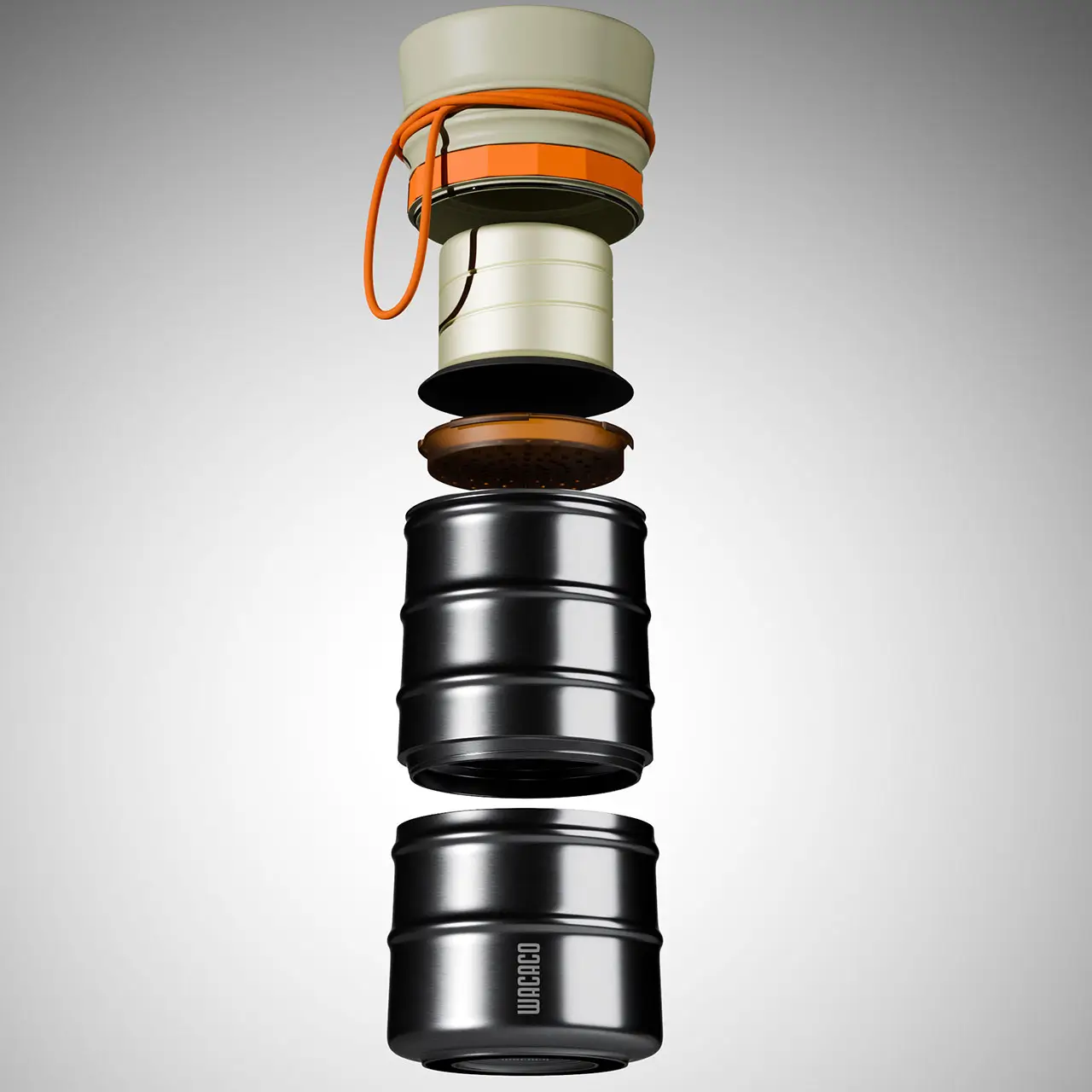

For coffee lovers, there is something unmistakably emotional about the ritual of preparation. The grind of the beans, the bloom of aroma as hot water touches the grounds, the quiet anticipation before that first sip — these moments matter. Coffee is not simply fuel; it is rhythm, comfort, and a small daily ceremony that structures time. Yet contemporary life rarely allows rituals to unfold slowly. Hybrid schedules, commuting patterns, remote work, and constant mobility have reshaped the way people consume even their most cherished habits.
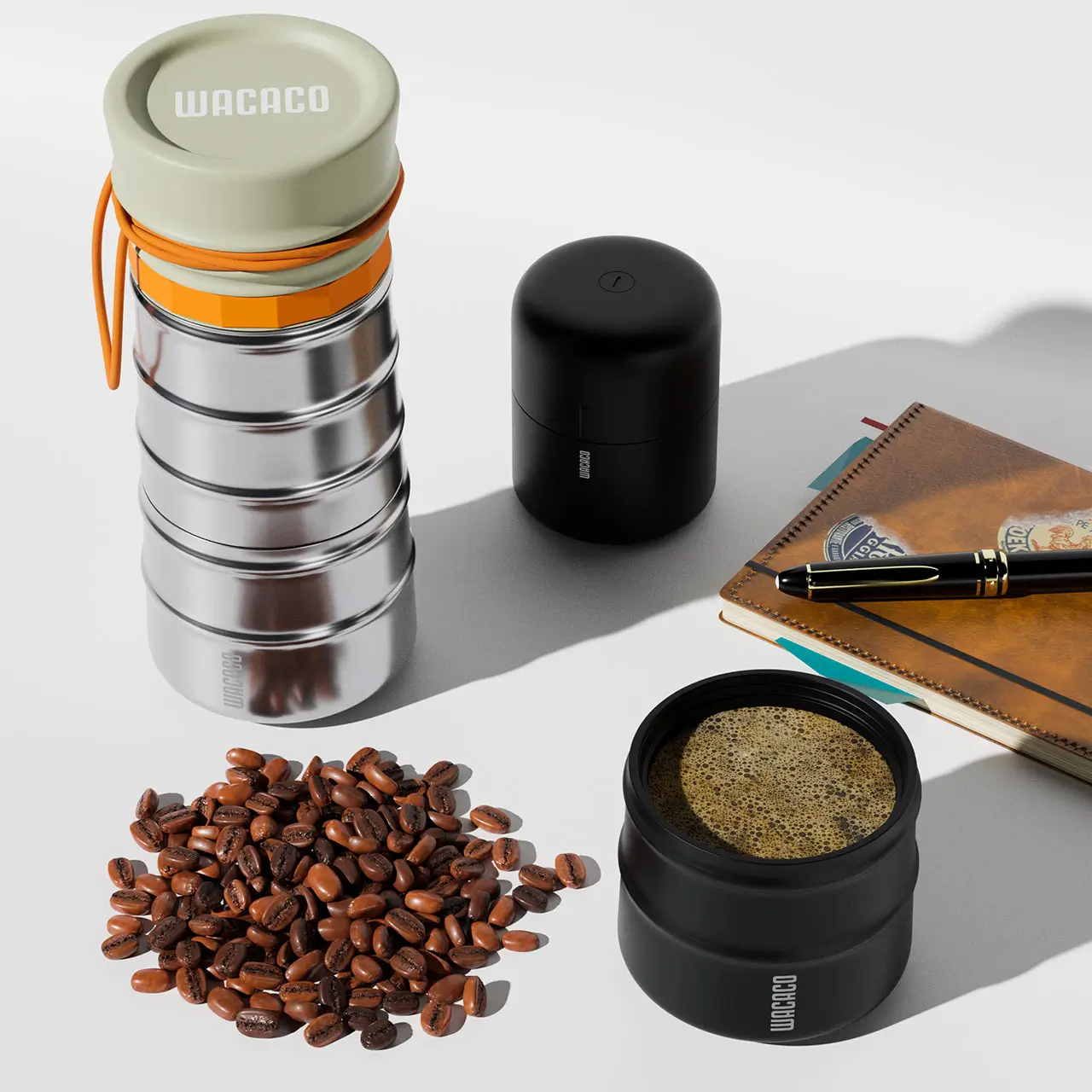
In response to this shift, designer Somya Chowdhary introduces the MokaMax Instant Coffee Pot, a forward-thinking concept designed to bring intentional coffee moments into motion. Rather than treating portability as an afterthought, the MokaMax imagines coffee preparation as something fluid — an experience that travels as easily as the person using it. It reframes the question entirely: what if a truly satisfying cup of coffee could exist wherever you happen to be?
ritual
Coffee rituals historically depended on place. Whether it was a kitchen counter filled with brewing tools, a neighborhood café buzzing with conversation, or an espresso bar layered with stainless steel machines, coffee felt tied to physical environments. The quality of the experience came from being present in that space — waiting, watching, and participating in a process that required care and time.
Today, however, those stable environments are increasingly fragmented. Many people begin their morning at home, answer emails at a coworking space, jump into transit between meetings, and end the day somewhere entirely different. The idea of a fixed coffee ritual struggles to keep pace with lifestyles defined by flexibility and spontaneity.
Instant coffee once promised a solution, but it often sacrificed atmosphere and perceived quality. Convenience came at the cost of sensory experience. The MokaMax concept challenges that compromise by combining speed with design mindfulness, suggesting that portability and pleasure can coexist.
mobile
At first glance, the MokaMax Instant Coffee Pot embodies modern industrial design philosophy. Its form appears clean and streamlined, with a focus on compact proportions and intuitive interaction. The silhouette avoids unnecessary embellishment, prioritizing function while still conveying elegance.
Somya Chowdhary’s approach reflects a larger shift in product design — the move toward objects that adapt to multiple environments. Instead of designing for the traditional kitchen alone, MokaMax imagines the desk, the train compartment, the studio, or even the outdoor workspace as equally valid coffee destinations.
This mobility-driven thinking transforms the way we interpret appliances. The coffee maker is no longer a static machine anchored to a countertop. It becomes an extension of personal lifestyle — closer to a daily companion than a piece of equipment.
simple
In a market saturated with high-tech devices promising endless customization, simplicity itself has become a luxury. The MokaMax concept embraces that idea by stripping the brewing process down to its essentials.
A minimal interface reduces cognitive load. The user is not confronted with complex settings or intimidating controls. Instead, preparation feels straightforward — reinforcing the calming nature of coffee rather than turning it into another technological task.
This design decision speaks to an emotional truth: coffee rituals are often about slowing down. Even when time is limited, the act of preparation can provide a small moment of focus. By simplifying interaction, MokaMax preserves that pause rather than rushing past it.
flow
Instant coffee has long carried a complicated reputation. For many years, it was seen as a compromise — quick but lacking depth and nuance. Yet changing consumer habits and improvements in coffee technology have sparked renewed interest in elevated instant options.
The MokaMax Instant Coffee Pot doesn’t attempt to replicate the complexity of a professional espresso machine. Instead, it reframes instant brewing as a deliberate choice. The process becomes more tactile, more intentional, and more aligned with modern lifestyles.
By housing instant preparation within a thoughtfully designed object, the experience feels elevated. It signals that convenience can still be aesthetically pleasing and emotionally satisfying. The design itself adds value, transforming a practical action into a conscious ritual.
mat
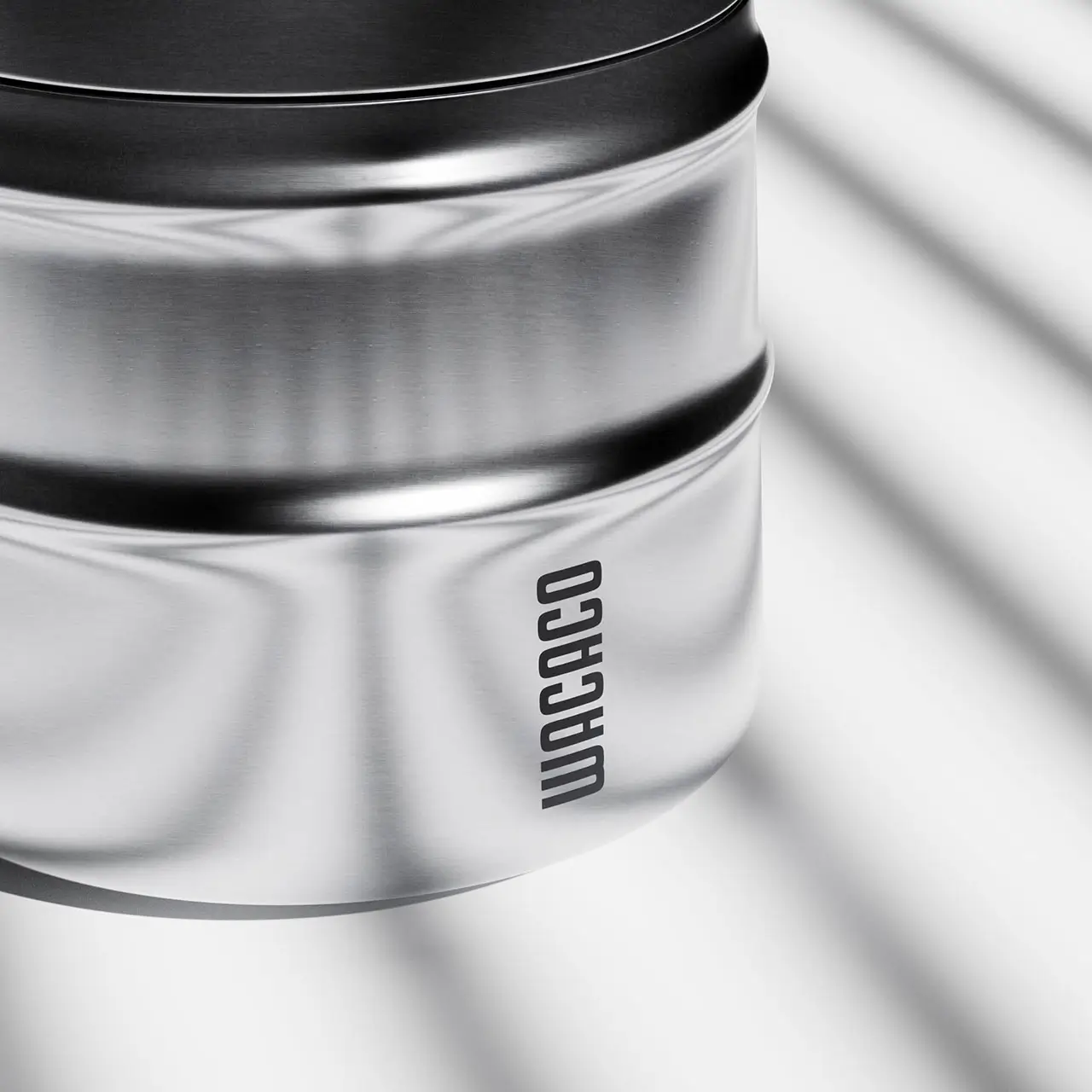
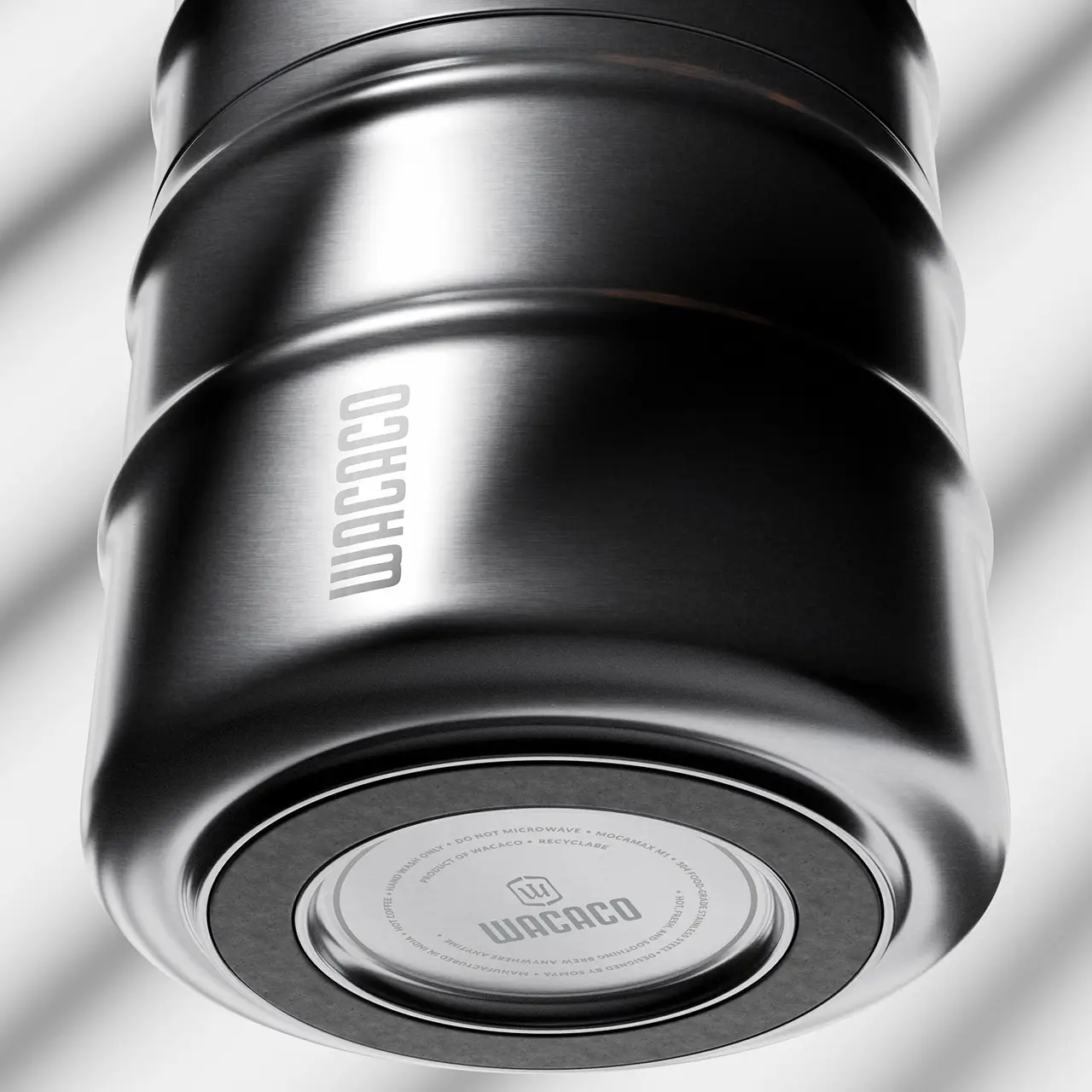
Much of product design’s success lies in subtle sensory cues. Texture, weight, and finish all influence how users perceive quality. The MokaMax concept appears to lean into materials that feel approachable yet refined — smooth surfaces, balanced proportions, and a visual language that communicates calm.
These choices matter because coffee is deeply sensory. Aroma, temperature, and touch are integral to enjoyment. When a product visually suggests warmth and clarity, it subconsciously prepares the user for a positive experience.
The ergonomic considerations also reinforce usability. A comfortable grip, intuitive pouring angle, and manageable size ensure that the object feels natural in motion — whether carried in a bag or used on a small desk.
hybrid
The rise of hybrid work environments has reshaped expectations for everyday objects. Consumers increasingly seek tools that move effortlessly between contexts. Laptops became lighter, headphones became smarter, and even lighting adapted for portability. Coffee culture, too, is evolving in response.
MokaMax reflects this cultural shift. It allows users to recreate a familiar coffee moment regardless of location. Instead of relying on whichever café happens to be nearby, the user carries a sense of consistency with them.
This consistency has psychological value. In uncertain or hectic schedules, small rituals provide grounding. A portable coffee pot becomes less about caffeine and more about continuity — a way to preserve personal routine amid constant change.
allure
Another strength of the concept lies in its visual adaptability. Minimalist aesthetics allow the MokaMax to blend seamlessly into diverse environments — from contemporary apartments to creative studios or shared offices.
Its understated design language avoids trend-heavy elements that might quickly feel outdated. Instead, it embraces timeless neutrality, ensuring longevity in both appearance and usability. This longevity aligns with growing consumer awareness around sustainable purchasing decisions — choosing objects designed to last rather than disposable solutions.
sustain
Though conceptual, the MokaMax hints at a more sustainable direction for coffee culture. Single-use café cups, frequent takeaway purchases, and wasteful preparation habits contribute significantly to environmental impact. Portable coffee solutions encourage reuse and self-sufficiency.
By enabling users to prepare coffee wherever they are, MokaMax could reduce dependence on disposable packaging and unnecessary waste. The environmental benefit becomes a byproduct of convenience — an increasingly important consideration in contemporary design.
identity
Coffee choices often reflect personality. Some favor meticulous pour-overs; others swear by bold espresso or quick instant options. The rise of portable brewing tools suggests that identity is becoming more individualized and mobile.
MokaMax taps into this trend by framing coffee preparation as personal rather than place-bound. It invites users to create their own environment, wherever they happen to be. The object becomes part of a personal narrative — a symbol of intentional living in a fast-paced world.
emotion
Ultimately, the success of any coffee product comes down to one thing: that first sip. It is the moment anticipation turns into satisfaction. MokaMax’s design philosophy appears centered on preserving the magic of that moment, even when time and space are constrained.
The compact form, intuitive process, and portable nature all serve this goal — ensuring that the emotional payoff remains intact. In many ways, the design reminds us that rituals are not defined by elaborate setups but by the meaning we attach to them.
fwd
The MokaMax Instant Coffee Pot represents a broader shift in how designers approach everyday tools. Rather than creating objects tied to a single environment or routine, contemporary design increasingly prioritizes adaptability, emotional resonance, and mobility.
As work and social lives continue to blend, products like MokaMax signal the emergence of a new category — ritual-driven portability. These objects don’t just perform tasks; they preserve experiences.
Coffee will always evolve alongside culture. From traditional moka pots to high-tech espresso machines and now portable instant concepts, each innovation reflects changing lifestyles. MokaMax feels like the next step — a design that acknowledges movement without abandoning meaning.
fin
MokaMax Instant Coffee Pot Steeps On The Go not simply as a convenience device but as a thoughtful response to modern living. It recognizes that people crave both efficiency and authenticity, speed and ritual, mobility and comfort.
By merging minimal design with emotional awareness, Somya Chowdhary’s concept invites coffee lovers to rethink where good coffee belongs. Not just in kitchens or cafés, but wherever life happens — at a desk between meetings, on a train heading somewhere new, or in a quiet corner carved out of a busy day.
In that sense, the MokaMax is less about replacing tradition and more about expanding it. It suggests that the magic of coffee is not tied to a location at all, but to the intention behind the act. And as our lives become increasingly fluid, that idea feels more relevant than ever.



No comments yet.