
Michael Jordan’s NASCAR Driver Tyler Reddick Makes History With Third Straight Win

March 3, 2026
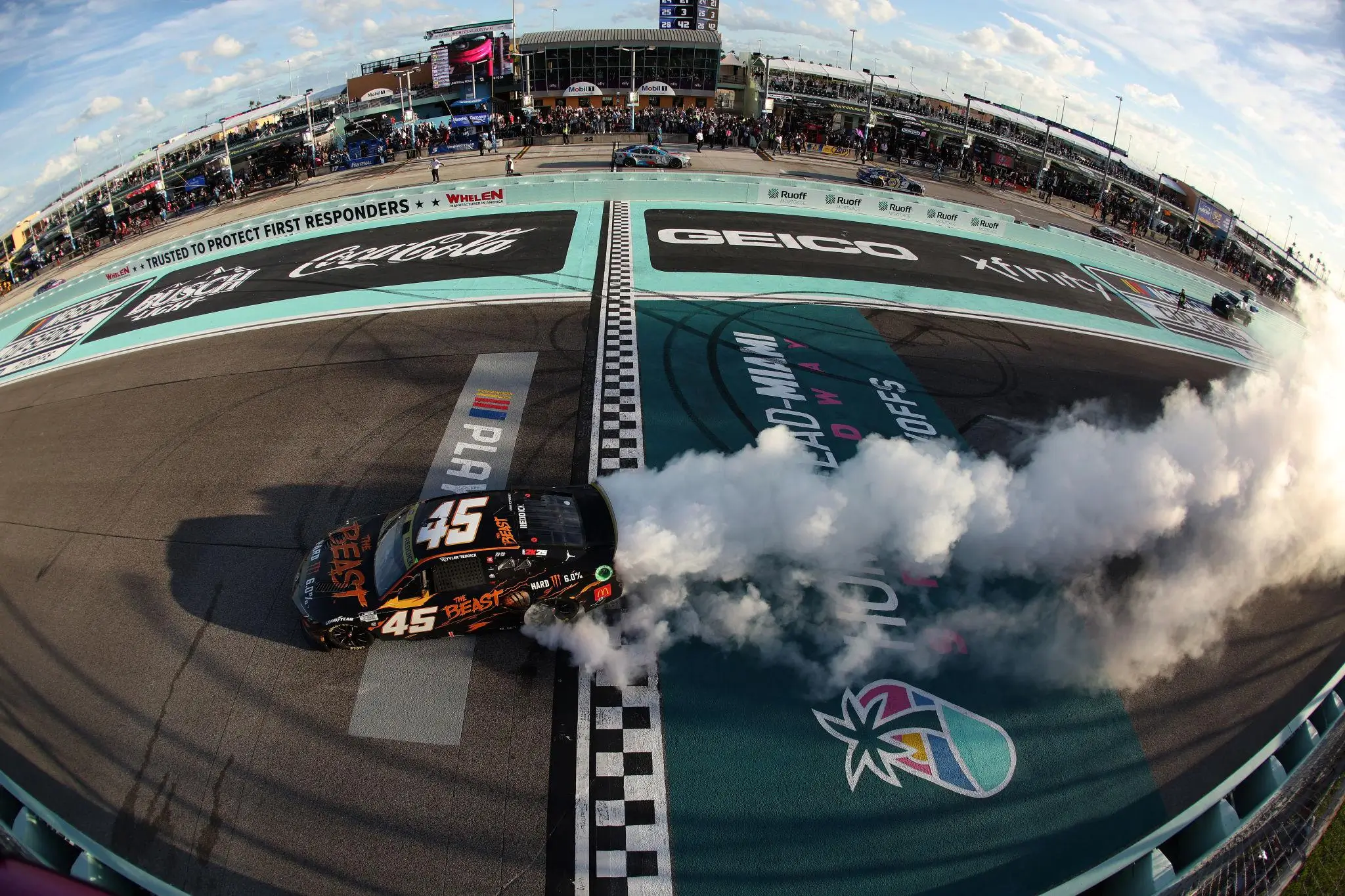
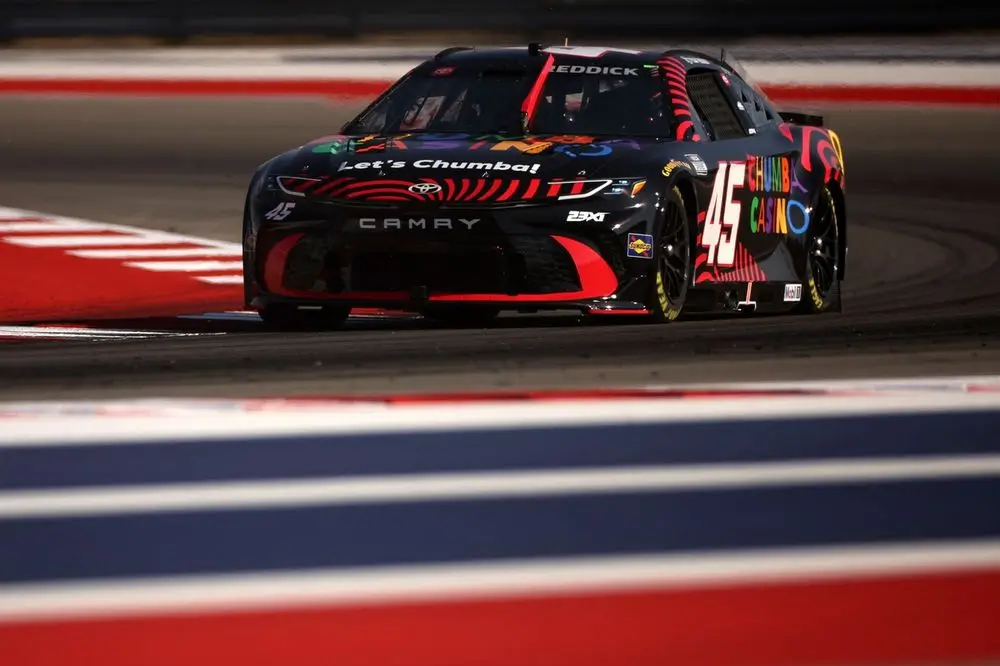
In a sport defined by attrition, mechanical unpredictability, and the razor-thin margins between glory and disaster, dominance rarely arrives without resistance. Yet in this imagined but plausible chapter of stock car history, Tyler Reddickhas rewritten the opening script of a NASCAR season, becoming the first driver to win the first three races of a campaign.
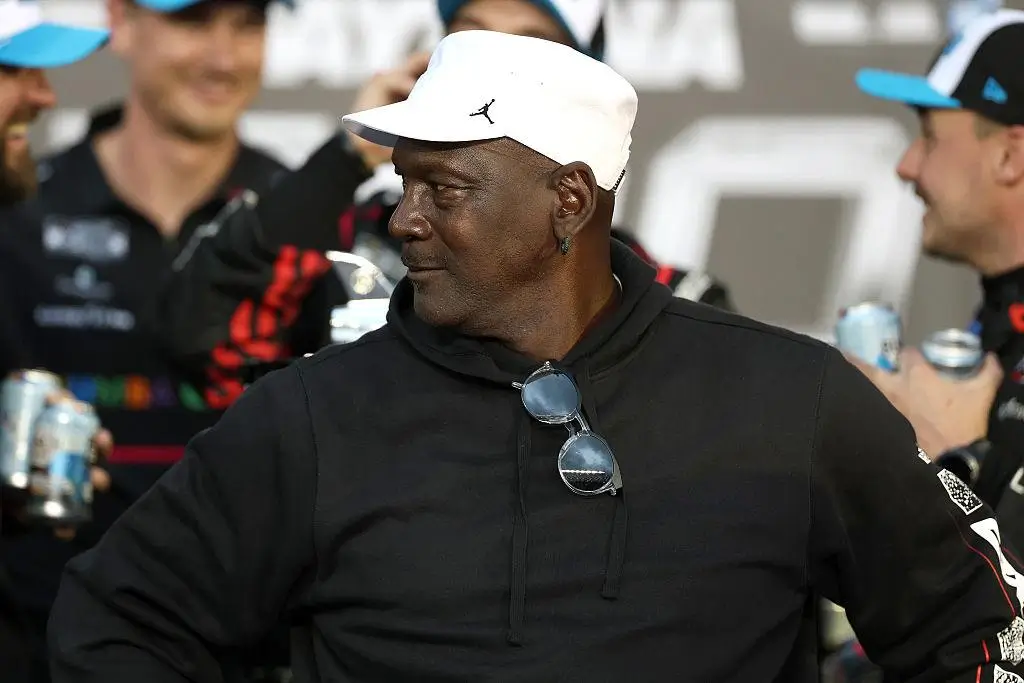
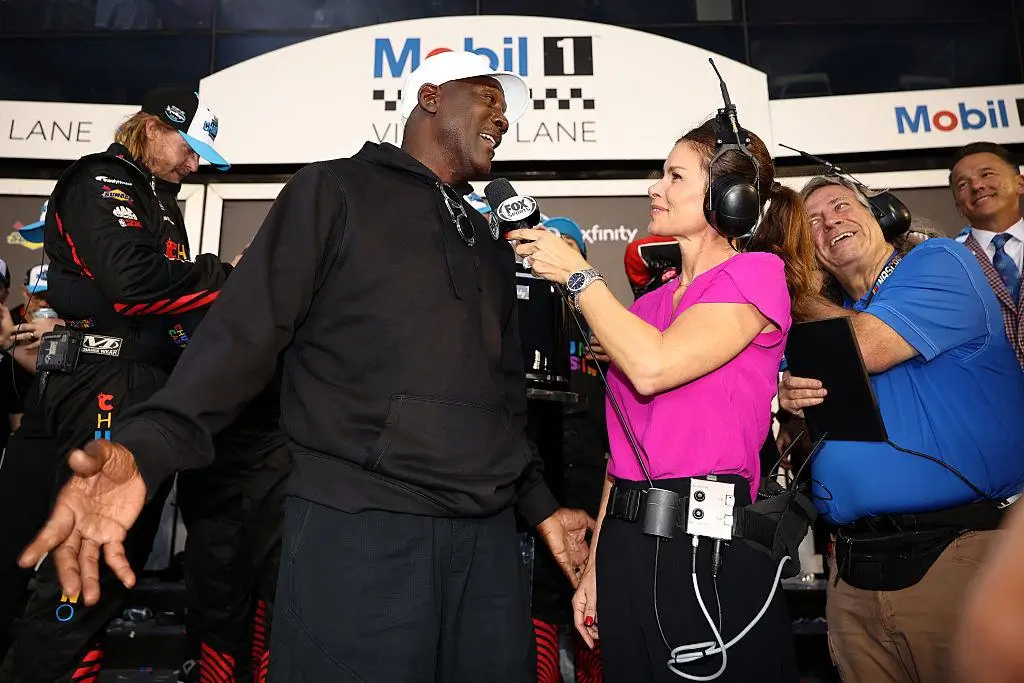
The feat would be historic in any context. But that it comes under the ownership banner of Michael Jordan, through the rising competitive force of 23XI Racing, adds a deeper cultural dimension. It is not merely a streak. It is a statement about ambition, precision, and the architecture of excellence.
View this post on Instagram
hx
NASCAR’s opening trio of races typically functions as calibration. Teams experiment with setups. Drivers find rhythm. Engineers collect data. Championships are rarely won in February—but they can begin to be lost there.
Reddick’s three-race sweep upends that logic. Superspeedway chaos, intermediate track finesse, and short-track aggression demand different skill sets. To conquer all three consecutively is to demonstrate a completeness of craft that few drivers achieve even over a full season.
In the first race, he navigated pack racing with surgical patience. The second required throttle modulation and tire conservation over long green-flag runs. The third? A physical, elbows-out contest that demanded composure in late-race restarts.
Three tracks. Three styles. Three wins.
The common denominator was not circumstance. It was control.
philosophy
When Michael Jordan entered NASCAR ownership, skepticism trailed him. Basketball royalty stepping into the garage area? To purists, it felt like celebrity tourism. To Jordan, it was unfinished business.
Jordan’s competitive mythology—six championships, undefeated Finals record, relentless mentality—was not meant to decorate a team logo. It was meant to be operational. At 23XI Racing, competition is infrastructure.
Jordan’s presence is less about public spectacle and more about internal standards. Drivers are expected to perform. Engineers are expected to innovate. There is no tolerance for mediocrity disguised as process.
Reddick’s three-race start embodies that ethos. It mirrors Jordan’s belief that momentum is not accidental—it is manufactured through preparation.
This is the Jordan blueprint translated from hardwood to asphalt.
tech
Long before this hypothetical streak, Reddick had built a reputation as a driver capable of threading chaos with precision. He is aggressive but rarely reckless. Analytical but instinctive. Comfortable in traffic yet composed when leading.
What separates Reddick in this imagined three-win surge is not speed alone. It is adaptability.
On superspeedways, he reads air like a chessboard. In intermediate races, he manipulates lines to conserve tires without sacrificing position. On short tracks, he times contact and avoids escalation.
The modern NASCAR vehicle demands versatility. Reddick’s sweep suggests mastery.
stir
Behind every triumphant driver is a silent symphony of telemetry. Modern NASCAR competition is as much about simulation models and wind tunnel refinement as it is about steering inputs.
23XI Racing’s technical evolution has been steady, but this start implies a breakthrough. Setup balance across radically different track profiles indicates cohesive communication between driver and engineering staff.
Reddick’s feedback loop is reportedly among the most detailed in the garage. He articulates front-end grip fluctuations, mid-corner instability, and throttle response nuances with clarity that accelerates adjustments.
Winning three consecutive races would not merely be a testament to talent. It would signify system alignment.
compare
NASCAR’s current competitive structure is designed to encourage parity. Spec components, standardized chassis elements, and aerodynamic regulations aim to compress performance gaps.
To win three straight races under such regulation is statistically defiant. It disrupts the league’s equilibrium.
If this run were to occur, competitors would scramble for explanations. Is it strategy? Setup innovation? Pit crew precision? Psychological momentum?
In truth, dominance often emerges from the convergence of incremental advantages. The margins remain small. The outcome feels seismic.
flow
Jordan’s involvement in NASCAR extends beyond performance metrics. It reframes who participates in the sport’s narrative.
By investing in 23XI Racing, Jordan signaled that stock car racing could expand its cultural footprint. His global brand introduces new audiences, new demographics, and new commercial potential.
A historic three-race sweep amplifies that crossover appeal. Suddenly, highlight reels circulate beyond motorsport channels. Sports media, business publications, and cultural commentators engage.
Jordan does not just own a team. He curates relevance.
idea
A three-race streak is both armor and target.
Momentum builds confidence. But it also sharpens competitors’ focus. Rivals dissect pit stop footage. They scrutinize tire strategy. They simulate alternative outcomes.
Pressure intensifies with every checkered flag. Can Reddick extend the run? Will mechanical misfortune intervene? Can competitors disrupt rhythm?
Sustained dominance in NASCAR demands emotional stamina. The psychological toll of expectation rivals the physical grind.
Jordan, perhaps uniquely, understands this territory.
choreo
Victories rarely hinge solely on driving brilliance. Pit road execution—measured in tenths of seconds—often defines outcomes.
If Reddick secured three consecutive wins, his pit crew’s performance would be essential. Clean tire changes. Flawless fueling. Error-free entry and exit.
Pit stops are NASCAR’s hidden theater. The choreography requires trust and repetition. A single loose lug nut can unravel supremacy.
Three wins imply operational excellence in the smallest details.
fwd
Historically, NASCAR seasons begin with volatility. Even legends like Richard Petty, Dale Earnhardt, and Jeff Gordon navigated uneven openings.
To imagine Reddick as the first driver to sweep the first three races redefines what is possible in the sport’s modern era.
Records are not merely statistics. They are psychological monuments. They alter how competitors approach future seasons.
Once a barrier is broken, its mystique dissolves.
show
Success in NASCAR carries commercial implications. Sponsorship value escalates. Merchandise sales surge. Broadcast visibility expands.
For 23XI Racing, a three-race streak would fortify brand equity. It would validate Jordan’s investment thesis: that competitive credibility drives cultural relevance.
Corporate partners gravitate toward momentum. Dominance attracts alignment.
In motorsport economics, speed is currency.
rival
Dominance provokes reaction. Established powerhouses recalibrate. Strategy chiefs convene late-night meetings. Wind tunnel hours extend.
A streak disrupts comfort. It forces adaptation.
Competitors would likely examine Reddick’s restart techniques, line selection, and tire management patterns. Every micro-advantage becomes a target.
This is the ecosystem of elite sport: progress triggers counter-progress.
tone
While championships are marathons, early momentum can shape trajectory.
Three consecutive wins generate playoff points, strategic flexibility, and psychological leverage. Even if the streak eventually ends, its imprint remains.
Reddick would carry an aura into subsequent races. Competitors would race not only against his car, but against his precedent.
Confidence compounds.
mode
NASCAR’s evolution over the past decade reflects broader shifts in American sport: technological sophistication, demographic expansion, and commercial rebranding.
A driver under Jordan’s ownership achieving unprecedented early-season dominance symbolizes convergence—tradition meeting transformation.
It challenges assumptions about who leads the sport’s next era.
appeal
Inevitably, conversation would turn toward the next event. Can the streak reach four?
History suggests regression. Probability resists perfection. Mechanical variables lurk.
But dominance changes perception. What once seemed improbable becomes anticipated.
The fourth race becomes theater.
sum
In this imagined but deeply plausible scenario, Tyler Reddick’s three consecutive victories are not isolated triumphs. They are the convergence of preparation, philosophy, and performance.
They reflect Jordan’s enduring competitive DNA translated into motorsport.
They reveal a driver entering prime command of craft.
They signal a team whose ambition has matured into execution.
And they remind NASCAR that history remains vulnerable to reinvention.
Because sometimes, at the intersection of speed and belief, new dynasties begin not gradually—but in a sprint.



No comments yet.