ThinkBook Reimagined: Lenovo’s Lightweight Dual-Screen Concept

March 3, 2026
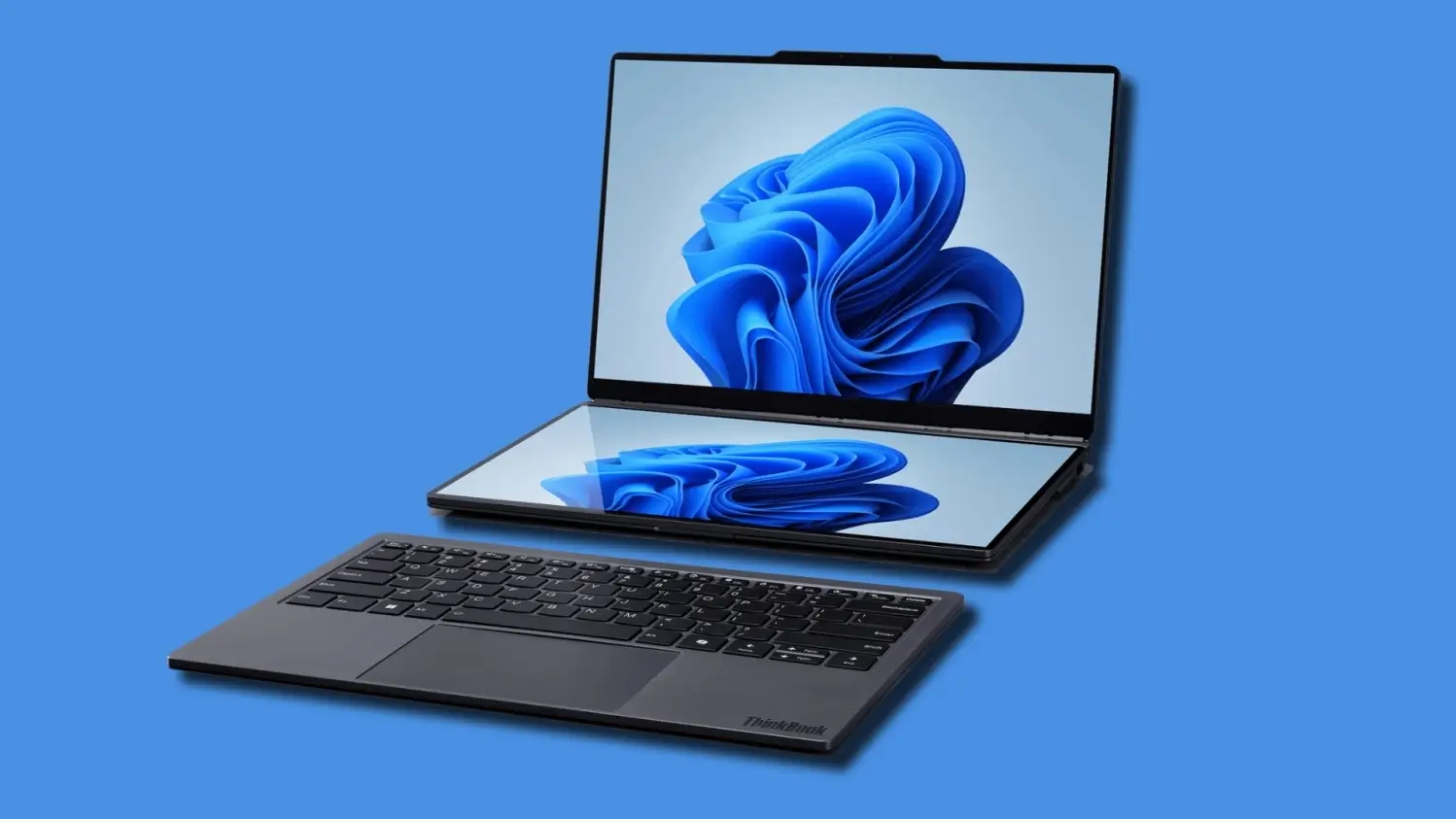
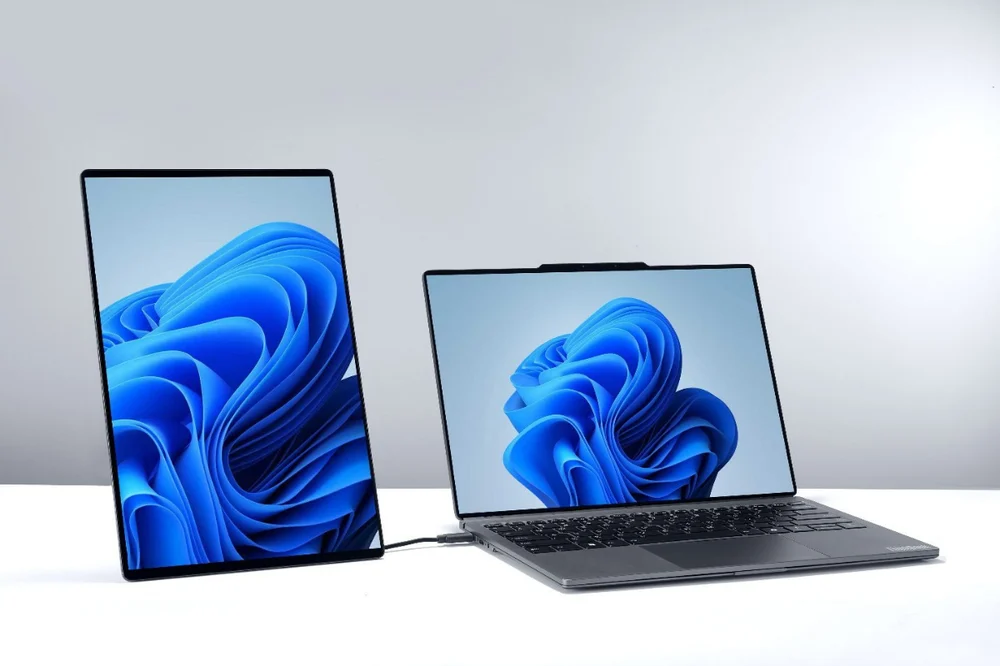
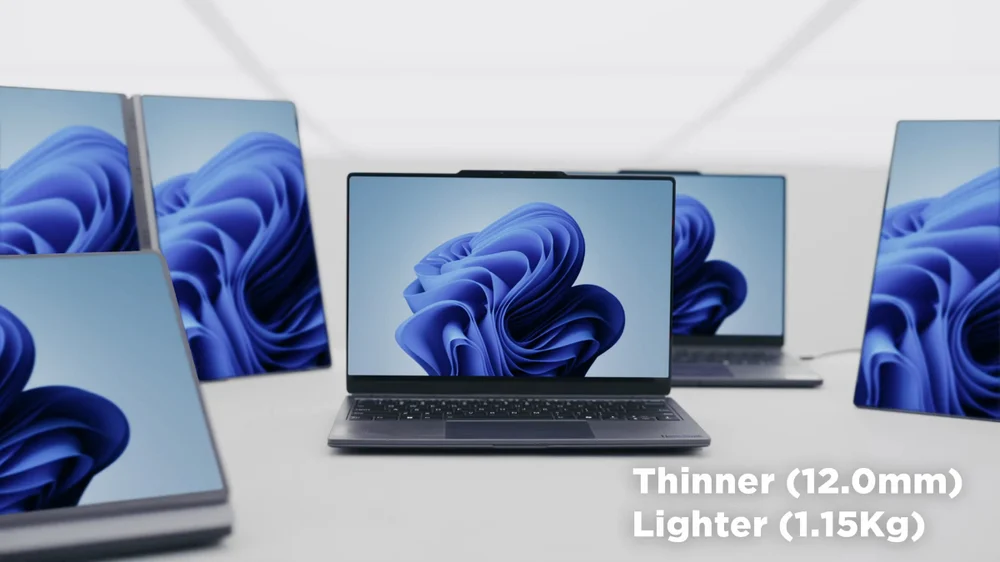
In an steer defined by incremental upgrades and predictable refresh cycles, Lenovo has decided to disrupt the script. The global technology giant has unveiled a snap-on modular laptop concept that reimagines what portability, personalization, and productivity can look like in 2026. At its core, the device is a sleek, performance-driven notebook. But its real innovation lies in a magnetic snap-on system that allows users to attach movable modules—including a detachable second screen—directly onto the chassis.
The result is a laptop that behaves less like a fixed machine and more like a living ecosystem.
This is not simply a gimmick. It is a pointed response to how we now work, create, travel, and multitask. The modern professional toggles between video calls, design dashboards, financial models, and social feeds. Gamers stream while chatting. Editors fact-check across tabs while formatting layouts. The modular Lenovo concept speaks directly to this fragmented workflow, offering physical adaptability instead of just digital windows.
Take a look inside the Lenovo booth at #MWC26 in Barcelona where we’re sharing our newest AI-powered innovations across devices, infrastructure, and solutions.
See all the latest announcements: https://t.co/OYwf35L2cI | #LenovoMWC pic.twitter.com/0GToGRsZNt
— Lenovo (@Lenovo) March 3, 2026
stir
For years, software has been modular. We download apps. We stack widgets. We customize dashboards. Hardware, meanwhile, has remained rigid. Even premium laptops—with their razor-thin builds and edge-to-edge displays—lock users into a single configuration.
Lenovo’s snap-on system challenges that rigidity. The laptop features a magnetic rail and alignment system along its rear panel and side edges. Users can attach various modules that integrate seamlessly with the machine’s power system and operating environment. No external cables. No clunky third-party brackets. Just a click, a soft magnetic snap, and instant recognition by the system.
The philosophy is simple: let the laptop adapt to the user—not the other way around.
flow
The hero module is undeniably the detachable second screen. Designed as a slim, lightweight display panel, it snaps onto the side or rear of the laptop. When attached, it extends the workspace instantly, offering a dual-screen experience without the need for an external monitor.
This feature alone shifts the portability conversation. Traditionally, a multi-monitor setup meant sacrificing mobility. You were tethered to a desk, dock, or home office station. Lenovo’s solution allows digital nomads, editors, traders, and developers to carry their second screen in the same bag as their laptop.
In practice, the second screen can function as:
• A vertical coding window
• A live reference panel for designers
• A chat and streaming monitor for creators
• A spreadsheet or analytics side panel
• A digital notebook for handwritten input
The display is designed to auto-rotate depending on orientation, and early concept demonstrations suggest that brightness, color calibration, and refresh rate are matched to the main screen for a seamless visual experience.
In a remote-work world, that matters.
show
The second screen may be the headline, but Lenovo’s modular ecosystem goes further. The concept includes additional snap-on modules such as:
• A detachable webcam module with enhanced optics
• A secondary battery pack for extended travel
• A compact speaker bar for improved audio
• A privacy module with physical shutter enhancements
• AI-powered assistant modules
Each component is engineered to communicate directly with the motherboard via pogo-pin-style connectors embedded within the magnetic rails. The design eliminates the need for traditional USB dongles—arguably one of the least elegant aspects of modern computing.
For professionals who live in airports, cafés, and coworking spaces, the ability to pack only the modules needed for the day’s workflow could redefine travel setups.
style
From a design standpoint, Lenovo has leaned into minimalism. The base laptop remains thin and understated. The snap-on rails are nearly invisible, integrated flush with the chassis.
This approach avoids the bulky, Frankenstein-like appearance that often plagues modular concepts. Instead, the design language feels deliberate—almost architectural. Modules appear as extensions rather than attachments.
Lenovo has long demonstrated industrial design fluency across its premium product lines, and this modular concept builds on that legacy. The form is clean. The lines are sharp. The system looks intentional, not experimental.
now
The timing is not accidental. The computing landscape has shifted dramatically over the past five years. Hybrid work has blurred the lines between office and home. Content creation is no longer niche; it is mainstream. And consumers increasingly expect devices to evolve alongside their lifestyles.
Meanwhile, sustainability pressures are mounting. Modular hardware could theoretically reduce electronic waste by allowing users to upgrade components rather than replace entire machines. If Lenovo chooses to develop this ecosystem further, future modules might include upgraded GPUs, storage expansions, or advanced camera systems—extending device longevity.
The snap-on concept aligns with a broader industry conversation about adaptability and sustainability.
strat
While the modular design draws the most attention, Lenovo has emphasized that the base laptop remains performance-focused. Early specifications point toward high-efficiency processors, advanced cooling systems, and robust battery management.
The integration challenge lies in power distribution. Each snap-on module must draw energy without compromising overall performance. Lenovo’s engineering team appears to have developed a dynamic power allocation system that prioritizes critical tasks while managing module load.
In simpler terms: the second screen will not drain your battery disproportionately, and the auxiliary battery module can compensate when needed.
This intelligent power choreography is essential. Without it, modular hardware risks becoming impractical.
fwd
The laptop market has become increasingly saturated. Brands compete on thinner bezels, lighter builds, marginally faster processors. Innovation has been evolutionary rather than revolutionary.
Lenovo’s snap-on concept feels closer to a category shift.
Historically, modular computing experiments have struggled to gain mainstream traction. But user behavior has evolved. The rise of creators, developers, and multitaskers creates a natural demand for adaptable hardware.
If executed well, Lenovo could carve out a new premium niche: the customizable professional laptop.
use
Consider a video editor working on-site. They attach the second screen for timeline management. Snap on a battery module for extended power. Add an enhanced webcam for remote collaboration.
Or a finance professional analyzing live data feeds in transit. The secondary display becomes a live ticker board.
Students, too, benefit. A second screen for research, a detachable camera for presentations, a speaker module for dorm-room streaming sessions.
The modular ecosystem supports dynamic lifestyles rather than static desks.
challenge
Of course, modular systems face hurdles. Durability is paramount. Magnetic connectors must withstand repeated attachment cycles. Software integration must remain seamless. Modules must remain lightweight enough to justify portability.
Pricing also matters. If modules are prohibitively expensive, adoption will stall.
Lenovo’s success will depend on balancing innovation with practicality.
culture
Beyond functionality, there is something culturally resonant about this concept. We live in an age of personalization—custom sneakers, custom playlists, custom feeds. Hardware customization feels like the next frontier.
A modular laptop reflects the gig economy’s fluidity. It mirrors how creative professionals build toolkits rather than static offices.
In that sense, Lenovo’s snap-on laptop is more than hardware. It is a design philosophy rooted in adaptability.
sustainable
The current modules hint at broader possibilities. Imagine:
• A drawing tablet module for illustrators
• A gaming performance dock with enhanced cooling
• A biometric security module for enterprise use
• A solar-charging attachment for outdoor workers
If Lenovo commits to the ecosystem long-term, third-party developers could eventually participate, creating a marketplace of modules.
That would truly shift the laptop from product to platform.
impression
Lenovo’s snap-on laptop featuring movable modules and a second screen represents one of the boldest reimaginings of portable computing in recent memory. It addresses real-world workflows, acknowledges sustainability concerns, and offers tangible flexibility rather than cosmetic upgrades.
Whether this concept becomes a commercial reality remains to be seen. But the message is clear: the future of laptops may not be thinner or lighter alone—it may be more adaptable.
In a tech landscape crowded with incremental changes, Lenovo has delivered something rare: an idea that feels genuinely new.
And in 2026, that might be the most powerful innovation of all.



No comments yet.