
A Game of Thrones Movie Is in Development, Because While You May Have Quit Westeros, Westeros Has Not Quit You

March 4, 2026
a return
Nearly seven years after the final episode of Game of Thrones aired in 2019, the world of Westeros continues to refuse extinction. Now, reports circulating across Hollywood suggest that a feature film set in the universe of George R. R. Martin’s fantasy saga is officially in development. The announcement feels less like a revival and more like an inevitability. After all, franchises rarely die anymore. They simply mutate.
For audiences who once spent Sunday nights debating prophecy, lineage, and the fate of the Iron Throne, the news lands with a strange familiarity. Many viewers emotionally “quit” Westeros after the divisive final season, but the franchise never truly disappeared. Instead, it quietly expanded through spinoffs, prequels, novels, and streaming dominance. A movie now represents the next logical escalation: the transformation of television’s most ambitious fantasy epic into a theatrical spectacle.
The irony is unmistakable. Fans may have left Westeros behind, but Westeros never left the cultural bloodstream.
the leg
The origin of all this cinematic momentum traces back to George R. R. Martin and his monumental book series, A Song of Ice and Fire. When the television adaptation premiered in 2011, few predicted how dramatically it would reshape the entertainment industry. At the time, large-scale fantasy belonged primarily to cinema—dominated by franchises like The Lord of the Rings.
Yet the television adaptation proved that serialized storytelling could sustain a world of extraordinary complexity. Noble houses, ancient prophecies, and sprawling political intrigue unfolded over eight seasons, culminating in one of the most watched television finales in history.
For nearly a decade, the series delivered something rare: appointment television on a global scale. Every episode became a cultural event. Social media erupted with theories, predictions, and debates about which character would die next.
But the ending fractured the fan base. The final season accelerated storylines that had once unfolded with Shakespearean patience. Some viewers accepted the conclusion as inevitable tragedy; others felt the narrative rushed past the depth that once defined the show.
Regardless of perspective, the franchise remained enormous.
why
The decision to explore a theatrical film reflects a broader transformation in entertainment economics. Studios increasingly rely on existing intellectual property with massive built-in audiences. Westeros is precisely that.
For executives at Warner Bros. Discovery and the network that first launched the series, HBO, a film represents both risk and opportunity.
Streaming television allowed the world to expand slowly across seasons. A film, however, compresses that storytelling into a single epic event—one that could reach both longtime fans and new audiences.
There are several strategic reasons the idea is appealing.
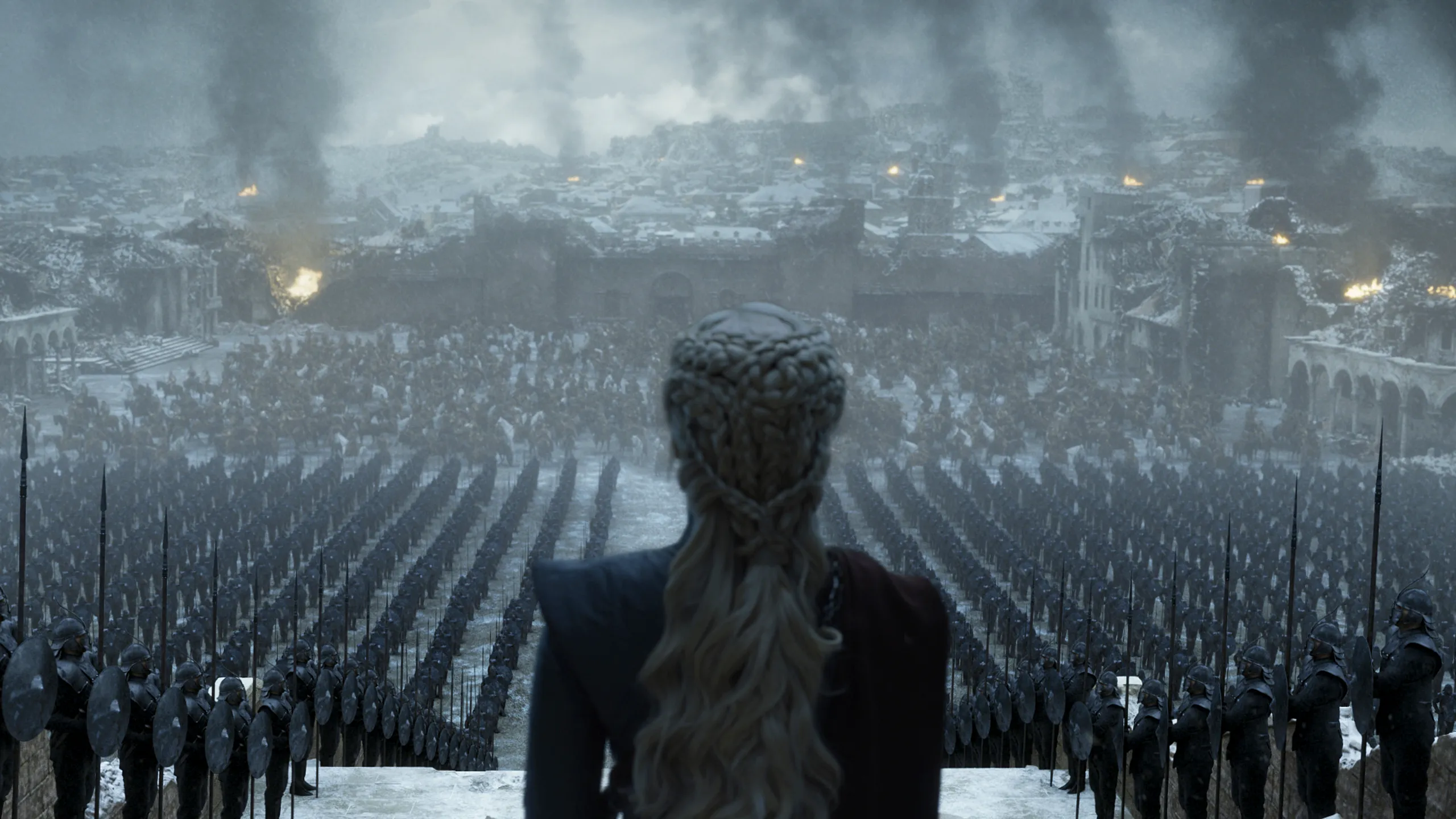
First, the visual scale of Westeros has always been cinematic. Battles like the “Battle of the Bastards” already resembled blockbuster war films. Dragons filled the sky, armies clashed across burning fields, and entire cities collapsed beneath firestorms. Moving that scale onto a theater screen would amplify the spectacle dramatically.
Second, theatrical releases create cultural moments in ways streaming rarely does. A movie premiere becomes a global conversation, generating publicity, merchandise, and renewed interest in the broader franchise.
Finally, there is the simple truth of franchise longevity. The universe of Westeros is so expansive that one film could be only the beginning of a new cinematic cycle.
backdrop
Any attempt to revisit Westeros inevitably carries the weight of the original finale. The conclusion of Game of Thrones in 2019 sparked one of the most intense fan debates in modern television history.
Some viewers criticized the rapid resolution of story arcs that had taken years to develop. Others felt the tragedy of certain characters was thematically consistent with the brutal realism that defined the series.
For filmmakers, the challenge is delicate. A movie must acknowledge the television legacy without becoming trapped by it.
There are several possible approaches.
The film could revisit familiar characters, exploring events after the finale. Alternatively, it might focus on an entirely new story set elsewhere in the world. Westeros itself is only one continent in a massive fictional universe.
Either direction would allow the narrative to evolve without rewriting the past.
stir
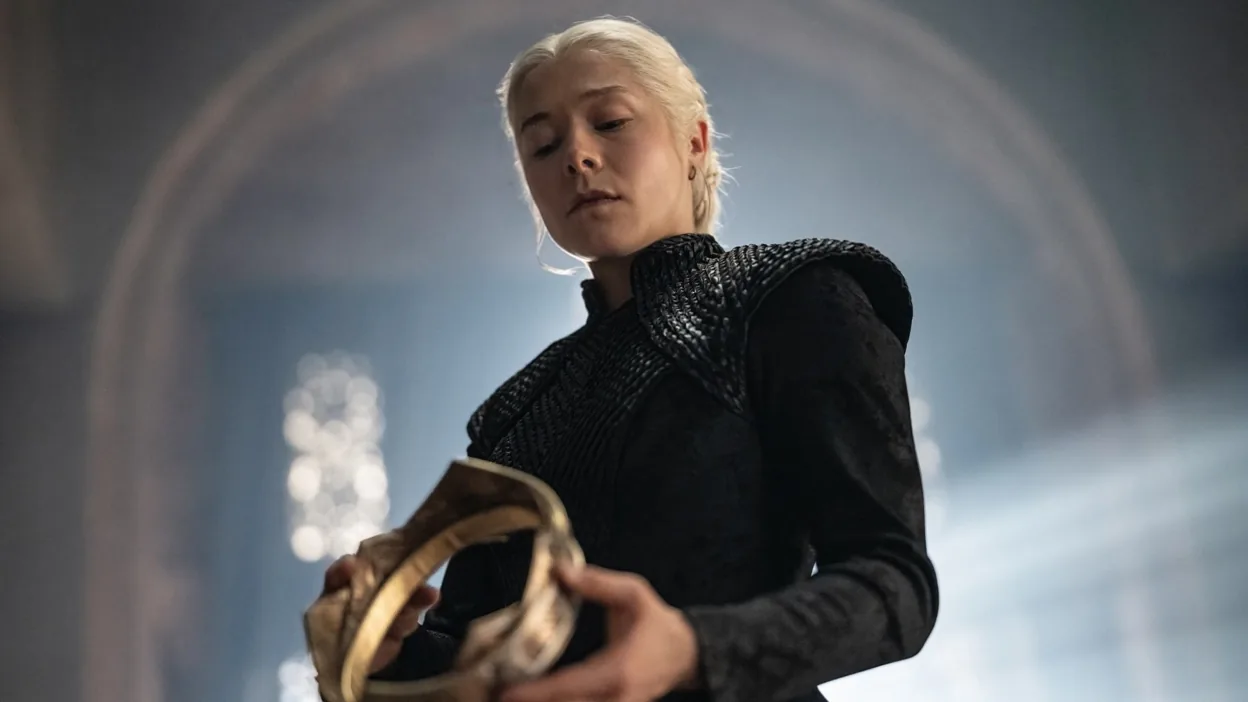
The continued vitality of the franchise became undeniable when the prequel series House of the Dragon premiered in 2022.
Set nearly two centuries before the original show, the series chronicles the internal conflicts of House Targaryen. The show proved that audiences still cared deeply about the mythology of Westeros.
Its success was crucial. Without it, the idea of a film might have seemed premature. Instead, the prequel demonstrated that the audience remained engaged—even eager—for more stories from the world Martin created.
Dragons, politics, betrayal, prophecy: the fundamental ingredients still worked.
flow
A theatrical film also offers creative opportunities that television sometimes struggles to deliver.
Television storytelling thrives on character development and slow narrative tension. Cinema, by contrast, excels at singular moments of awe.
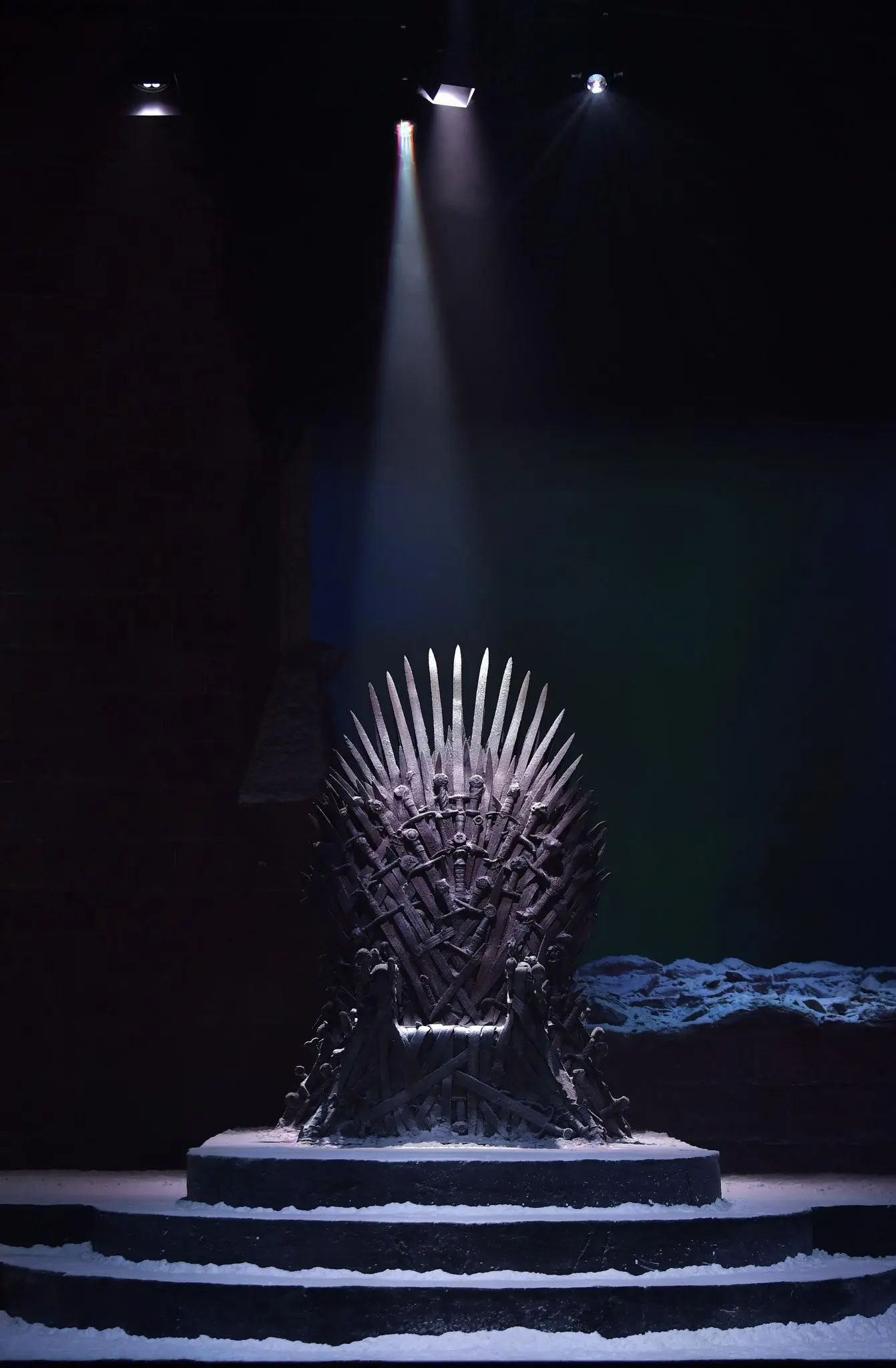
Imagine the fall of a city rendered with the scale of a modern fantasy blockbuster. Imagine a dragon battle filmed with the immersive spectacle of contemporary visual effects. Imagine the Iron Throne itself towering on a massive cinema screen.
The mythology of Westeros contains countless events that could anchor a feature film.
Ancient wars between humans and supernatural forces. Legendary kings whose stories exist only in whispers. Lost civilizations across distant continents.
The world is so large that the television series barely scratched the surface.
r. r. martin
One persistent element hovering over any new adaptation is the unfinished state of Martin’s original book series.
Fans continue to wait for the long-anticipated novel The Winds of Winter, which has remained in development for years. The final planned book, A Dream of Spring, has yet to be completed.
This unusual situation means that the cinematic future of Westeros could diverge even further from its literary origins. The television series already moved beyond the published material during its final seasons.
A film would push that divergence even further, transforming the universe into something closer to modern myth—where multiple interpretations coexist simultaneously.
show
The move toward a film also reflects a broader transformation in how stories are told across media.
Franchises now exist as interconnected ecosystems rather than singular narratives. Television, film, novels, video games, and merchandise all contribute to a unified cultural presence.
In this sense, Westeros increasingly resembles other sprawling fictional universes. Each new project becomes a portal into a different corner of the world.
A film would simply represent another gateway.
For audiences who once memorized the sigils of noble houses and traced the shifting alliances of Westerosi politics, returning to that universe may feel strangely comforting.
symbol
The Iron Throne itself remains one of the most iconic symbols in modern fantasy. Forged from the melted swords of defeated enemies, it represents power won through violence and ambition.
That symbolism helped define the series’ central theme: power is never stable.
Kings fall. Alliances crumble. Heroes reveal hidden darkness. Villains occasionally prove sympathetic.
This moral ambiguity distinguished Game of Thrones from traditional fantasy stories. Characters rarely fit neatly into categories of good and evil. Instead, they navigated a brutal political landscape where survival often required compromise.
A film would likely preserve that complexity. Without it, the story would lose the sharp edge that made the original series unforgettable.
challenge
Adapting Westeros for cinema also presents a technical challenge.
The television series was famous for its enormous production scale. Massive battle sequences required months of preparation, elaborate stunt choreography, and extensive visual effects.
A movie would likely push that ambition even further. Modern fantasy blockbusters demand immersive worlds, intricate creature design, and expansive landscapes.
Yet technology has advanced dramatically since the early seasons of the show. Digital environments, motion capture, and volumetric filmmaking techniques now allow filmmakers to create worlds of unprecedented detail.
In other words, the cinematic technology finally exists to fully realize Westeros on the big screen.
emotive
Beyond spectacle and economics, there is another reason the idea of a film resonates: nostalgia.
For nearly a decade, the characters of Westeros became companions to millions of viewers. Fans watched them grow, betray each other, and confront impossible choices.
Returning to that world—even briefly—offers a chance to reconnect with a cultural moment that defined the 2010s.
The same phenomenon drives many modern revivals. Audiences revisit familiar stories not because they expect something entirely new, but because those stories have become part of their personal history.
question
The central question remains whether audiences will return to theaters for another journey into Westeros.
On one hand, the franchise’s popularity remains enormous. On the other, some viewers still carry disappointment from the series finale.
Yet history suggests that time softens these divisions. Controversial endings often evolve into accepted chapters of a larger narrative.
A well-crafted film could reframe the franchise entirely, reminding audiences why they fell in love with the world in the first place.
fwd
Ultimately, the development of a movie signals something profound about the durability of fictional worlds.
Stories that capture the imagination rarely remain confined to their original form. They expand, mutate, and reappear across generations.
Westeros has already survived multiple transformations: novels, television, prequels, and now potentially cinema.
The Iron Throne may change hands countless times, but the world surrounding it endures.
sum
So yes, many viewers once said goodbye to Westeros. They watched the final episode, debated the outcome, and moved on to new shows.
But the truth is simpler.
The world of dragons, dynasties, and shifting loyalties never truly disappeared. It simply waited—quietly, patiently—for its next chapter.
And now that chapter may arrive on the largest screen of all.
Because in the end, one lesson of Game of Thrones remains undeniable:
You may quit Westeros.
But Westeros never quits you.



No comments yet.


