Review: Issey Miyake Eyes UROKO Sunglasses Inspired by Shoji Kamoda

March 5, 2026

a new
The world of eyewear design is constantly evolving, but few brands challenge conventional structures with the same level of artistic ambition as Issey Miyake. Known globally for pushing the boundaries of clothing, materials, and industrial design, the Japanese fashion house has long viewed accessories not simply as fashion pieces but as experimental design objects.
Its eyewear line, Issey Miyake Eyes, continues that philosophy with the introduction of UROKO, a striking pair of sunglasses that abandons traditional optical construction in favor of a sculptural, multi-lens structure inspired by the ceramics of renowned Japanese potter Shoji Kamoda.
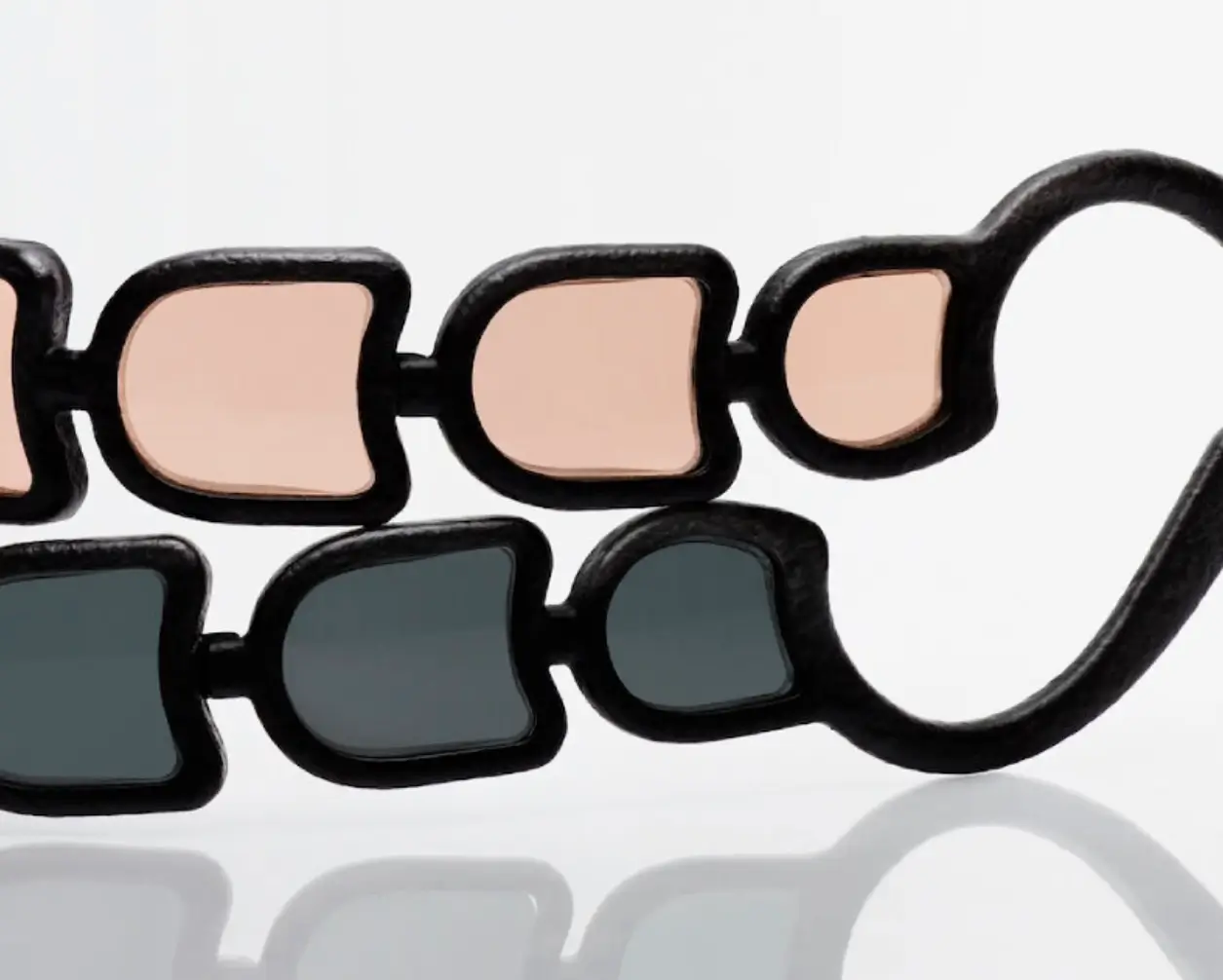
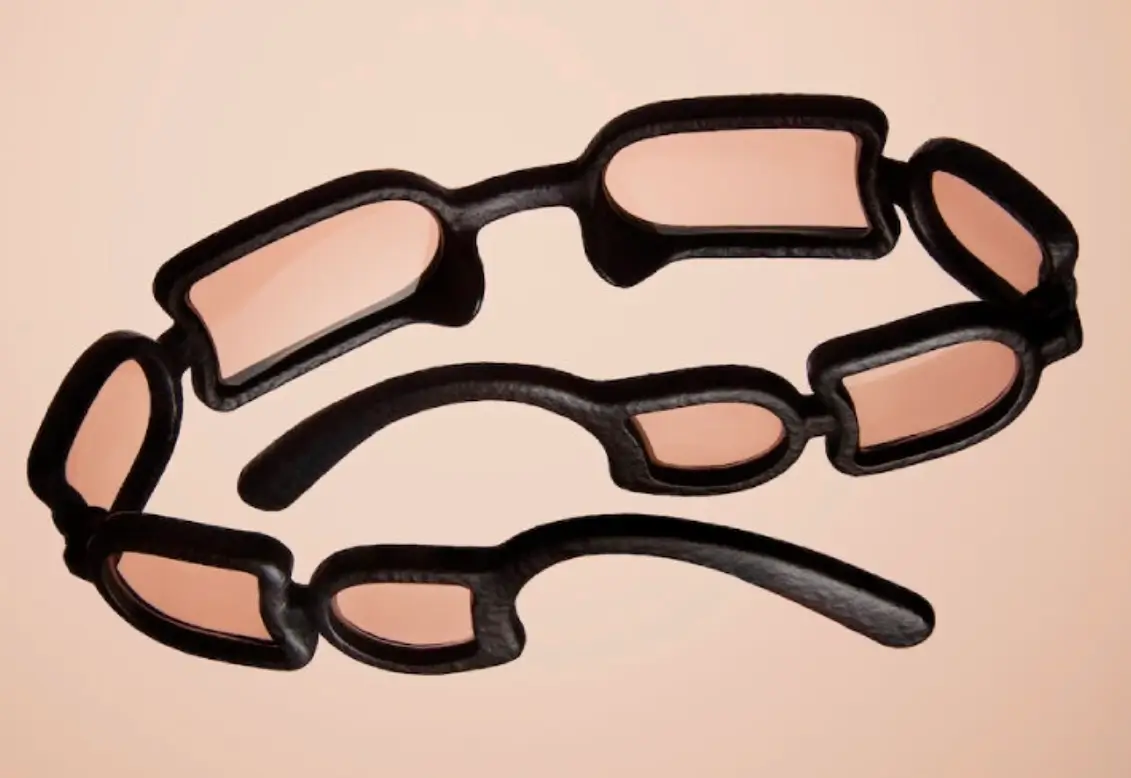
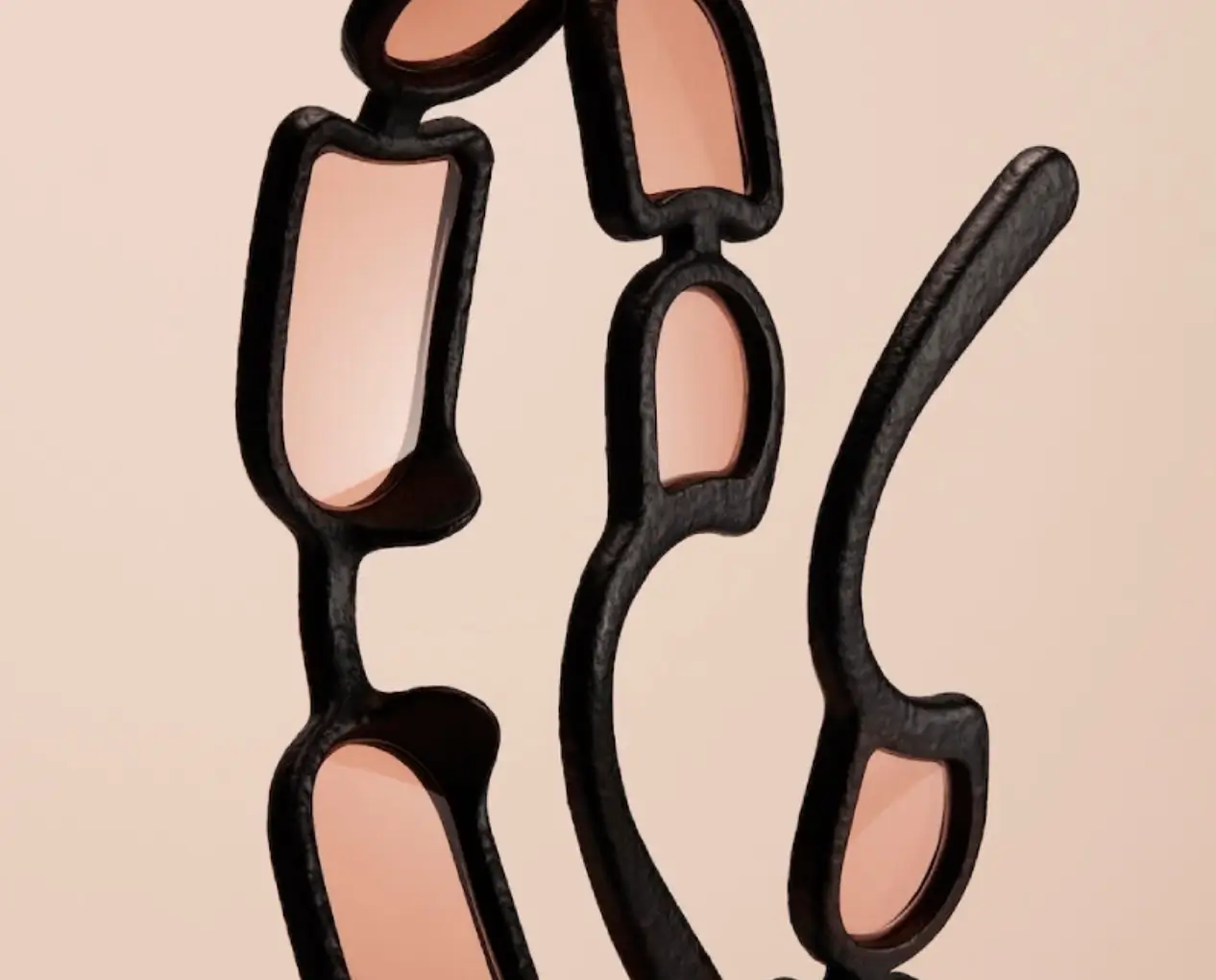
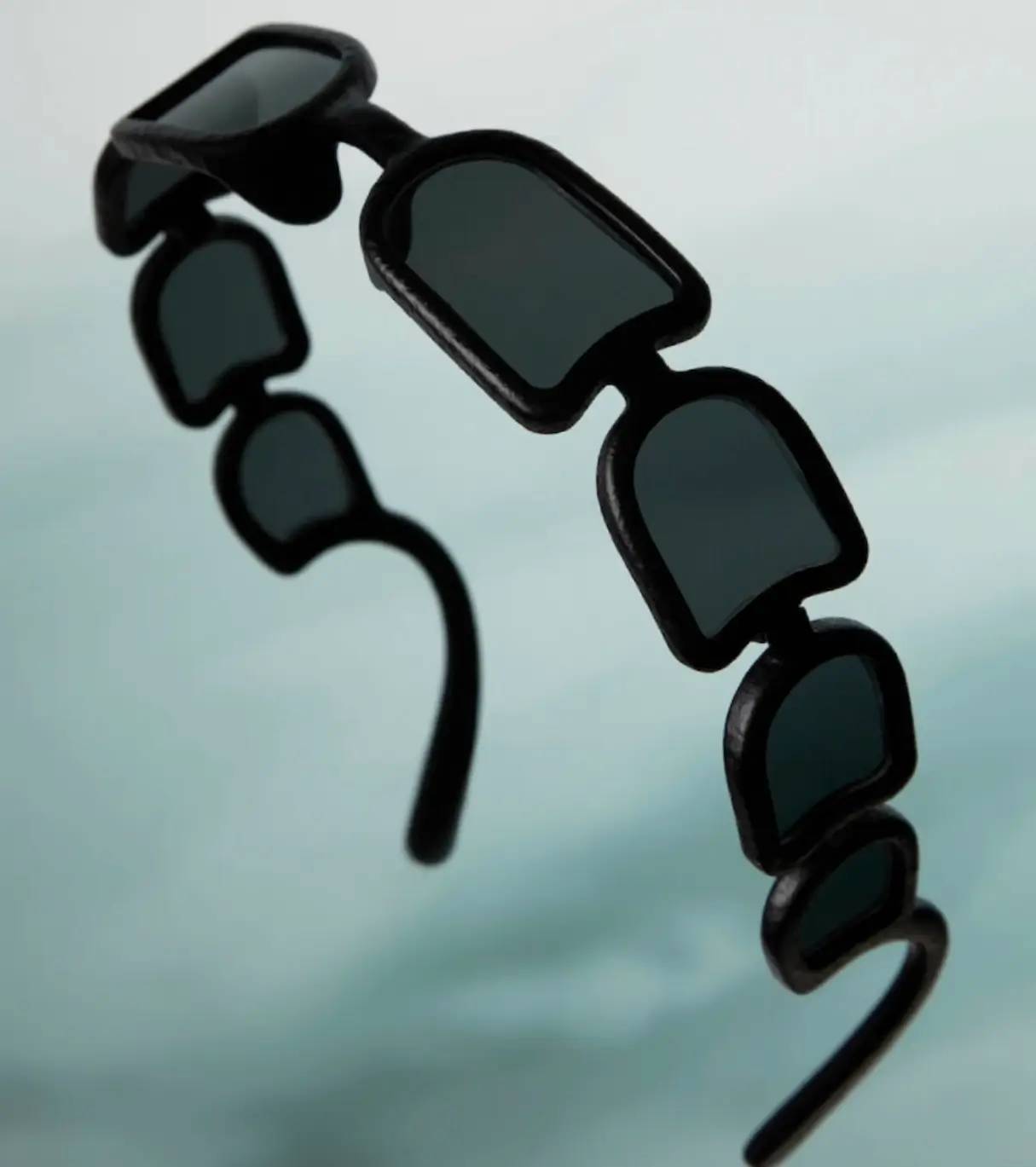
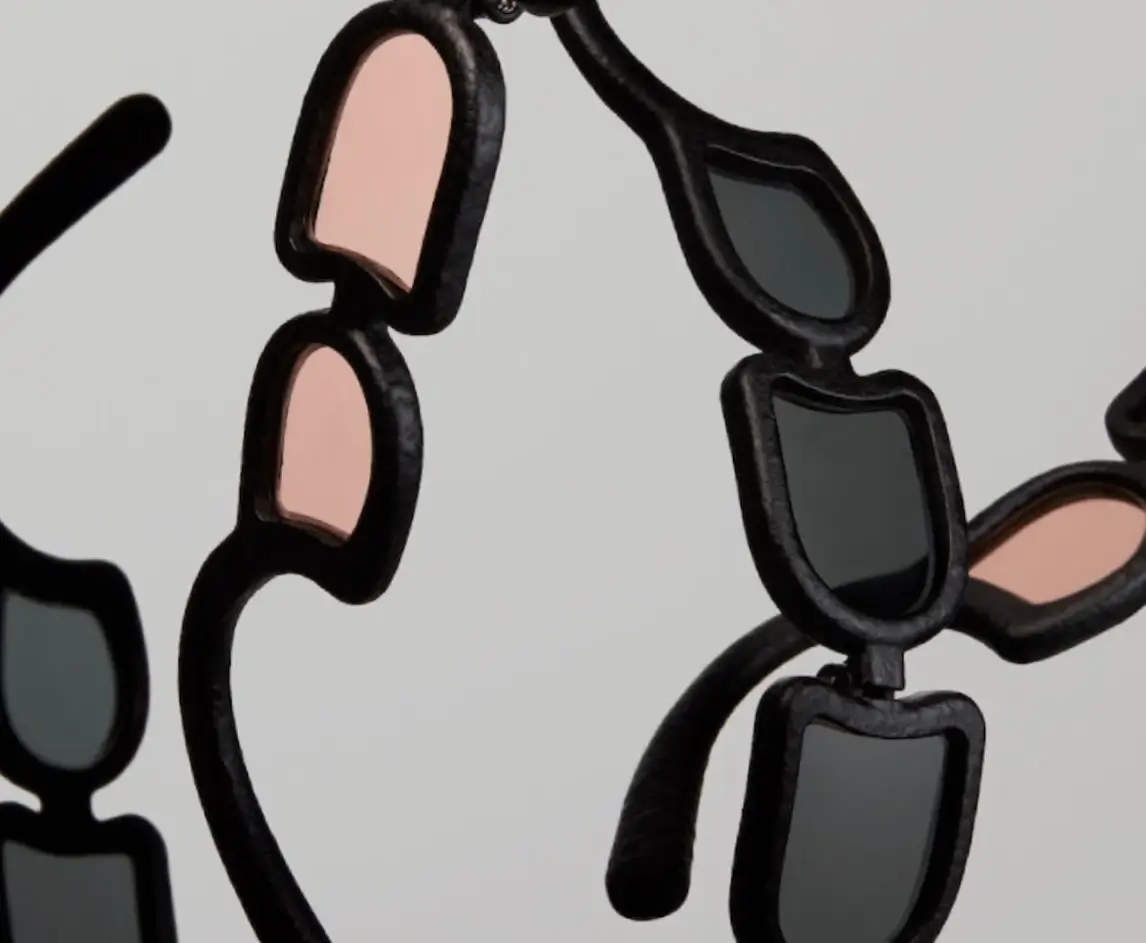
At first glance, the UROKO sunglasses appear almost impossible. Instead of relying on a single flat lens on each side of the frame—a design that has dominated eyewear manufacturing for more than a century—the glasses employ eight concave lenses, arranged in rows of four per side. The result is a radical reinterpretation of how eyewear can function visually, structurally, and aesthetically.
In this design, optical engineering meets sculpture.
View this post on Instagram
influ
To understand the philosophy behind UROKO, one must first consider the artistic legacy of Shoji Kamoda. Kamoda, one of Japan’s most celebrated ceramic artists of the 20th century, became known for his distinctive vessels characterized by rhythmic patterns, repetitive forms, and textured surfaces that echoed traditional Japanese craft while embracing modern design principles.
His work often featured repeating shapes that created visual harmony through structure and pattern rather than through ornamentation alone. These motifs sometimes resembled scales, tiles, or layered elements that interacted with light and shadow across the surface of the ceramic piece.
The name “UROKO,” meaning “scales” in Japanese, reflects this inspiration directly.
Just as Kamoda arranged repeating shapes across ceramic surfaces to create movement and rhythm, the eyewear interprets repetition through optical design. Instead of ceramic tiles, the repeating units are precision lenses.
The concept transforms eyewear into something closer to wearable architecture.
struct
Traditional sunglasses rely on large lenses that provide uninterrupted coverage across the wearer’s field of vision. UROKO challenges that expectation by fragmenting the optical surface into multiple concave segments.
Each side of the frame features four individual lenses, creating a total of eight lenses across the eyewear.
These lenses are arranged horizontally, forming a continuous visual line that follows the structure of the frame. Rather than appearing chaotic, the layout creates a rhythmic pattern reminiscent of Kamoda’s ceramic textures.
From a distance, the glasses may appear almost decorative—more like an art object or necklace than eyewear.
Only upon closer inspection does their true function become clear.
The lenses themselves are concave, meaning they curve inward rather than outward, an unusual characteristic for sunglasses. This design choice serves both aesthetic and structural purposes.
By shaping the lenses inward, the design allows them to sit tightly within the frame, enabling multiple optical components to exist within a compact structure.
Without this concave shaping, the lenses would protrude outward and require a much larger frame, compromising the elegance of the design.
craft
The complexity of the UROKO sunglasses would have been difficult—if not impossible—to produce through traditional eyewear manufacturing techniques. To achieve the intricate geometry required, the design incorporates 3D-printed components.
3D printing allows engineers and designers to precisely control the placement of each lens housing within the frame. The technology enables structural supports that hold the lenses in perfect alignment while maintaining the lightweight balance necessary for wearable comfort.
This process represents a broader shift within the design industry, where digital fabrication techniques are increasingly used to create objects that blend art and engineering.
For Issey Miyake, the use of advanced manufacturing methods is consistent with the brand’s history of experimentation. From pleated garments developed through innovative textile processes to accessories shaped through new industrial technologies, the brand has long embraced tools that expand the possibilities of design.
In the case of UROKO, digital fabrication makes possible a structure that appears almost organic—like a pattern emerging from nature.
stir
While the lenses themselves are the defining visual element of UROKO, the frame plays an equally important role.
The frame is designed not to hide the lenses but to celebrate their sequence. Each lens sits visibly within the structure, creating a clear rhythm across the surface of the eyewear.
This transparency of structure is intentional.
Instead of concealing the engineering behind the product, the design invites viewers to appreciate how each optical component contributes to the overall form.
In this sense, the frame behaves less like a traditional accessory and more like a structural framework, similar to the supporting skeleton of a building or sculpture.
The folding arms of the sunglasses integrate seamlessly into the structure, allowing the glasses to collapse into a compact form despite their complex appearance.
This balance between visual complexity and functional simplicity reflects the broader design ethos associated with Issey Miyake.
flow
One of the most fascinating aspects of UROKO is its ambiguous identity.
At first glance, the eyewear could easily be mistaken for a jewelry piece. The repeating lenses resemble decorative discs, and the overall silhouette evokes the layered patterns of a statement necklace.
Only upon closer inspection does the object reveal itself as eyewear.
This visual transformation speaks to a recurring theme in Japanese design: the idea that objects can shift between categories, blurring the boundaries between art, fashion, and utility.
By presenting eyewear as something that initially appears unfamiliar, UROKO challenges viewers to reconsider their expectations of wearable design.
It is both a pair of sunglasses and an artistic statement.
phil
Repetition has long been a defining element of Japanese visual culture.
From architectural patterns in traditional temples to textile designs and ceramic surfaces, repeating elements create rhythm and harmony within a composition.
In UROKO, repetition functions not merely as decoration but as a structural principle.
Each lens is identical in shape yet contributes to a larger visual pattern when arranged in sequence. The result is a design that feels balanced and deliberate, despite its unconventional construction.
This approach mirrors Shoji Kamoda’s ceramic works, where repeating patterns form the foundation of the object’s aesthetic identity.
In both cases, repetition becomes a tool for creating movement.
Light interacts with the lenses much as it would with ceramic scales or tiles, producing subtle reflections that change as the wearer moves.
evolve
Eyewear design has increasingly become a space for experimental fashion. Over the past two decades, designers have explored new materials, sculptural frames, and unconventional silhouettes that challenge the traditional role of sunglasses.
Within this context, UROKO represents a significant step forward.
Rather than merely altering the frame shape or introducing bold colors, the design fundamentally rethinks the optical surface itself.
By dividing vision across multiple lenses, the glasses introduce a fragmented visual field that subtly alters the wearer’s perception.
While the lenses function together to provide coverage, the segmented structure creates a unique optical experience that distinguishes the design from conventional sunglasses.
This concept aligns with the experimental ethos that has long defined Japanese fashion.
leg
Although Issey Miyake, the visionary founder of the brand, passed away in 2022, his influence continues to shape the design philosophy of the house that bears his name.
Miyake was renowned for his belief that fashion should merge technology, art, and human movement.
His work consistently pushed designers to explore new ways of shaping materials, whether through innovative pleating techniques or unconventional garment construction.
The UROKO sunglasses reflect this philosophy perfectly.
They embody the idea that accessories can be experimental objects, capable of transforming everyday items into design statements.
Rather than following established eyewear conventions, the design asks a simple question: what if sunglasses could be constructed differently?
The answer arrives in the form of eight concave lenses arranged like scales across a sculptural frame.
wear
In recent years, fashion consumers have increasingly embraced accessories that function as wearable art.
From architectural handbags to sculptural footwear, designers have explored ways to create objects that feel more like gallery pieces than traditional fashion products.
UROKO fits squarely within this movement.
The eyewear is not designed to blend quietly into an outfit. Instead, it invites attention and curiosity.
Observers may initially struggle to understand what they are looking at.
Is it jewelry? Is it sculpture?
Only after examining the piece closely do they realize it is a pair of sunglasses.
This moment of discovery is central to the design’s appeal.
fwd
One of the most powerful aspects of avant-garde fashion is its ability to start conversations.
UROKO accomplishes this effortlessly.
Its unusual structure immediately prompts questions about how it works, why it was designed this way, and what inspired its form.
For designers, such reactions represent success.
The glasses encourage viewers to engage with design on a deeper level, considering the relationship between function, aesthetics, and cultural inspiration.
In doing so, the piece becomes more than a fashion accessory.
It becomes a dialogue between craft tradition, technological innovation, and contemporary design thinking.
view
The introduction of UROKO suggests exciting possibilities for the future of eyewear.
As manufacturing technologies such as 3D printing continue to evolve, designers gain greater freedom to experiment with structures that were previously impossible to produce.
This technological freedom opens the door to entirely new approaches to optical design.
Instead of relying on centuries-old conventions, designers can explore fragmented lenses, layered surfaces, and architectural frames that transform eyewear into dynamic design objects.
UROKO represents one such exploration.
It is a glimpse of how fashion, technology, and art might intersect in the next generation of accessories.
fin
With the launch of UROKO, Issey Miyake Eyes once again demonstrates how design can transcend traditional categories.
Inspired by the ceramic artistry of Shoji Kamoda, the sunglasses reinterpret repetition and structure through a radical optical design composed of eight concave lenses.
By combining 3D-printed engineering with sculptural aesthetics, the eyewear blurs the boundaries between fashion accessory and wearable art.
From afar, the piece resembles a necklace.
Up close, it reveals itself as a pair of sunglasses unlike anything currently on the market.
In doing so, UROKO captures the spirit that has defined Issey Miyake’s design philosophy for decades: an unwavering commitment to innovation, curiosity, and the belief that everyday objects can become extraordinary.

No comments yet.