The Rise of Letícia Bufoni: A Pioneer in Women’s Skateboarding

March 5, 2026
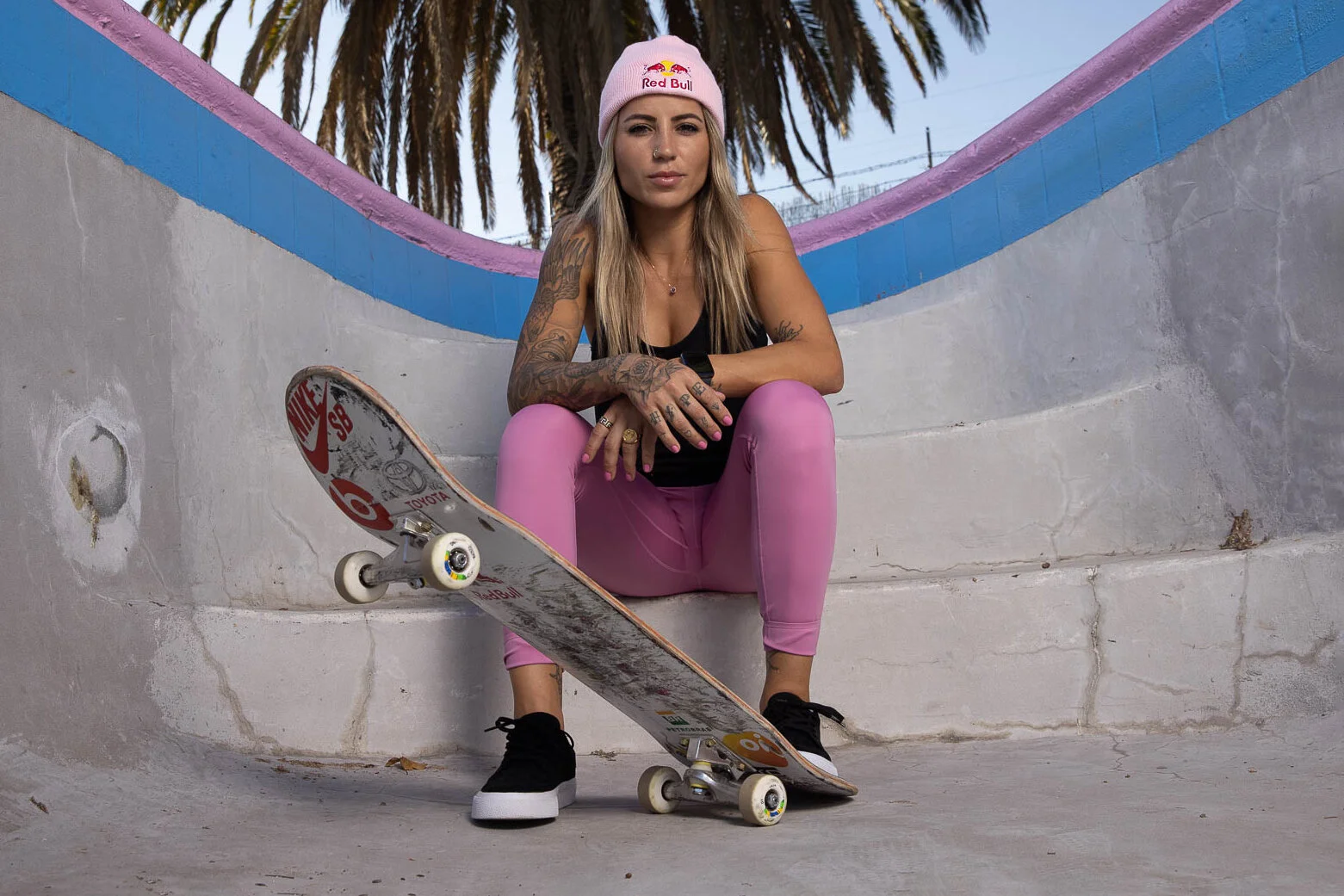
Skateboarding has long thrived on rebellion, individuality, and the relentless pursuit of progression. For decades, however, the sport’s spotlight largely centered on male athletes. That narrative began to shift dramatically in the 2010s, thanks in no small part to the rise of Letícia Bufoni, a Brazilian skateboarder whose influence has reshaped the perception of women in the sport.
Bufoni’s journey—from a young girl skating the streets of São Paulo to one of the most decorated women in competitive skateboarding—represents more than a career defined by medals. It tells a broader story about perseverance, cultural change, and the evolution of skateboarding into a truly global and inclusive discipline.
Today, Bufoni stands not only as one of the most accomplished skateboarders in the world but also as a symbol of how passion and determination can transform an entire sport.
View this post on Instagram
grow
Born on April 13, 1993, in São Paulo, Brazil, Bufoni discovered skateboarding at the age of nine. The city’s sprawling urban landscape provided a unique environment for street skating: stair sets, rails, ledges, and plazas that challenged riders to constantly push their skills further.
Yet the environment was far from welcoming to girls at the time.
Skateboarding in Brazil—like much of the world—was overwhelmingly male-dominated. Female skaters were rare, and opportunities for women in competitions were limited. Bufoni, however, was undeterred. Inspired by watching older skateboarders in her neighborhood, she began spending hours practicing tricks and learning the rhythm of the streets.
Her family initially worried about the risks associated with skateboarding, but Bufoni’s commitment was undeniable. She practiced relentlessly, often skating until nightfall, refining her technique and developing the fearless style that would later define her career.
Within a few years, her talent became impossible to ignore.
move
At just fourteen years old, Bufoni made a life-changing decision. Recognizing that the United States offered greater opportunities for professional skateboarding, she moved to California—the epicenter of global skate culture.
The transition was anything but easy.
She was far from home, adapting to a new language, culture, and competitive environment. Yet the move placed her directly within a community of elite skateboarders who pushed her to elevate her skills.
California’s skateparks and street spots became Bufoni’s training ground. Surrounded by some of the world’s best riders, she quickly developed into a formidable competitor.
Her dedication soon began to pay off.
stir
Bufoni’s breakthrough moment arrived when she began competing in the X Games, widely considered one of the most prestigious stages in action sports.
The X Games had long been a proving ground for skateboarders, but women’s street skateboarding was still emerging as a major category. Bufoni quickly established herself as one of its defining athletes.
Over the course of her career, she earned multiple X Games medals—including several golds in Women’s Street competitions. Her technical precision, particularly on rails and ledges, set her apart from competitors.
Bufoni’s skating style is characterized by three key elements:
Precision – Clean execution of complex flip tricks and rail combinations.
Control – A calm, composed approach even in high-pressure competition settings.
Creativity – The ability to approach street obstacles with innovative trick selections.
Her success at the X Games helped elevate women’s skateboarding, proving that female athletes could perform at a level equal to the sport’s most demanding standards.
show
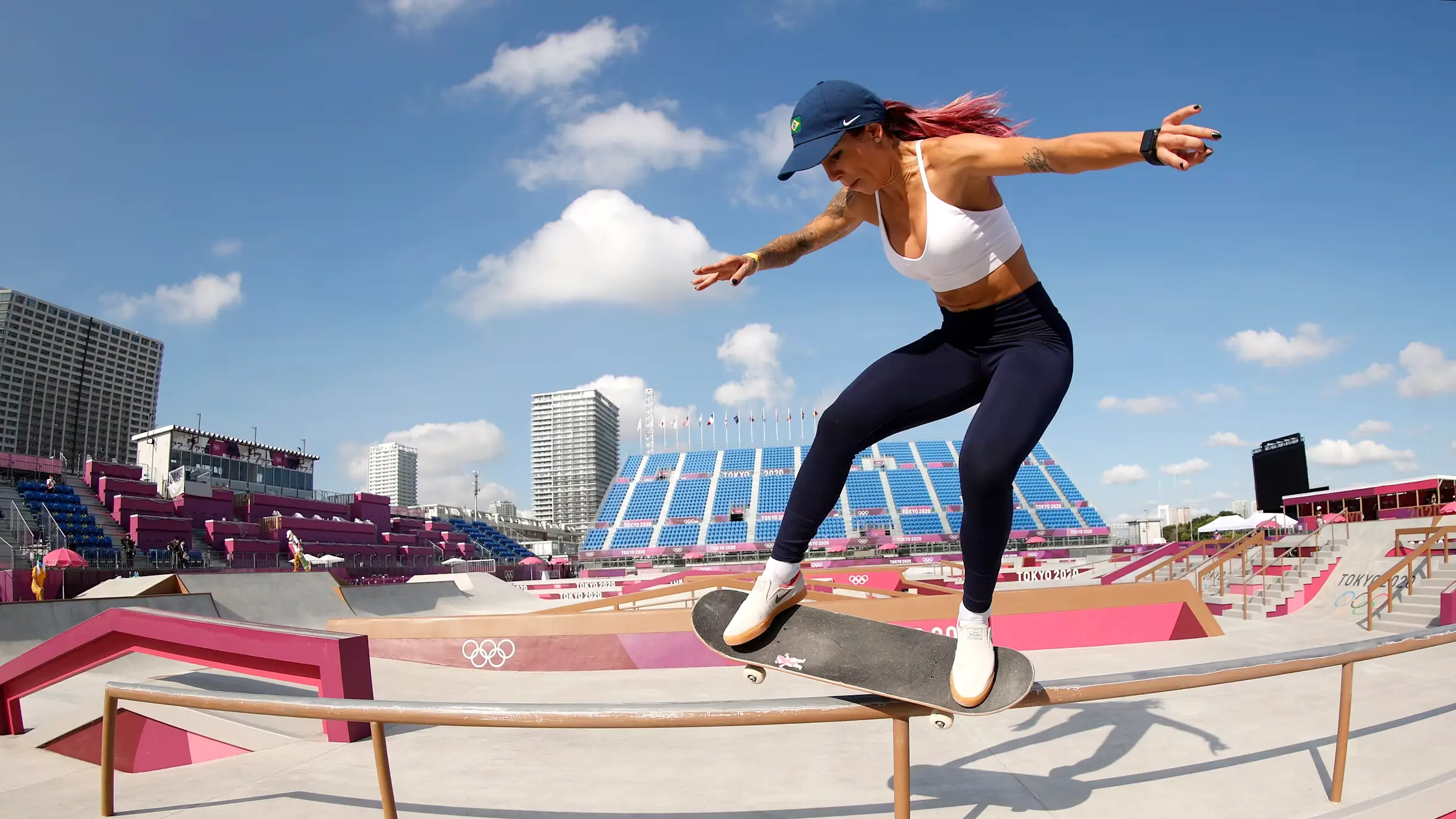
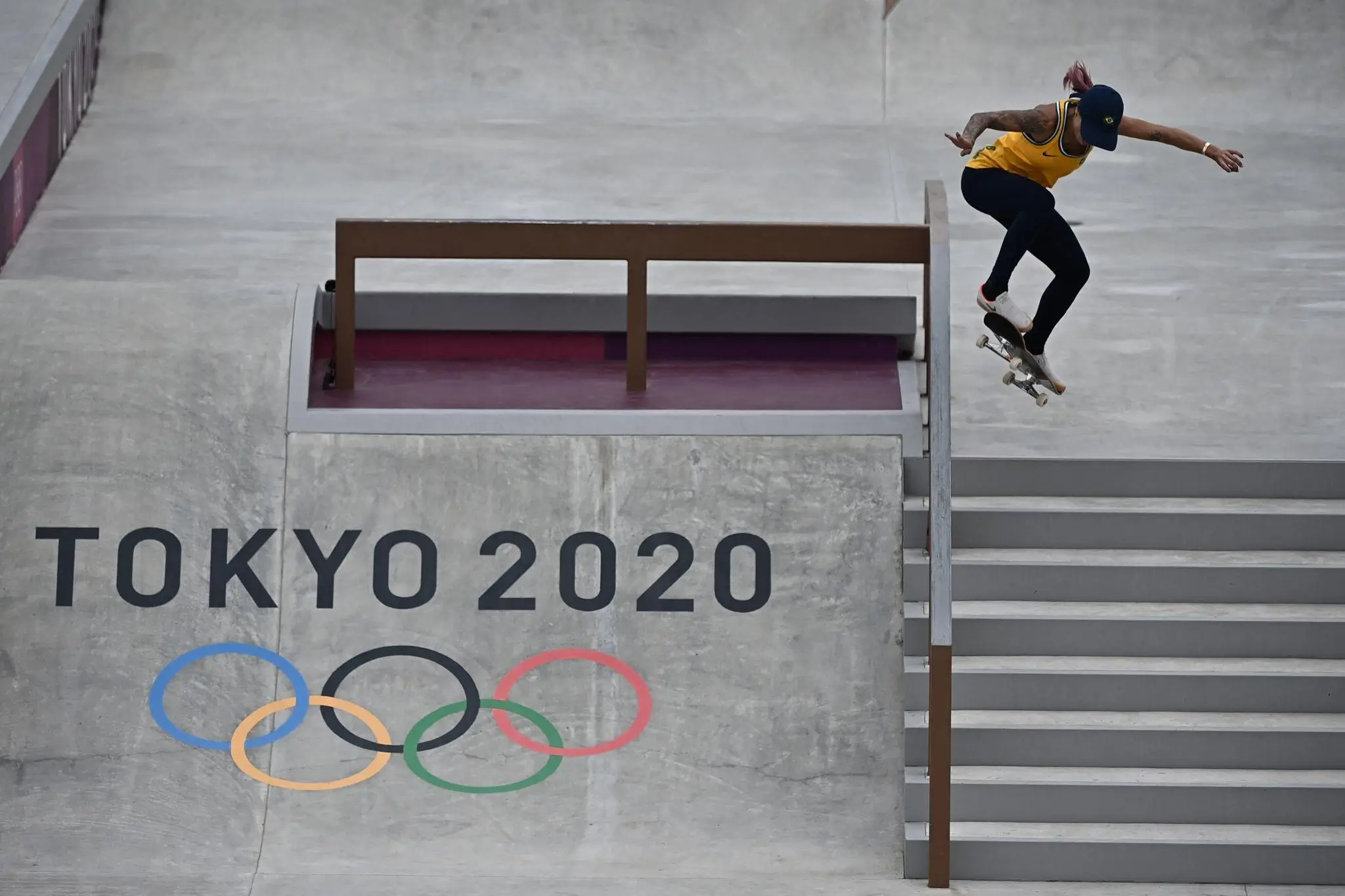
A historic milestone arrived when skateboarding debuted at the 2020 Summer Olympics in Tokyo.
For decades, skateboarding had existed largely outside traditional sports institutions, thriving as a subculture rooted in independence and creative expression. Its inclusion in the Olympics represented a major shift in how the world viewed the sport.
Bufoni was selected to represent Brazil in the women’s street skateboarding competition—an enormous honor that reflected her status as one of the sport’s global leaders.
Although she narrowly missed a medal, her participation marked a defining moment in her career. Millions of viewers around the world watched skateboarding for the first time, and Bufoni emerged as one of its most recognizable ambassadors.
Her Olympic appearance symbolized the evolution of skateboarding from underground culture to international sport.
culture
Bufoni’s influence extends far beyond competitive results.
As one of the most visible female skateboarders in the world, she has played a crucial role in changing perceptions about women in action sports. Her success helped dismantle outdated stereotypes and encouraged young girls to see skateboarding as a space where they belong.
Social media amplified this impression.
With millions of followers across platforms, Bufoni shares glimpses of her life as a professional skateboarder—training sessions, travel experiences, competitions, and casual street sessions. Her presence online helps humanize the sport while inspiring the next generation of riders.
For many young skateboarders, Bufoni represents proof that passion and persistence can open doors that once seemed impossible.
influ
Bufoni’s rising profile attracted partnerships with major global brands. One of the most significant has been her relationship with Nike SB, the skateboarding division of Nike.
Nike SB recognized Bufoni’s ability to bridge performance skateboarding with lifestyle culture. Through campaigns, skate videos, and product collabs, she became a central figure in the brand’s representation of women in skateboarding.
These partnerships also reflect skateboarding’s growing influence within fashion and streetwear.
What once existed as a niche sport now intersects with music, art, and global style movements. Bufoni’s presence within these collaborations reinforces her role not only as an athlete but also as a cultural tastemaker.
evolution
When Bufoni began skating, women’s skateboarding was still fighting for visibility.
Competitions were smaller, sponsorship opportunities were limited, and media coverage often overlooked female riders. Over the past decade, however, the landscape has changed dramatically.
Major competitions now feature robust women’s divisions. Skate videos and magazines highlight female skaters more frequently. Brands actively seek women riders for sponsorship and collaboration.
Bufoni has been at the center of this transformation.
Her success demonstrated that women’s skateboarding could deliver the same level of technical innovation and excitement as the men’s field. As younger athletes emerged, they entered a sport already reshaped by Bufoni’s achievements.
Today’s generation of female skateboarders benefits from a foundation she helped build.
commune
Bufoni has also used her platform to advocate for the skateboarding community.
She frequently emphasizes the importance of building inclusive spaces where new skaters—especially girls—feel welcome. Through community events, skate camps, and outreach initiatives, she helps introduce skateboarding to younger audiences.
Brazil remains a particular focus of her efforts.
The country has become one of the world’s most vibrant skateboarding nations, producing numerous professional riders and Olympic competitors. Bufoni’s success has played a key role in elevating Brazil’s presence within global skate culture.
Her story resonates deeply within the country’s youth communities, where skateboarding often serves as both creative outlet and pathway to opportunity.
fwd
In recent years, Bufoni has explored ventures beyond traditional competition.
She has become involved in fitness training, lifestyle branding, and digital content creation. These projects allow her to connect with fans while continuing to expand her influence within and beyond the skateboarding world.
Despite these new pursuits, skateboarding remains central to her identity.
Even after achieving global recognition, Bufoni continues to skate regularly—whether in competitions, casual street sessions, or creative filming projects.
For her, skateboarding is not merely a profession. It is a lifelong passion.
leg
As skateboarding continues to evolve, Bufoni’s legacy becomes increasingly clear.
She helped bring women’s skateboarding into mainstream recognition. She competed at the highest levels of the sport, earning medals and international respect. And she used her platform to inspire a generation of skaters who now see skateboarding as a space without limits.
In many ways, Bufoni’s career mirrors skateboarding itself.
The sport began as an outsider movement—creative, rebellious, and often misunderstood. Over time, it grew into a global phenomenon celebrated across cultures and continents.
Bufoni’s journey from São Paulo’s streets to the Olympic stage captures that evolution perfectly.
sum
Even after more than a decade in professional skateboarding, Bufoni’s story is still unfolding.
New competitions, new collaborations, and new generations of skateboarders continue to shape the sport’s future. Bufoni remains deeply connected to that future—not only as a competitor but also as a mentor and cultural leader.
Her influence can be seen every time a young girl steps onto a skateboard for the first time.
Because of athletes like Bufoni, the sport now welcomes them with open arms.
And as skateboarding continues to grow across the world, the legacy of Letícia Bufoni will remain embedded in its culture—an enduring reminder that determination, creativity, and courage can redefine the limits of possibility.


No comments yet.