MIT’s Heirloom House: A Modular Concrete Architecture Designed to Last 1,000 Years

March 5, 2026
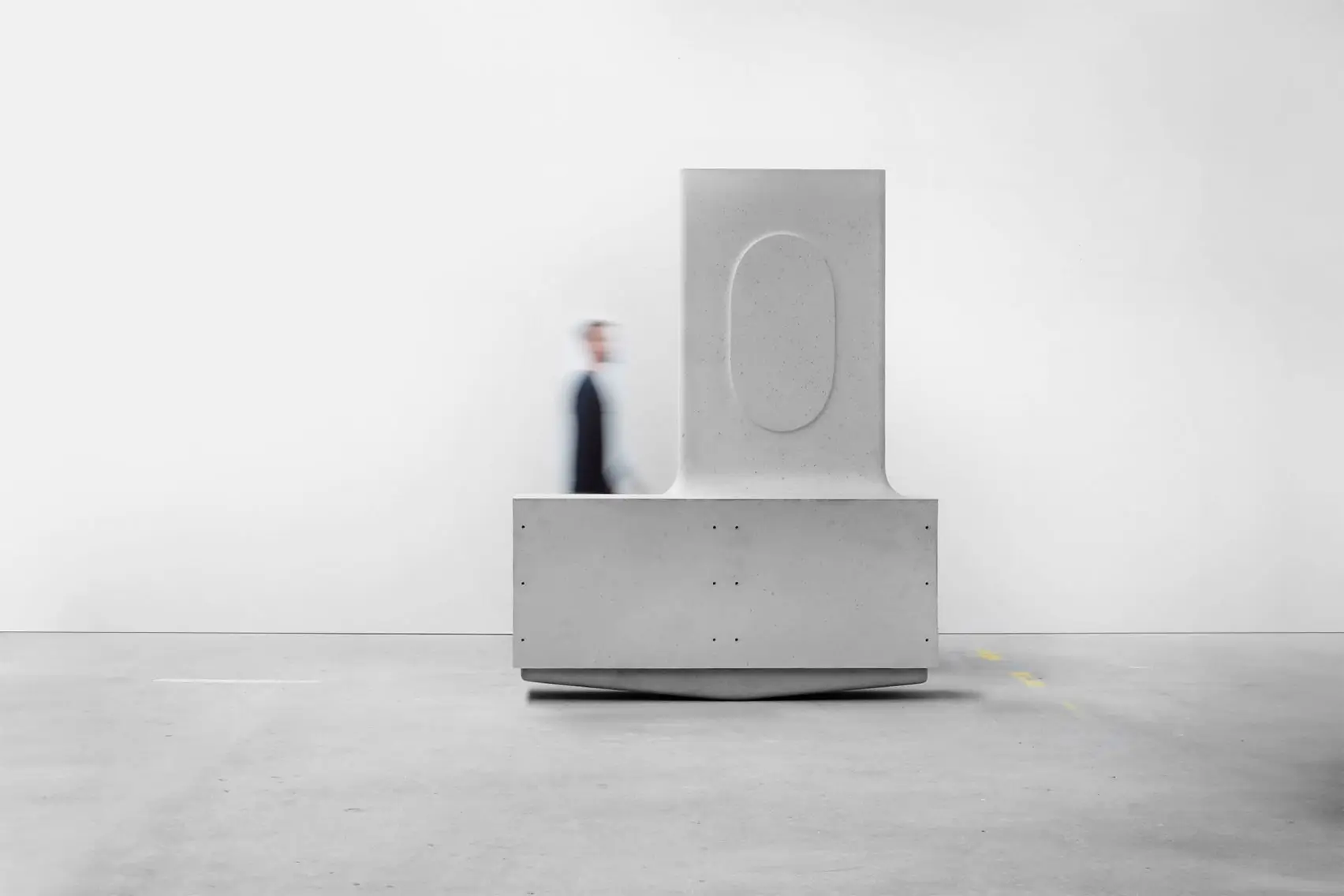
Architecture has always been an expression of permanence. From Roman aqueducts to medieval cathedrals, some structures have endured for centuries, surviving wars, climate shifts, and cultural change. Yet in the contemporary built environment, permanence has largely been replaced by disposability. Most modern houses are designed for a lifespan of only several decades, their materials and construction methods optimized for speed, affordability, and scalability rather than endurance.
Against this backdrop, researchers at the Massachusetts Institute of Technology have introduced a radically different vision of the future of housing. The Heirloom House project, developed by MIT’s Matter Design research studio in connect with the research and development division of Mexican building materials giant Cemex, proposes an architectural system intended to last an extraordinary 1,000 years.
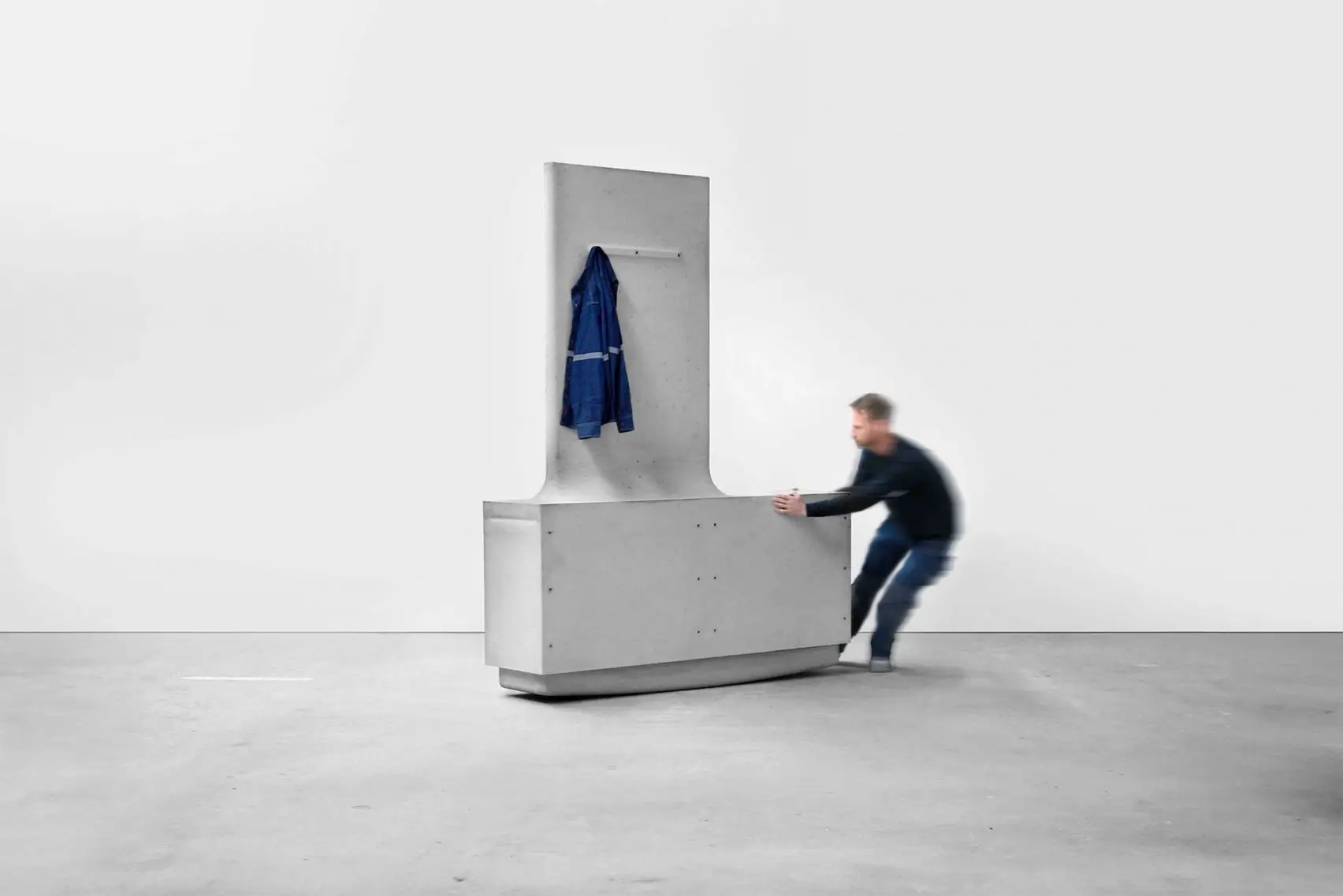
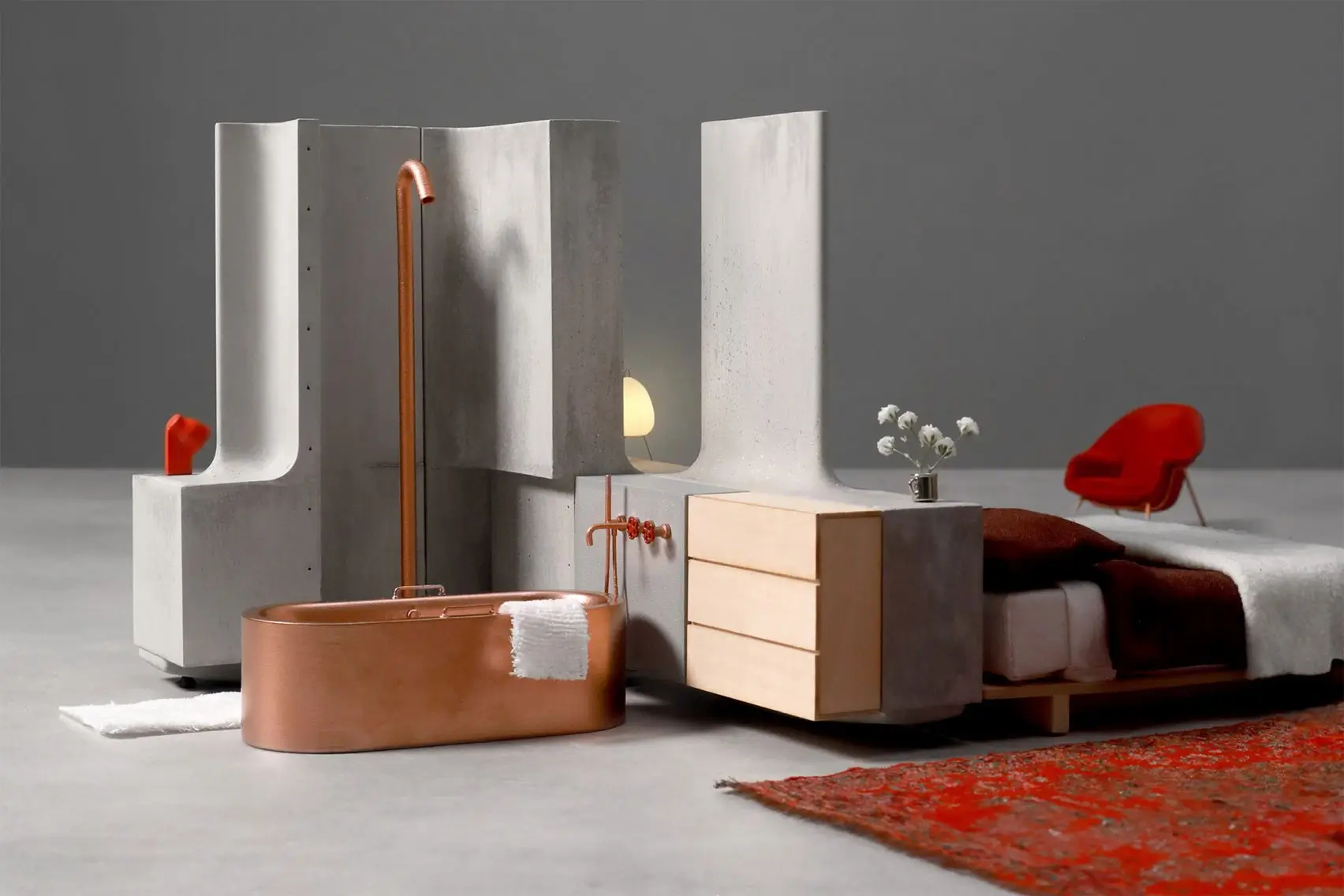
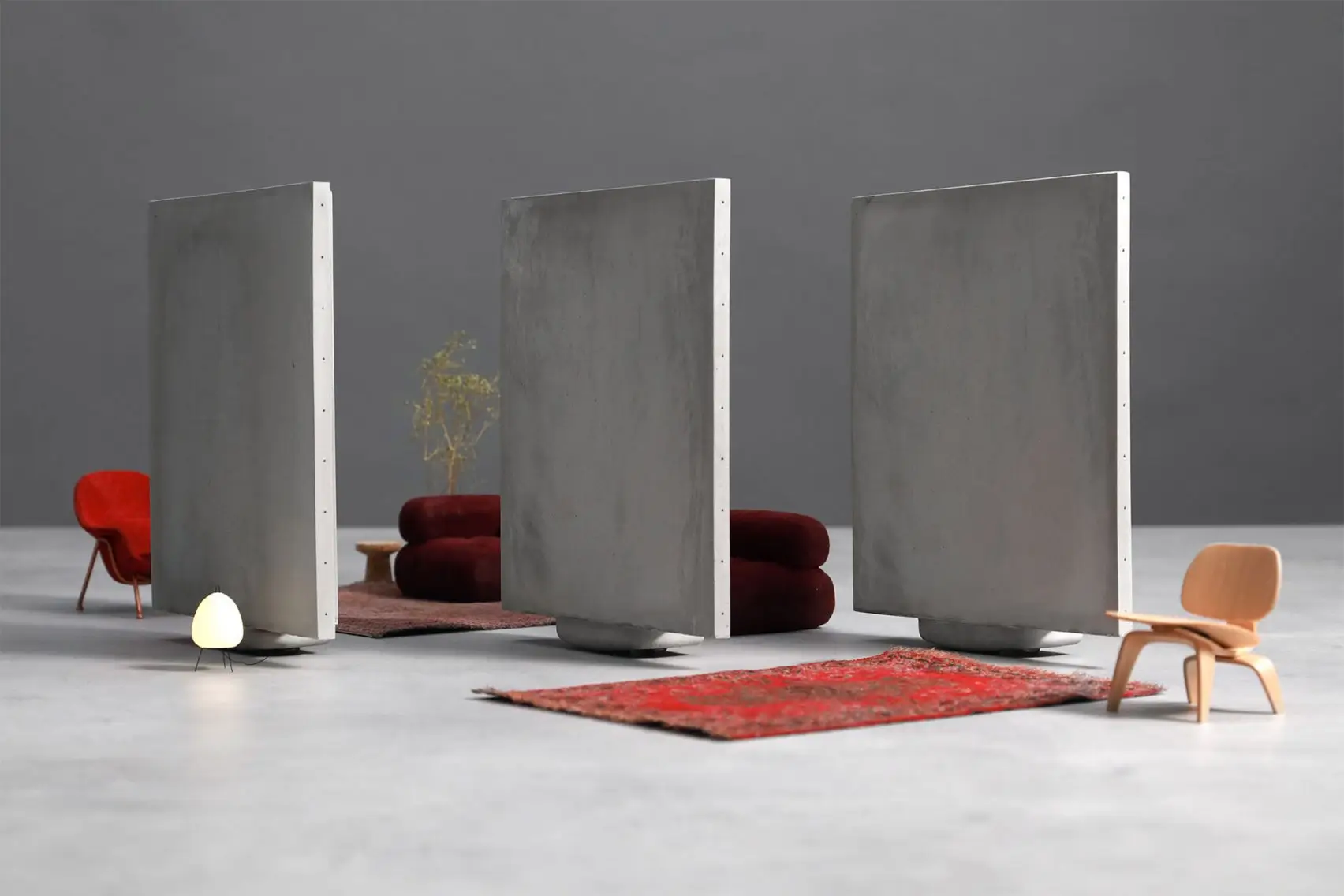
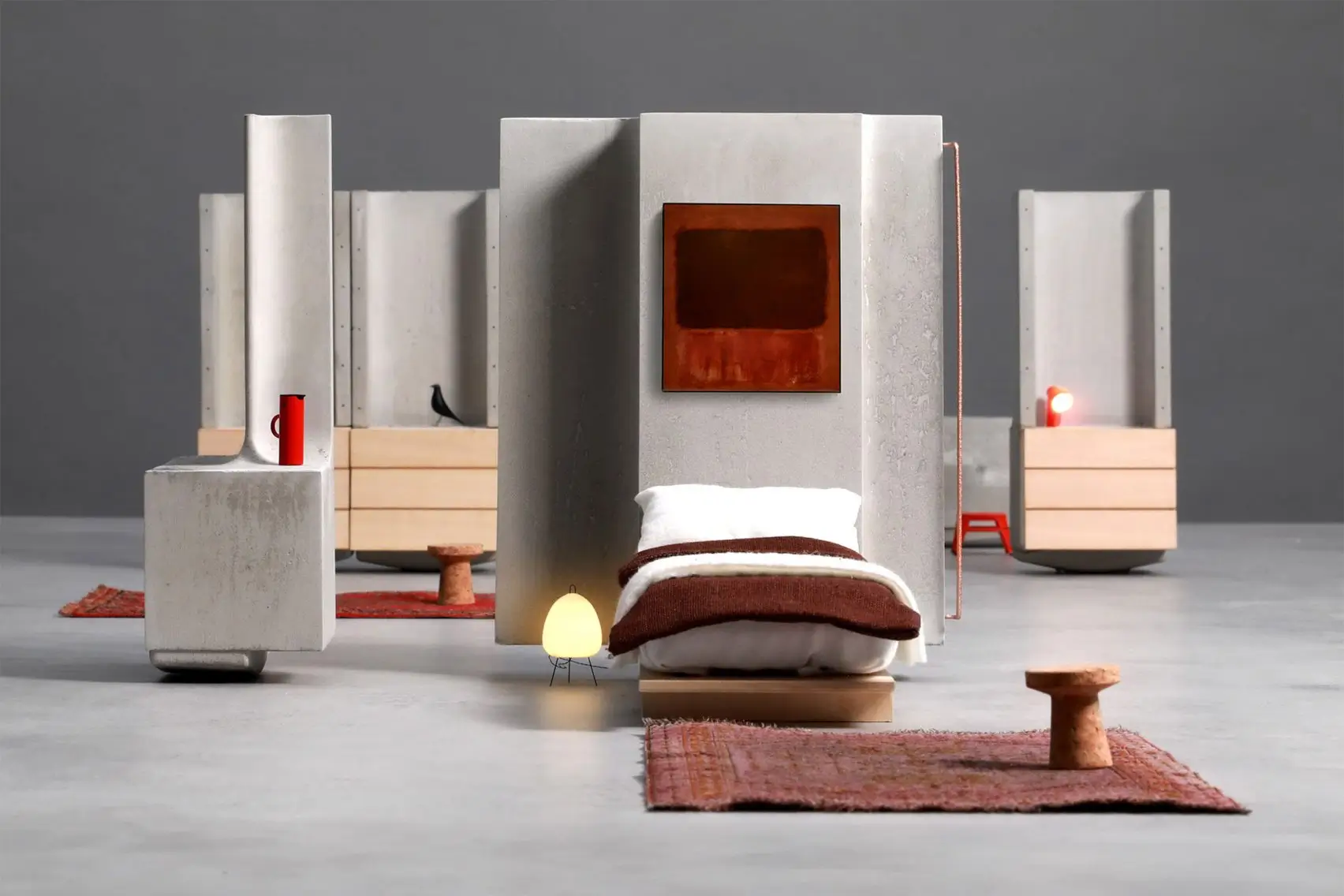
Rather than relying on traditional construction methods, the project explores a modular system composed of nine structural concrete components that can be manually rearranged. These components function like architectural building blocks, allowing inhabitants to assemble and reconfigure spaces as their needs change over time. The concept is both technologically sophisticated and deceptively simple: create a house that can evolve across generations without losing structural integrity.
The result is a vision of architecture as a long-term cultural artifact, something that adapts through centuries while remaining fundamentally durable.
phil
The Heirloom House project was developed within MIT’s Matter Design, an interdisciplinary research studio founded by architect and designer Brandon Clifford. The studio is known for its experimental work at the intersection of architecture, engineering, history, and computational design.
Matter Design frequently explores how contemporary technology can reinterpret historical building methods. Instead of discarding traditional architectural principles, the studio investigates how modern fabrication tools and material science might enhance them.
In the case of Heirloom House, this philosophy manifests as an exploration of architecture as inheritance. The project’s name reflects the idea that a house should be passed down through generations much like a family heirloom—maintained, adapted, and cherished rather than demolished and replaced.
The design asks a provocative question: What if a house were expected to last longer than the society that built it?
Such a concept requires rethinking nearly every aspect of residential architecture—from materials and structural systems to the relationship between inhabitants and the built environment.
a collab
A crucial element of the project is MIT’s partnership with Cemex, one of the world’s largest producers of cement and building materials. Cemex’s R&D department has increasingly invested in experimental architecture and advanced construction technologies, recognizing the potential for innovation in the field.
Concrete, often criticized for its environmental impact, is also one of the most durable construction materials in human history. Ancient Roman concrete structures have survived for over two millennia, demonstrating that when properly engineered, concrete can be astonishingly resilient.
For the Heirloom House project, the flow allowed researchers to explore new structural applications of concrete that prioritize longevity and adaptability rather than conventional building methods.
Instead of pouring concrete into fixed forms to create permanent walls or foundations, the project uses prefabricated structural elements designed to interlock and support each other.
The result is a system that merges material durability with architectural flexibility—two qualities rarely found together in contemporary housing.
View this post on Instagram
stir
At the core of the Heirloom House concept are nine distinct structural elements, each made of precisely engineered concrete.
While the number of components is intentionally limited, the design allows them to be combined in countless ways. This modular approach echoes the logic of LEGO bricks or traditional masonry blocks, but on an architectural scale.
Each component performs multiple roles within the structure. Some serve as load-bearing supports, while others act as spanning elements or enclosure pieces. Together they form a self-supporting framework that can be rearranged without heavy machinery.
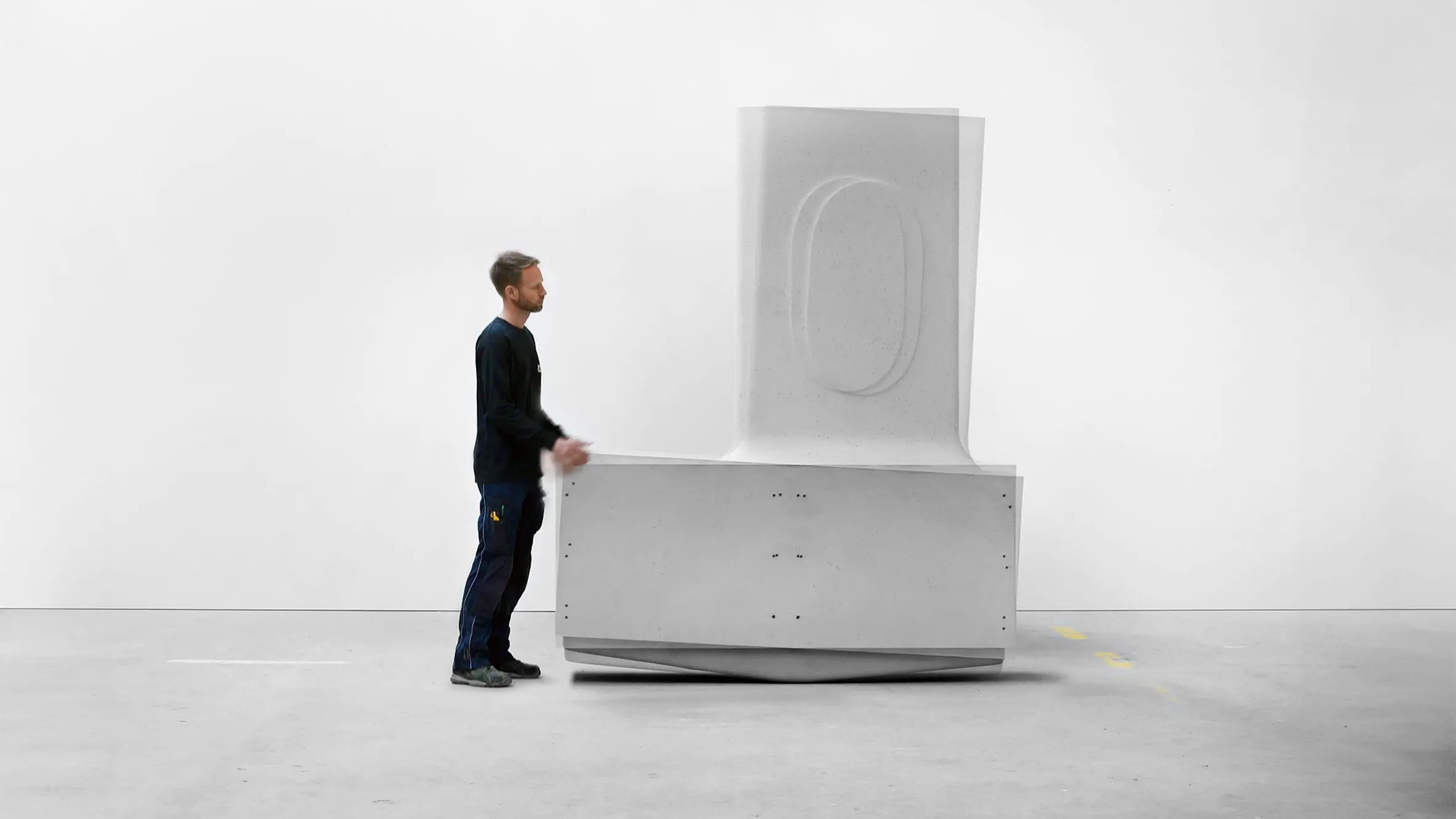
One of the most remarkable aspects of the system is that the modules are designed to be moved manually. This feature transforms the construction process into something closer to kinetic architecture, where structures can shift and evolve over time.
Instead of demolishing walls or undertaking expensive renovations, residents could theoretically reconfigure their home by repositioning structural elements.
In this way, the house becomes an adaptable organism rather than a static object.
tech
The technical innovation behind Heirloom House lies in its sophisticated use of physics and kinetics.
Rather than relying on mechanical fasteners or adhesives, the modules use gravity and geometric balance to remain stable. Their shapes are carefully calculated so that when stacked or arranged in specific configurations, the weight of each piece reinforces the stability of the whole.
This concept draws inspiration from ancient construction techniques such as dry-stone masonry, where structures are built without mortar yet remain remarkably durable.
However, the MIT researchers applied advanced computational modeling to refine these principles. Digital simulations allowed them to analyze the structural behavior of the modules under various loads and configurations.
Through this process, the team was able to design components that could support significant weight while remaining movable.
The resulting architecture operates as a kind of structural puzzle, where each piece contributes to the stability of the system.
idea
Perhaps the most striking ambition of the Heirloom House project is its 1,000-year design lifespan.
While such longevity might initially sound unrealistic, it reflects a growing interest in what architects call long-term design thinking. Rather than focusing on immediate efficiency or cost reduction, long-term architecture considers how buildings might endure across centuries.
Several factors contribute to this vision of extreme durability.
First is material selection. Concrete, particularly when properly formulated, can resist weathering, fire, and structural fatigue for extraordinarily long periods.
Second is modularity. Because the house can be reconfigured, it avoids the problem of functional obsolescence. Many buildings are demolished not because they are structurally unsound but because their layouts no longer suit modern lifestyles.
Heirloom House addresses this by allowing the structure to evolve without compromising its core framework.
Finally, the project considers maintenance and repair. Individual modules could theoretically be replaced or repaired without dismantling the entire structure, extending the building’s lifespan even further.
flow
The concept of a thousand-year house inevitably raises philosophical questions about how humans relate to architecture.
Most contemporary homes are built with the expectation that they will eventually be replaced. The idea of constructing something intended to outlast generations challenges this mindset.
The Heirloom House project reframes the home as a long-term cultural artifact—something that accumulates meaning over time.
In this sense, the project echoes historical architectural traditions in which buildings were passed down through families and communities. Many traditional houses around the world evolved gradually, with new rooms or modifications added by successive generations.
The modular nature of Heirloom House mirrors this process. Instead of imposing a fixed design, it provides a framework for continuous adaptation.
Each generation could reinterpret the structure according to its needs, ensuring that the house remains relevant even as society changes.
sustainable
Sustainability has become one of the most urgent concerns in architecture. The construction industry accounts for a significant portion of global carbon emissions, much of it generated by the production of materials like cement and steel.
At first glance, proposing a concrete house might seem counterintuitive in an era focused on reducing environmental impact. Yet the Heirloom House project suggests that longevity itself can be a form of sustainability.
If a building lasts for centuries instead of decades, the environmental cost of its construction is distributed over a far longer period. In contrast, many modern buildings are demolished after only 30 or 40 years, requiring new materials and generating enormous amounts of waste.
By designing architecture that can endure and adapt, the project challenges the culture of planned obsolescence in the built environment.
a new
Beyond its philosophical implications, Heirloom House also points toward practical innovations in modular construction.
Prefabricated housing has long promised efficiency and affordability, yet many modular systems remain rigid and difficult to modify once installed.
The MIT project introduces a different paradigm: a structural kit-of-parts that can be assembled and reassembled without specialized equipment.
Such systems could have significant implications for disaster recovery, temporary housing, and evolving urban environments. A modular architecture that can be easily rearranged might allow communities to adapt their spaces as demographics, climates, or economic conditions change.
While Heirloom House is currently a research project rather than a commercial product, it illustrates how modular construction could become more flexible and resilient.
fwd
One of the most fascinating aspects of the project is how it bridges ancient building principles with modern technology.
Dry-stack masonry, gravity-based construction, and modular assembly have existed for thousands of years. Yet by combining these ideas with computational design and material science, the MIT researchers created something that feels both timeless and futuristic.
The project highlights a broader trend in architecture: the rediscovery of historical techniques through the lens of contemporary innovation.
Rather than simply inventing new materials or forms, designers are increasingly looking to the past for strategies that have already proven their durability.
impression
The Heirloom House project remains an experimental exploration, but its implications extend far beyond a single architectural prototype.
In an era defined by rapid technological change and environmental uncertainty, the idea of creating buildings that can endure for a millennium is both radical and deeply hopeful.
It suggests that architecture does not have to be disposable. Instead, it can be designed to evolve alongside human civilization, serving as a physical link between generations.
The modular concrete components developed by MIT and Cemex demonstrate that such longevity is not merely theoretical. With the right combination of engineering, materials, and design thinking, it may be possible to create structures that remain relevant for centuries.
Ultimately, the Heirloom House project invites us to reconsider a fundamental question: What should architecture leave behind?
If buildings are designed as heirlooms rather than commodities, they may become something more than shelter. They could become enduring monuments to human ingenuity, resilience, and imagination—structures that carry stories across a thousand years of history.


No comments yet.