From Wynwood Murals to DJ Booths: Greg Mike’s Expanding Creative Pulse

March 5, 2026
early
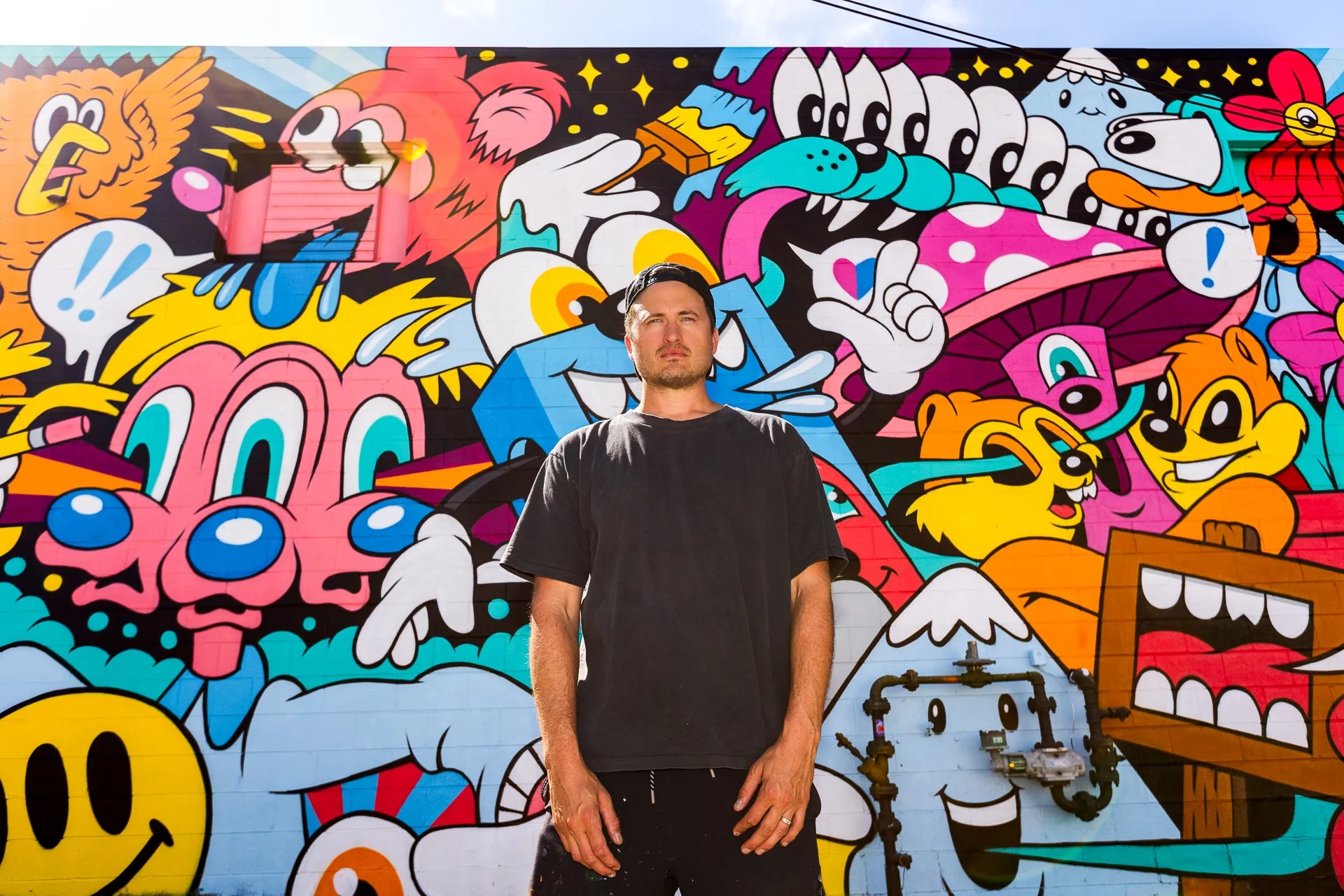
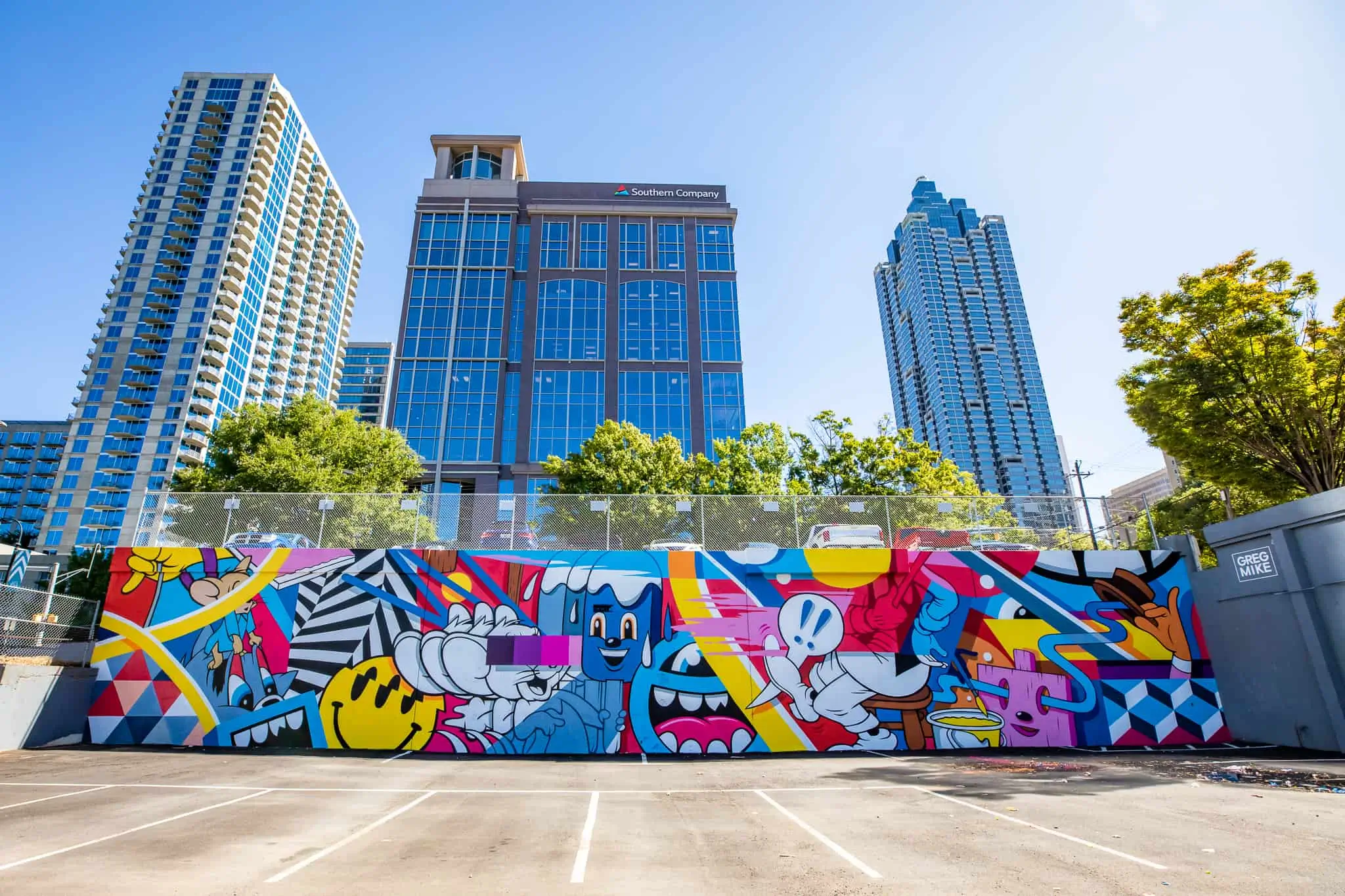
Long before Wynwood became a curated destination on travel itineraries, before its warehouses were repainted annually and mapped as a cultural landmark, the neighborhood belonged to artists who were willing to paint first and ask questions later. Among them was Greg Mike—better known simply as GM—a painter whose loud palette and unmistakable characters quickly carved out visual territory in Miami’s evolving street-art ecosystem.
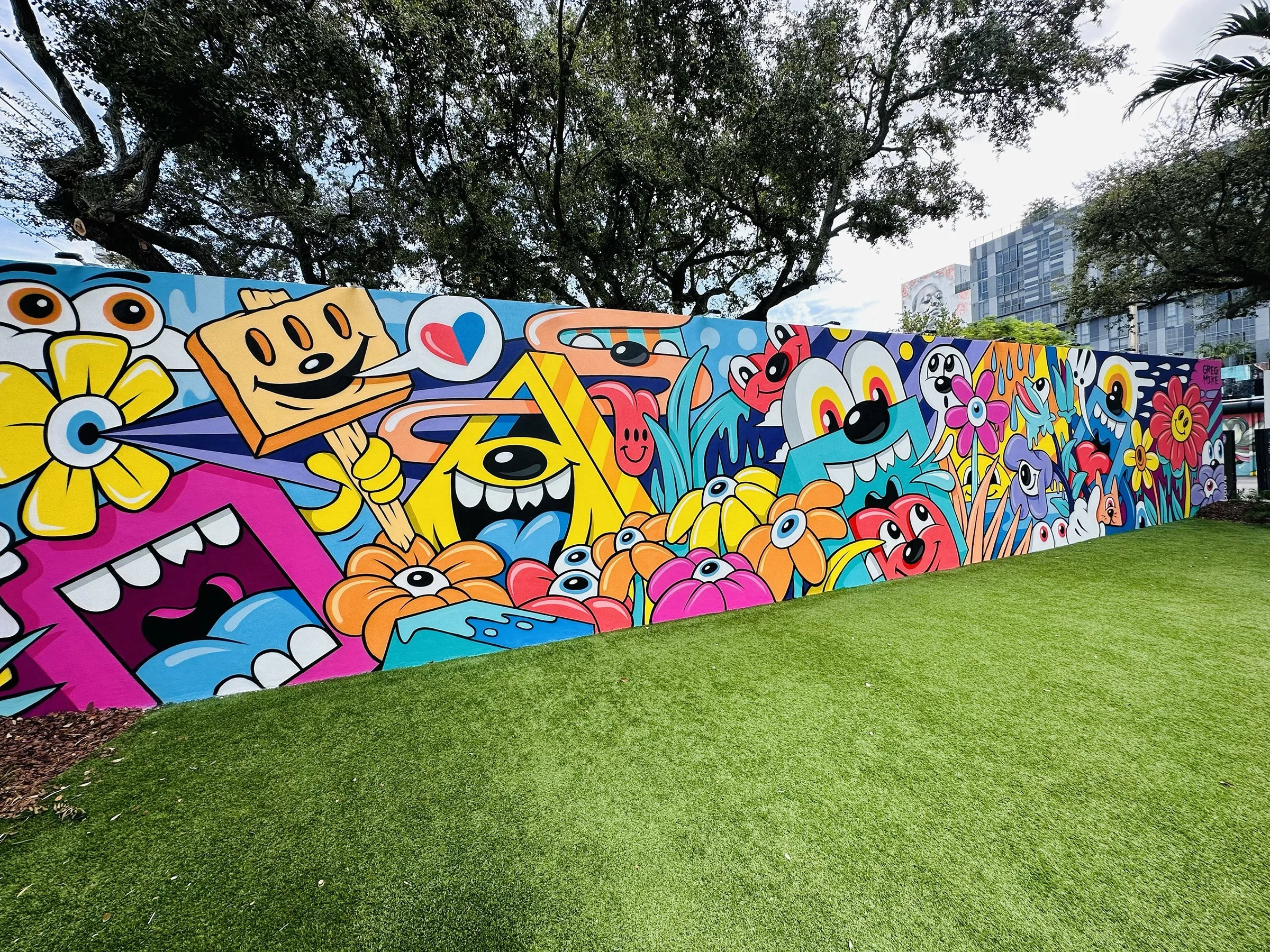
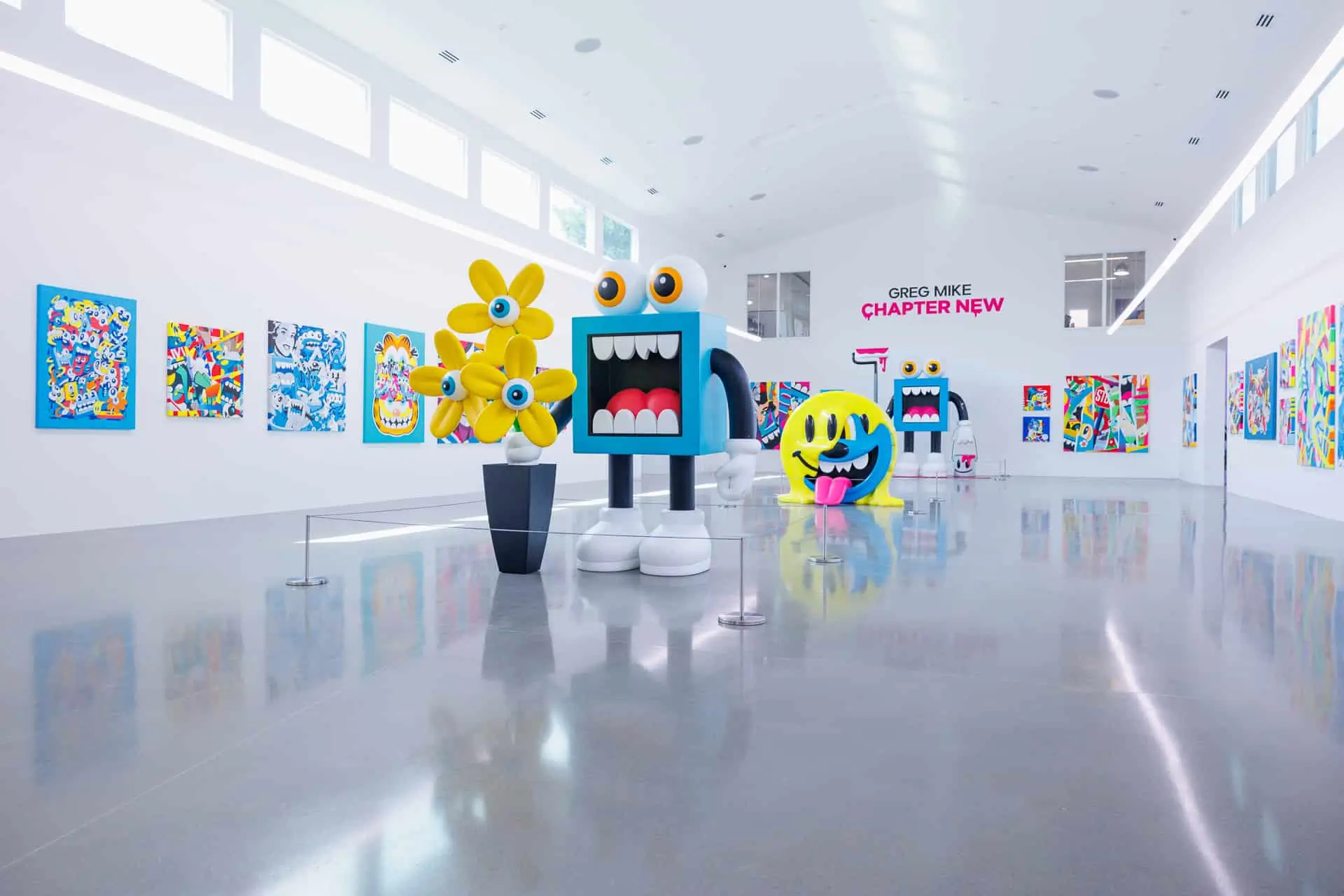
Back then, Wynwood wasn’t yet framed as a global “outdoor museum.” It was raw, transitional, and unpredictable. That environment shaped Greg Mike’s artistic identity in ways that still echo through his work today. His murals—often featuring the now-iconic Loudmouf character with sharp teeth, bold outlines, and neon colorways—didn’t just decorate the walls; they helped define the visual tempo of a neighborhood that was about to become one of the most photographed art districts in the world.
For Greg Mike, those early walls were less about visibility and more about experimentation. Large-scale painting taught him to think spatially, to build characters that could command an entire façade, and to develop a visual language that could travel across cities. The experience sharpened his instincts and laid the foundation for a career that would eventually extend far beyond murals.
What’s remarkable is that even now—years later and with a portfolio spanning galleries, brands, and international exhibitions—those early Wynwood fingerprints remain embedded in his work.
idea
There are artists who capture a moment, and then there are artists who build ecosystems. Greg Mike has always belonged to the latter category.
Over the past decade, his practice has expanded from graffiti and murals into gallery exhibitions, product design, brand collaborations, and cultural events. His trajectory hasn’t followed a straight line; instead, it pulses outward in multiple directions at once.
Collectors recognize him for paintings that reinterpret street-art energy through polished studio compositions. Street-art enthusiasts know him from massive murals across the United States and abroad. Meanwhile, entrepreneurs recognize his role in shaping Atlanta’s contemporary art landscape through gallery initiatives that gave emerging artists space to experiment and exhibit.
This multidimensional approach has become a defining trait of Greg Mike’s career. He moves fluidly between mediums and contexts—urban walls, studio canvases, installations, commercial collaborations—without losing the visual DNA that ties everything together.
The Loudmouf character remains central to that universe, but it has evolved over time. In early murals, Loudmouf appeared as a rebellious, cartoonish figure bursting with color and attitude. Today, the character operates almost like a brand ambassador for Greg Mike’s creative philosophy: playful yet critical, loud yet calculated, rooted in street culture but equally comfortable inside galleries.
stir
While Miami helped shape his early artistic instincts, Atlanta became another major chapter in Greg Mike’s story.
The city’s creative scene—diverse, experimental, and collaborative—provided fertile ground for expanding beyond traditional street art. Greg Mike’s involvement in gallery programming and artist-run initiatives helped turn Atlanta into a growing hub for contemporary visual culture.
Running a gallery isn’t simply about hanging paintings. It involves cultivating communities, supporting younger artists, organizing events, and navigating the business side of creativity. For Greg Mike, this role offered another way to influence culture beyond his own artwork.
By creating platforms for exhibitions and collaborations, he helped connect artists, collectors, and audiences who might not otherwise cross paths. The gallery space became a meeting point between street-art energy and the formal art world—a bridge Greg Mike has walked throughout his career.
This chapter also reinforced something important about his creative philosophy: art doesn’t exist in isolation. It thrives through networks, conversations, and shared spaces.
lifestyle
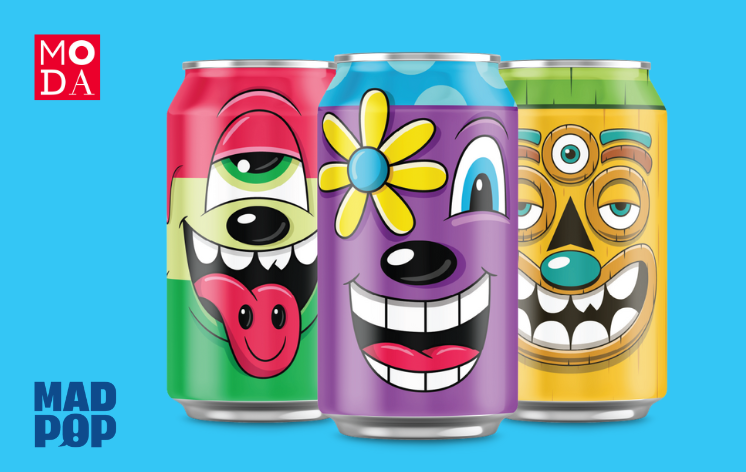
One of the more unexpected—but fitting—extensions of Greg Mike’s universe is MADPOP, a soda brand infused with the same playful aesthetic that defines his artwork.
At first glance, launching a beverage brand might seem like a departure from painting murals. But for Greg Mike, MADPOP represents a natural continuation of the Loudmouf world.
The soda’s branding—colorful, graphic, and character-driven—feels like a three-dimensional translation of his murals. Instead of appearing only on walls or canvases, the artwork now lives on cans, packaging, and pop-up cafés.
MADPOP also taps into another aspect of street culture: community gathering. Pop-up cafés and event takeovers become spaces where art, music, and social interaction blend seamlessly.
Rather than existing as a side project, MADPOP functions as a lifestyle extension of Greg Mike’s artistic identity. It shows how visual culture can expand beyond galleries and into everyday experiences.
View this post on Instagram
music
Lately, Greg Mike’s creative pulse has picked up another rhythm: music.
For years, the connection between street art and music has been inseparable. Graffiti culture grew alongside hip-hop, DJing, and breakdancing, forming a shared ecosystem of expression.
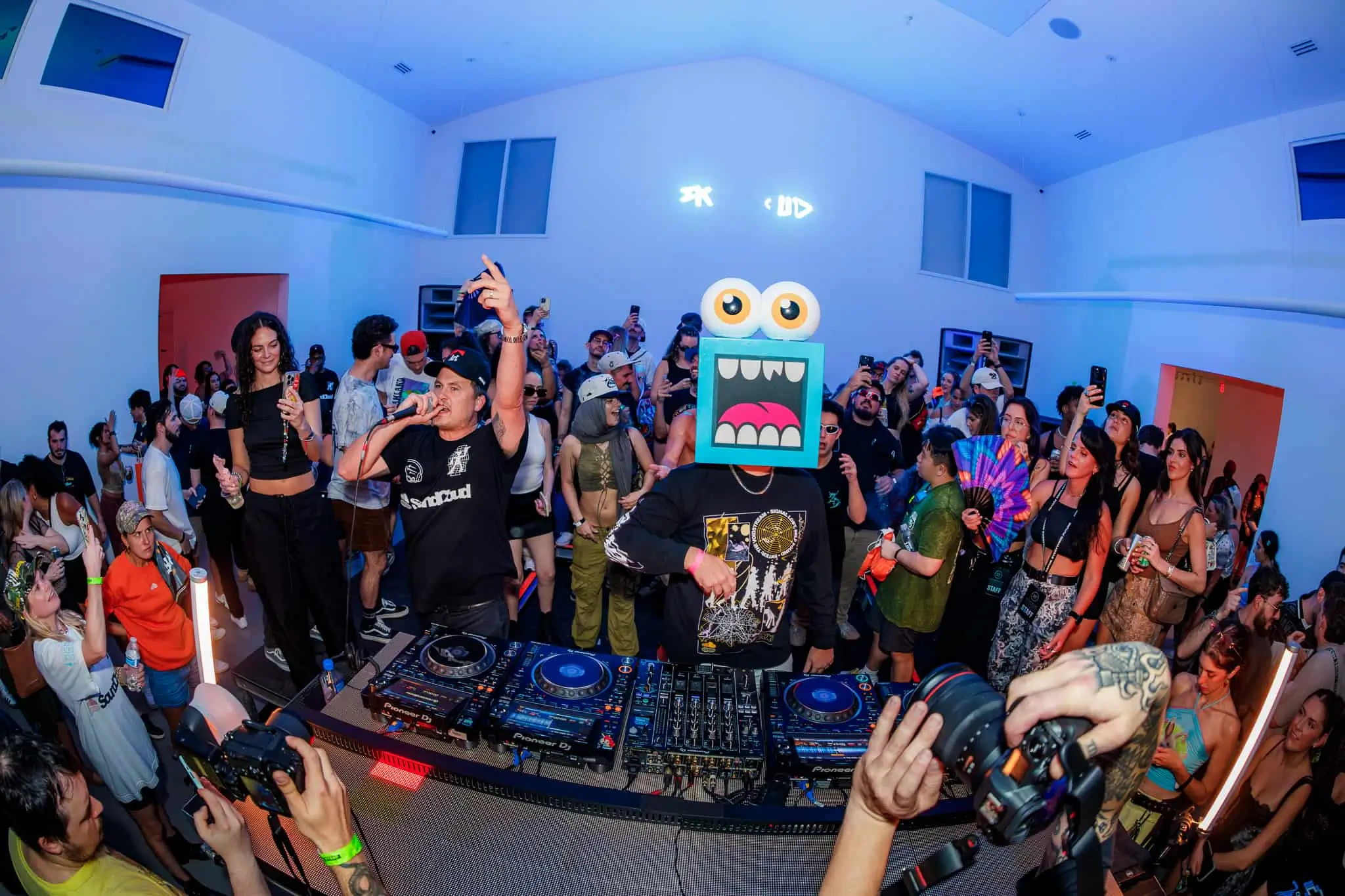
Greg Mike’s recent DJ sets feel less like a career pivot and more like a return to those cultural roots. When he steps behind the decks, the same energy that drives his murals translates into sound—bold, rhythmic, and immersive.
During Miami Art Week, that energy became particularly visible.
At the ART ACCESS x ARLO Wynwood event, Greg Mike opened the day with a DJ set that turned a typical art gathering into something closer to a block party. The event also featured a MADPOP café takeover inside Wyn Wyn, transforming the space into a hybrid environment where art, music, and lifestyle collided.
The room filled quickly. Conversations spilled into the courtyard. Music pulsed through the space while people moved between installations, murals, and drinks.
It was Miami doing what Miami does best—blending art, nightlife, and community into one vibrant moment.
Credit for helping orchestrate the event goes in part to Maxence Doytier of Twenty6North Productions, whose involvement helped bring the production together.
But the creative direction remained unmistakably Greg Mike’s.
struct
For Greg Mike, the recent cover project wasn’t simply about standing in front of a camera.
He approached it the same way he approaches a mural or installation: by shaping the concept from the beginning.
That meant collaborating on visual direction, composition, and tone long before the shoot itself took place. The process involved experimenting with color palettes, spatial arrangement, and energy within the frame.
In many ways, the cover became a microcosm of his broader practice. It wasn’t about documentation; it was about creation.
Greg Mike has never been the type of artist who simply participates in a concept built by someone else. He builds the environment, adjusts the details, and pushes the idea until it resonates with his vision.
That commitment to authorship is one reason his projects feel cohesive even when they span different mediums.
flow
Observers have started referring to Greg Mike’s current phase as a “Renaissance Chapter.”
The label captures something real: his work is branching into multiple disciplines simultaneously, from murals and gallery shows to DJ sets, product design, and brand experiences.
But for Greg Mike himself, it doesn’t necessarily feel like a dramatic pivot.
Instead, it feels like an expansion of a world he has been building for years.
Artists often feel pressured to choose a single identity—painter, designer, musician, entrepreneur. Greg Mike’s career suggests that these categories are increasingly outdated.
Today’s creative landscape rewards those who can move fluidly between disciplines, adapting ideas to different platforms while maintaining a recognizable voice.
Greg Mike exemplifies that approach.
His murals remain central to his practice, but they now coexist with installations, lifestyle products, music performances, and collaborative events.
Each medium becomes another way to express the same underlying ideas.
why
One reason Greg Mike’s work continues to resonate is its emotional clarity.
The Loudmouf character—part mischievous cartoon, part cultural symbol—communicates instantly. Its exaggerated mouth, expressive eyes, and electric colors capture attention even from a distance.
But beneath the playful surface lies a deeper commentary on communication and voice.
Street art has always been about visibility: who gets to speak in public space, whose stories are written onto city walls.
Loudmouf embodies that principle. The character literally represents a loud voice—one that refuses to be ignored.
As Greg Mike’s career expands into galleries and commercial collaborations, the character continues to serve as a visual anchor, reminding audiences where the work originated.
link
Another defining element of Greg Mike’s career is partnering.
Whether working with brands, fellow artists, event producers, or cultural organizations, he often approaches projects as shared creative spaces rather than solo ventures.
The ART ACCESS x ARLO Wynwood event demonstrated how collaboration can amplify artistic experiences. Music, beverages, murals, and installations merged into a single environment where each element enhanced the others.
This collaborative mindset reflects a broader shift within contemporary art culture. Increasingly, artists operate less like isolated studio figures and more like creative directors orchestrating multi-layered experiences.
Greg Mike fits naturally into this evolving model.
fwd
Looking ahead, it’s difficult to predict exactly where Greg Mike’s practice will move next.
The trajectory so far suggests that boundaries will continue dissolving between mediums.
Murals might evolve into immersive installations. Music performances could merge with visual projections. MADPOP may expand into larger lifestyle experiences or festivals.
What remains constant is the underlying philosophy: creativity shouldn’t be confined.
Greg Mike’s career demonstrates how an artist can build a recognizable universe while allowing that universe to expand organically.
From Wynwood’s early graffiti days to Miami Art Week DJ sets, the journey has never followed a predictable path.
Instead, it moves like a rhythm—sometimes fast, sometimes experimental, but always forward.
sum
If there’s one lesson in Greg Mike’s story, it’s that artistic identity doesn’t need to stay fixed.
The same bold energy that once appeared on Wynwood walls now appears in galleries, beverage cans, DJ booths, and collaborative events.
That evolution isn’t about abandoning the past. It’s about layering new ideas onto an existing foundation.
Years ago, Greg Mike helped shape a neighborhood that would eventually become one of the most famous street-art districts in the world.
Today, he’s continuing to shape culture—only now the canvas is larger.
Murals, music, soda, installations, festivals.
Each piece belongs to the same expanding universe.
And if this is truly Greg Mike’s Renaissance era, one thing is already clear: it’s anything but quiet.
No comments yet.