Loewe Introduces the Amazona 180 Bag: A Heritage Icon Reimagined for a New Era

March 6, 2026
a milestone
Few opulent houses possess a heritage as rich and deeply embedded in craftsmanship as Loewe. Founded in Madrid in 1846, the Spanish leather goods house has long balanced tradition with forward-looking innovation. As the brand celebrates its 180th anniversary, the unveiling of the Amazona 180 bag marks more than a commemorative release—it represents a symbolic turning point.
The bag debuted in the Spring/Summer 2026 collection designed by Jack McCollough and Lazaro Hernandez. Known globally as the founders of Proenza Schouler, the duo brought their distinct design philosophy to Loewe’s evolving narrative, revisiting one of the house’s most historically significant silhouettes.
The Amazona 180 does not merely replicate the past. Instead, it reframes a historic icon through contemporary sensibilities—softening structure, enhancing versatility, and responding to how modern luxury consumers live today.
The result is a bag that celebrates the past while clearly pointing toward the future.
symbol
To fully understand the Amazona 180, one must return to the origins of the original Amazona bag, introduced in 1975.
Spain during the mid-1970s was undergoing profound transformation. Following the end of the Franco dictatorship, society began opening up socially, politically, and culturally. Women were entering the workforce in increasing numbers, reshaping traditional expectations and redefining independence.
The Amazona bag was designed with this new era in mind.
Rather than adhering to the rigid, boxy handbag structures typical of luxury accessories at the time, Loewe introduced a softer, more flexible silhouette. The design allowed for movement, adaptability, and everyday practicality—qualities that mirrored the evolving role of women in society.
Its name, “Amazona,” referenced the legendary female warriors of Greek mythology, symbolizing strength, independence, and modern femininity.
The bag quickly became one of Loewe’s defining creations. Its balance of elegance and functionality resonated with women seeking a luxury accessory that could seamlessly integrate into daily life.
Decades later, the Amazona remains a pillar of the brand’s identity.
struct
The Amazona 180 revisits that legacy with subtle yet significant refinements.
At first glance, the bag maintains the familiar codes that made the original beloved. However, every detail has been carefully reconsidered.
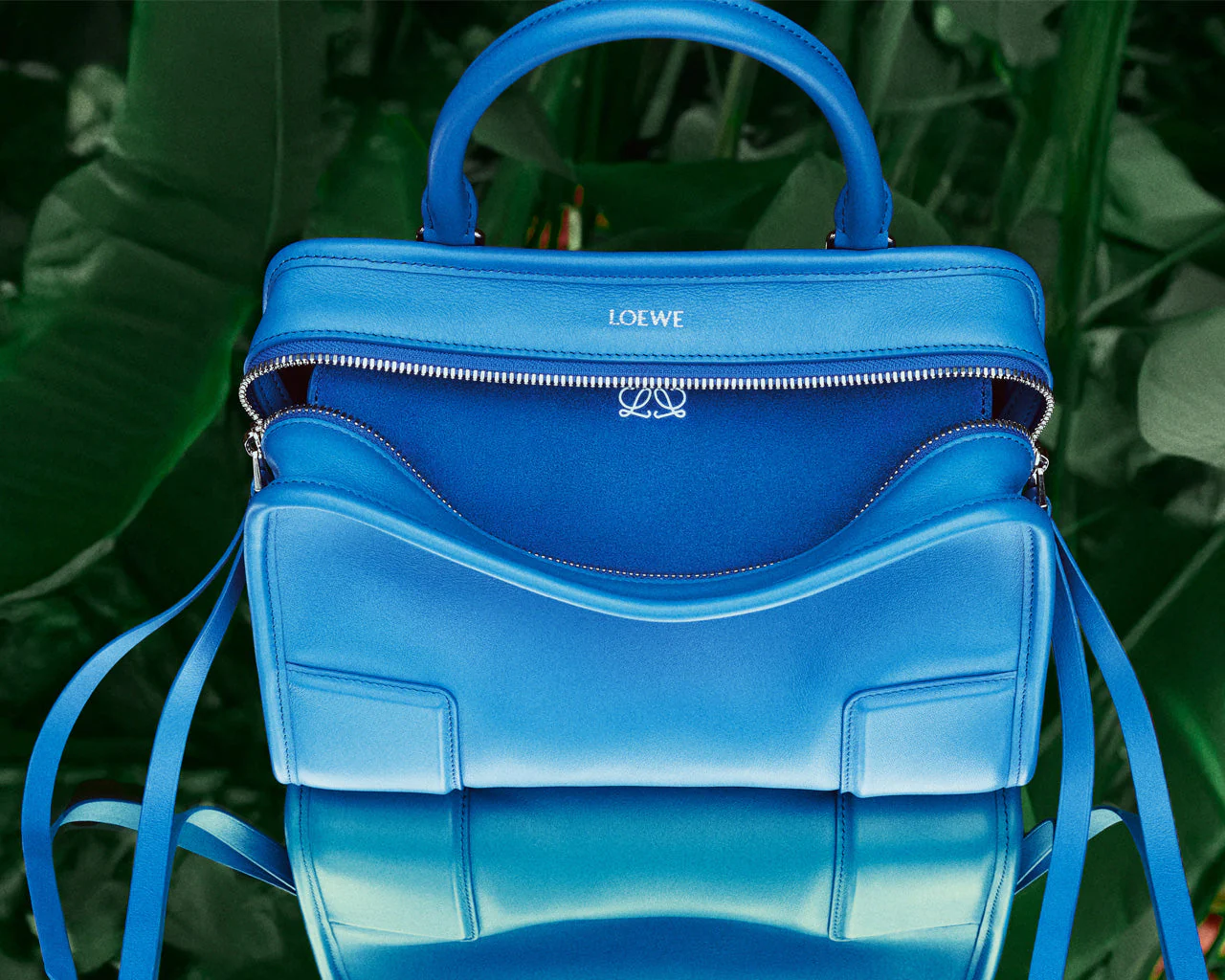
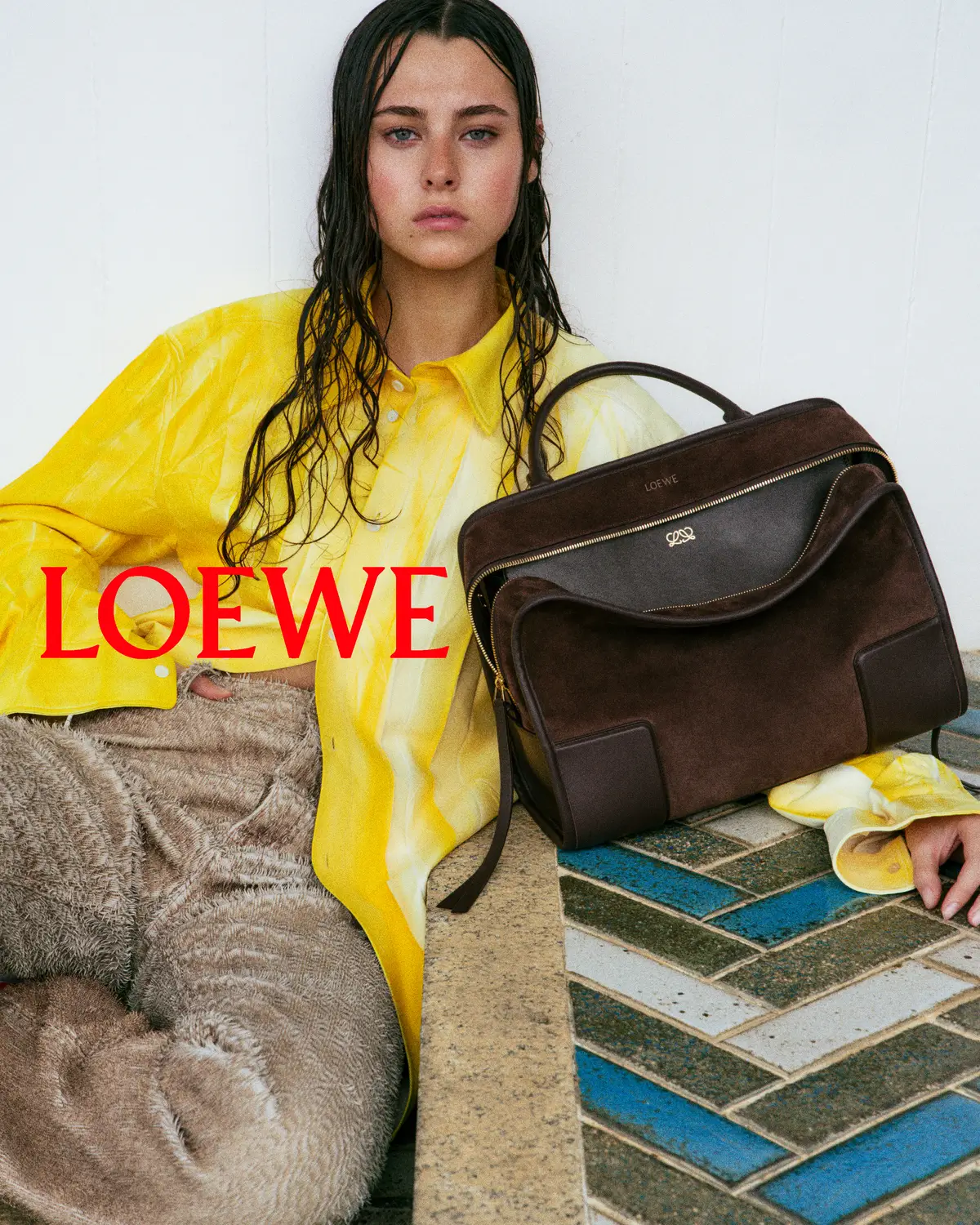
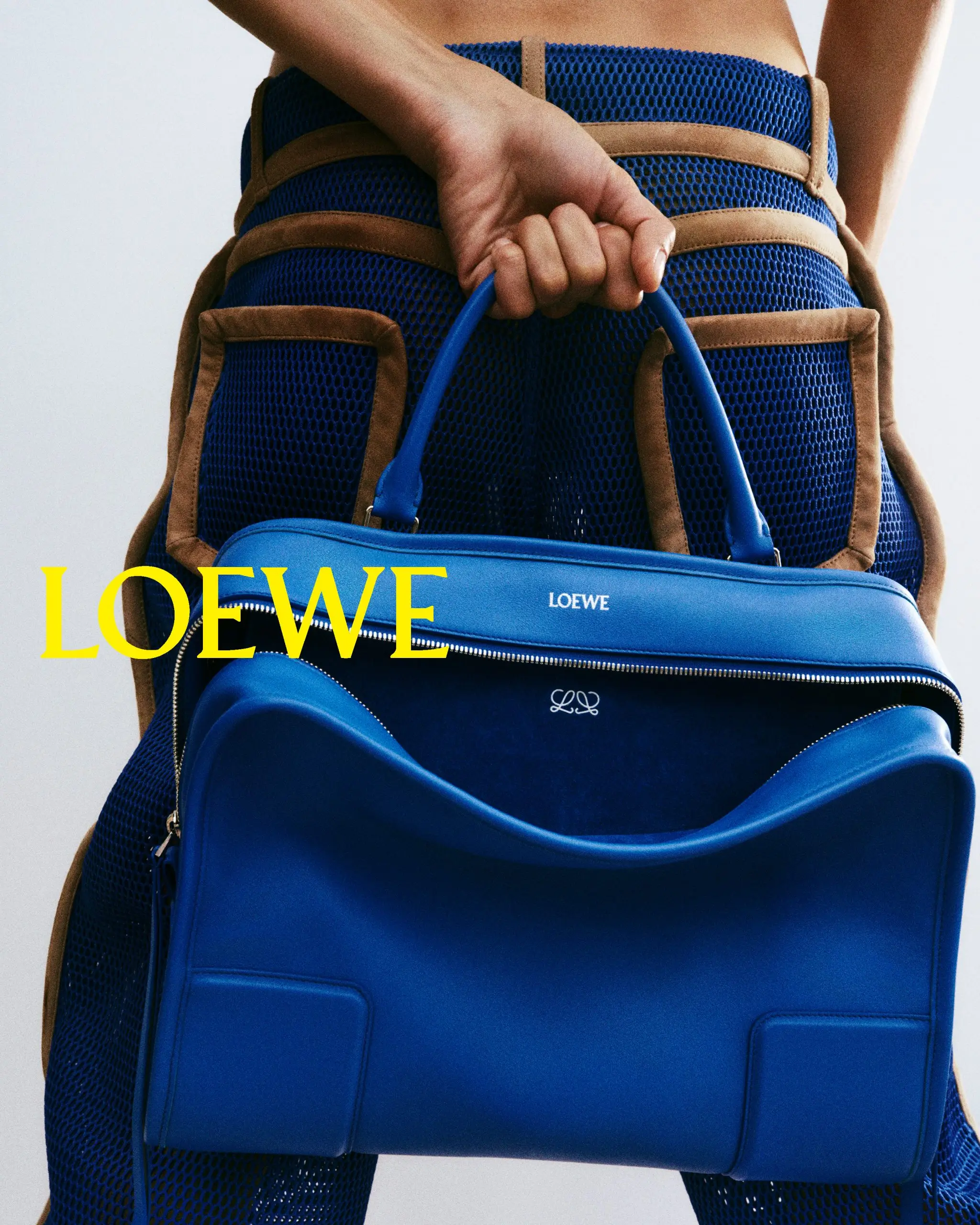
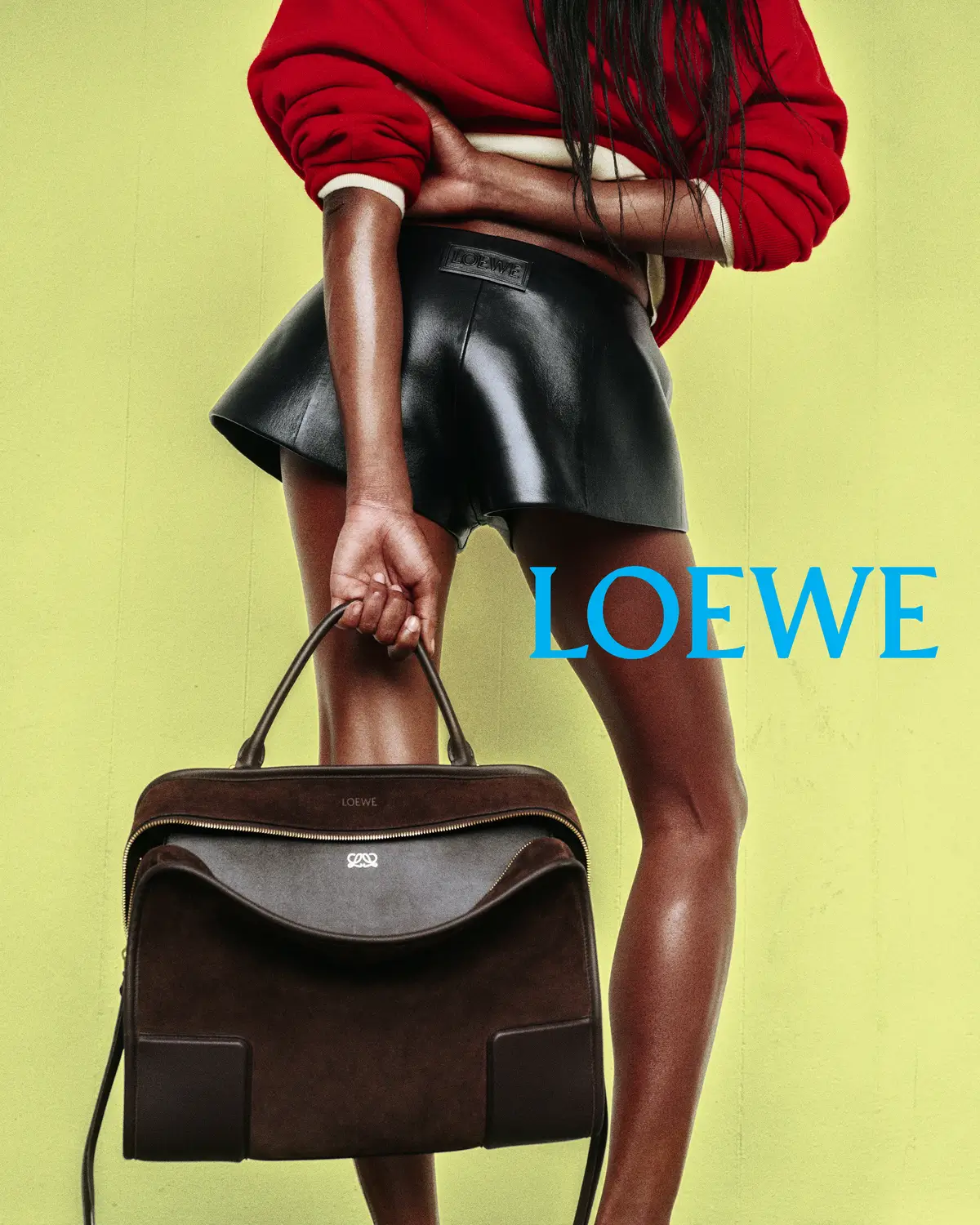
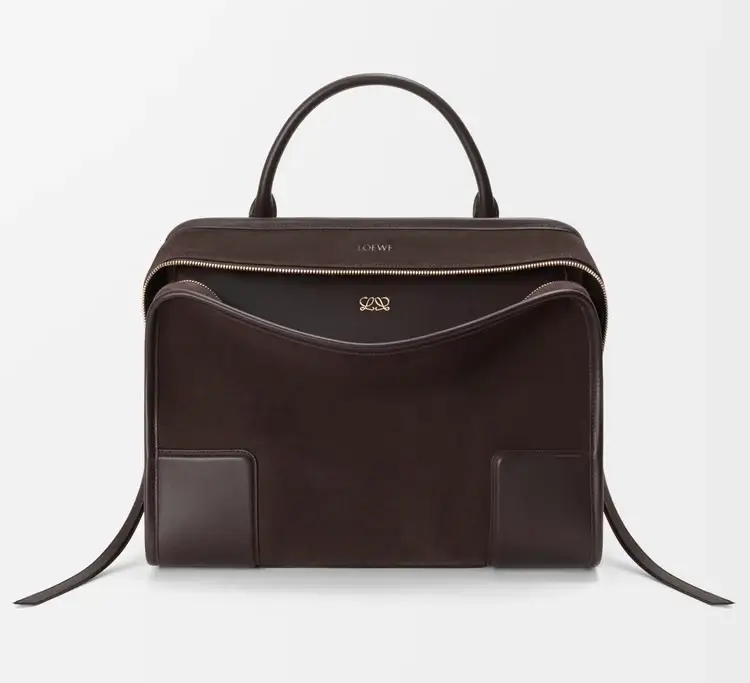
The most noticeable evolution is the material. Crafted in exquisitely soft calfskin, the bag emphasizes tactile haute and natural movement. A suede variation further accentuates the relaxed aesthetic, allowing the silhouette to drape with an effortless fluidity.
Unlike structured handbags designed to maintain rigid form, the Amazona 180 embraces softness.
This approach aligns with broader shifts in contemporary luxury fashion, where comfort and practicality increasingly define design priorities.
Despite the relaxed body, the bag maintains subtle architectural elements. Precision leather binding traces the edges, reinforcing structure while maintaining the supple character of the material.
The balance between structure and fluidity lies at the heart of the Amazona 180’s appeal.
idea
Central to the Amazona 180’s silhouette is its single toron top handle.
Toron handles—constructed from twisted leather cords wrapped tightly in smooth leather—have long been associated with refined craftsmanship. They provide both visual distinction and ergonomic comfort.
In the Amazona 180, the handle anchors the bag’s otherwise relaxed form.
Another defining feature is the presence of domed signature squares on each side of the bag. These architectural accents subtly reinforce the bag’s structure, preventing the soft body from collapsing entirely while preserving its natural movement.
This design language reflects Loewe’s mastery of leather construction.
Rather than relying on overt branding, the bag communicates its identity through craftsmanship and form. Every stitch, fold, and edge treatment contributes to the overall design narrative.
The result is a piece that feels quietly luxurious rather than overtly decorative.
stir
One of the most intriguing elements of the Amazona 180 is how it is intended to be carried.
Unlike traditional handbags that emphasize secure closures and tightly structured interiors, the Amazona 180 embraces an open-top design philosophy.
This approach aligns with a growing trend across luxury fashion often described as the “peekaboo bag” aesthetic.
Several major houses have explored this design direction in recent years:
-
Fendi introduced its iconic Peekaboo bag with a partially open structure.
-
Dior has explored open silhouettes within its tote designs.
-
Chanel continues to reinterpret open-top carryalls within seasonal collections.
The appeal lies in the balance between casual accessibility and visual intrigue.
An open bag reveals glimpses of its interior—perhaps a notebook, a silk scarf, or a carefully curated set of daily essentials. This subtle exposure becomes part of the bag’s aesthetic language.
For the Amazona 180, the design invites a natural, effortless carry.
Yet practicality remains intact. A concealed magnetic closure secures the main compartment, ensuring belongings remain protected while maintaining the bag’s relaxed appearance.
versatile
One of the defining characteristics of contemporary accessories is versatility.
Consumers today expect luxury items to adapt seamlessly to different moments in their day—work, travel, social gatherings, and casual outings.
The Amazona 180 addresses this expectation with three distinct carrying options.
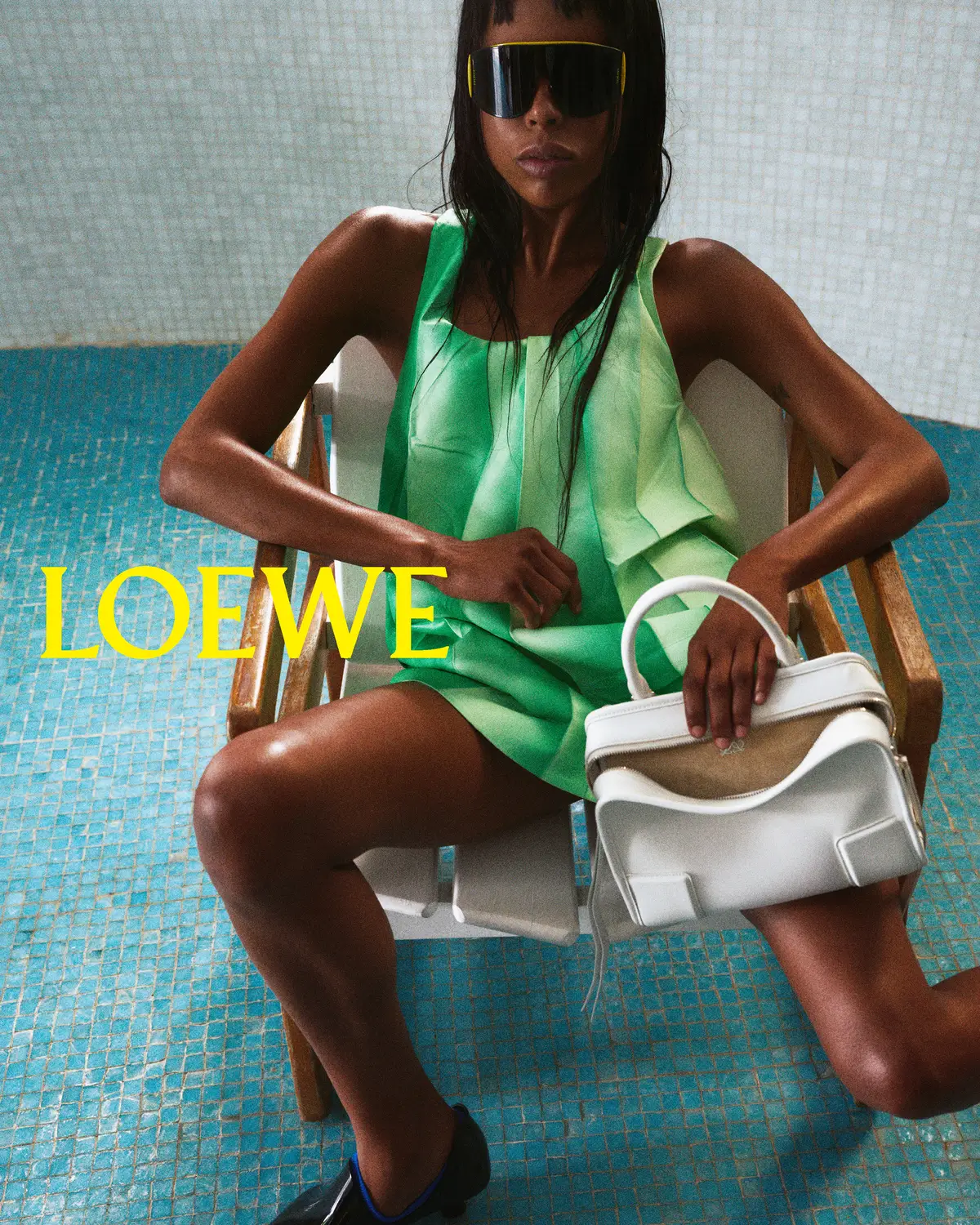
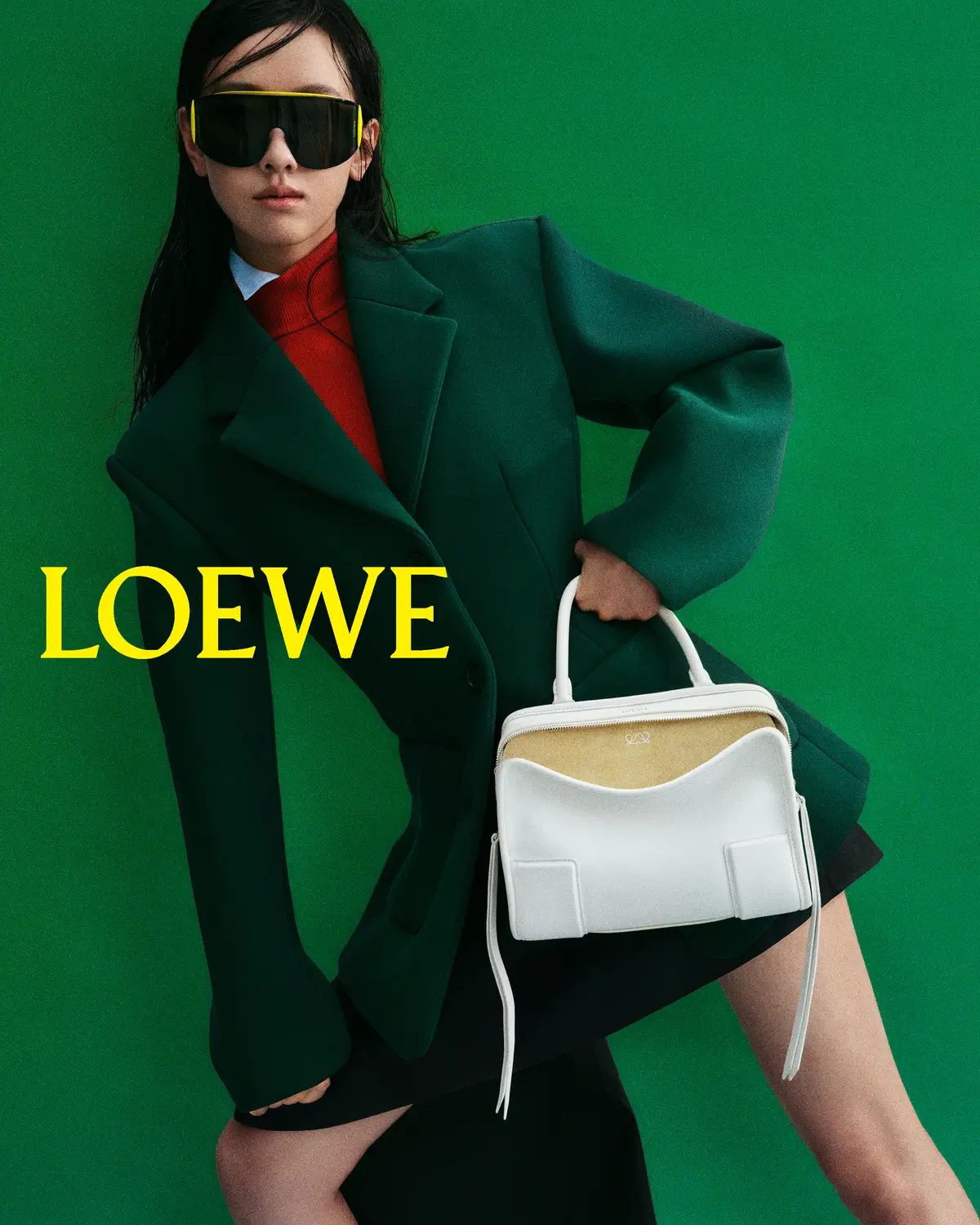
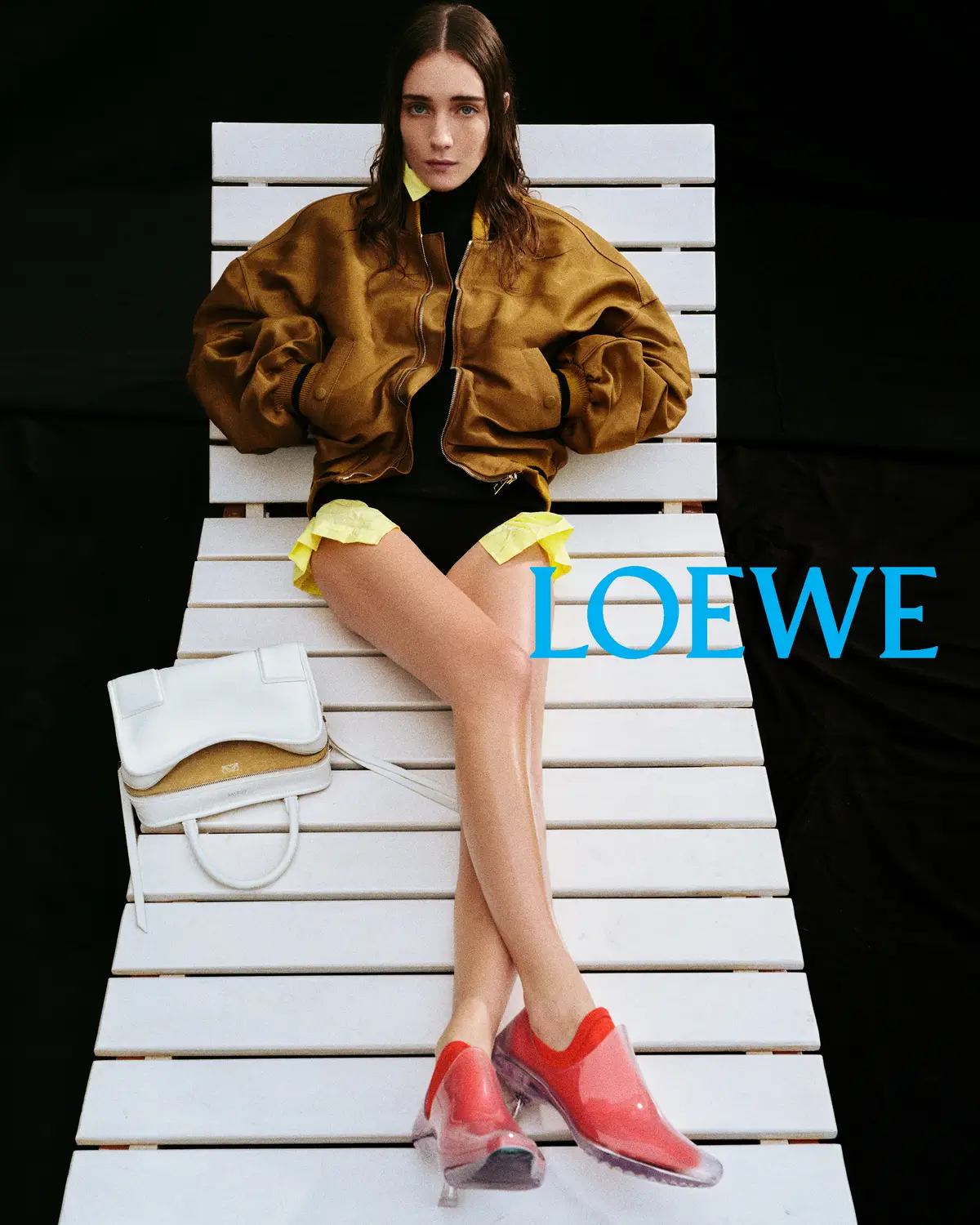
The first is the classic short top handle, ideal for traditional handheld styling. This approach emphasizes the bag’s sculptural shape and heritage character.
The second option introduces a removable shoulder strap, allowing the bag to rest comfortably at the side for hands-free convenience.
Finally, the bag can be worn crossbody, transforming it into a more casual, everyday accessory suited to urban mobility.
These three configurations allow the Amazona 180 to transition effortlessly between environments.
It can accompany a structured work outfit, complement relaxed weekend attire, or function as a refined travel companion.
lifestyle
The Amazona 180’s design philosophy reflects broader shifts within the luxury industry.
Today’s consumers increasingly prioritize functionality, comfort, and emotional connection in their accessories.
Luxury bags are no longer reserved exclusively for special occasions. Instead, they serve as everyday companions—objects that carry personal narratives and practical necessities.
The Amazona 180 embraces this reality.
Its soft structure allows it to adapt naturally to daily routines. The open silhouette encourages spontaneous use, while the magnetic closure ensures security without interrupting the design’s fluidity.
The bag feels intentional but not overly precious.
This balance reflects Loewe’s evolving brand philosophy—one that places craftsmanship and lifestyle at the center of design.
size
To accommodate a wide range of users, the Amazona 180 is available in three distinct sizes:
Mini, Small, and Large.
Each size serves a different purpose within the modern wardrobe.
The Mini version functions as a compact accessory ideal for evenings or minimalist styling. It captures the essence of the design in a smaller footprint.
The Small size represents the most versatile option, offering enough space for daily essentials while maintaining a sleek silhouette.
The Large version transforms the bag into a practical carryall suitable for workdays, travel, or extended outings.
Despite these variations, all sizes retain the same design language—soft leather construction, toron handle, domed side squares, and discreet closure.
This consistency ensures the Amazona 180 remains recognizable regardless of scale.
personal
In keeping with modern luxury’s emphasis on individuality, the Amazona 180 launches alongside complimentary bag charms.
Bag charms have become a significant trend in recent years, allowing owners to personalize their accessories through playful or symbolic additions.
Within Loewe’s ecosystem, charms often reflect the brand’s artistic sensibility—featuring leather animals, miniature accessories, or abstract shapes crafted with the same attention to detail as full-sized bags.
By offering charms alongside the Amazona 180, Loewe encourages users to curate their own visual narrative.
The bag becomes more than a static object. It evolves alongside its owner.
evolve
The Amazona 180 also marks a significant moment in Loewe’s broader creative trajectory.
With Jack McCollough and Lazaro Hernandez guiding the brand’s design direction, Loewe continues to expand its influence across fashion, art, and craft.
The duo’s design philosophy emphasizes precision, restraint, and conceptual storytelling.
Rather than abandoning Loewe’s heritage, they build upon it—using archival references as starting points for new ideas.
The Amazona 180 exemplifies this approach.
It respects the original bag’s historical significance while subtly adapting it for contemporary lifestyles.
In doing so, it bridges past and future.
fwd
Haute brands today face a complex challenge.
They must preserve their heritage while remaining culturally relevant to new generations of consumers.
The Amazona 180 demonstrates how this balance can be achieved.
Instead of producing a nostalgic reissue, Loewe introduces a thoughtful reinterpretation—one that reflects modern design sensibilities without erasing historical identity.
The bag feels both familiar and new.
This duality may be the key to Loewe’s continued success as it enters its next century of craftsmanship.
fin
It symbolizes continuity—a reminder that great design evolves rather than disappears.
From its origins in 1975 as a bag for independent women navigating a changing society, to its modern incarnation crafted for contemporary life, the Amazona has always reflected the world around it.
Now, 180 years after Loewe’s founding, the Amazona returns once again—softer, more versatile, and ready for the future.
It is both a tribute to history and an invitation to what comes next.
No comments yet.