Artificial intelligence has become one of the defining technologies of the 21st century. From voice assistants and recommendation engines to generative AI and smart home systems, machine intelligence is now embedded in everyday life. Yet despite its remarkable capabilities, AI often carries a reputation for feeling impersonal. It lives inside invisible software, hidden behind smartphone screens or smart speakers, and interacts with users through disembodied voices and text responses.
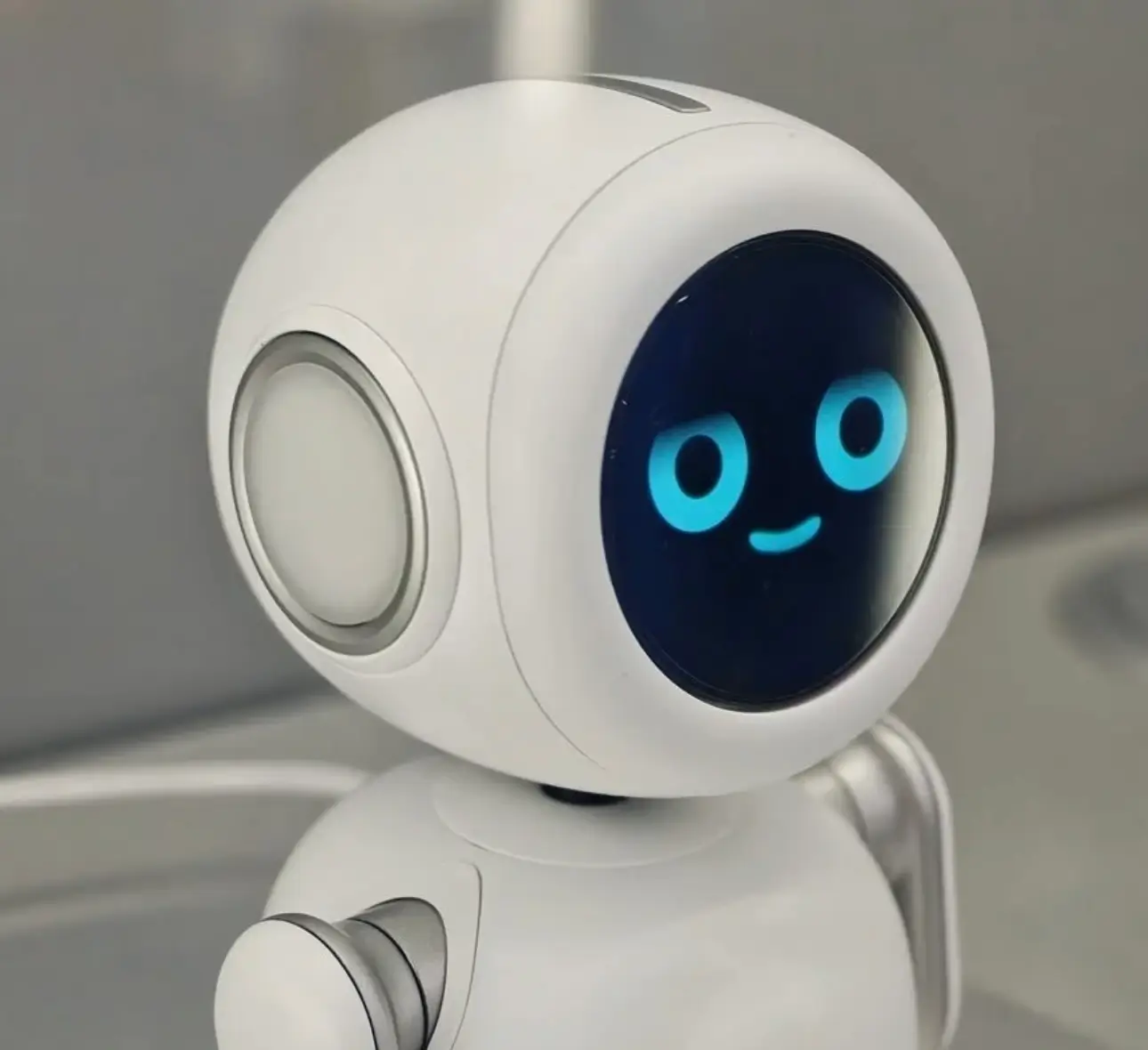
To address this emotional gap, Samsung has begun exploring a different approach—giving artificial intelligence a face. At Mobile World Congress 2026 in Barcelona, the company’s display division introduced the Mini PetBot, a small robot designed to demonstrate how expressive OLED displays could make AI interactions feel warmer, friendlier, and more human-like.
The Mini PetBot is not meant to be a full consumer product yet. Instead, it is a concept device created by Samsung Display to illustrate how visual design can transform the experience of interacting with artificial intelligence.
stir
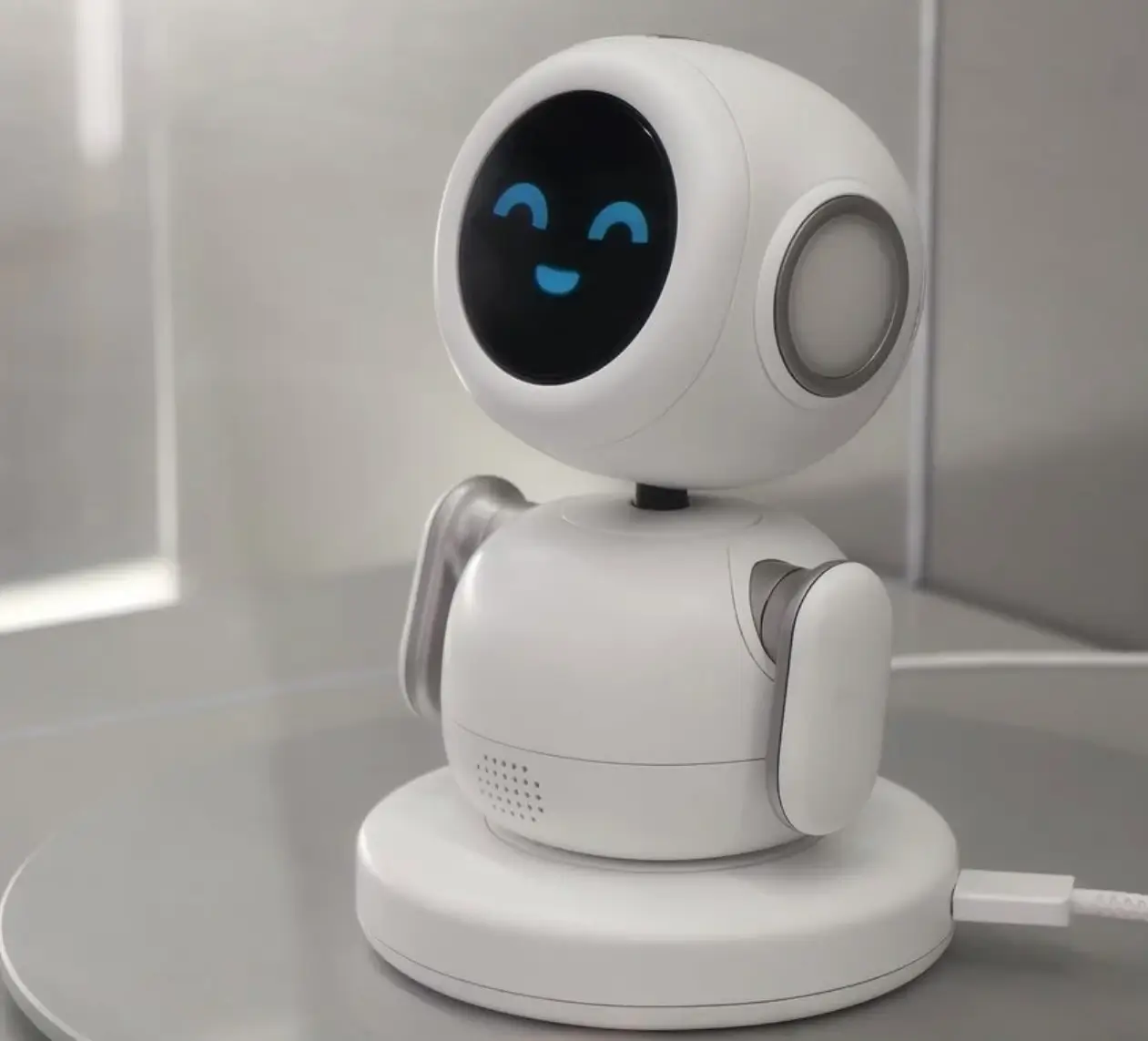
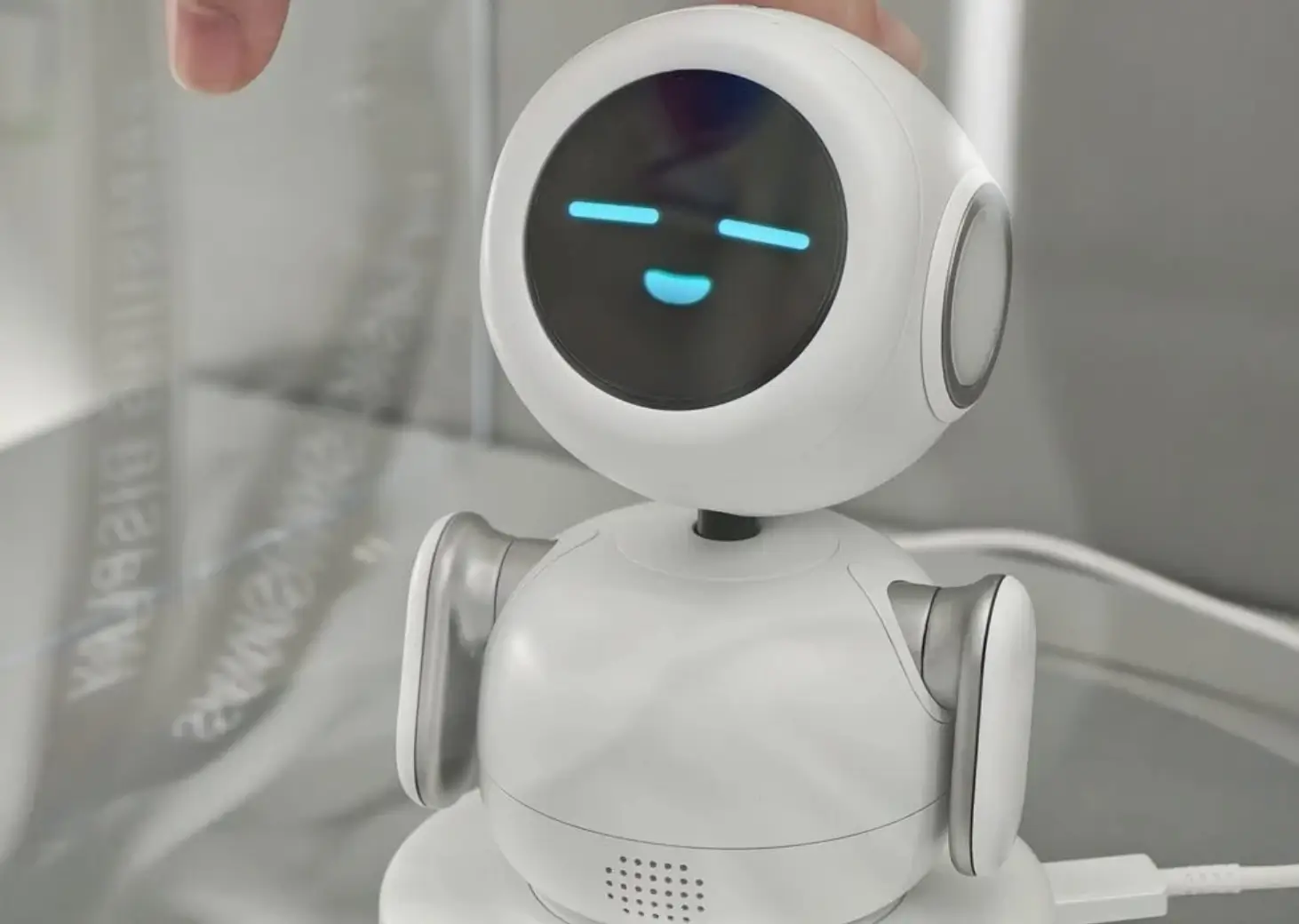
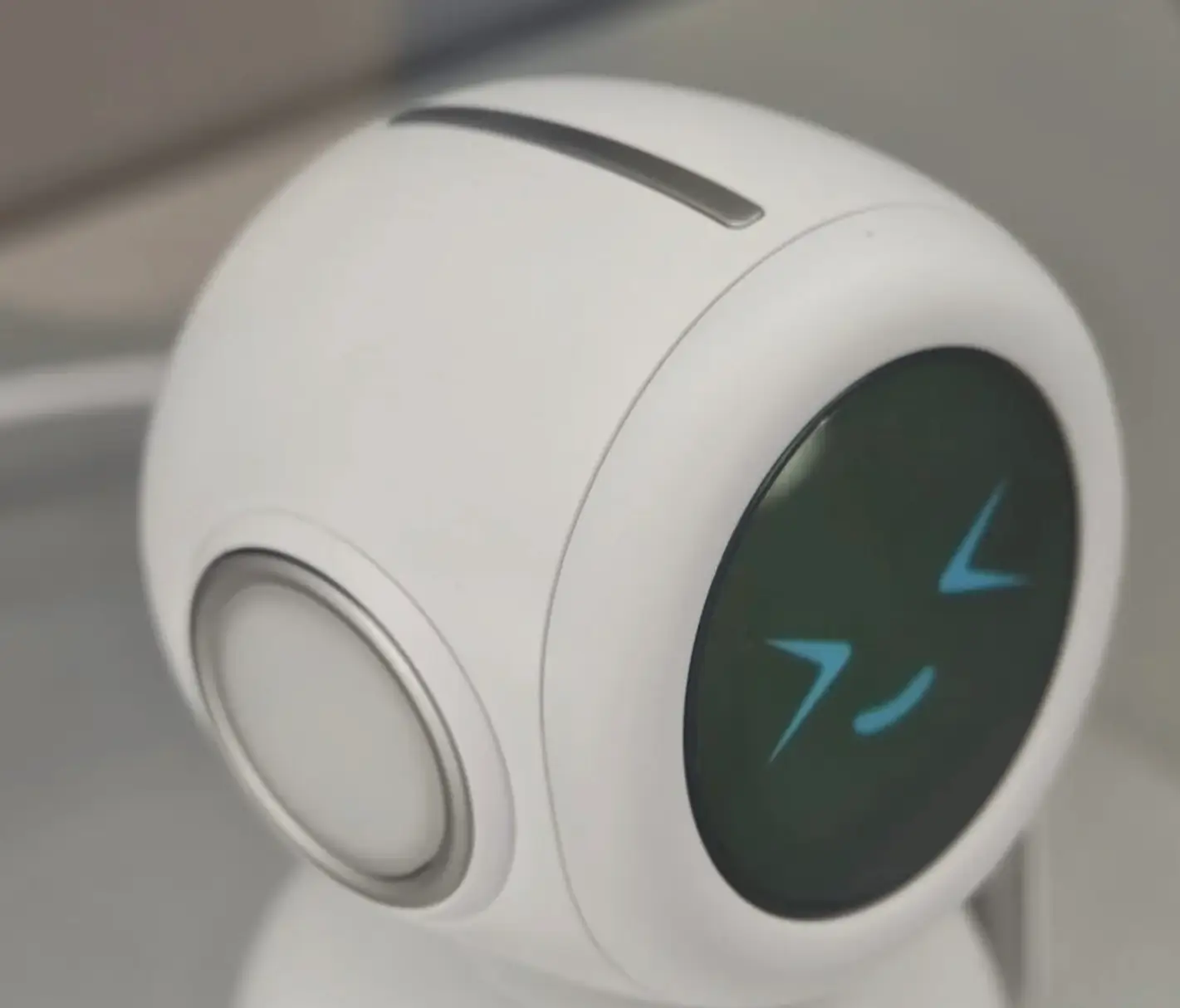
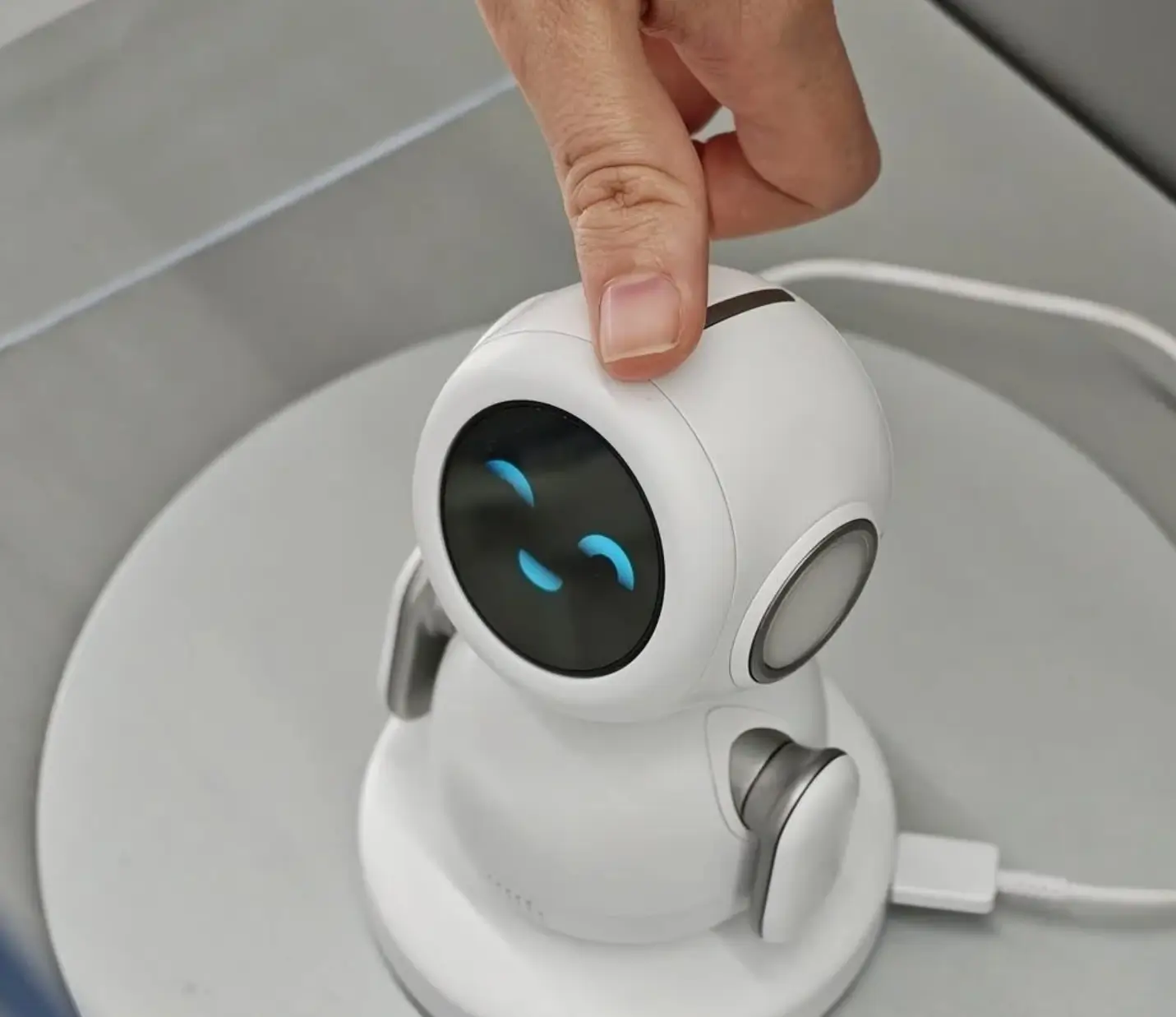
At the heart of the Mini PetBot is a 1.34-inch circular OLED display that acts as the robot’s face. Unlike traditional screens used for information or video playback, this display is dedicated entirely to expressing emotions. Animated eyes blink, widen, and move across the screen as the robot reacts to touch or voice commands.
The design is intentionally simple. The robot’s body is small, rounded, and minimalistic, sitting comfortably on a desk or tabletop. Its circular face avoids the familiar rectangular shape of phones and tablets, which helps the display feel more like a living character rather than a piece of consumer electronics.
When a user interacts with the device—whether by speaking or tapping it—the Mini PetBot responds with animated expressions. It might appear curious, attentive, or even slightly puzzled depending on the interaction. These subtle visual cues create the illusion of personality, transforming a basic AI assistant into something that resembles a companion.
While the technology behind the device is sophisticated, the emotional impact comes from very simple design elements. A pair of blinking digital eyes can dramatically change how humans perceive a machine.
why
The idea behind the Mini PetBot is rooted in human psychology. People are naturally drawn to faces and facial expressions. From infancy, humans learn to read emotions through eye movement, smiles, and subtle shifts in expression.
When technology lacks these cues, interactions can feel sterile or mechanical. Voice assistants like those in smart speakers respond with accurate information, but because they lack visual feedback, conversations can feel oddly incomplete.
By contrast, a device with a visible face can communicate nonverbally. The Mini PetBot’s animated expressions can signal whether it is listening, thinking, confused, or satisfied. Even though users know intellectually that the robot has no real emotions, the presence of a face triggers instinctive social responses.
This phenomenon is known as anthropomorphism, the tendency for humans to attribute human characteristics to non-human objects. Designers of social robots often use this principle to make machines feel more approachable and engaging.
Samsung’s Mini PetBot taps directly into this idea. Rather than presenting AI as a faceless system, it introduces personality into the interface.
tech
The Mini PetBot also serves as a demonstration of the flexibility and capabilities of modern OLED displays. Because OLED panels emit their own light without requiring a backlight, they can produce extremely deep blacks and vibrant colors even in very small sizes.
This makes them ideal for expressive animations. The circular OLED display on the Mini PetBot can show smooth gradients and subtle movements that mimic emotional expressions. Even tiny changes in the shape of the eyes or the tilt of the animation can communicate different feelings.
The round display format plays a crucial role as well. By eliminating the corners typical of rectangular screens, the display feels less like a gadget interface and more like a character’s face. The result is a visual experience that feels organic rather than technical.
For Samsung Display, the Mini PetBot demonstrates that OLED screens can serve as emotional communication tools, not just display panels for media or productivity.
grow
The Mini PetBot arrives at a moment when small companion robots are becoming increasingly popular. Around the world, designers and robotics companies are experimenting with devices that combine artificial intelligence with expressive personalities.
Many of these robots are designed to sit on desks or move around homes, acting as playful assistants or companions. Some respond to voice commands, others react to touch or environmental changes. The goal is not just functionality but companionship.
While Samsung’s concept focuses primarily on display technology, it hints at how future robots might combine AI capabilities with emotional design.
The Mini PetBot’s approach is particularly interesting because it keeps the physical design minimal while allowing the display to carry the entire emotional experience. Instead of complex mechanical facial features, the robot relies on digital animation to convey personality.
show
The Mini PetBot also connects to Samsung’s broader ambitions in AI robotics. In recent years the company has introduced several prototypes aimed at bringing intelligent companions into the home.
One of the most notable examples is Samsung Ballie, a small rolling robot designed to act as a home assistant. Ballie can navigate rooms, control smart home devices, and even project information onto walls or surfaces.
While Ballie focuses on practical functionality—home monitoring, automation, and mobility—the Mini PetBot explores a different aspect of the AI experience: emotional interaction.
Together, these projects suggest that Samsung envisions a future where AI assistants are no longer confined to smartphones or speakers. Instead, they may take on physical forms that interact with people visually and socially.
fin
As artificial intelligence continues to evolve, the biggest challenges may not be technological but psychological. AI systems are becoming more powerful every year, but for them to be truly integrated into daily life, they must also feel approachable and trustworthy.
Devices like the Mini PetBot hint at how this transformation might happen. By combining advanced AI software with expressive visual interfaces, companies can create machines that feel less like tools and more like companions.
In the future, AI assistants could appear in many forms: desk companions, wearable devices, augmented reality avatars, or home robots that interact naturally with families. What they share will be an emphasis on personality and communication.
The Mini PetBot is a small step in that direction, but its underlying idea is powerful. Sometimes the difference between a cold machine and a friendly assistant is not a breakthrough algorithm or faster processor.
Sometimes, all it takes is a face.