La Dolce Vita in the Dolomites: Arturo and Bamboo’s Portrait of Cortina

March 6, 2026
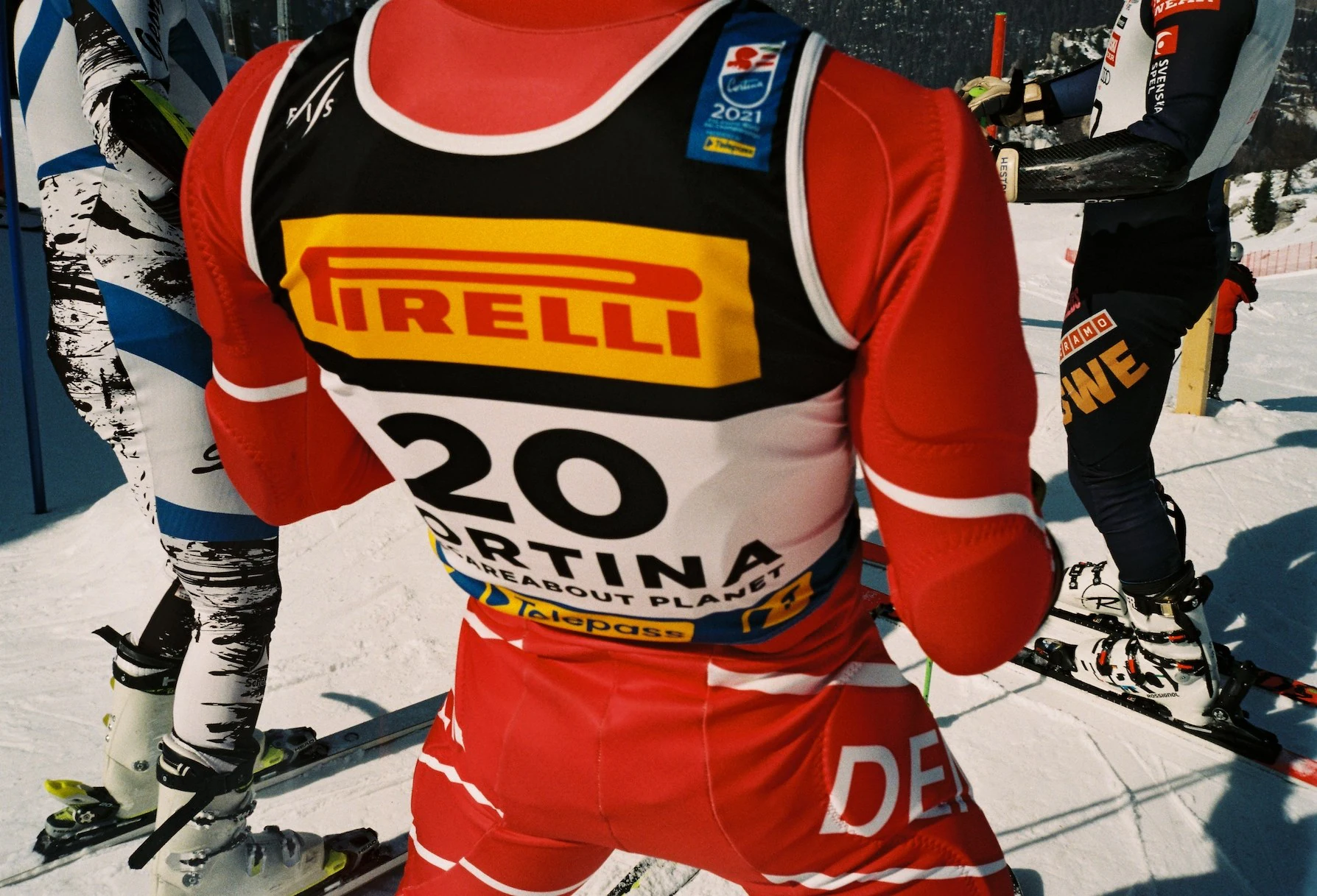

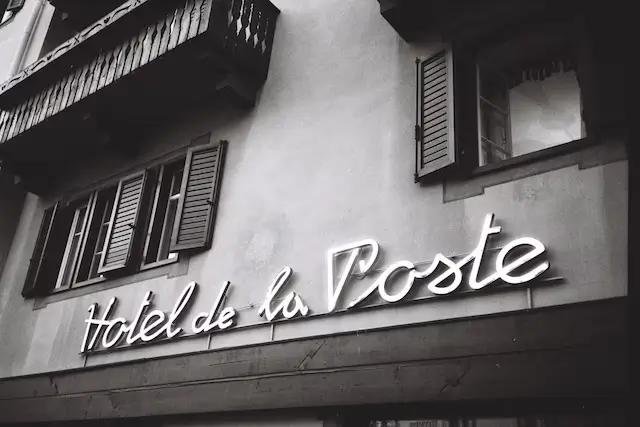
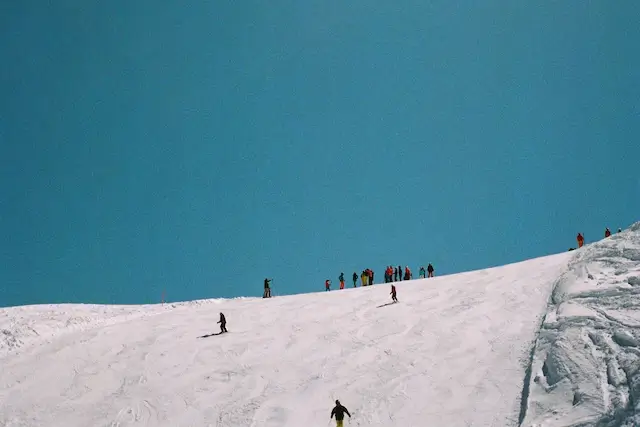
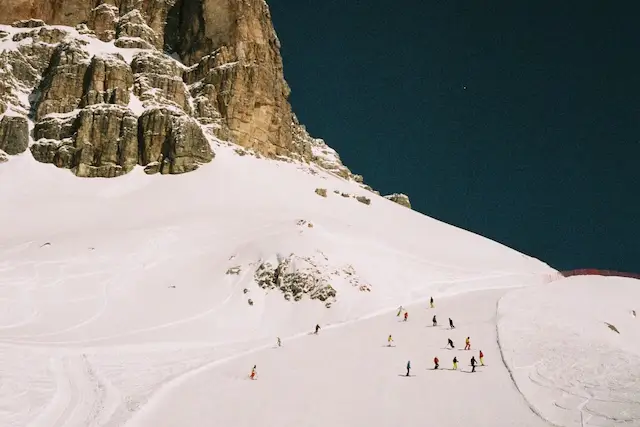

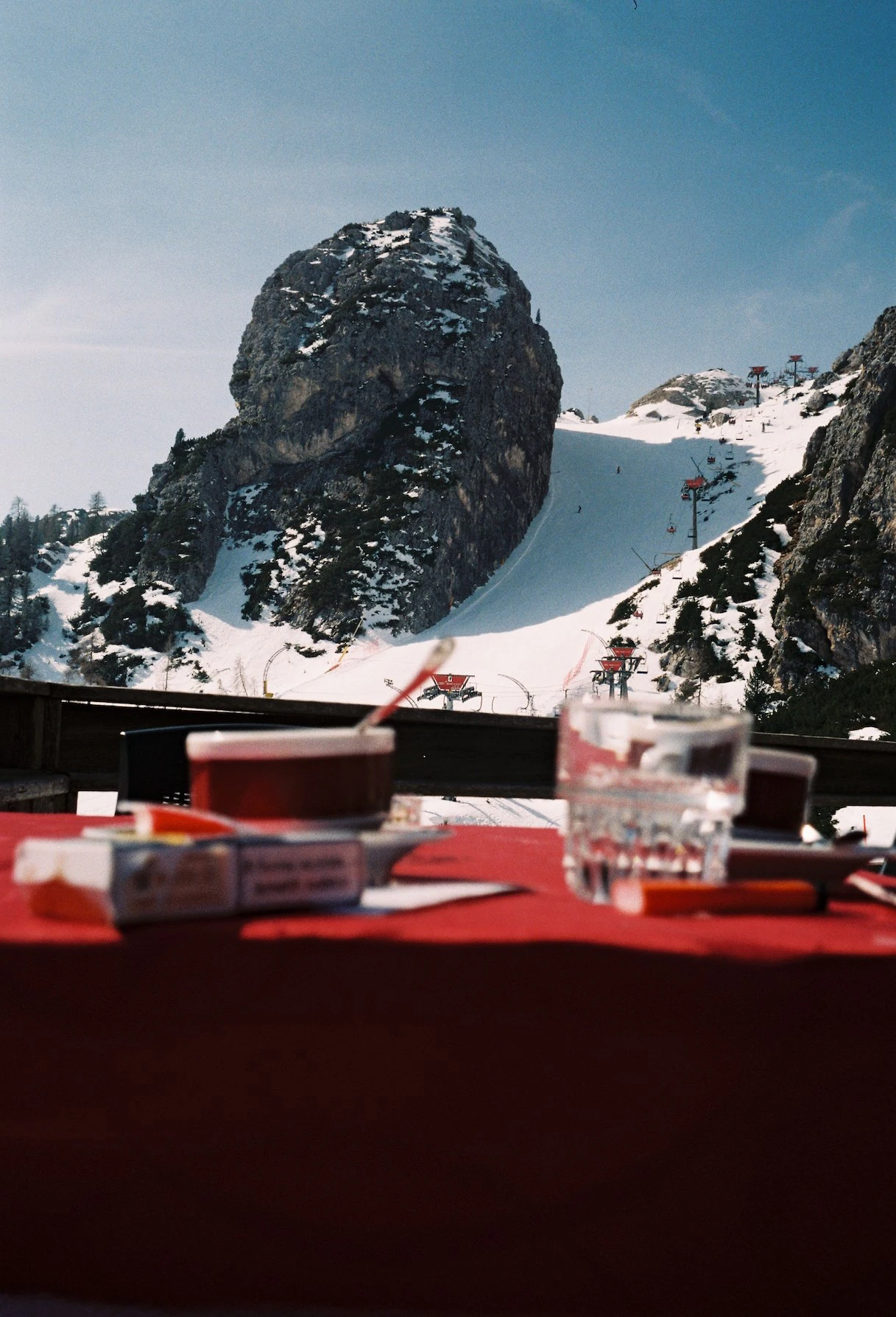
For much of the world in 2026, the Italian alpine town of Cortina d’Ampezzo has become synonymous with the spectacle of the 2026 Winter Olympics. Broadcast images of athletes carving through powder, high-speed downhill races, and crowds gathered beneath the jagged peaks of the Dolomites have framed the town as a stage for elite performance and global spectacle.
Yet beyond the Olympic hype lies another Cortina—quieter, cinematic, and steeped in an atmosphere that feels suspended somewhere between nostalgia and modernity. Photography duo Bamboo van Kampen and Arthur Groeneveld—who work together under the name Arturo and Bamboo—set out to capture precisely that.
Their photographic series CORTINA offers a counterpoint to the adrenaline-driven imagery dominating Olympic broadcasts. Instead of action shots and stadium lights, their images linger on everyday rituals: locals strolling through cobbled streets, skiers resting after a run, and sunlight pouring across town squares. According to the duo, the place retains a “dreamlike atmosphere” that is increasingly rare in a world defined by speed and spectacle.
The result is not merely a travel diary or sports chronicle, but a poetic visual portrait of a town that continues to embody the enduring ideal of la dolce vita.
stir
Long before the Olympic spotlight returned in 2026, Cortina had already established itself as one of Europe’s most storied alpine destinations. Nestled in the heart of the Dolomite mountains in northern Italy, the town sits among towering limestone peaks that glow pink at sunset—a natural phenomenon locals call enrosadira.
Often referred to as the “Queen of the Dolomites,” Cortina has attracted travelers since the nineteenth century, when European aristocrats and artists first discovered its dramatic landscape. The town’s blend of alpine culture, Italian elegance, and natural beauty created a distinctive identity that set it apart from other ski resorts across the Alps.
Its reputation grew further when Cortina hosted the Winter Olympics in 1956, becoming the first Italian city to stage the Games. The event transformed the village into an international destination while establishing a tradition of winter sports that continues today. In 2026, Cortina again co-hosted the Winter Olympics with Milan, bringing global attention back to the town after seventy years.
Yet even as tourism expanded, Cortina retained a unique balance between glamour and authenticity. Along its pedestrian-friendly main street, Corso Italia, luxury boutiques coexist with family-run cafés and bakeries. Ski lifts rise above centuries-old farmhouses, while cable cars glide past wooden chalets that seem untouched by time.
idea
For Arturo and Bamboo, Cortina’s enduring allure lies precisely in this mixture of history, landscape, and lived experience. The photographers first visited the town years before the Olympic buzz began to dominate headlines.
Their reaction, they say, was immediate. The environment felt unlike anything they had encountered elsewhere in the Alps.
Unlike the more polished resorts of Switzerland or France, Cortina offered something softer and more cinematic—an atmosphere shaped by the rhythms of Italian life rather than purely by tourism. The photographers describe arriving in the town and feeling as though they had stepped into another era.
That sense of discovery ultimately led them to return repeatedly, building a body of work that spans multiple visits. Their series reflects the cumulative impressions gathered over time: snowy slopes in early morning light, empty piazzas at dusk, and quiet moments of rest after a day on the mountain.
The goal was never to dramatize the location, but to observe it with patience. The duo maintain a straightforward approach to photography: they do not stage scenes or manipulate colors afterward. Instead, they capture what exists naturally in front of them.
This philosophy gives their images a documentary authenticity that contrasts sharply with the stylized visuals often associated with luxury travel campaigns.
flow
One of the most compelling aspects of the project is its focus on the daily life of Cortina’s residents. While the Olympics attract thousands of visitors and global media attention, the town remains home to a close-knit community that experiences the event quite differently.
For locals, the arrival of the Games brings both excitement and disruption. International exposure can boost tourism and economic activity, but it also transforms the rhythm of everyday life. Streets become crowded, infrastructure expands, and the quiet pace that defines mountain living is temporarily replaced by a whirlwind of activity.
The photographers were fascinated by this tension. Their images frequently capture the subtle coexistence of two worlds: the calm routines of local life and the dramatic presence of elite winter sports.
In one frame, skiers adjust their equipment outside a traditional alpine hut. In another, a cable car glides above farmland. These juxtapositions reveal how closely sport and daily life intersect in mountain towns.
Rather than portraying the Olympics as the defining feature of Cortina, the series suggests that the town’s deeper character exists independently of any global event.
tradition
A recurring theme in the photographs is the evening passeggiata—the leisurely stroll that remains one of Italy’s most beloved cultural rituals.
As the sun dips behind the Dolomite peaks, locals gather along Cortina’s cobbled streets. Couples walk arm in arm, families linger outside cafés, and shop windows glow warmly against the fading light. The act itself is simple, but its symbolism runs deep.
The passeggiata embodies a philosophy of life that values presence and connection. It is less about exercise and more about conversation, observation, and community.
In the context of Cortina, the ritual feels particularly poetic. Surrounded by towering mountains and centuries-old architecture, residents move through the town at a pace that contrasts sharply with the high-speed spectacle unfolding on nearby slopes.
For Arturo and Bamboo, capturing these moments was essential. The photographs reveal a quieter narrative of Cortina—one rooted in human interaction rather than athletic competition.
cin
If Cortina feels cinematic, it is not merely metaphorical. The town has long served as a backdrop for film productions, including sequences in classic European cinema and Hollywood thrillers.
Its dramatic setting—steep cliffs, snow-covered forests, and sweeping alpine vistas—creates a natural stage that seems almost designed for storytelling.
The photographers lean into this cinematic quality by emphasizing natural light and composition. Sunbeams stretch across town squares, casting long shadows that frame everyday scenes with painterly elegance. Snow reflects golden hues during sunrise, while twilight turns the mountains deep shades of violet and blue.
These visual elements evoke the romantic imagery often associated with mid-century photography of the jet-set lifestyle. Legendary photographer Slim Aarons famously captured Cortina’s glamorous ski culture during the twentieth century, portraying celebrities and aristocrats enjoying winter leisure against the same Dolomite backdrop.
Arturo and Bamboo’s work echoes that legacy while presenting a more contemporary perspective.
show
One of the most intriguing aspects of Cortina is its ability to exist simultaneously in multiple eras.
On one hand, the town maintains traditions that date back centuries: wood-carved chalets, family-owned mountain huts, and seasonal festivals rooted in alpine culture. On the other, luxury boutiques and modern ski infrastructure signal the influence of global tourism.
This duality appears throughout the photography series. In some images, vintage ski gear hangs outside rustic lodges. In others, sleek cable cars glide past traditional architecture.
The photographs do not attempt to resolve this tension. Instead, they present it as an essential part of Cortina’s identity.
The town feels timeless precisely because it contains layers of history, each visible in the architecture, landscape, and daily routines of its residents.
centre
Despite the focus on human activity, nature remains the dominant presence throughout the series.
The Dolomites, designated a UNESCO World Heritage Site, form a jagged skyline that dwarfs the town below. Their pale limestone surfaces catch sunlight in extraordinary ways, shifting color throughout the day.
Standing beneath these peaks, visitors often experience a sense of scale that is both humbling and exhilarating. Arturo and Bamboo frequently describe this feeling as central to their experience of Cortina.
Even after decades of visitors returning year after year, the mountains continue to inspire awe. Locals and tourists alike can be heard expressing the same simple reaction: bellissimo.
In many photographs, human figures appear small against the vast alpine landscape—a visual reminder that the mountains ultimately define the town.
fwd
The photographers describe their project as partly inspired by early twentieth-century travel postcards. At that time, artists often produced illustrated booklets showcasing famous destinations through stylized imagery.
These postcards were not merely souvenirs; they shaped how people imagined places they had never visited.
By referencing this tradition, Arturo and Bamboo place their work within a longer history of visual storytelling about travel. The difference lies in their commitment to authenticity. Instead of romanticizing Cortina through heavy editing or staging, they allow the town’s atmosphere to emerge naturally.
The resulting images feel both nostalgic and contemporary—a bridge between historical travel imagery and modern documentary photography.
endure
In an era dominated by rapid development and digital spectacle, locations that retain a genuine sense of atmosphere are increasingly rare.
Cortina d’Ampezzo remains one of them. Its combination of alpine grandeur, Italian lifestyle, and cultural history creates an environment that resists simple categorization.
For visitors arriving during the Olympic Games, the town may appear primarily as a sporting arena. Yet beyond the crowds and television cameras lies a quieter reality.
It is found in the rhythm of footsteps along cobbled streets, in the glow of café lights at dusk, and in the silent presence of mountains that have stood unchanged for millennia.
Arturo and Bamboo’s photographs capture this subtle magic. They remind us that places are more than the events that temporarily define them.
Cortina may host world-class competitions, but its true identity exists in the everyday moments that unfold long after the crowds disappear.
sum
The Olympic Games have once again placed Cortina d’Ampezzo on the world stage, showcasing its slopes and stadiums to millions of viewers. Yet the photographic series CORTINA invites us to look beyond that spectacle.
Through patient observation and a commitment to authenticity, Arturo and Bamboo reveal a deeper portrait of the town—one shaped by tradition, landscape, and the quiet rituals of daily life.
Their work reminds us that the essence of la dolce vita cannot be reduced to glamorous images or sporting triumphs. It exists instead in the delicate balance between movement and stillness, modernity and memory.
In Cortina, that balance endures. And thanks to these photographs, the dreamlike atmosphere that first captivated the artists can now be experienced by audiences far beyond the Dolomites.

No comments yet.