From Liverpool to Milan: EsDeeKid’s Breakout Moment at Gucci AW26

March 6, 2026
flow
“I’m all about my passions, music, money and fashion.”
The line comes from the track Phantom, arguably the defining record in the short but explosive career of EsDeeKid. Released as part of his breakthrough album Rebel, the lyric reads like a manifesto—one that has become increasingly prophetic over the last two years.
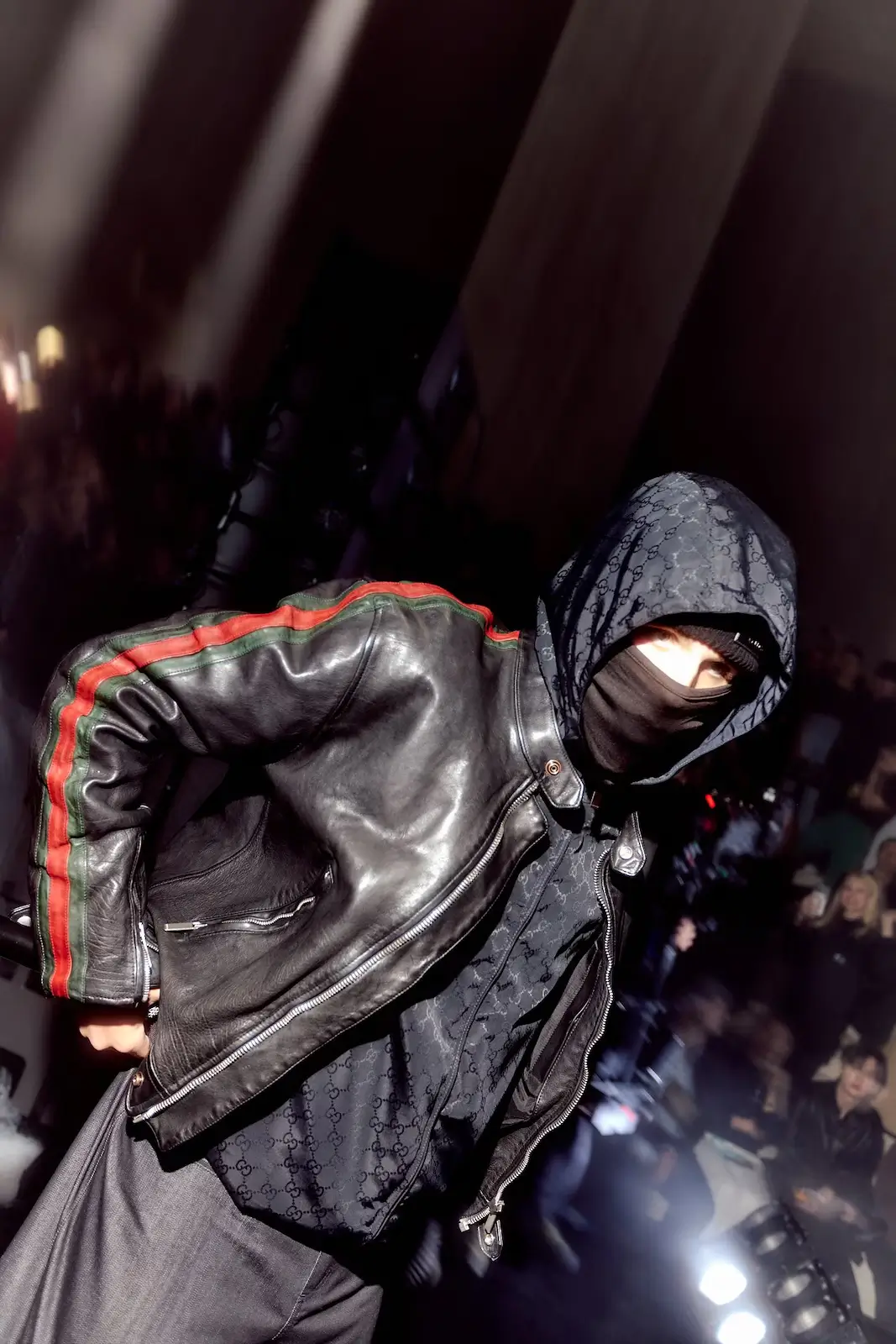
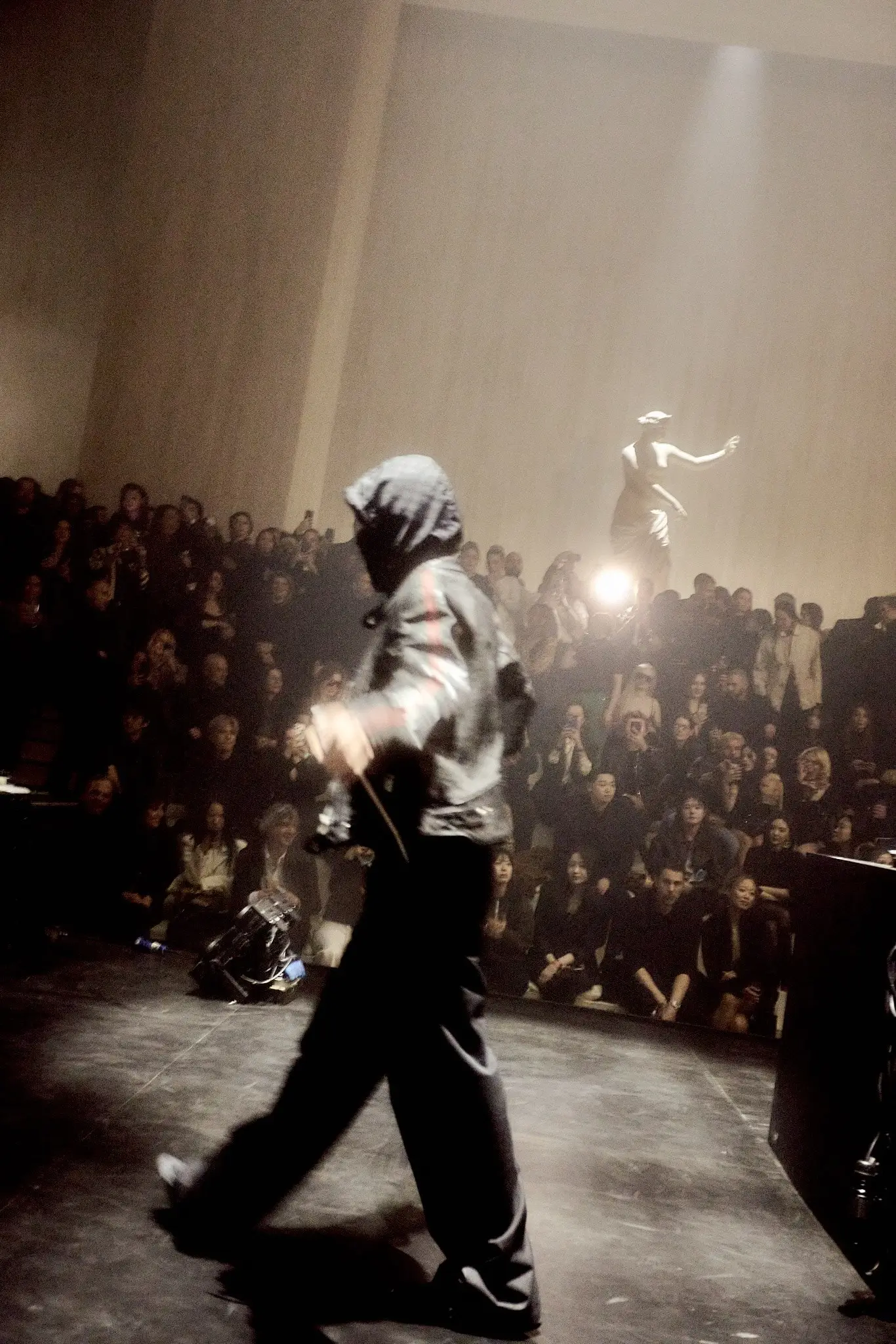
On February 27, during the afterparty of the Gucci Autumn Winter 2026 show in Milan, EsDeeKid delivered a high-energy performance that signaled something larger than a simple guest appearance. It marked the moment where UK underground rap culture collided with global luxury fashion.
The event itself carried historic significance. It was the debut runway presentation of Demna Gvasalia as artistic director of Gucci. In the crowd were editors, stylists, celebrities, and industry insiders—but when EsDeeKid took the stage, attention shifted from the runway to the sound system.
For a rapper who only recently emerged from Liverpool’s underground scene, performing at a luxury fashion afterparty in Milan might once have seemed improbable. Today, it feels inevitable.
stir
Like many of the most compelling artists in the UK rap landscape, EsDeeKid’s story begins locally.
Raised in Liverpool, he came up surrounded by a city known more historically for rock heritage than rap culture. Yet Liverpool’s youth scene has been quietly building its own rap ecosystem over the last decade. EsDeeKid became one of the figures pushing that movement forward.
His music draws from several currents within contemporary British hip-hop:
-
UK drill’s rhythmic aggression
-
melodic rap influences
-
gritty street storytelling
But what sets him apart is the unmistakable Scouse identity in his voice and delivery. Where many UK rappers adopt the sonic conventions of London drill scenes, EsDeeKid leans into regional authenticity. His accent, slang, and references firmly root his music in Liverpool.
That authenticity has proven crucial to his appeal.
Listeners gravitate toward artists who feel real. And EsDeeKid’s rise has been powered less by industry strategy and more by grassroots momentum.
score
The turning point arrived with the release of his album Rebel.
While the project contained several strong tracks, it was Phantom that truly ignited his career. The song spread quickly across social platforms, gaining traction through short-form videos and fan edits.
Within months, the track became a viral staple across TikTok, Instagram Reels, and UK rap playlists.
Its appeal lies partly in the track’s simplicity. The hook is memorable, the beat minimal but heavy, and the lyrics direct. Yet beneath the straightforward structure is a sense of ambition.
The line about “music, money and fashion” captured the aspirational energy of a new generation of artists navigating both cultural and commercial worlds.
For EsDeeKid, that lyric has become symbolic of his trajectory.
show
Fashion has always maintained a complicated relationship with music.
From punk to hip-hop, entire subcultures have emerged from the intersection of sound and style. In recent years, luxury brands have leaned heavily into rap culture as a source of authenticity and relevance.
The presence of EsDeeKid at the Gucci afterparty was not accidental.
Under the direction of Demna Gvasalia, Gucci appears poised to embrace a more street-aligned aesthetic. Demna built his reputation blending luxury with subculture during his tenure at Balenciaga, where underground artists and internet culture frequently influenced runway narratives.
Bringing EsDeeKid into that environment felt like a natural extension of that philosophy.
The rapper’s own personal style already aligns with the fashion world’s appetite for hybrid identities—part streetwear, part luxury, part raw authenticity.
For an industry increasingly interested in cultural credibility, artists like EsDeeKid represent something brands cannot easily manufacture.
gen
EsDeeKid’s success also reflects a broader shift in the UK rap ecosystem.
For years, the genre’s international identity was dominated by London artists. But digital distribution has flattened geography. Regional scenes across the UK—from Manchester to Birmingham to Liverpool—are now producing artists capable of breaking globally.
Streaming platforms and social media have made it possible for artists to bypass traditional gatekeepers.
EsDeeKid is a product of this decentralized landscape.
Instead of building his audience through radio or major-label promotion, his rise has largely been organic. Viral clips, fan engagement, and consistent releases helped him cultivate a loyal following before the wider industry caught on.
By the time fashion brands and international promoters began paying attention, the fanbase already existed.
milan
The Gucci AW26 afterparty performance now stands as a defining milestone.
Fashion week events often function as cultural crossroads. Musicians, artists, designers, and media figures all converge in the same spaces, generating unexpected collaborations and moments.
When EsDeeKid stepped onto the stage in Milan, he wasn’t simply performing for a crowd of fashion insiders.
He was performing for an industry that increasingly recognizes music as one of its most powerful cultural drivers.
The symbolism was difficult to miss.
A rapper from Liverpool—an artist who rose through grassroots virality rather than traditional industry channels—standing at the center of one of fashion’s most prestigious global events.
For many observers, the moment confirmed what fans had already sensed: EsDeeKid had moved beyond the underground.
idea
Part of what makes EsDeeKid compelling is the absence of excessive polish.
In an era where artists often debut fully packaged with branding strategies and corporate partnerships, his rise still carries the rough edges of authenticity.
His lyrics remain rooted in personal narrative rather than marketing language.
His visuals maintain a street-level realism.
Even his fashion choices feel instinctive rather than curated.
Ironically, it is precisely this lack of overt calculation that has made him attractive to fashion brands and global audiences.
Authenticity has become one of the most valuable currencies in contemporary culture.
And EsDeeKid has it in abundance.
what
Predicting the trajectory of a rapidly rising artist is never simple.
The music industry is notoriously volatile. Viral success can fade as quickly as it appears. Yet several indicators suggest EsDeeKid’s rise may have deeper foundations.
First, his audience growth has been steady rather than explosive. That kind of gradual expansion often signals genuine fan loyalty.
Second, his ability to move fluidly between music and fashion spaces suggests a broader cultural relevance.
And finally, his Liverpool identity provides a distinctive voice within the increasingly crowded UK rap landscape.
If he continues to build on these strengths, the Milan moment may eventually be remembered not as the peak of his early career—but as the beginning of his international chapter.
sum
Two years ago, EsDeeKid was still emerging from Liverpool’s local rap scene.
Today, he is performing at global fashion events, racking up millions of streams, and becoming one of the most recognizable new voices in British rap.
The lyric from Phantom—music, money and fashion—was never just a line.
It was a roadmap.
And judging by the pace of his ascent, EsDeeKid seems determined to follow it all the way to the top.

No comments yet.