
Milanese Timepieces Are a Mélange of Mood, Tone, and Supersaturated Pigment

March 6, 2026


where
Milan has long functioned as a laboratory for visual experimentation. From fashion to furniture, the city thrives on a restless interplay between heritage and innovation. In recent years, that spirit has extended into horology, giving rise to a new generation of Milanese timepieces that prioritize color as much as mechanics.
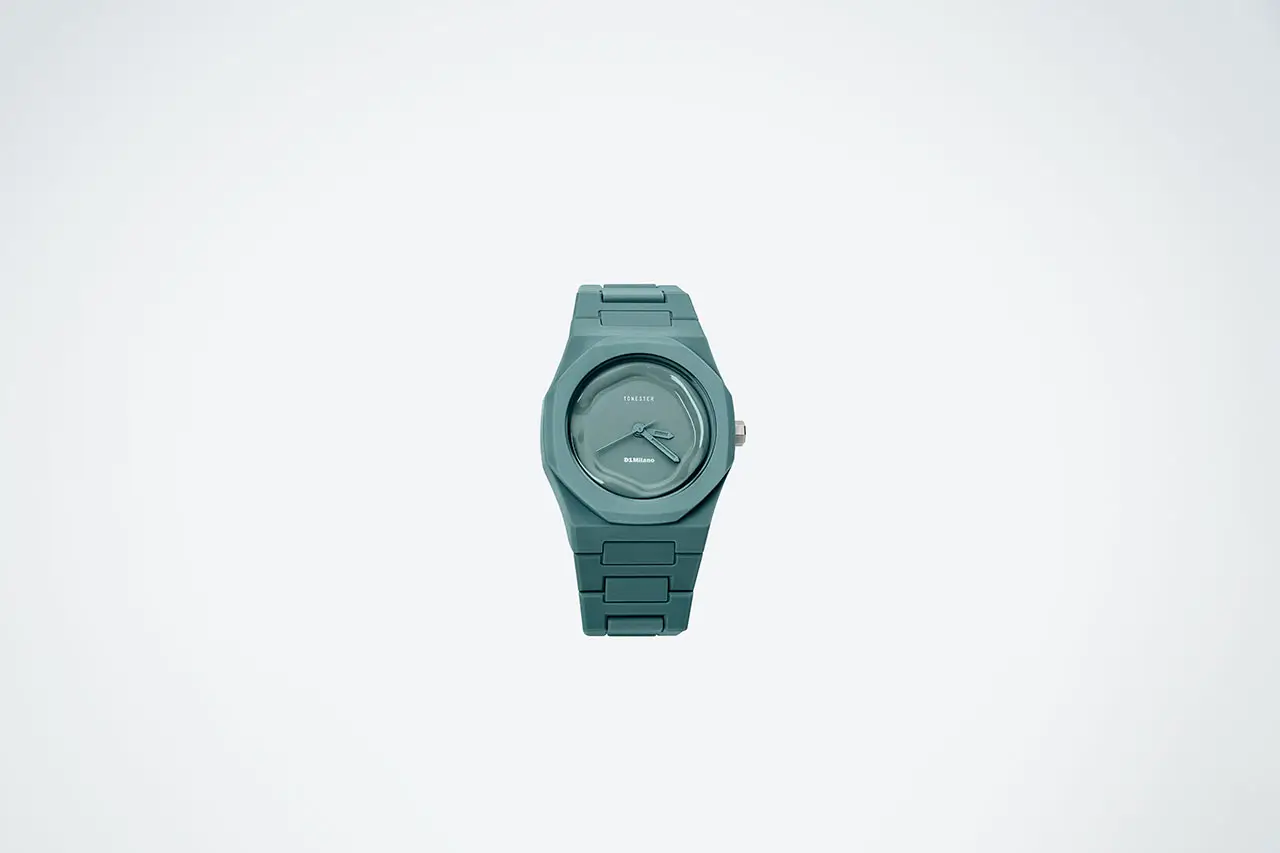
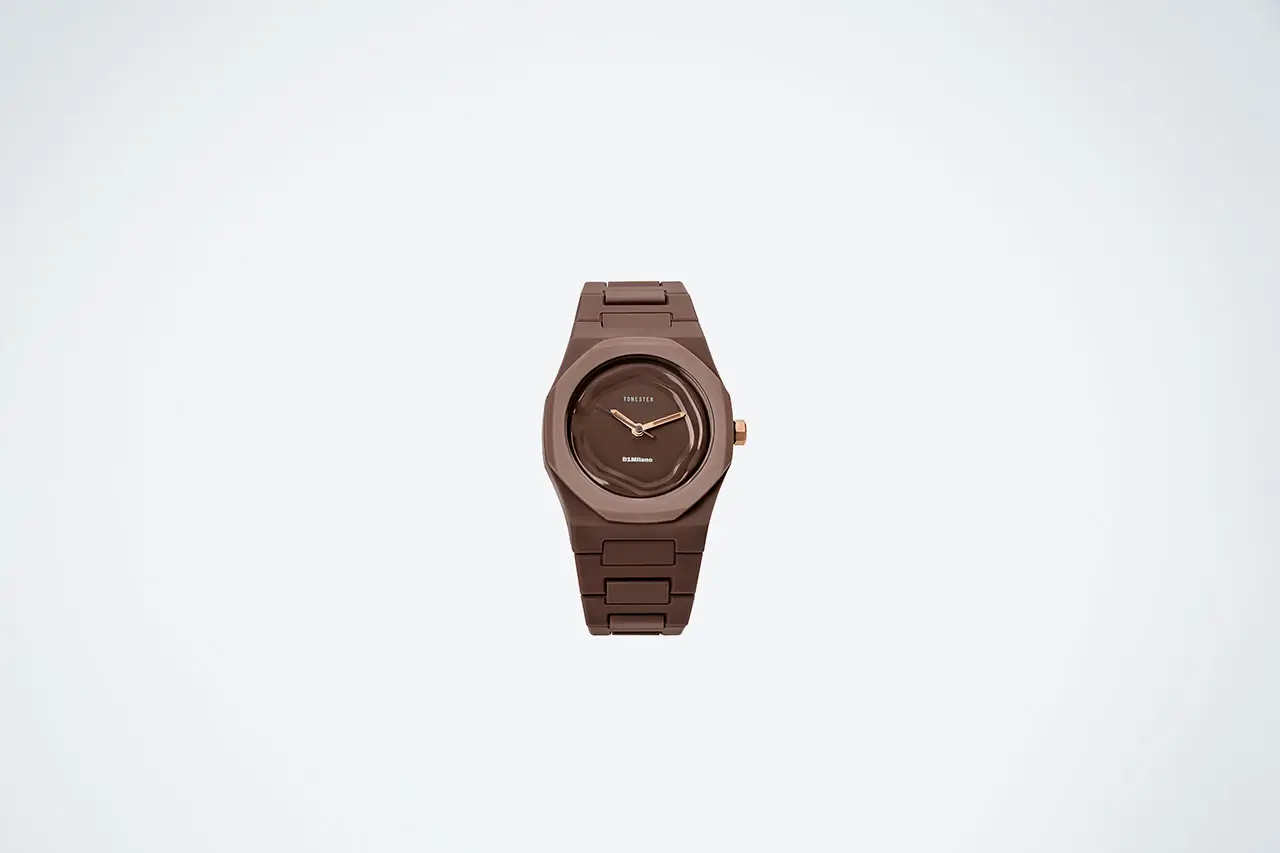
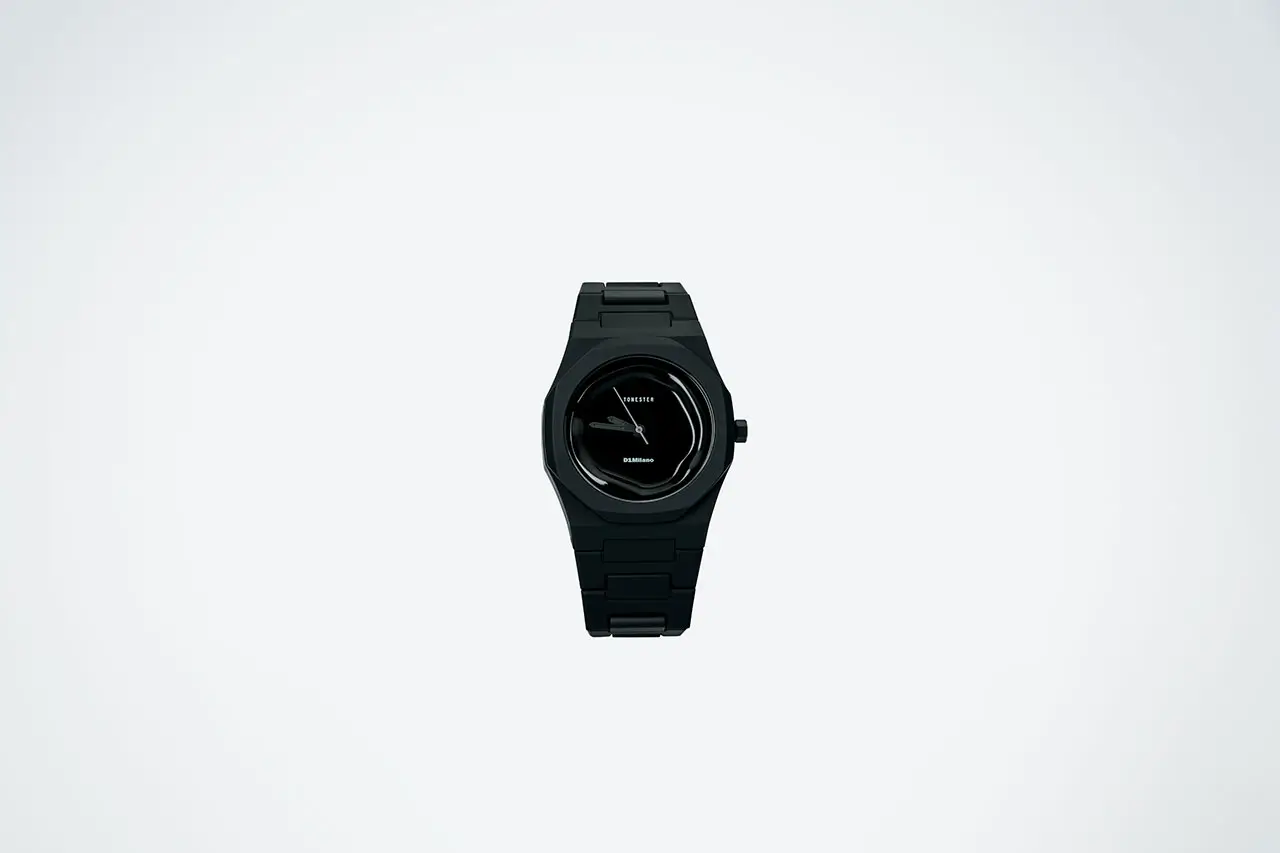
These watches are not merely instruments that track hours and minutes. Instead, they operate as compact works of design—small canvases where tone, pigment, and texture interact with precision engineering. Supersaturated hues appear across dials like painterly gestures, echoing the visual language of modern art while retaining the discipline of traditional watchmaking.
In a cultural landscape where minimalist monochrome once dominated opulent accessories, Milan’s watch designers are charting a different course. Their creations revel in chromatic intensity: citrus yellows, cobalt blues, vermilion reds, and electric greens that seem to vibrate against polished steel or brushed titanium cases.
The result is a category of watches that feel distinctly Milanese—expressive, stylish, and rooted in a long tradition of design experimentation.
flow
Milan’s relationship with timekeeping stretches back centuries, yet its modern watch identity owes much to the city’s broader design ecosystem. Unlike Switzerland, where horology evolved primarily through engineering traditions, Milan approached watchmaking through aesthetics and industrial design.
This difference shaped a distinctive philosophy. Rather than prioritizing mechanical complexity alone, Milanese watch studios began treating the wristwatch as an object within a larger visual culture—one influenced by architecture, graphic design, and contemporary art.
The seeds of this approach were planted during the postwar design boom. Italian designers explored bold geometry, experimental materials, and radical color palettes across furniture and fashion. Those same ideas eventually migrated to watches.
The Milanese mesh bracelet, now a global watch staple, exemplifies this tradition. Its flexible woven steel construction combines elegance with industrial clarity—an object both decorative and functional. In the contemporary era, that same philosophy continues to inform the city’s watch designers.
Today’s Milanese timepieces often feature:
-
expressive color palettes
-
sculptural case forms
-
art-inspired dial compositions
-
modern typography
-
restrained yet tactile materials
This blend of creativity and engineering allows Milanese watches to occupy a unique niche within the global watch industry.
lang
Color in Milanese watch design is rarely arbitrary. Instead, designers treat pigment as a structural element—one that shapes mood, identity, and visual hierarchy.
Supersaturated tones dominate many of these timepieces. Dials appear coated in enamel-like finishes that amplify color intensity. Some watches layer pigments beneath translucent lacquers, creating a sense of depth reminiscent of automotive paint.
Other models experiment with matte finishes, allowing pigment to absorb light rather than reflect it. This produces a velvety surface that changes subtly throughout the day.
These chromatic experiments serve multiple purposes.
First, color enhances legibility. Contrasting tones between dial, markers, and hands allow time to be read instantly. But beyond functionality, color also establishes emotional resonance.
A bright orange dial conveys kinetic energy. Deep navy suggests calm authority. Acid green evokes futuristic optimism.
In this way, Milanese watches transform timekeeping into an emotional experience.
move
The visual language behind these watches often draws inspiration from the art movements that shaped modern Italy.
The geometric discipline of mid-century modernism appears in sharply defined hour markers and symmetrical dial layouts. Meanwhile, the playful chromatic experimentation associated with radical design collectives of the 1960s and 1970s resurfaces in vibrant color-blocked compositions.
Contemporary artists also influence Milanese watch aesthetics. Supersaturated pigments evoke the visual strategies of modern abstract painting, where color becomes both subject and structure.
Some dials resemble miniature canvases. A single uninterrupted color field stretches across the watch face, punctuated only by minimalist hands. In other designs, subtle gradients transition from one tone to another, mimicking atmospheric shifts in light.
The result is a category of watches that feels closer to art objects than purely technical devices.
mat
Pigment alone cannot produce the visual impact these watches achieve. Materials play an equally crucial role.
Designers carefully select surfaces that interact with color in distinctive ways. Sunburst metal dials radiate light outward from the center, intensifying saturated tones. Ceramic surfaces create ultra-smooth finishes that allow pigments to appear almost liquid.
Anodized aluminum introduces vibrant hues that seem embedded within the metal itself. Meanwhile, sapphire crystals with anti-reflective coatings ensure that dial colors remain clear and luminous under varying lighting conditions.
Even the cases surrounding these dials contribute to the visual composition. Brushed stainless steel offers a neutral frame that emphasizes color, while black PVD coatings heighten contrast and drama.
These material choices demonstrate a careful understanding of how color behaves in physical space.
culture
The resurgence of color in watch design reflects broader shifts in fashion and culture. As streetwear, art collaborations, and experimental design reshape luxury aesthetics, watches have become more expressive accessories.
Milan, with its reputation as a global fashion capital, naturally sits at the center of this movement.
Designers in the city approach watches the same way they approach clothing: as vehicles for identity and mood. A timepiece can complement an outfit, echo a season’s color palette, or function as a statement piece that defines an entire look.
This perspective aligns perfectly with contemporary cultural trends. Consumers increasingly seek objects that combine craftsmanship with individuality. Milanese watches respond to that desire by offering designs that feel both refined and bold.
They are not merely tools—they are expressions of personality.
stir
Why do these vibrant watches resonate so strongly with audiences today?
Part of the answer lies in psychology. Color has a powerful influence on perception and emotion. In environments dominated by neutral palettes and digital interfaces, bold pigments offer a sensory counterbalance.
Supersaturated hues attract attention instantly. They create focal points that break visual monotony.
On a wrist, this effect becomes even more pronounced. The watch dial sits within constant peripheral vision, catching light and movement throughout the day. When rendered in vivid pigments, it becomes a small but persistent source of visual stimulation.
In this way, Milanese watches transform color into a daily ritual.
idea
Despite their artistic appearance, these watches remain rooted in precision engineering. Italian design studios often collaborate with established movement manufacturers to ensure reliability.
Mechanical automatic movements remain popular, prized for their smooth sweeping seconds hands and intricate construction. Quartz movements also appear frequently, offering accuracy and slim case profiles.
The integration of color does not compromise technical integrity. Instead, it enhances the watch’s visual identity while preserving its fundamental purpose.
This balance between art and precision defines the Milanese watch ethos.
fwd
Another reason for the rise of colorful Milanese timepieces lies in fashion’s increasing influence over watch culture.
Historically, watch design was dominated by technical considerations. Today, however, watches exist within a broader ecosystem of fashion accessories. Designers treat them as integral components of personal style.
Runways in Milan often feature watches styled alongside garments that share similar color palettes. Bright pigments in clothing are mirrored by equally vibrant watch dials.
This integration strengthens the emotional connection between wearer and object. A watch becomes part of a curated visual identity rather than a standalone accessory.
rare
The artistic nature of these watches also positions them within the world of collectible design.
Limited production runs allow designers to experiment with unusual color combinations and dial treatments. Collectors increasingly view these watches as design artifacts rather than purely functional objects.
Some releases explore unconventional palettes inspired by architecture, landscapes, or art exhibitions. Others reinterpret classic watch silhouettes using contemporary color theory.
Because of their limited availability and distinct aesthetic identities, these watches often develop cult followings among design enthusiasts.
show
As design boundaries continue to blur between disciplines, Milanese watchmaking is likely to evolve even further.
Advances in materials science may enable new pigment techniques—ceramic composites, nano-coated metals, or color-changing surfaces that react to light and temperature.
Digital fabrication technologies could also allow designers to create dial textures previously impossible through traditional manufacturing.
Yet despite these innovations, the fundamental appeal of Milanese watches will likely remain unchanged. They embody a unique intersection of art, fashion, and engineering.
Their vibrant pigments celebrate color as a design language, transforming the humble wristwatch into a miniature gallery of modern creativity.
sum
They capture something essential about Milan itself—a city where design is not merely functional but expressive, emotional, and culturally resonant.
Supersaturated pigments pulse across watch dials like bursts of creative energy. Tone and texture interact with mechanical precision, producing objects that feel both contemporary and timeless.
In a world increasingly shaped by digital abstraction, these Milanese watches offer something tangible: color you can wear, craftsmanship you can feel, and a reminder that time, like design, is always in motion.


No comments yet.