The Edge of “We Don’t Get Along” by Marshmello and Juice WRLD

March 7, 2026
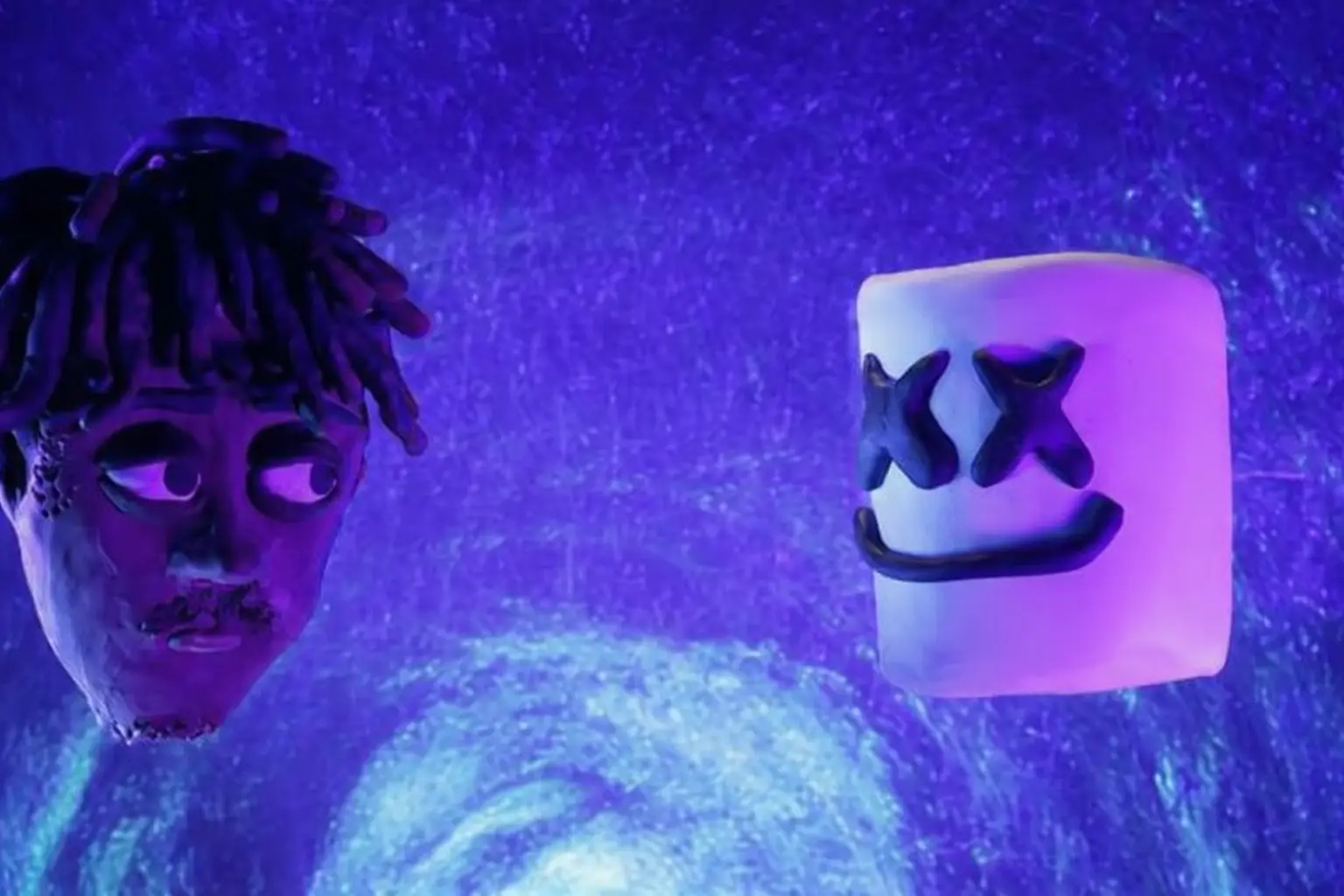
Few collabs in modern hip-hop and electronic music capture emotional tension quite like We Don’t Get Along, a track that blends the melodic vulnerability of Juice WRLD with the atmospheric production style that made Marshmello one of the most recognizable producers of the streaming era. The song stands as a reflection of the complicated relationships that often defined Juice WRLD’s writing—romantic connections full of passion, frustration, and emotional turbulence.
Released during the period when the two artists were experimenting with genre-blending sounds, “We Don’t Get Along” continues the creative chemistry that fans first witnessed on their collaborative project Legends Never Die. Marshmello’s production creates a moody sonic backdrop, combining soft synth textures with restrained percussion. The instrumental gives space for Juice WRLD’s vocals to sit front and center, allowing the emotional narrative of the track to unfold naturally.
stir
At its core, “We Don’t Get Along” explores the messy reality of relationships where love and tension coexist. Juice WRLD was known for transforming personal struggles into raw lyrical confession, and this song follows that pattern. The narrative circles around the push-and-pull dynamic of a relationship that seems impossible to fix yet impossible to leave.
Juice WRLD’s delivery carries a sense of weary honesty. Rather than presenting himself as the hero of the story, he often frames his lyrics through self-reflection, acknowledging mistakes and emotional confusion. That vulnerability is part of what made his music resonate so deeply with listeners, particularly younger audiences navigating their own complicated emotional landscapes.
The repeated theme of miscommunication runs throughout the song. Arguments, misunderstandings, and emotional distance appear as recurring motifs, illustrating how relationships can slowly fracture when trust begins to erode. Instead of dramatic storytelling, Juice WRLD relies on fragments of memory and feeling—lines that feel almost like journal entries turned into melody.
marshmello
Marshmello’s role in the track is equally important. Known for chart-topping hits that lean toward bright pop-EDM, the producer takes a more restrained approach here. The beat is subdued, emphasizing atmosphere over explosive drops.
Soft pads and subtle melodic loops create a dreamlike sonic environment, mirroring the emotional haze of the lyrics. The production avoids overshadowing the vocals, instead acting as a canvas that allows Juice WRLD’s melodies to flow freely. This minimal approach reflects a growing trend in modern hip-hop collaborations with electronic producers, where emotional storytelling takes precedence over club-ready energy.
The song’s structure is intentionally simple. Rather than relying on dramatic beat switches or complex arrangements, it moves steadily from verse to chorus, reinforcing the hypnotic, reflective mood. The result feels intimate—almost like listening to a late-night conversation.
the leg
Songs like “We Don’t Get Along” remind listeners why Juice WRLD’s influence remains so powerful even years after his passing. His ability to merge rap, rock, and melodic pop created a style that blurred genre boundaries and helped define the emotional direction of modern hip-hop.
Where earlier generations of rap often emphasized bravado, Juice WRLD’s music leaned into vulnerability. He openly discussed heartbreak, anxiety, addiction, and loneliness, giving voice to emotions that many listeners struggled to articulate themselves. That authenticity turned songs like this into personal anthems for fans around the world.
In merges with producers like Marshmello, his melodic instincts found new sonic environments. Electronic production allowed his voice to stretch across softer textures, highlighting the emotional complexity that defined his songwriting.
fin
“We Don’t Get Along” may not be the most commercially explosive track from either artist, but it stands out as a deeply human one. The song captures the bittersweet reality of relationships that linger in a gray area between love and conflict.
Through Marshmello’s atmospheric production and Juice WRLD’s emotionally charged vocals, the track becomes more than a simple breakup song. It becomes a snapshot of the messy, unresolved feelings that often define real life.
For listeners returning to Juice WRLD’s catalog, songs like this continue to resonate not just because of their melodies, but because of their honesty. In a music landscape often dominated by spectacle, “We Don’t Get Along” remains quietly powerful—an intimate flow that reflects both artists at their most emotionally transparent.
No comments yet.