Supah Mario Finds a New Groove Between Jazz Improvisation and Trap Precision

March 7, 2026
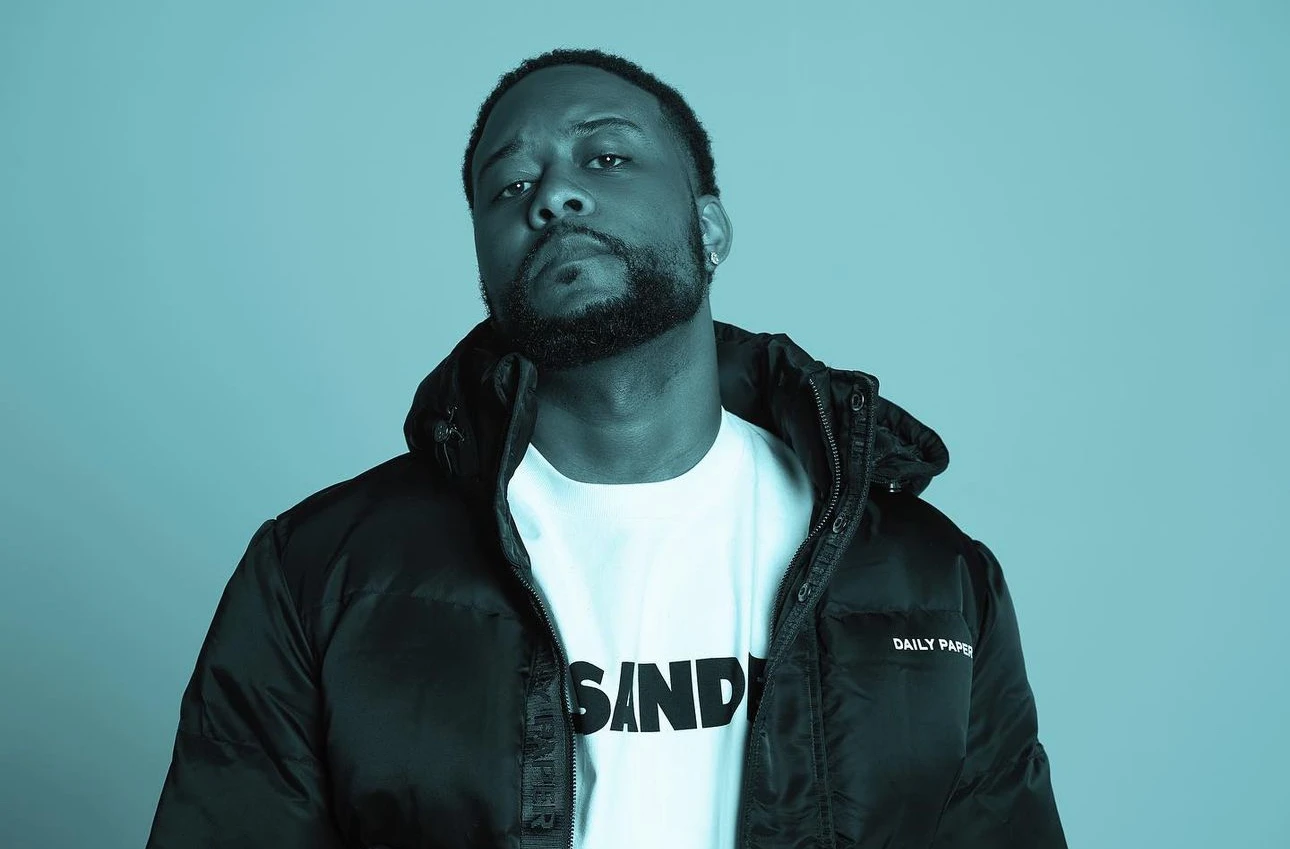
In the modern era of hip-hop production, the producer is often as recognizable as the rapper. The tags that punctuate songs—those few seconds announcing the architect behind the beat—have become sonic signatures. Among them, Supah Mario’s unmistakable tag has echoed across the past decade of rap music.
Known for crafting explosive trap instrumentals for artists such as Young Thug, Drake, Lil Uzi Vert, and Travis Scott, Supah Mario built a career on music that felt simultaneously chaotic and precise. But recently, the South Carolina-born producer surprised listeners by stepping away from the trap formula that made him famous and leaning toward something far more unexpected: jazz.
The pivot reveals a broader trend in contemporary hip-hop production, where beatmakers increasingly return to instrumental traditions and live musicianship. Supah Mario’s journey—from janitor and aspiring drummer to chart-topping producer and experimental jazz bandleader—illustrates how the boundaries between genres continue to dissolve.
flow
Supah Mario, born Jonathan Priester, grew up in Columbia, South Carolina, surrounded by music long before hip-hop production entered the picture. His earliest memories involve playing drums as a child in a musical household where relatives sang and played instruments. That early exposure planted the seeds for the rhythmic instincts that would later define his beats.
Like many producers of his generation, Mario’s technical breakthrough came through software. When he first discovered FL Studio in his teenage years, the interface felt like a video game. The intuitive design made sequencing drums and melodies feel coltish rather than intimidating, and the experience quickly became addictive.
Yet the path to success was far from immediate. Before producing full-time, Mario worked as a janitor while raising a daughter, creating beats during late-night hours after work.
That determination eventually paid off. His early connections in Atlanta’s rap scene opened the door to placements with rising artists, particularly Young Thug. The partnership would prove pivotal.
retro
Supah Mario’s production style thrived alongside the eccentric vocal experiments of Young Thug. Together they built tracks that were melodic yet unpredictable, blending trap percussion with unusual chord structures.
One of the defining moments arrived with “Wyclef Jean,” a standout track from Young Thug’s 2016 project Jeffery. Produced by Supah Mario alongside TM88, the song combined trap drums with Caribbean-inspired rhythms and horns, creating a hybrid sound that felt skittish yet futuristic.
The track helped establish Mario as a producer capable of shaping entire moods rather than simply providing beats. His sound balanced aggression and melody—a duality that became his signature.
By the late 2010s, his credits expanded rapidly. He contributed to albums by artists such as Travis Scott and Quavo and helped shape records across Atlanta’s rap ecosystem. Supah Mario’s work also reached global audiences when he landed production on Drake’s 2017 playlist-style project More Life, one of the most commercially successful hip-hop releases of the decade.
For a producer who had once worked night shifts as a janitor, the transformation was extraordinary.
stir
Supah Mario’s rise occurred during a period when trap production became the dominant sound of mainstream rap. Characterized by rapid hi-hat patterns, booming 808 bass, and atmospheric synths, trap evolved from a regional Southern style into a global musical language.
Producers like Metro Boomin, Southside, and Wheezy helped refine the formula, but Supah Mario’s contributions stood out because of his rhythmic intuition. His background as a drummer allowed him to design percussion patterns that felt dynamic rather than mechanical.
Many of his beats carried a sense of tension: eerie melodies floating over thunderous drums. This contrast between beauty and menace mirrored the lyrical themes common in trap music—stories of ambition, struggle, and survival.
Yet after more than a decade immersed in this sonic environment, Mario began to feel restless.
transition
Around 2025, Supah Mario started exploring ideas that didn’t fit neatly into rap production. Some were originally meant for R&B artists, but when those placements never materialized, he began experimenting further—adding jazz chords, live horns, and extended improvisations.
The result was “DEMO TAPE,” a project built around live musicians rather than digital loops. The record features Mario playing drums himself alongside saxophonists and trumpet players from Atlanta’s jazz community.
The move might seem radical for a producer known primarily for trap, but in many ways it represents a return to his earliest influences. Mario grew up admiring jazz drummers like Dennis Chambers and Dave Weckl, whose virtuosic playing shaped his understanding of rhythm.
What changed was not his musical curiosity but the platform from which he could express it.
the huh
Supah Mario’s jazz project arrives during a moment when genre boundaries are increasingly fluid. Streaming platforms and algorithmic playlists encourage listeners to explore diverse sounds rather than stay within strict categories.
Producers across hip-hop have been reconnecting with jazz traditions. Artists such as Robert Glasper, Terrace Martin, and Kamasi Washington have collaborated with rappers, while producers incorporate live instrumentation into beats that once relied heavily on samples.
For Mario, jazz offered something trap could not: freedom from the rigid structures of mainstream rap production.
Instead of designing beats around verses and hooks, he could let compositions unfold organically, allowing musicians to improvise and interact.
This shift also reflects broader concerns within the music industry. As artificial intelligence tools begin generating synthetic beats and melodies, some musicians have turned toward live performance as a way to emphasize human creativity. Mario himself has described his jazz project as a statement about authenticity in an increasingly automated musical landscape.
In other words, jazz became both an artistic exploration and a philosophical stance.
loc
Another reason the transition feels natural is geography. Although Mario grew up in South Carolina, much of his career developed in Atlanta, one of the most influential music cities in the world.
Atlanta’s reputation often centers on hip-hop, but the city also hosts a vibrant jazz scene. Clubs, universities, and community ensembles nurture musicians who move fluidly between genres. That environment makes collaboration between rappers and jazz players not only possible but common.
For Mario, assembling a group of local musicians allowed him to reconnect with the collaborative spirit that initially drew him to music. Instead of programming beats alone on a laptop, he could build songs in real time with other performers.
The process resembles a jazz band more than a traditional hip-hop studio session.
show
What makes Supah Mario particularly interesting is that he has not abandoned trap production altogether. Instead, he now inhabits two musical identities.
On one side is the hitmaker responsible for booming 808s and chart-ready rap instrumentals. On the other is the drummer experimenting with improvisation and jazz harmony.
This duality mirrors a broader evolution within hip-hop culture. Early rap production relied heavily on jazz samples—from A Tribe Called Quest to Gang Starr—creating a deep historical connection between the genres. Mario’s work represents a modern continuation of that relationship.
Rather than sampling jazz records, he performs the music himself.
fwd
Supah Mario’s journey suggests a larger shift in how producers view their careers. In earlier eras, beatmakers often remained behind the scenes, tied to specific genres. Today, many operate more like composers, releasing their own projects and collaborating across styles.
Streaming audiences are increasingly receptive to these experiments. Instrumental hip-hop, jazz-rap hybrids, and producer-led albums have found devoted listeners online.
For Mario, this environment provides room to explore without abandoning the sound that made him famous.
His jazz project may never dominate the charts in the way his trap beats have, but that was never the point. Instead, it offers a glimpse of what happens when a producer who has already mastered one genre decides to rediscover the joy of playing music.
end
The story of Supah Mario ultimately comes back to rhythm. From childhood drums to trap hi-hats to jazz improvisations, rhythm has been the constant thread connecting every phase of his career.
That rhythmic instinct allowed him to help define the sound of modern trap. Now it is guiding him toward new musical territory where genres blur and creativity takes precedence over expectations.
In an industry often driven by trends and algorithms, Supah Mario’s willingness to follow curiosity rather than formula feels refreshing.
Trap may have introduced him to the world, but jazz might reveal the full scope of his artistry.
No comments yet.