The Headphone (a): Nothing’s Bold Entry Into Accessible Over-Ear Audio

March 8, 2026
lang
Few technology brands have managed to establish a recognizable design language as quickly as Nothing. Since its founding by Carl Pei in 2020, the company has pursued a clear ambition: strip consumer electronics down to their essence while maintaining a jovial and visually distinctive aesthetic. Transparent components, bold graphic accents, and industrial minimalism have become central to the brand’s identity.
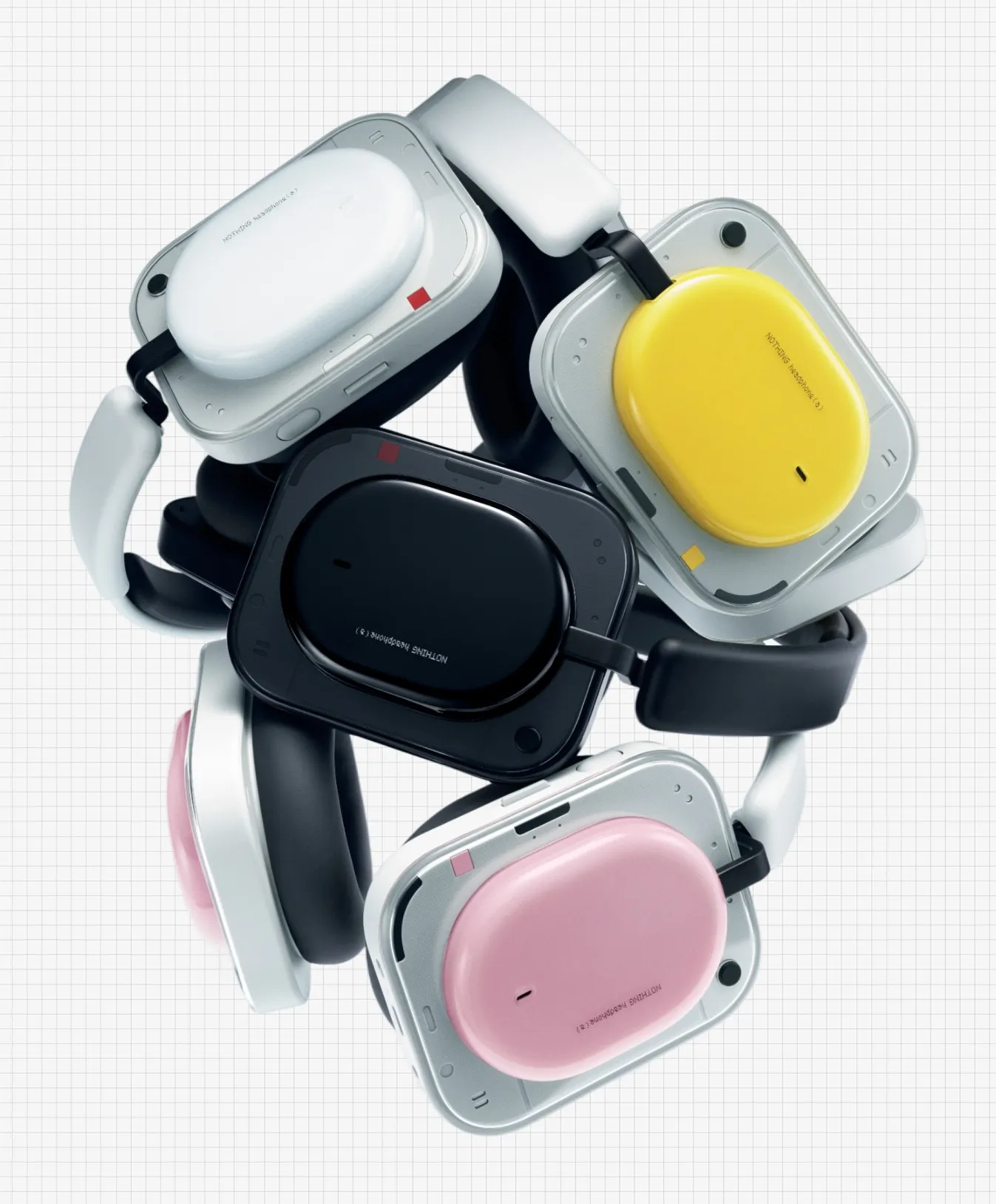
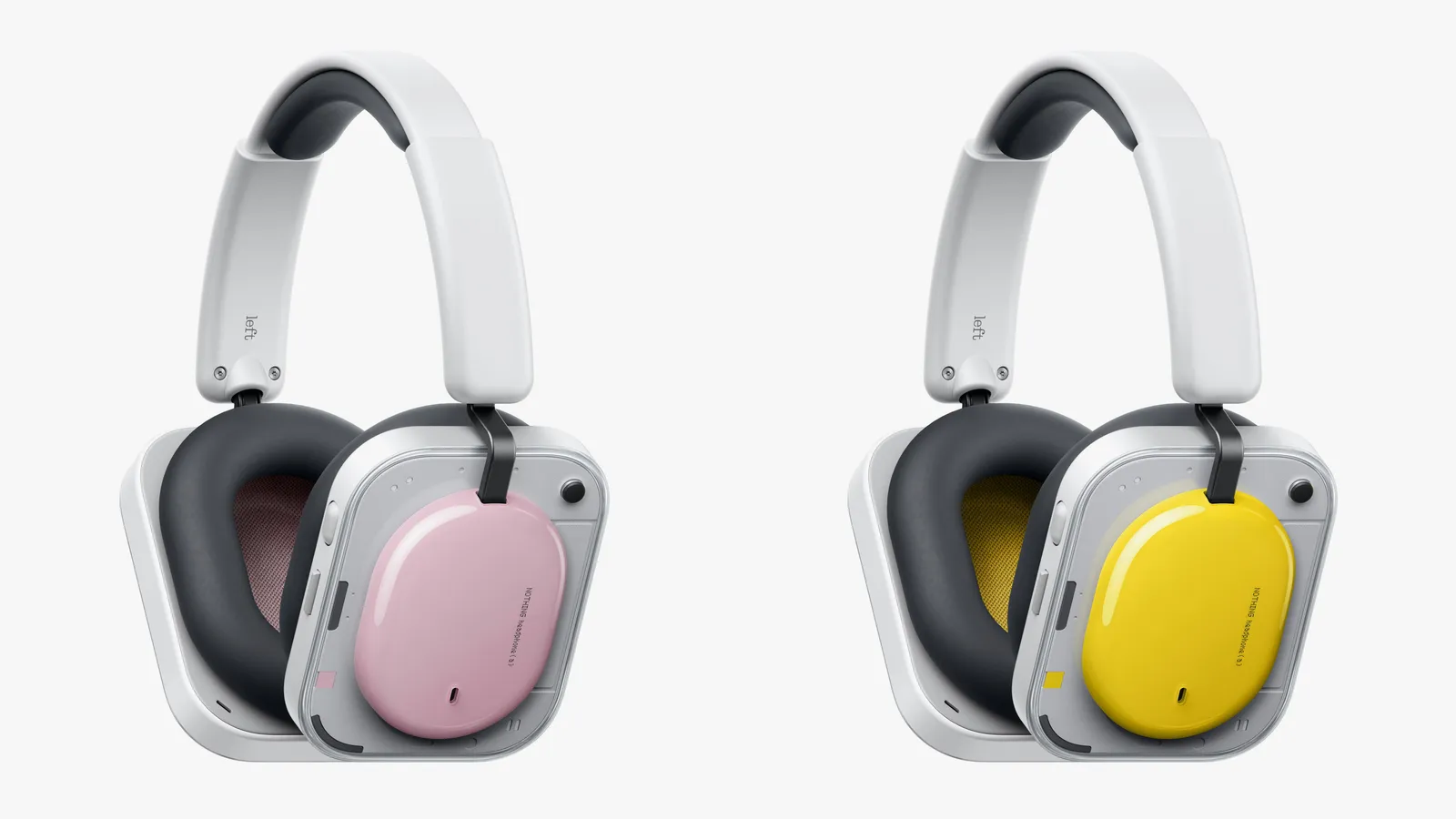
The Headphone (a) marks the company’s next step in that philosophy. Positioned as a more accessible alternative to the original Headphone (1), the new model introduces a simplified construction and more vibrant color palette while preserving the brand’s recognizable character.
Rather than attempting to replicate the premium materials and complex finishing of its predecessor, the Headphone (a) shifts toward a more pragmatic design. Plastic replaces aluminum in key structural components, and the silhouette is softened to create a more approachable form. Yet this simplification does not signal compromise. Instead, it represents a recalibration of priorities: investing in performance, comfort, and everyday usability rather than purely material prestige.
The result is a product that embodies Nothing’s evolving philosophy—technology that feels intentional, expressive, and accessible.
sil
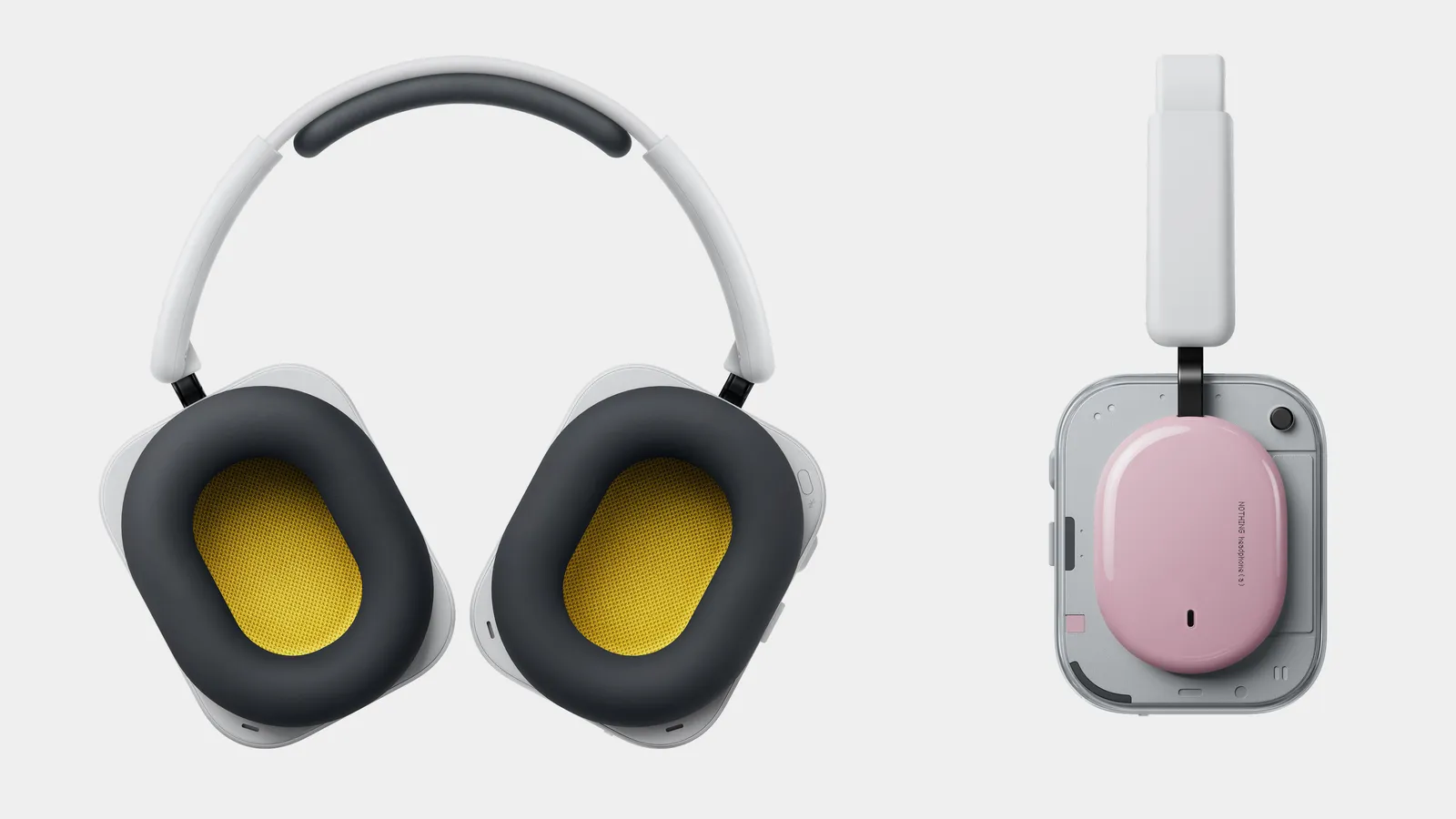
One of the most striking differences between the Headphone (a) and the earlier model lies in the overall silhouette. Where the Headphone (1) leaned into sharp lines and visible mechanical elements, the Headphone (a) adopts a smoother, more streamlined profile.
The earcups are slightly more rounded, creating a softer view presence while improving ergonomic fit. The headband is slimmer and more flexible, reducing overall weight and making the headphones easier to wear for extended listening sessions.
This shift toward simplicity reflects a broader trend in contemporary industrial design. Many consumer technology products now aim for a balance between expressiveness and approachability—devices that stand out visually without appearing overly technical or intimidating.
In the Headphone (a), Nothing achieves that balance by reducing unnecessary visual complexity while retaining subtle design signatures. Transparent elements remain present, offering glimpses of internal components and reinforcing the brand’s fascination with the hidden mechanics of technology.
style
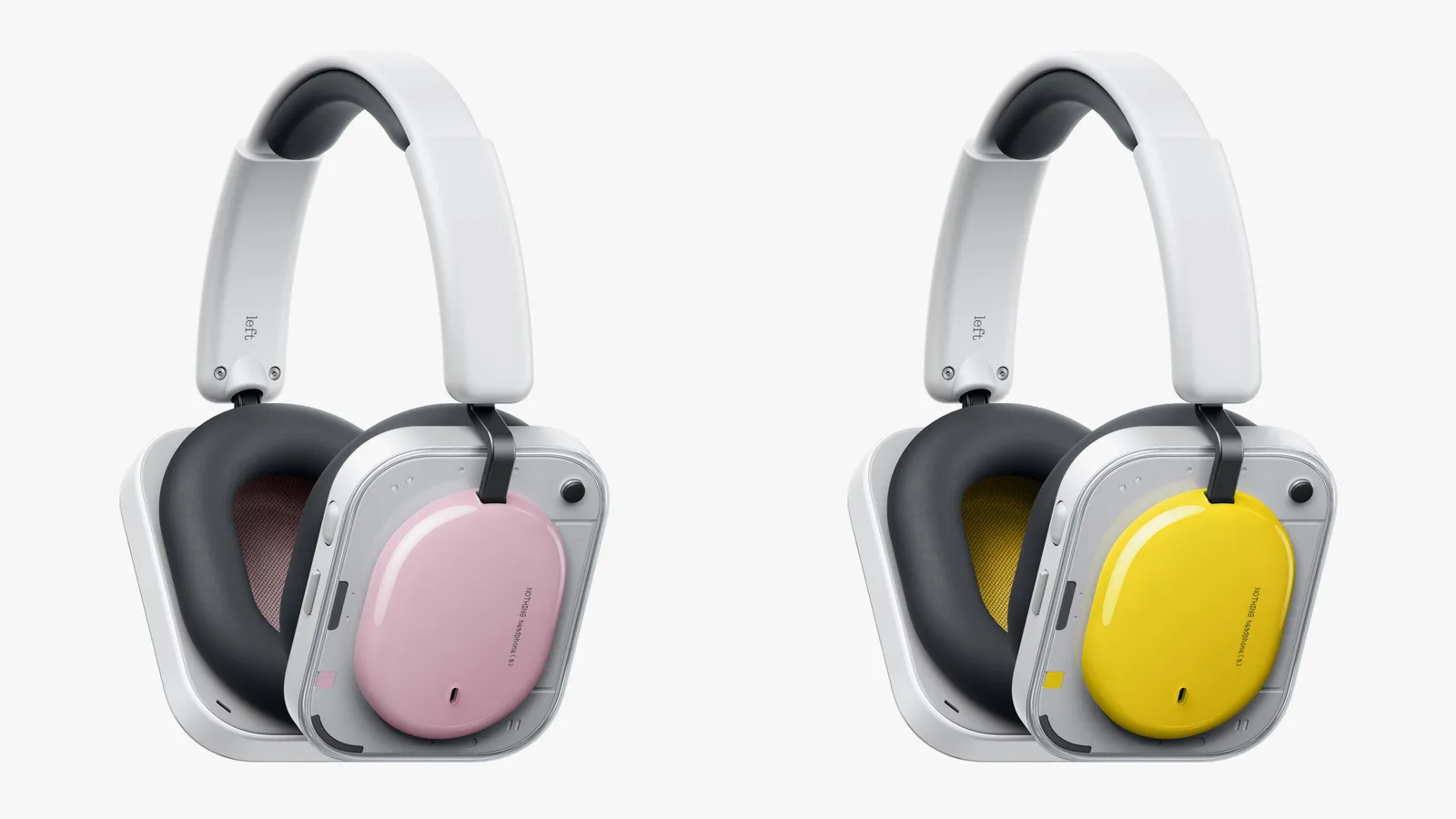
Perhaps the most noticeable change introduced by the Headphone (a) is the color palette. While the company’s earlier devices favored monochrome schemes—primarily white, black, and subtle translucent accents—the new headphones embrace a more vibrant identity.
Bright orange, electric blue, and deep graphite variations transform the headphones into objects of visual expression rather than purely functional devices.
This decision aligns with a broader shift in consumer electronics. Over the past decade, companies across the industry have begun reintroducing color into products that were once dominated by metallic grey and matte black finishes.
Nothing’s interpretation feels particularly intentional. The colors are bold yet controlled, avoiding the toy-like appearance that can sometimes accompany bright plastics. Instead, the hues are paired with matte textures and subtle transparency, giving the headphones a refined yet skittish character.
The result is a device that feels as much like a fashion accessory as it does an audio tool.
mat
Switching from aluminum to plastic might initially appear as a downgrade, but in practice the change introduces several advantages.
Plastic allows for lighter construction, reducing pressure on the head and neck during long listening sessions. It also enables greater flexibility in shaping components, which improves ergonomic fit and durability.
More importantly, the material choice helps position the Headphone (a) within a more accessible price bracket. By reallocating resources away from expensive metal finishing, Nothing can invest in other aspects of the product experience.
The plastic used in the Headphone (a) is not the glossy, fragile variety commonly associated with budget electronics. Instead, it features a matte, slightly textured surface that resists fingerprints and scratches.
This thoughtful approach ensures the headphones still feel premium despite the shift in materials.
stir
While much of the attention surrounding the Headphone (a) focuses on design, significant improvements have been made in acoustic performance as well.
The headphones feature newly tuned drivers engineered to deliver balanced sound across a wide frequency range. Bass response has been refined to provide depth without overwhelming the midrange, while treble frequencies remain crisp and controlled.
Such tuning reflects the listening habits of modern audiences. With streaming platforms dominating music consumption, headphones must perform well across a variety of genres—from bass-heavy hip-hop to delicate acoustic recordings.
The Headphone (a) aims to provide exactly that versatility.
Noise isolation has also been enhanced through improved ear cushion design. Memory foam padding conforms more naturally to the shape of the head, creating a better seal around the ears and reducing external noise.
This improvement contributes not only to sound quality but also to overall immersion.
flow
Over-ear headphones often face a common challenge: balancing structural stability with long-term comfort. Heavy materials can create fatigue, while overly flexible designs may feel fragile.
The Headphone (a) addresses this challenge through careful weight distribution and ergonomic shaping.
The headband incorporates a flexible internal frame that adapts to different head sizes while maintaining consistent tension. Meanwhile, the earcups rotate and pivot slightly, allowing them to sit naturally against the sides of the head.
These adjustments may appear subtle, but they significantly affect everyday usability. For listeners who wear headphones throughout a workday or during long flights, comfort becomes as important as sound quality.
By reducing weight and refining ergonomics, Nothing ensures the Headphone (a) remains practical for extended use.
intuitive controls and smart features
Nothing has consistently emphasized simplicity in its user interfaces, and the Headphone (a) continues that tradition.
Instead of relying solely on touch controls—which can sometimes be unreliable—the headphones combine tactile buttons with intuitive gestures.
Volume adjustments, playback control, and noise-cancellation settings can all be accessed quickly without navigating complex menus.
Integration with Nothing’s companion mobile application provides additional customization. Users can adjust equalizer settings, update firmware, and configure touch gestures according to their preferences.
This level of personalization allows listeners to tailor the audio experience to their specific tastes.
id
The arrival of the Headphone (a) reflects a broader shift in the audio industry. Headphones are no longer purely technical devices; they have become cultural objects that intersect with fashion, design, and lifestyle.
Brands now compete not only on sound performance but also on aesthetic identity.
In this context, Nothing occupies an interesting position. Unlike traditional audio companies that emphasize engineering heritage, the brand approaches product design with a strong emphasis on visual storytelling.
Transparent components, graphic elements, and distinctive color choices transform devices into recognizable artifacts.
The Headphone (a) continues this strategy while expanding accessibility. By offering a more affordable model, the company invites a wider audience to participate in its design-driven ecosystem.
position
The global headphone market has grown increasingly competitive in recent years. Major technology companies, specialized audio brands, and emerging startups all compete for consumer attention.
Against this backdrop, differentiation becomes essential.
Rather than attempting to outperform established competitors purely through technical specifications, Nothing focuses on creating products that feel distinct.
The Headphone (a) exemplifies that approach. Its simplified design, expressive colors, and thoughtful ergonomics provide an alternative to the metallic minimalism that dominates many competing headphones.
For consumers seeking something visually different yet functionally reliable, the product offers a compelling proposition.
straddle
Nothing’s rise has been closely tied to contemporary design culture. The company frequently collaborates with creative communities and embraces a marketing strategy that emphasizes transparency and conversation with its audience.
This approach resonates particularly with younger consumers who value authenticity and creative expression.
The Headphone (a) reinforces that relationship. Its bold color palette and approachable design make it feel less like a sterile piece of technology and more like a personal object integrated into daily life.
Such positioning aligns with the broader evolution of consumer electronics—from purely functional tools to culturally meaningful artifacts.
eco
As Nothing continues to expand its product lineup, the Headphone (a) may represent an important strategic step.
Entry-level products often serve as gateways into broader ecosystems. A user who purchases affordable headphones today may later explore the company’s smartphones, earbuds, or future devices.
By creating a cohesive design language across categories, Nothing encourages that progression.
The Headphone (a) therefore functions not only as a standalone device but also as part of a larger narrative—one that blends technology, design, and cultural relevance.
fin
The Headphone (a) demonstrates how thoughtful simplification can produce meaningful innovation. By refining materials, reducing visual complexity, and introducing vibrant colors, Nothing has crafted a pair of headphones that feels both accessible and distinctive.
Rather than chasing luxury materials or extreme specifications, the product prioritizes everyday usability and expressive design.
For listeners who appreciate technology that feels intentional and visually engaging, the Headphone (a) represents a compelling addition to the evolving landscape of consumer audio.
It is a reminder that good design is not always about adding more. Sometimes, the most powerful statement comes from knowing exactly what to remove.
No comments yet.