Lorne: The Film Exploring the Producer Who Built Saturday Night Live

March 8, 2026
comedy
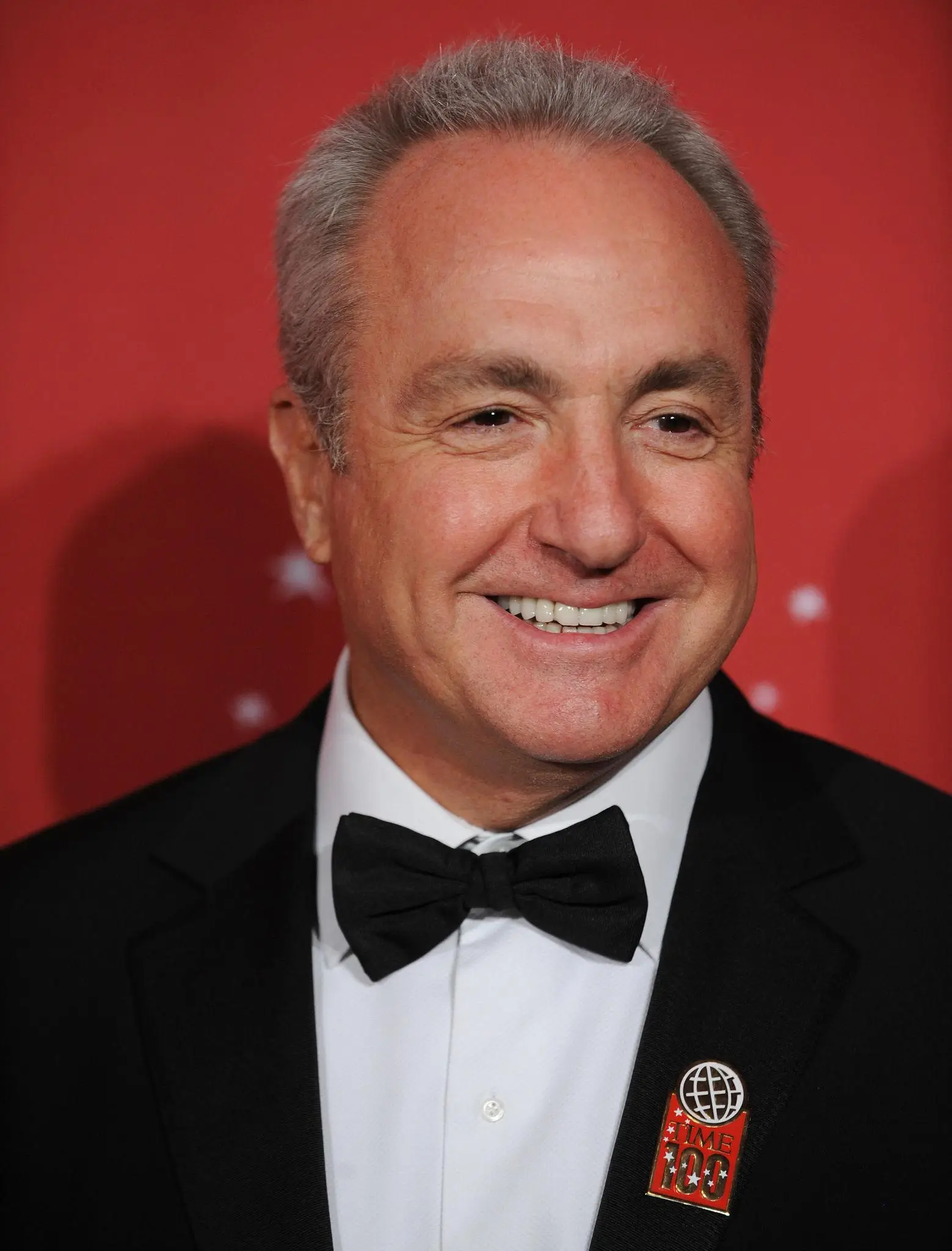
For nearly half a century, Lorne Michaels has stood quietly behind the curtain of American comedy, orchestrating the rhythms of satire, celebrity, and cultural commentary from an office in Rockefeller Center. His creation, Saturday Night Live, has become one of television’s longest-running and most influential institutions, a live stage where generations of comedians sharpened their voices and where American politics and pop culture collide each Saturday night.
Yet for all the endless sketches, catchphrases, and iconic characters that emerged from Studio 8H, Michaels himself has remained a mystery—soft-spoken, famously private, and rarely the center of the spotlight. That silence is precisely what makes the new documentary Lorne so compelling.
Directed by Oscar-winning filmmaker Morgan Neville, the film promises an unprecedented portrait of the man who has quietly shaped the DNA of modern comedy. The recently released trailer offers a first glimpse into that world, blending archival footage, personal reflections, and testimonies from the comedians who built their careers under Michaels’ watchful eye.
After decades of mythmaking, the architect of late-night comedy is finally stepping into focus.
stir
Despite the enormous cultural footprint of Saturday Night Live, there has never been a full feature documentary dedicated to Michaels himself—until now. That absence has always felt deliberate. Michaels built a career around nurturing talent rather than becoming the star.
The trailer suggests that Lorne aims to change that narrative.
The documentary explores Michaels’ journey from a young Canadian writer to one of television’s most influential producers. Through interviews with alumni such as Tina Fey, Conan O’Brien, Maya Rudolph, Andy Samberg, Chris Rock, and John Mulaney, the film traces how Michaels developed a creative environment that repeatedly discovered and launched new comedic voices.
Neville’s approach appears both intimate and expansive. The film combines archival footage, rare behind-the-scenes material, and contemporary interviews with Michaels himself—something the famously private producer rarely agrees to.
For audiences familiar with Neville’s previous documentaries—like 20 Feet from Stardom or Won’t You Be My Neighbor?—the tone will feel familiar: empathetic, human, and deeply curious about the figures who quietly shape cultural history.
uncanny
One of the most intriguing elements teased in the trailer is Michaels’ enigmatic personality. Those who have worked with him often describe him as calm, analytical, and difficult to read.
The documentary plays with that mystique. At one point in the trailer, musician Paul Simon jokes that trying to capture Michaels might be impossible, warning that “you’ll capture a guy who’s not happy.”
This reputation has long surrounded Michaels. Writers have joked that his signature response to a mediocre sketch is a long sigh—a subtle but unmistakable signal that something isn’t working.
What the documentary attempts to unpack is not simply the man but the method. Michaels’ genius lies less in performing comedy and more in cultivating it. He is an editor, curator, and cultural translator—someone who can recognize comedic brilliance in a room full of ideas.
As Michaels famously puts it in the trailer: humor is “like pornography—you know it when you see it.”
The quote encapsulates his philosophy: comedy is instinctual, difficult to define, and deeply contextual.
culture
To understand the significance of this documentary, one must understand the machine Michaels built.
When Saturday Night Live premiered in 1975, it was a risky experiment—live sketch comedy broadcast late at night, fueled by improvisational energy and countercultural humor. Few expected it to become a permanent fixture of American television.
But Michaels saw the show as more than entertainment. He envisioned it as a weekly conversation between comedy and culture.
Over time, SNL became a launchpad for performers who would later dominate film, television, and stand-up. The list reads like a hall of fame: Eddie Murphy, Bill Murray, Tina Fey, Adam Sandler, Will Ferrell, Kristen Wiig, and many more.
The show also evolved into a political barometer. Presidential impersonations—from Chevy Chase’s Gerald Ford to Tina Fey’s Sarah Palin—became defining cultural moments.
By 2026, the program had entered its 51st season and surpassed 1,000 episodes, cementing its place as one of television’s longest-running shows.
The documentary positions Michaels not just as a producer but as the steward of that institution—a figure who has repeatedly reinvented the show across decades.
who’s who
The trailer reveals a remarkable lineup of voices participating in the documentary. Among them are:
-
Tina Fey
-
Chris Rock
-
Maya Rudolph
-
Seth Meyers
-
Conan O’Brien
-
Andy Samberg
-
Kristen Wiig
-
John Mulaney
These interviews form a kind of oral history of modern comedy. Each performer reflects on Michaels’ mentorship and his uncanny ability to spot talent.
For many of them, Michaels was the first person to give them a national platform.
The documentary therefore functions not only as a biography but also as a map of comedic lineage—showing how the influence of one producer radiated outward through multiple generations of comedians.
retire
One of the recurring themes teased in the trailer is a question that has haunted entertainment headlines for years:
When will Lorne Michaels retire?
The trailer humorously includes a moment where comedian Steve Martin asks him directly.
The exchange highlights something deeper than curiosity—it underscores how inseparable Michaels has become from the identity of Saturday Night Live. For many fans, imagining the show without him feels almost impossible.
The documentary doesn’t necessarily provide a definitive answer. Instead, it frames the question as part of Michaels’ legacy: what happens when the architect eventually steps away from the institution he built?
share
Director Morgan Neville is an ideal choice to tackle this story.
Neville’s filmography demonstrates a fascination with cultural architects—the people who shape industries behind the scenes. His Oscar-winning documentary 20 Feet from Stardom explored backup singers who influenced music history, while Won’t You Be My Neighbor? reintroduced audiences to Fred Rogers.
With Lorne, Neville turns his attention to another quietly influential figure.
The film reportedly took shape between 2024 and 2025, combining newly filmed interviews with archival material from decades of SNL broadcasts.
Neville’s storytelling often emphasizes emotional resonance rather than traditional biography. Instead of presenting a chronological timeline, he tends to weave together personal memories, cultural context, and thematic reflections.
That approach seems particularly suited to a figure like Michaels, whose career is less about dramatic events and more about long-term cultural influence.
myth
The documentary also promises a deeper look inside Studio 8H, the legendary NBC studio where Saturday Night Live is filmed.
For decades, this space has functioned as both workshop and pressure cooker. Writers brainstorm sketches throughout the week, many of which are discarded before reaching the live broadcast.
The process has been described as chaotic, exhausting, and exhilarating.
But the chaos has a structure—one largely defined by Michaels’ leadership.
He balances creative freedom with ruthless editing. Ideas can emerge from anyone in the room, but only the strongest survive to air on Saturday night.
This process has shaped the careers of hundreds of comedians.
show
Part of what makes the documentary compelling is how unusual Michaels’ position is.
In Hollywood, power figures typically seek visibility. Producers often appear in interviews, public panels, and promotional tours.
Michaels took the opposite path.
For decades, he avoided the spotlight, letting the show’s performers take center stage. His public persona remained minimal: a quiet voice, understated humor, and a reputation for surgical decision-making.
The documentary promises to explore how that leadership style worked.
Was Michaels a strict gatekeeper, a mentor, or something in between?
The answer may be all of the above.
fifty
The documentary arrives at a symbolic moment.
Saturday Night Live celebrated its 50th anniversary in 2025, prompting retrospectives, special broadcasts, and renewed discussion about the show’s legacy.
The release of Lorne continues that reflection.
Rather than focusing on sketches or performers, the film turns the lens toward the creative engine behind them. It asks how one producer managed to maintain cultural relevance across multiple generations of comedians and audiences.
rel
Focus Features will release Lorne in U.S. theaters on April 17, 2026, with international distribution handled by Universal Pictures International.
The theatrical rollout suggests that the studio views the documentary as a significant cultural event rather than simply streaming content.
For comedy fans, the film promises a rare opportunity: a chance to understand the mind behind one of television’s most enduring institutions.
why
In many ways, the documentary arrives during a moment of reflection for comedy itself.
Late-night television faces increasing competition from digital media, podcasts, and social platforms. The cultural dominance that once belonged to network shows has fragmented.
Yet Saturday Night Live remains standing.
That endurance raises an important question: what does Michaels understand about comedy that others don’t?
The documentary may not provide a single answer. But by exploring Michaels’ instincts, leadership style, and creative philosophy, it offers a blueprint for how cultural institutions survive—and evolve—over decades.
sum
For decades, Lorne Michaels has existed as a kind of backstage myth—a quiet figure whose decisions shaped the direction of comedy while his performers took the applause.
The documentary Lorne attempts something rare: capturing the essence of a man who has spent most of his life avoiding capture.
Through interviews, archival footage, and reflections from the comedians he helped launch, the film tells the story of a producer who built more than a television show. He built an ecosystem—a place where comedy could evolve in real time alongside culture itself.
Whether Michaels eventually retires or continues guiding Saturday Night Live into new eras, his influence is already embedded in the DNA of modern entertainment.
The trailer offers a simple but powerful promise: after fifty years of shaping the spotlight, the man behind it is finally stepping into view.


No comments yet.