On Stage with Dave: Stone Island Designs the Tour Wardrobe

March 9, 2026




tech
The relationship between music and fashion has always been symbiotic. Artists become visual storytellers, translating sound into aesthetic language through clothing. When Dave embarked on his latest global tour, the wardrobe accompanying him on stage reflected a carefully considered design philosophy rather than simple stage styling. At the center of that approach stood Stone Island, a label long associated with innovation, material experimentation, and a deeply rooted connection to youth culture.
Stone Island’s involvement in building a wardrobe for Dave’s tour represents more than a stylistic partnership. It illustrates how contemporary artists increasingly collaborate with design houses to construct visual identities that evolve across live performances, music videos, and cultural moments. The tour wardrobe merges performance practicality with Stone Island’s technical craftsmanship, creating a collection of garments engineered to move under stage lights while maintaining the brand’s unmistakable utilitarian aesthetic.
The collaboration highlights the convergence of British rap culture and Italian design engineering—two worlds that share an obsession with authenticity, innovation, and storytelling.
stir
Few artists have reshaped the landscape of British hip-hop as dramatically as Dave. Emerging from South London in the mid-2010s, the rapper built a reputation for introspective lyricism, complex storytelling, and emotionally charged performances.
His debut album Psychodrama in 2019 quickly established him as one of the most important voices in UK music, earning the prestigious Mercury Prize. Follow-up album We’re All Alone in This Together expanded his audience globally while maintaining the raw social commentary that defined his early work.
Dave’s stage presence is distinct from many mainstream rap performers. Instead of relying on spectacle alone, his concerts often prioritize emotional intensity and cinematic lighting. The wardrobe supporting these performances therefore needs to serve several functions simultaneously:
- withstand high-energy stage movement
- adapt to changing lighting conditions
- communicate visual identity across arenas
- maintain comfort over long tour schedules
For a designer known for research-driven clothing systems, the challenge aligns perfectly with Stone Island’s ethos.
View this post on Instagram
stone island
Founded in 1982 by visionary Italian designer Massimo Osti, Stone Island began as an experiment in material innovation. Osti’s approach treated garments as research projects, focusing on unusual fabrics, garment dyeing techniques, and military-inspired construction.
From the beginning, the brand’s philosophy revolved around function, experimentation, and transformation. Techniques such as garment dyeing—where clothing is dyed after construction—created distinctive depth and irregularity in color. Over the decades, Stone Island has developed materials that seem closer to laboratory inventions than traditional fabrics.
Some notable innovations include:
-
Ice Jacket fabrics that change color with temperature
-
reflective materials inspired by emergency service gear
-
nylon metal textiles with iridescent surfaces
-
lightweight membrane laminates used for weather resistance
These experiments built Stone Island’s reputation among subcultures. By the 1990s, the brand had become deeply embedded in UK terrace culture and streetwear communities, eventually crossing into global fashion relevance.
Today Stone Island operates under the broader luxury umbrella of Moncler, following Moncler’s acquisition of the brand in 2020. The partnership has accelerated global visibility while preserving Stone Island’s experimental design DNA.
For artists like Dave, the brand’s technical garments naturally translate to stage wear.
flow
Tour wardrobes operate differently from fashion collections. They must function as performance equipment while still conveying narrative coherence. When Stone Island began constructing pieces for Dave’s tour, the goal was to create a modular system rather than a set of individual outfits.
The resulting wardrobe focuses on several key categories.
outerwear
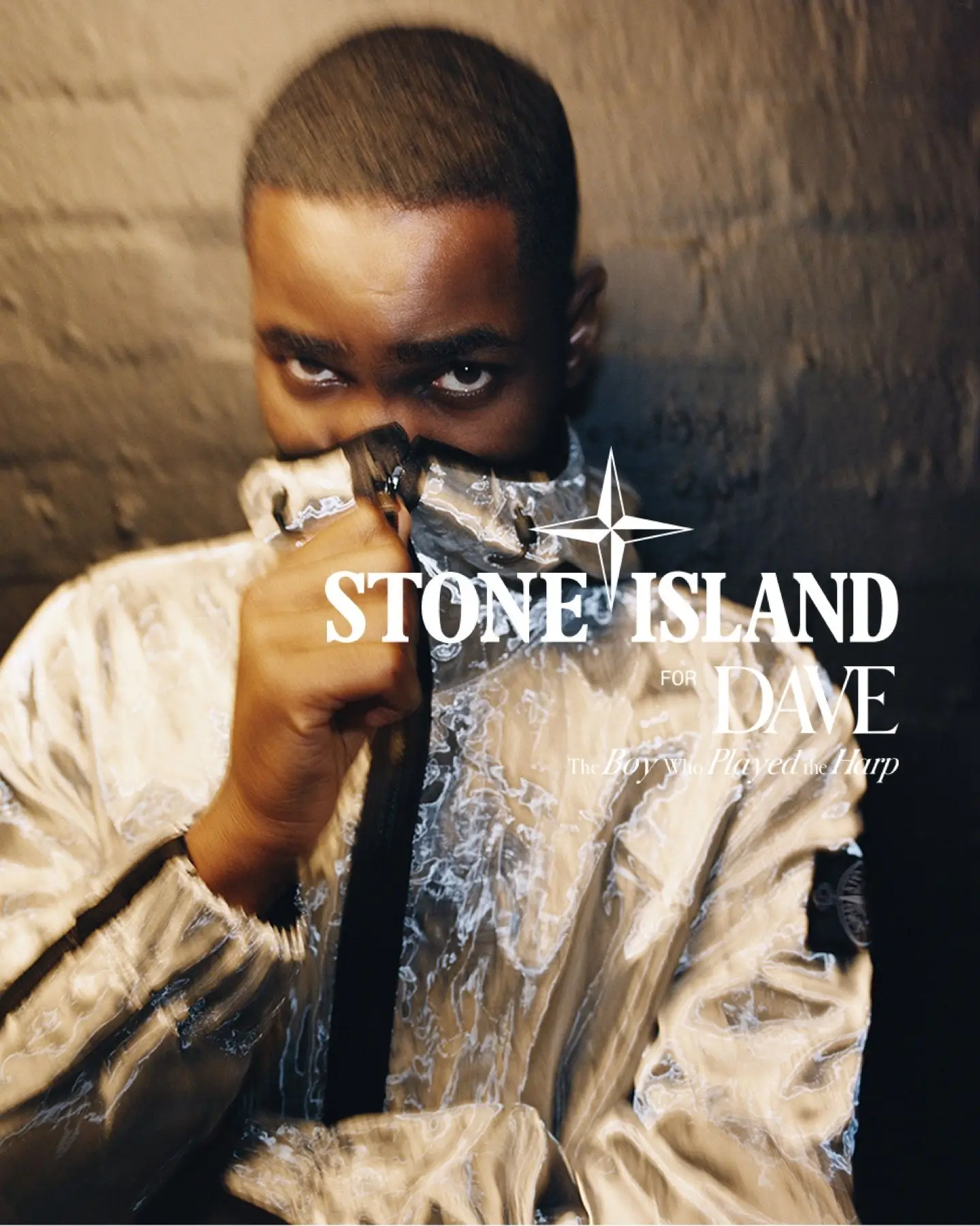
Stone Island outerwear remains the centerpiece of the wardrobe. Lightweight shell jackets built from laminated nylon fabrics offer flexibility during high-energy performances while maintaining the sharp silhouette associated with the brand.
These jackets often feature:
-
articulated sleeves for mobility
-
hidden ventilation panels
-
adjustable hoods and cuffs
-
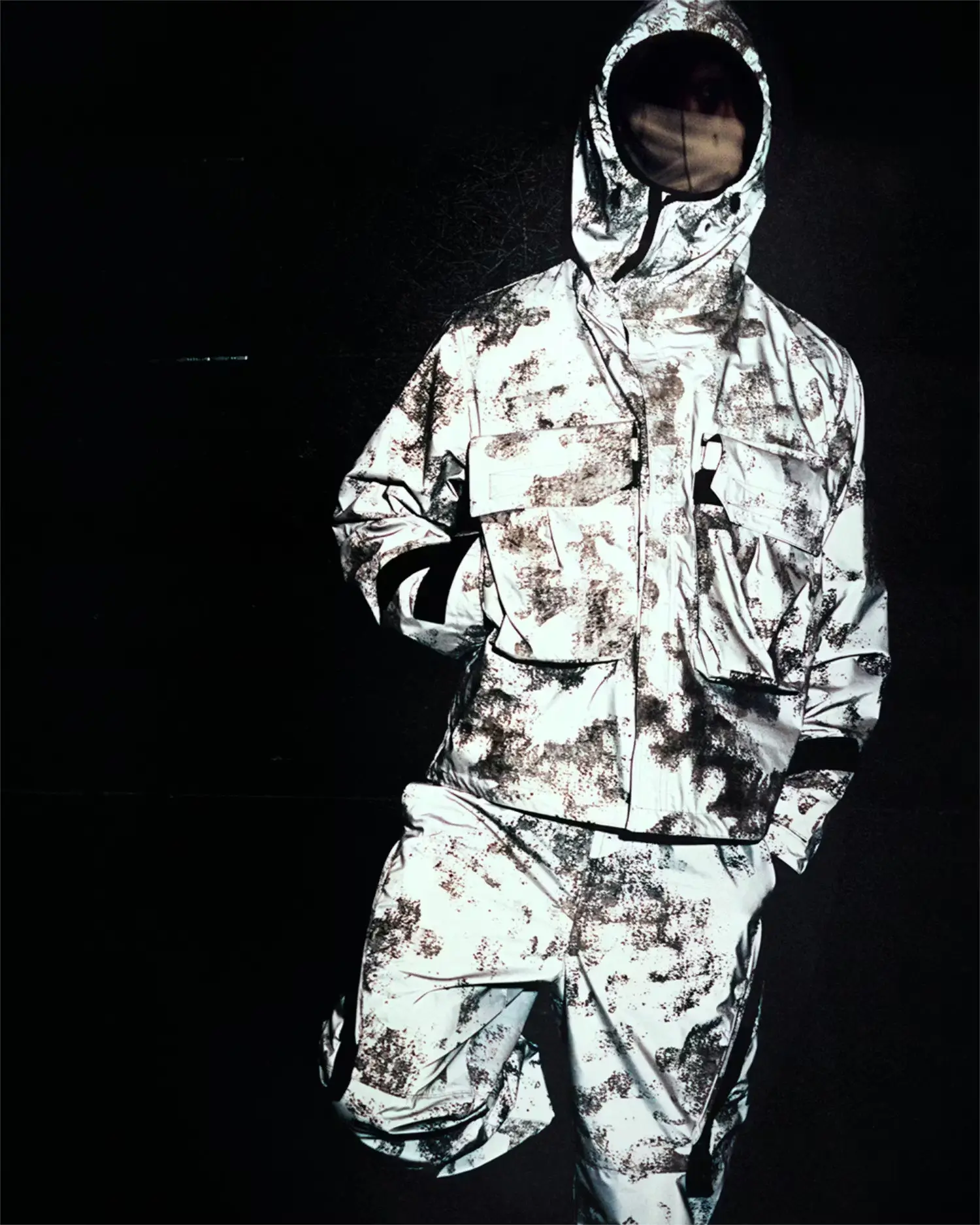
reflective accents visible under stage lighting
The iconic Stone Island compass badge appears on many pieces, acting as both a branding element and a symbol of exploration.
knit
Layering plays a crucial role in maintaining temperature balance during concerts. Knit sweaters constructed from fine merino blends and technical cotton provide breathable insulation without adding unnecessary weight.
These pieces allow Dave to adjust his look between songs or segments of the show, reinforcing the evolving narrative of the performance.
tactical
Stone Island’s cargo-inspired trousers bring utilitarian structure to the wardrobe. Designed with reinforced seams and stretch fabrics, they provide durability and freedom of movement.
Multiple pocket configurations echo the brand’s military inspirations while also serving practical purposes—holding wireless pack systems or other stage equipment.
shoe
While Stone Island itself produces limited footwear, the tour wardrobe integrates sneakers and boots aligned with the label’s technical aesthetic. These choices emphasize durability and traction, particularly important for large stages or festival settings.
view
Concert wardrobes must communicate visually even to audiences seated far from the stage. Stone Island’s approach relies on texture and silhouette rather than loud graphics.
Under arena lighting, reflective fibers embedded in certain fabrics produce subtle illumination. Instead of glaring brightness, these materials generate a controlled glow that shifts as Dave moves across the stage.
This effect aligns with the cinematic design language often present in Dave’s performances. Lighting designers use dramatic contrasts—spotlights cutting through darkness—to mirror the emotional tone of his lyrics. Stone Island garments, with their layered surfaces and technical textures, respond dynamically to those lighting changes.
In effect, the clothing becomes part of the stage design.
culture
Stone Island’s role in Dave’s tour also reflects the brand’s long relationship with British youth culture. During the late twentieth century, the label gained popularity among football terrace communities in cities like Manchester and London.
The garments’ durability, military influences, and recognizable compass badge helped cultivate a sense of identity within those groups. Over time the brand evolved beyond subculture, becoming a pillar of global streetwear.
Artists within the UK rap scene have long embraced Stone Island as part of that cultural lineage. The label appears frequently in music videos and lyrics, representing authenticity and connection to British street style traditions.
Dave’s collaboration with Stone Island therefore feels less like a marketing partnership and more like a natural extension of that cultural relationship.
show
Touring places immense demands on clothing. A typical global tour involves months of travel, rapid costume changes, and varying climate conditions. For artists performing multiple nights each week, garments must withstand sweat, movement, and constant packing.
Stone Island’s technical design philosophy makes the brand well suited to these challenges.
Key practical considerations include:
Breathability
Advanced fabric constructions allow heat and moisture to escape while maintaining structural integrity.
Durability
Reinforced stitching and abrasion-resistant materials ensure garments survive repeated wear and transport.
Weight reduction
Lightweight technical textiles reduce fatigue during long performances.
Packability
Many pieces compress easily, fitting into compact touring wardrobes without losing shape.
These qualities transform fashion garments into functional tools for performers.
restraint
One of the most notable aspects of the tour wardrobe is its understated palette. Instead of flashy colors or oversized logos, Stone Island favors muted tones: charcoal, olive, black, and deep navy.
This restraint reflects Dave’s own artistic identity. His music frequently deals with introspection, social realities, and personal storytelling. The wardrobe avoids overshadowing those themes with excessive spectacle.
Instead the clothing frames the performer—supporting the emotional weight of the performance without distracting from it.
The result is a visual language built around precision rather than excess.
tour
As Dave’s career continues to expand internationally, his stage identity must translate across diverse cultural contexts. Stone Island’s reputation as a global fashion symbol helps bridge those audiences.
In cities from London to New York, Tokyo, and Paris, the compass badge is immediately recognizable among fashion enthusiasts. By wearing Stone Island on stage, Dave taps into a shared visual vocabulary understood by fans worldwide.
At the same time, the brand’s roots in European design give the wardrobe a sense of craftsmanship that aligns with the artist’s evolving sophistication.
This balance between street culture and luxury engineering reflects the broader trajectory of modern hip-hop fashion.
behind scene
Although the final garments appear effortless on stage, developing a tour wardrobe involves extensive collaboration between designers, stylists, and performance teams.
For Dave’s tour, Stone Island designers worked closely with the artist’s creative direction team to understand the physical and narrative demands of the show.
Design considerations included:
-
stage choreography and movement patterns
-
lighting setups and color temperatures
-
microphone and equipment placement
-
temperature differences between venues
Prototypes were tested during rehearsals, allowing adjustments before the tour began. Fabrics were selected not only for aesthetic qualities but also for how they behaved under intense lighting and heat.
This iterative process echoes the research-driven approach Stone Island has practiced since its founding.
idea
Clothing worn during major tours often becomes part of cultural history. Iconic stage outfits—from David Bowie’s Ziggy Stardust costumes to Michael Jackson’s military jackets—remain instantly recognizable decades later.
Dave’s Stone Island wardrobe may follow a similar trajectory within contemporary British music culture. As the artist’s influence continues to grow, these garments could become visual artifacts associated with a particular era of UK rap.
Fashion historians increasingly view stage clothing as documentation of broader cultural shifts. In Dave’s case, the wardrobe reflects a moment when British hip-hop commands global attention while remaining rooted in local identity.
Stone Island’s involvement underscores how fashion brands contribute to that historical record.
fwd
The partnership between Dave and Stone Island illustrates a larger trend within the creative industries. Rather than traditional endorsement deals, many artists now pursue deeper design collaborations with fashion houses.
These projects allow brands to access authentic cultural narratives while giving artists greater creative control over their visual identity.
We have seen similar collaborations across music and fashion in recent years:
-
touring wardrobes designed by luxury houses
-
capsule collections released alongside albums
-
fashion campaigns featuring musicians as creative partners
Stone Island’s work with Dave suggests how these collaborations can prioritize functionality and authenticity instead of purely commercial objectives.
sum
Stone Island building a wardrobe for Dave’s tour represents a meeting point between music, design, and cultural history. The garments created for the stage combine technical research with understated aesthetics, supporting performances that emphasize emotion and storytelling.
For Dave, the wardrobe reinforces his identity as a thoughtful voice within modern rap—someone whose visual presentation complements rather than overshadows his lyrical depth.
For Stone Island, the collaboration demonstrates how experimental clothing can extend beyond fashion into performance environments. The same materials originally developed for research laboratories and outdoor exploration now accompany one of Britain’s most influential artists across global stages.
Ultimately the partnership highlights a broader truth about contemporary culture: clothing is no longer just what artists wear. It is part of how they communicate, move, and tell stories.
In arenas filled with thousands of fans, under shifting lights and thunderous sound systems, the technical fabrics of Stone Island quietly perform their own role—engineering a wardrobe that carries music into motion.


No comments yet.