Inside: Koto Redesigns Marblex to Welcome the Next Generation of Gamers

March 9, 2026

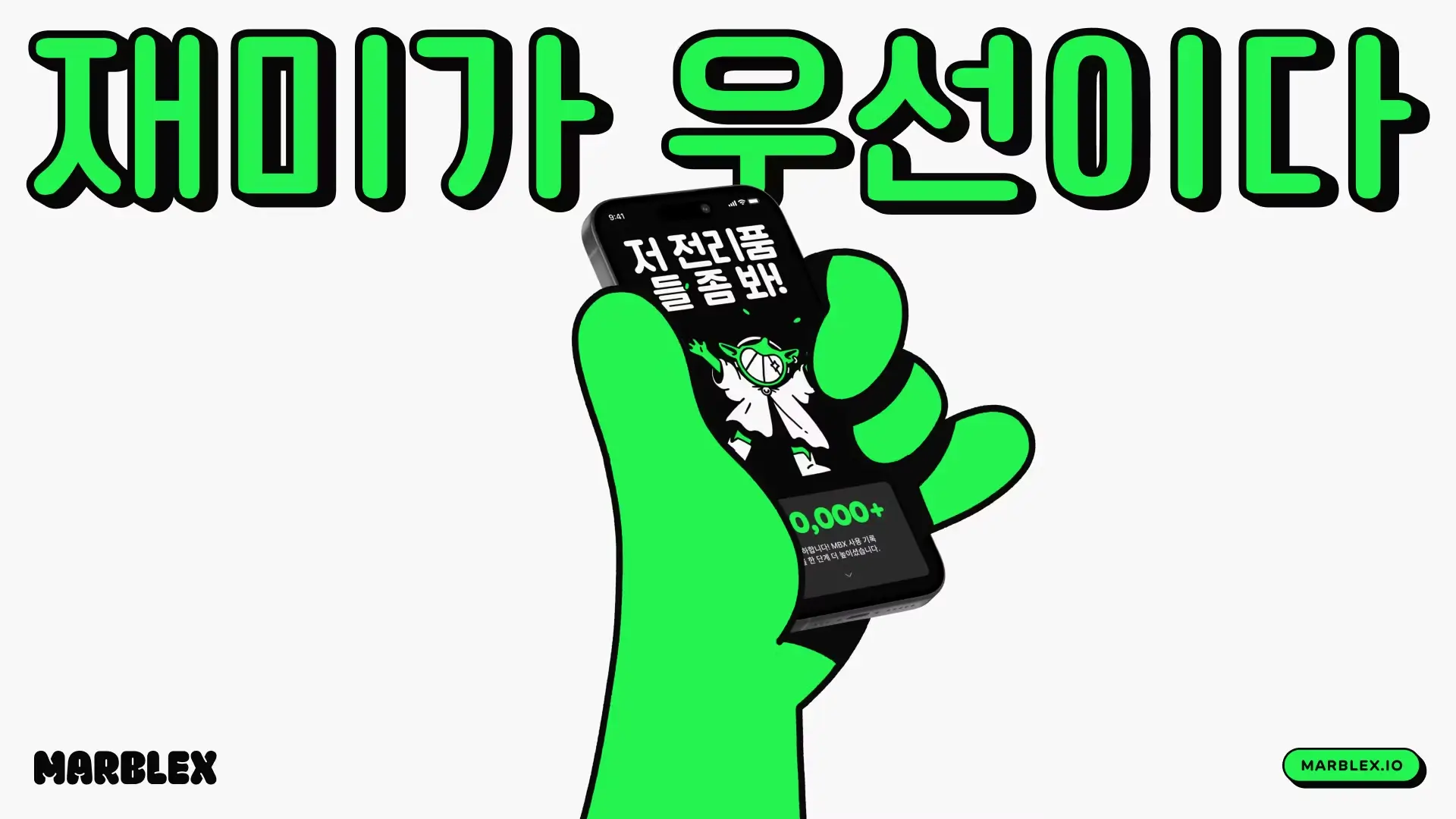


As the Web3 landscape matures, one of the biggest challenges facing blockchain gaming platforms is not technology—it is perception. Many gamers remain skeptical of Web3 concepts such as NFTs, token economies, and decentralized ownership. To bridge this gap, Web3 gaming platform Marblex turned to global branding agency Koto for a full-scale identity refresh aimed at making blockchain gaming feel more intuitive, approachable, and playful.
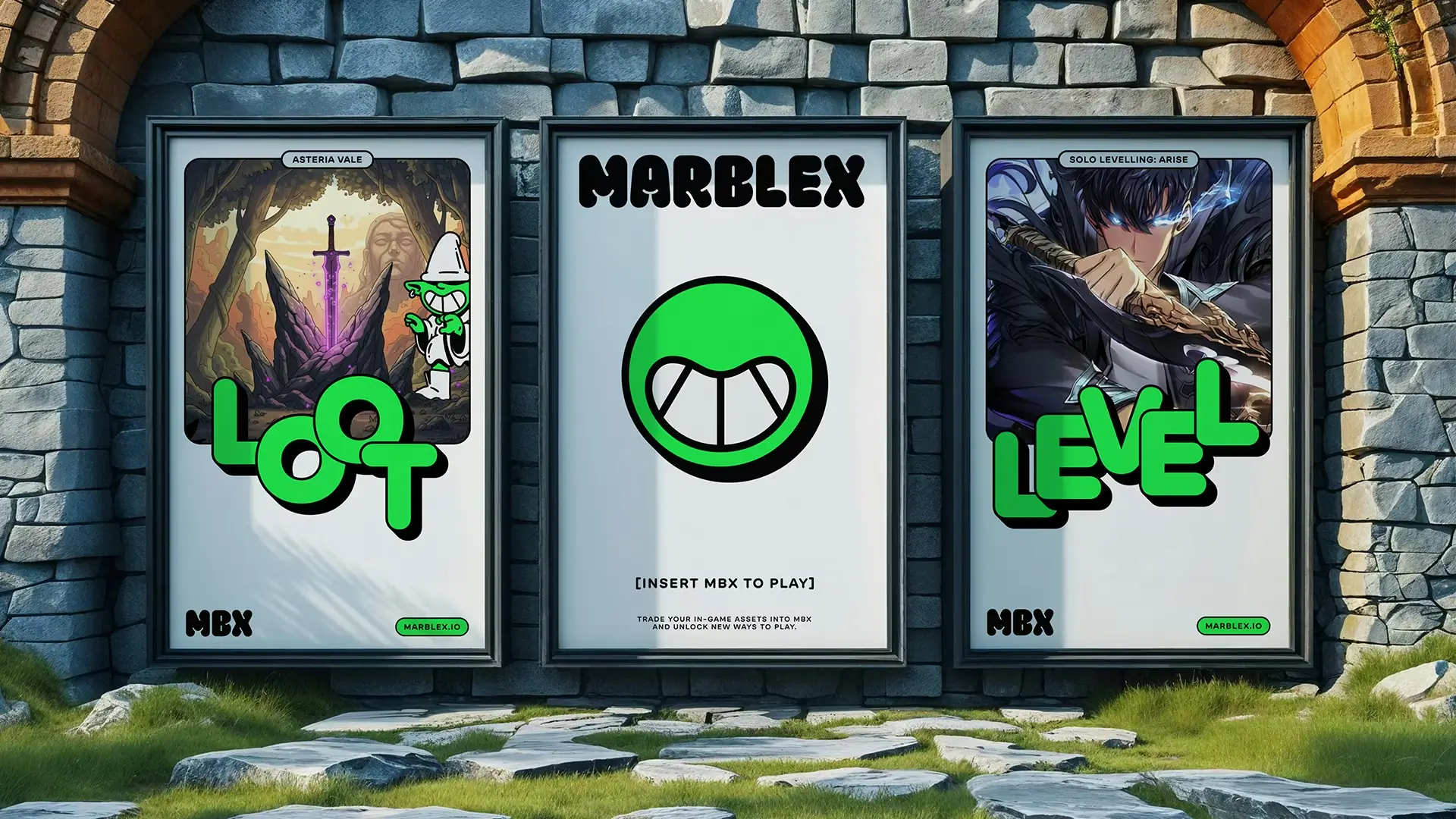
The result is a rebrand that shifts Marblex away from the cold, technical visual language typically associated with blockchain products. Instead, the new identity embraces character, color, and humor. It reframes Web3 gaming as something closer to the vibrant culture of gaming communities rather than the financialized tone of cryptocurrency markets.
For Marblex—originally developed within the ecosystem of South Korean gaming company Netmarble—the rebrand marks a strategic step toward mainstream adoption.
what
Marblex is a blockchain-powered gaming ecosystem designed to connect traditional gaming experiences with decentralized ownership and digital economies.
The platform enables several key features central to Web3 gaming:
-
in-game digital asset ownership
-
blockchain-based currencies and tokens
-
NFT collectibles tied to gameplay
-
decentralized marketplaces
-
interoperable gaming ecosystems
📢 REMINDER!
MBX NFT launches this week! Check out the pools opening on March 14!
Pick your pools to obtain your first Marblership Puzzle or Lunar Animals NFT. 🐱SWAP, CLAIM, AIRDROP pools will be available!
✅ Pool details:
👉https://t.co/xpbmk6dYBF#Marblership #NFT #MBX pic.twitter.com/5IirdlMooW— MARBLEX (@MARBLEXofficial) March 12, 2024
Unlike standalone blockchain games, Marblex operates more like an infrastructure platform. It acts as a bridge between conventional gaming studios and the emerging Web3 economy.
Through Marblex, developers can integrate blockchain features into their titles without needing to build complex crypto infrastructure themselves.
But the technology alone was not enough.
Despite its ambitions, the platform faced a fundamental challenge: communicating its value to everyday gamers.
view
The world of blockchain gaming has often been criticized for appearing overly financialized. Early “play-to-earn” titles were marketed more like investment opportunities than games, leading to skepticism among gaming communities.
This perception created a cultural barrier.
Traditional gamers often associate Web3 gaming with:
-
speculative NFTs
-
complicated wallets and tokens
-
technical jargon
-
crypto volatility
For Marblex, overcoming these associations was essential if it wanted to attract players who simply want to enjoy games.
That is where Koto came in.
koto
Koto is known for creating bold, culturally aware brand identities that translate complex technology into accessible visual systems.
Instead of leaning into crypto aesthetics—metallic gradients, futuristic grids, and blockchain iconography—Koto designed a brand that feels closer to the coltish energy of gaming itself.
Their strategy revolved around three guiding ideas:
-
simplify the narrative
-
inject personality
-
prioritize accessibility
Rather than explaining blockchain mechanics, the rebrand focuses on the feeling of gaming communities: discovery, experimentation, and digital ownership.
lang
The most striking aspect of the Marblex rebrand is its tone.
Koto describes the identity as “cheeky”—a deliberate shift away from the seriousness often associated with financial technology.
The new visual language includes:
-
expressive typography
-
vibrant color palettes
-
playful icons and characters
-
animated digital interactions
Instead of emphasizing blockchain infrastructure, the visuals highlight motion and interaction—two elements core to gaming culture.
Rounded shapes and kinetic graphics evoke the feeling of game tokens, marbles, or collectible items circulating within a digital ecosystem.
This playful tone helps reposition Marblex as part of gaming culture rather than crypto culture.
flow
Typography plays a central role in the new identity.
Koto introduced bold, flexible letterforms that appear almost modular—mirroring the idea of assets and items moving between games.
The typography behaves dynamically across digital interfaces. Letters stretch, shift, and animate in subtle ways that echo gameplay mechanics.
This motion-driven design system allows Marblex to maintain consistency across multiple touchpoints:
-
game interfaces
-
marketing materials
-
social media content
-
developer tools
The effect is a brand that feels alive rather than static.
color
The rebrand also introduces a vivid palette designed to stand out in the crowded Web3 landscape.
Rather than relying on the neon blues and purples typical of crypto brands, Marblex uses bright, friendly colors that feel closer to gaming UI design.
These colors help the platform appear welcoming rather than intimidating.
Color combinations shift across different contexts, giving the brand a sense of adaptability—much like gaming environments themselves.
idea
Perhaps the most important principle behind the redesign is subtlety.
Instead of foregrounding blockchain technology, the new identity intentionally places it in the background.
Koto’s strategy treats blockchain infrastructure as an invisible engine supporting gameplay rather than the central feature.
For players, this means interacting with Marblex without constantly thinking about crypto wallets, tokens, or decentralized ledgers.
This mirrors a broader trend in Web3 product design: the idea that mainstream adoption will only occur once blockchain technology becomes frictionless and largely invisible.
strat
Because Marblex originates from Netmarble, the brand needed to align with an existing gaming legacy.
Netmarble is responsible for globally successful mobile titles such as:
-
Seven Knights
-
The King of Fighters Allstar
-
Marvel Future Fight
These games attract millions of players worldwide.
The Marblex platform aims to extend that ecosystem into the decentralized era, allowing players to retain ownership of digital assets across multiple games.
Koto’s design therefore needed to appeal not only to Web3 enthusiasts but also to players already familiar with Netmarble’s games.
The result is a brand that feels rooted in gaming culture rather than crypto finance.
eco
Unlike traditional platforms, Web3 ecosystems evolve rapidly.
New games, features, and tokens can appear frequently.
Koto responded by building a modular design system capable of expanding alongside the platform.
Key elements of the system include:
-
adaptable iconography
-
scalable typography
-
motion-based UI patterns
-
flexible color variations
This modular approach ensures that the brand can grow alongside the Marblex ecosystem without losing visual consistency.
stir
The Marblex rebrand exists at the intersection of two audiences.
On one side are blockchain enthusiasts who already understand NFTs and token economies.
On the other are mainstream gamers who may have never interacted with Web3 technology.
Koto’s identity carefully balances both.
The design is sophisticated enough to signal technological innovation while remaining skittish enough to resonate with gaming communities.
This balancing act reflects a broader challenge facing the Web3 gaming industry.
Platforms must appeal to gamers first—and crypto investors second.
fwd
The Marblex rebrand arrives at a time when blockchain gaming is undergoing a transformation.
Early experiments with play-to-earn mechanics often struggled to maintain player engagement. Many games were criticized for prioritizing financial incentives over gameplay quality.
However, a new generation of developers is attempting to change that narrative.
Instead of focusing solely on token economies, modern Web3 games emphasize:
-
immersive gameplay
-
narrative experiences
-
player-driven digital ownership
The goal is to create games that people would want to play even without blockchain features.
Marblex positions itself as infrastructure supporting this next phase of Web3 gaming.
struct
In the technology world, branding often functions as more than aesthetics.
It becomes part of the product experience.
For Web3 platforms in particular, branding helps build trust—especially in an industry often associated with volatility and speculation.
Koto’s work for Marblex demonstrates how design can reshape perception.
By emphasizing humor, playfulness, and accessibility, the new identity reframes blockchain gaming as something approachable rather than intimidating.
In this sense, the rebrand acts as cultural infrastructure.
It helps translate complex technology into a language gamers already understand.
why
The decision to adopt a cheeky tone was not accidental.
Gaming communities thrive on humor, memes, and playful irreverence. Brands that appear too corporate often struggle to resonate with players.
By leaning into cheekiness, Marblex signals that it understands gaming culture.
The brand’s personality feels closer to indie game studios or streaming communities than to financial platforms.
This tone helps humanize the technology behind the platform.
role
The Marblex project reflects a broader shift occurring across the Web3 industry.
Early blockchain products were designed primarily for engineers and crypto enthusiasts.
Today, the focus is shifting toward usability and design.
As more platforms compete for mainstream audiences, visual identity and user experience have become critical differentiators.
Design studios like Koto are increasingly involved in translating Web3 infrastructure into approachable consumer experiences.
fin
The rebrand of Marblex by Koto demonstrates how thoughtful design can transform the narrative surrounding emerging technologies.
By replacing the rigid aesthetics of crypto platforms with a lively, cheeky visual language, the new identity invites gamers into the world of Web3 without overwhelming them with technical complexity.
In doing so, Marblex shifts the focus back where it belongs: on games, players, and digital creativity.
If blockchain gaming is to achieve mainstream adoption, it will likely follow a path similar to Marblex’s new direction—one where the technology fades into the background and the joy of play takes center stage.
No comments yet.