Inside the Telfar Fear of Job Capsule: A Subtle Riff on Fashion Heroism

March 12, 2026
In contemporary fashion, where branding has become both currency and language, subtle gestures often carry the sharpest meaning. Logos, fonts, color palettes, and even the tone of a slogan can signal allegiance, critique, or coltish disruption. That tension sits at the center of a curious new moment in American fashion: a capsule release from Telfar that appears to glance sideways at Fear of God, one of the most commercially dominant luxury streetwear brands of the past decade.
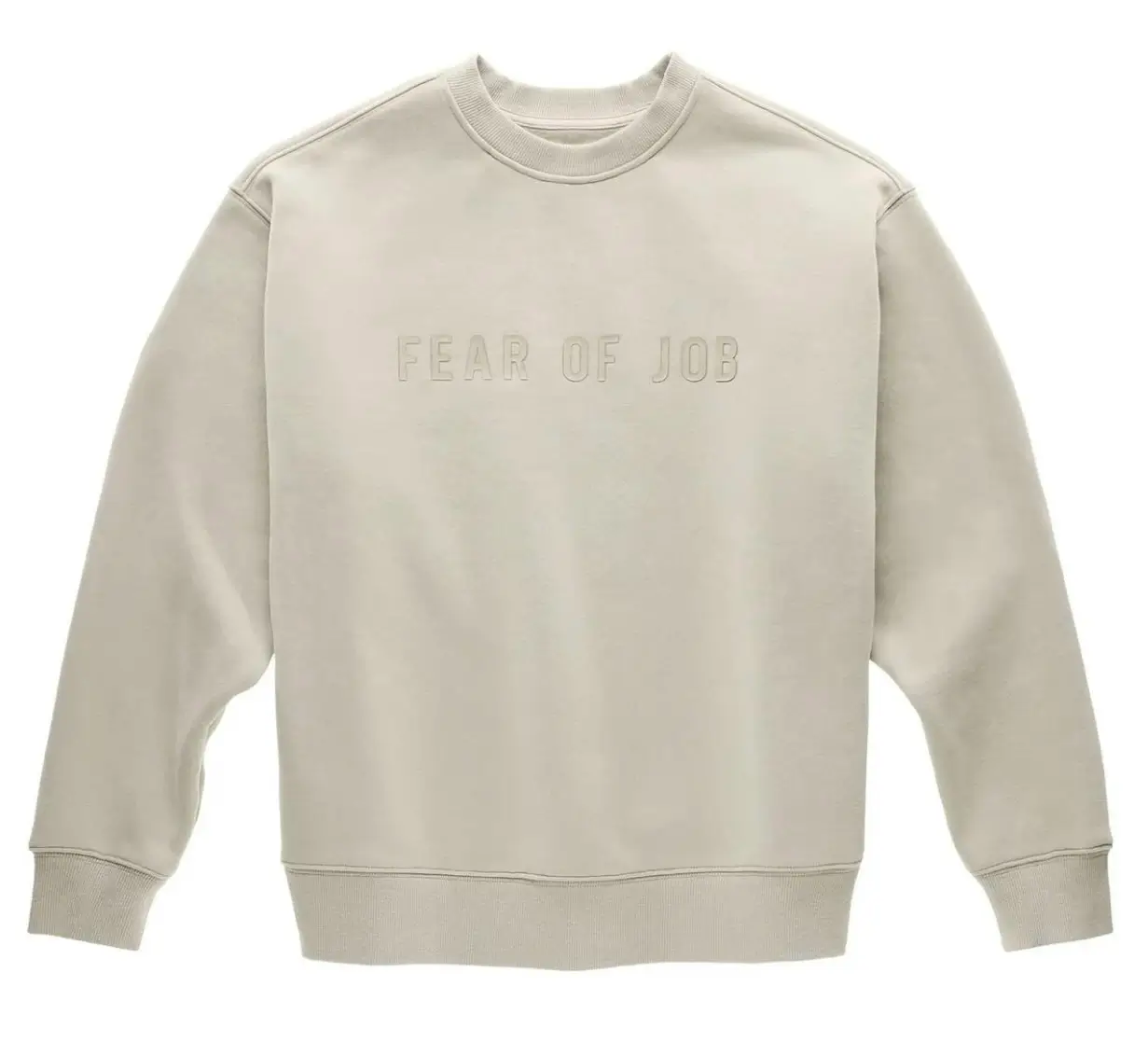
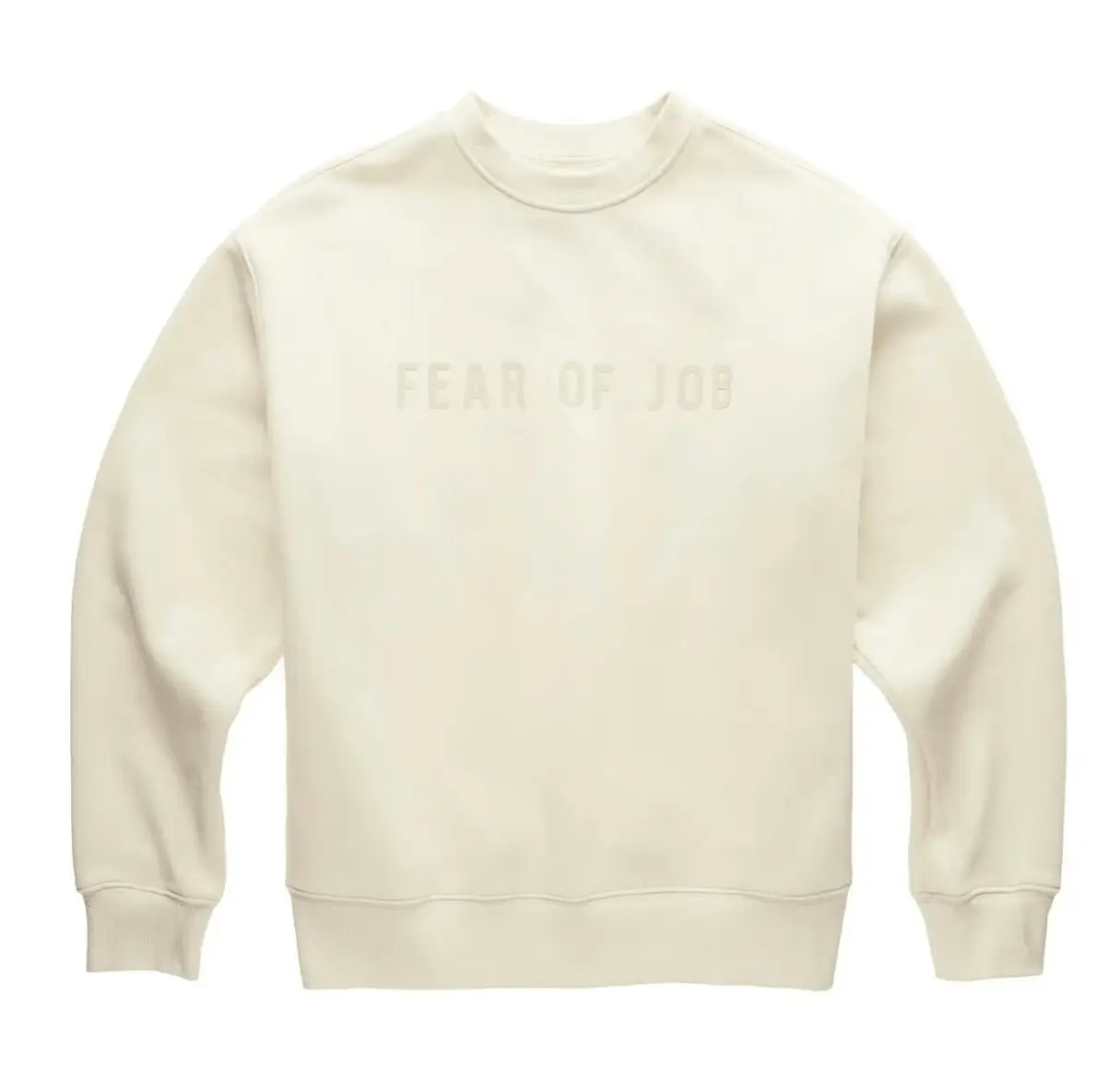
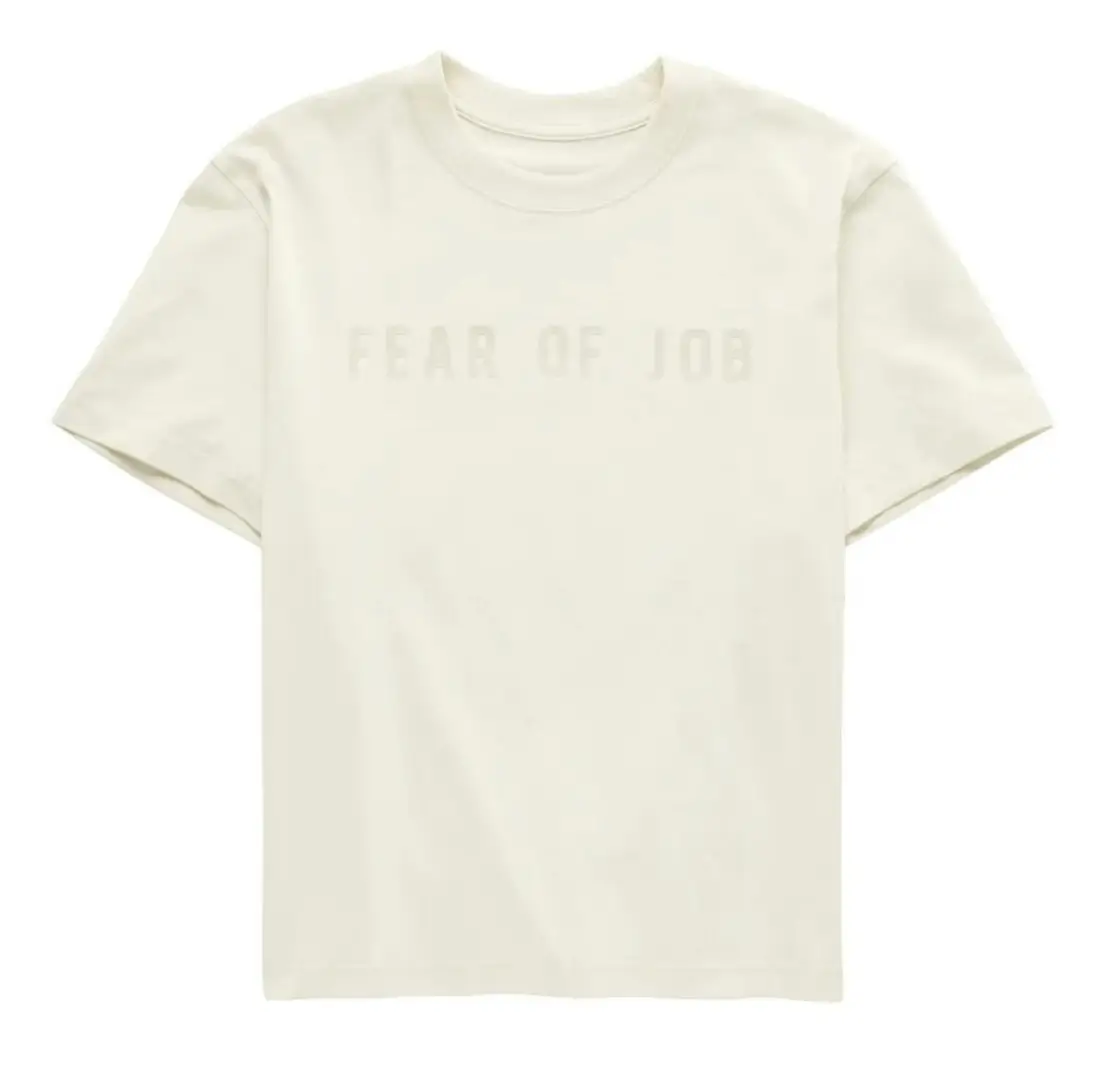
The collection in question is small—just four pieces—but the conversation it ignites is considerably larger. Released on March 11, the capsule consists of shirts and sweaters rendered in washed-out grey alongside three shades of beige. At first glance, the garments feel understated, almost deliberately neutral. But printed across the front of each piece sits a phrase that immediately shifts the tone: “Fear of Job.”
The wording lands like a cultural wink. It reads as a play but unmistakable echo of Fear of God’s globally recognized branding. And in that echo, many observers have detected a commentary on the broader state of fashion, labor, and the shifting identity of streetwear.
two
Founded by Telfar Clemens, Telfar has long positioned itself as something of a fashion outlier. The brand’s ethos—often summarized through the phrase “Not for you, for everyone”—rejects the traditional hierarchy of haute fashion. Rather than courting exclusivity, Telfar built its reputation through accessibility, community, and direct connection with its audience.
Much of that philosophy has manifested through direct-to-consumer sales models and digital-first releases. Instead of relying heavily on department stores or wholesale buyers, Telfar has repeatedly leaned on its own infrastructure to reach customers directly. The brand’s now-famous shopping bag—frequently dubbed the “Bushwick Birkin”—became one of the clearest examples of that strategy working.
Fear of God, meanwhile, represents a different kind of success story within the fashion ecosystem. Established by designer Jerry Lorenzo, the label emerged from Los Angeles in the mid-2010s with a distinct blend of streetwear and high fashion sensibilities. Early collections leaned into distressed denim, elongated silhouettes, and grunge-influenced layering.
Over time, however, the label matured into something closer to contemporary opulent tailoring. Today Fear of God collections often feature Italian fabrics, structured outerwear, and meticulous craftsmanship. The brand has also become deeply embedded within the traditional fashion system, presenting collections in Paris and selling through a global network of major retailers.
Between those two models—one fiercely independent, the other integrated into haute fashion’s infrastructure—lies a striking contrast.
View this post on Instagram
flow
Essentials functions as Fear of God’s accessible sub-label, offering simplified silhouettes, neutral color palettes, and bold logo branding at more approachable price points. The line has become enormously popular, particularly among younger consumers drawn to minimalist basics with recognizable branding.
The influence of Essentials has been hard to ignore. Its oversized sweatshirts, muted tones, and unmistakable lettering have become a familiar presence across streetwear culture. The line’s reach expanded even further when it began producing officially licensed apparel tied to major sports leagues.
Capsules tied to Major League Baseball, the National Football League, and the National Basketball Associationpushed the Essentials logo into stadiums, arenas, and sports culture worldwide.
At that scale, branding itself becomes a cultural phenomenon.
slow
This is where Telfar’s “Fear of Job” graphic enters the conversation.
Visually, the garments maintain the restrained palette that has come to define much of contemporary streetwear: greys, sandy beiges, and washed neutrals. The aesthetic could easily sit alongside the muted tones associated with Essentials.
But the typography interrupts that familiarity. The phrase appears in rubberized lettering that feels intentionally bold against the otherwise understated garments.
“Fear of Job” operates on several levels simultaneously. On one level, it reads as simple wordplay—a humorous twist that mirrors the cadence of Fear of God. On another level, it feels like commentary on the realities facing younger generations navigating work, identity, and economic uncertainty.
Fashion has always functioned as a cultural mirror. In this case, the phrase transforms a luxury-adjacent slogan into something more grounded, even anxious. Instead of reverence or spirituality, the words suggest something closer to modern stress.
the huh
Streetwear has long embraced satire and reinterpretation as creative tools. From logo flips to graphic remixes, designers have repeatedly borrowed from established imagery to create something new.
The tradition stretches back decades. Skate brands reworked corporate logos in the 1990s. Underground designers repurposed luxury typography to question ideas of exclusivity. Even contemporary labels frequently nod to familiar branding in ways that blur homage and critique.
Within that context, Telfar’s move feels less like a direct challenge and more like participation in a broader visual conversation.
Rather than targeting Fear of God directly, the capsule appears to comment on the ecosystem surrounding it: the ubiquity of logo-driven basics, the normalization of minimalist branding, and the cultural weight carried by certain phrases.
The garments operate almost like editorial commentary—except the article is printed on fabric.
idea
Moments like this reveal something important about modern fashion culture: brands rarely exist in isolation.
Designers observe one another constantly. They respond to shifts in aesthetics, consumer behavior, and cultural language. Sometimes that response appears through subtle stylistic changes. Other times it arrives through direct visual references.
Telfar’s capsule sits somewhere in the middle. The pieces feel deliberately familiar but not identical. The reference is clear enough to recognize but ambiguous enough to spark discussion.
And that discussion is precisely what keeps fashion alive.
Because fashion today isn’t only about garments—it’s also about narrative, interpretation, and dialogue. A slogan on a sweater can function like a headline. A flipped phrase can spark debates about authenticity, independence, and influence.
In that sense, “Fear of Job” may be less about rivalry and more about reflection.
evolve
What makes the moment particularly interesting is how it captures the evolving vocabulary of streetwear.
Over the past decade, the genre has expanded from niche subculture to global industry. Brands that once operated on the margins now command international attention. At the same time, independent labels continue to experiment with unconventional approaches to distribution, branding, and storytelling.
Telfar embodies that independence. Fear of God represents the possibility of evolving from streetwear roots into luxury fashion legitimacy.
The “Fear of Job” capsule lands directly between those trajectories.
It acknowledges the visual language that Essentials helped popularize while simultaneously reframing it through humor and social commentary. In doing so, it demonstrates how streetwear remains one of fashion’s most responsive mediums.
A logo can become a statement. A slogan can become satire.
And sometimes, four simple garments can start a much larger conversation about what fashion means today.

No comments yet.