Review: ASICS and C.P. Company Reunite for a Second Shoe

March 13, 2026
tech
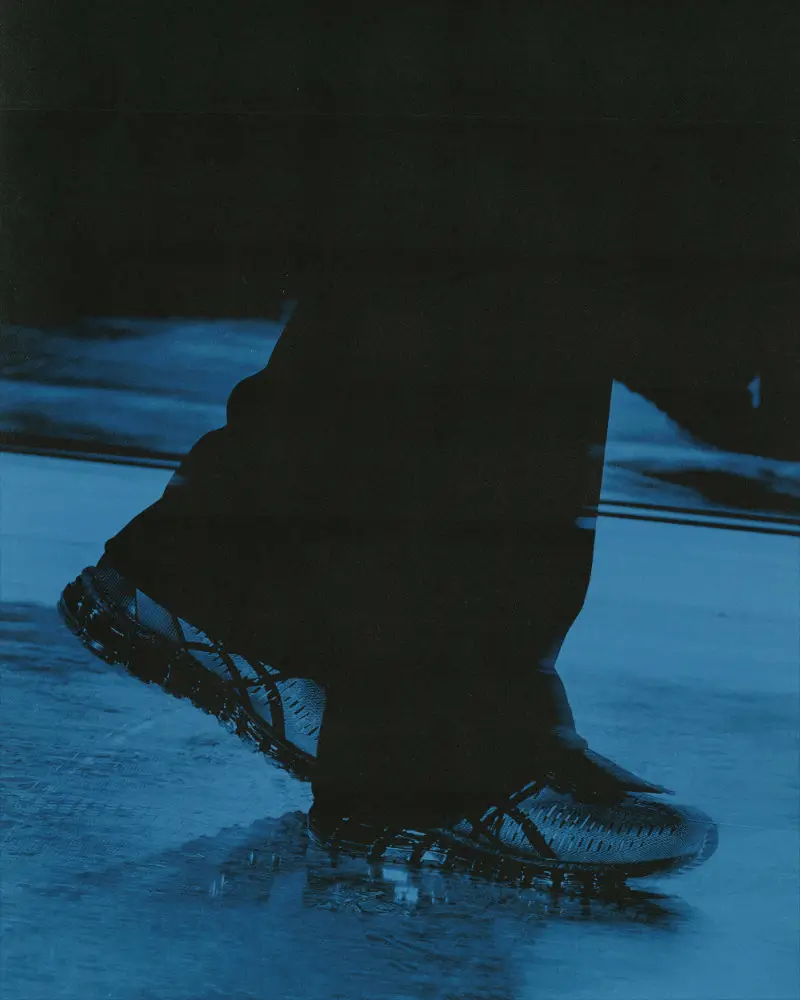
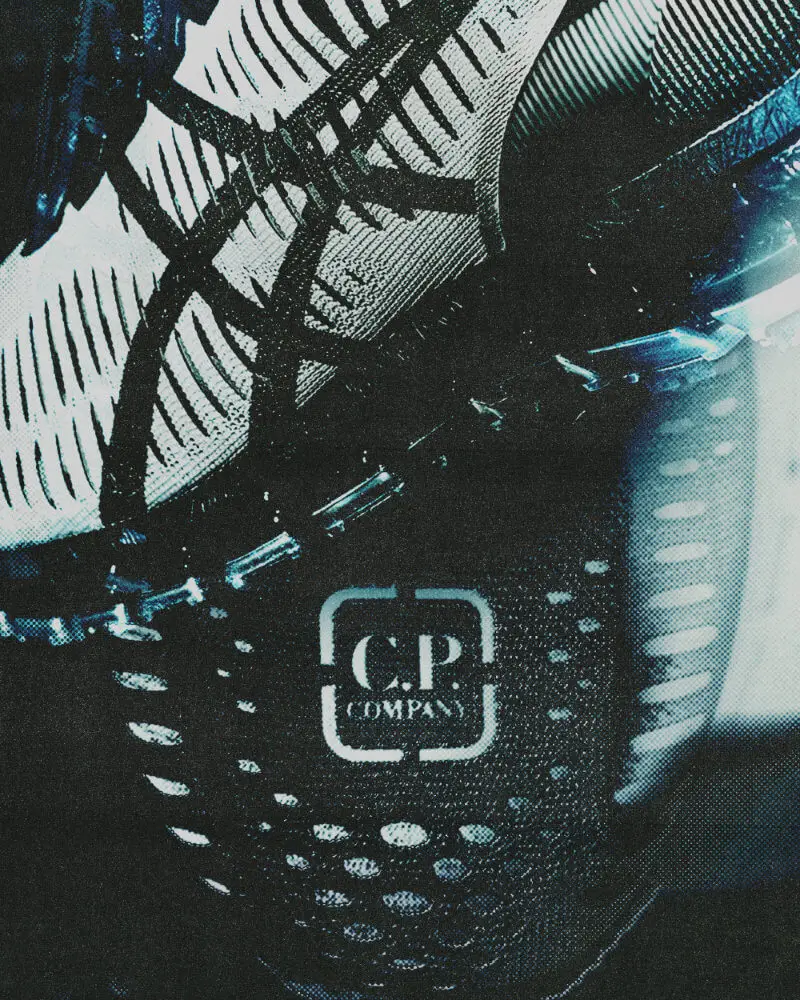
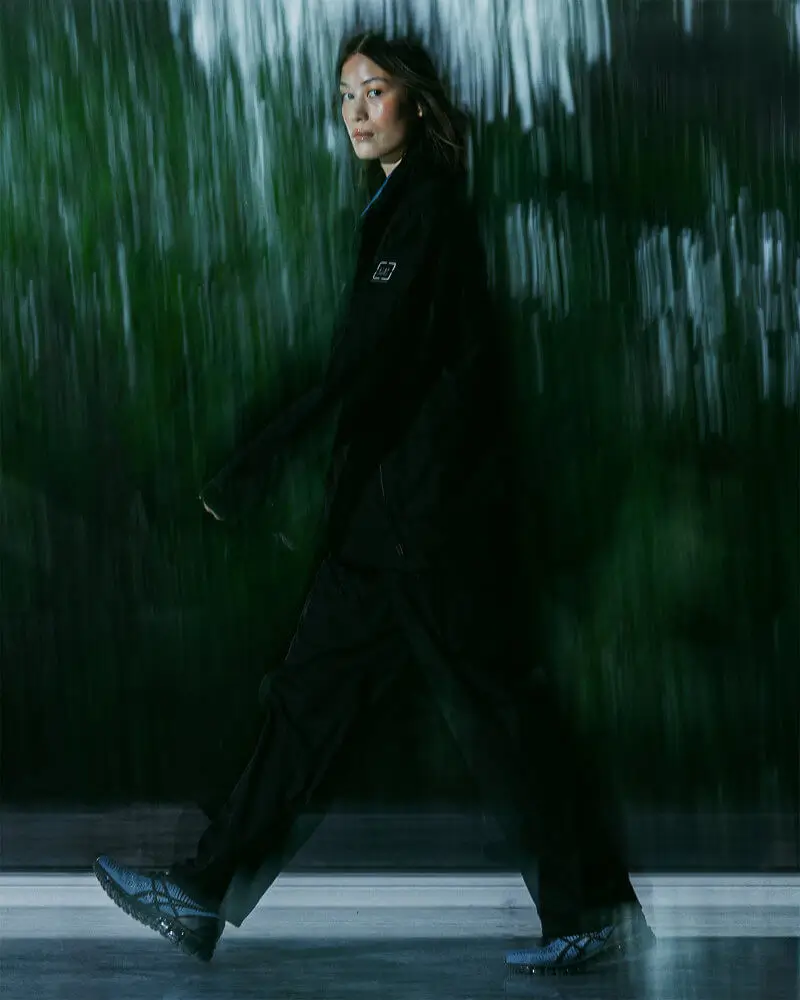
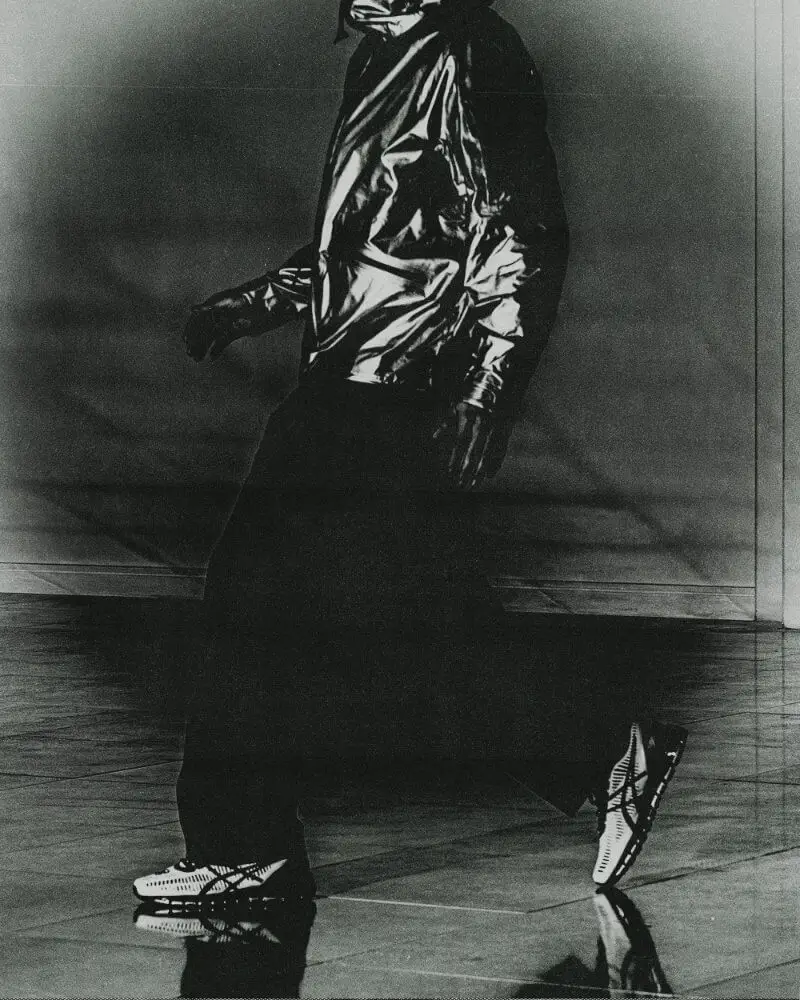
When two brands built on technical innovation come together, the result tends to carry more weight than a standard sneaker release. The renewed partnership between ASICS and C.P. Company represents exactly that. Following the strong reception of their first footwear project, the Japanese performance brand and the Italian sportswear pioneer have reunited for a second collaborative shoe—an evolution that deepens their shared language of engineering, materials, and urban functionality.
The collaboration is notable not only because it bridges two different design cultures, but because both companies share a remarkably similar ethos: an obsession with research. ASICS has long been associated with technical performance footwear, while C.P. Company built its reputation on garment experimentation, dyeing techniques, and innovative textiles. Their partnership feels less like a marketing exercise and more like a natural meeting point between sports science and Italian industrial design.
This second release builds upon the foundation laid by their earlier project, pushing further into hybrid territory where athletic performance meets lifestyle aesthetics.
phil
At the heart of this collaboration lies a mutual appreciation for technical design. ASICS has decades of expertise in biomechanical research and running technology, developing silhouettes that prioritize cushioning, stability, and movement efficiency. Meanwhile, C.P. Company—founded in 1971 by legendary Italian designer Massimo Osti—has spent more than fifty years refining the art of functional clothing.
Osti’s legacy still defines the brand today. He pioneered garment-dyeing techniques, transforming military and workwear garments into experimental fashion pieces. The iconic goggle jacket, for example, became a symbol of utilitarian style that blended industrial aesthetics with everyday practicality.
That same philosophy translates naturally into footwear when paired with ASICS’ technical platform. Instead of simply adding logos or superficial details, the collaboration focuses on materials, structure, and subtle functional cues.
The result is a shoe that feels engineered rather than styled.
sil
While the exact model varies depending on the edition, the collaboration typically draws from one of ASICS’ advanced running silhouettes—often something rooted in the brand’s GEL technology lineage. These platforms provide a stable base for experimentation while ensuring that the sneaker still performs as intended.
ASICS’ GEL cushioning remains central to the design. The visible or embedded gel units absorb shock and distribute pressure across the foot, a system originally developed for long-distance running but now widely adopted in lifestyle sneakers. The technology gives the shoe a distinctive comfort profile that differentiates it from purely aesthetic collaborations.
The midsole structure also emphasizes stability. Multi-layer foam systems and reinforced heel counters create a balance between softness and support, allowing the sneaker to function equally well as an everyday urban shoe.
In many ways, the ASICS framework acts as the engineering backbone of the collaboration.
xp
If ASICS provides the performance architecture, C.P. Company contributes the textile storytelling. The Italian label is known for its relentless experimentation with fabrics, dyes, and industrial finishing processes, and that tradition carries directly into this sneaker.
The upper construction often incorporates technical mesh, nylon, and synthetic overlays inspired by outerwear materials. These fabrics echo the types used in C.P. Company jackets and utility garments, creating continuity between the brand’s apparel and footwear.
Color palettes tend to lean toward muted, utilitarian tones—military greens, graphite greys, deep blacks, and washed neutrals. These shades reflect the brand’s roots in military and industrial clothing while allowing the shoe’s structural elements to stand out.
In some cases, subtle details reference the brand’s signature design motifs. Textured panels, layered overlays, and slightly matte finishes give the sneaker a tactile quality reminiscent of garment-dyed fabrics.
Rather than loud branding, the design communicates through material depth and texture.
show
One of the most interesting aspects of the collaboration is how it balances lifestyle culture with performance credibility. ASICS has increasingly become a major player in fashion circles over the past decade, particularly within streetwear and sneaker communities. Collaborations with designers and fashion labels have helped reposition the brand beyond its running roots.
At the same time, ASICS has maintained a strong connection to technical performance. That balance makes it an ideal partner for brands like C.P. Company, which similarly operate between fashion and functionality.
The resulting sneaker sits comfortably in both worlds. It can be worn as part of an everyday streetwear outfit, but it still retains the structural integrity of a performance shoe.
For shoe enthusiasts, that authenticity matters.
influ
C.P. Company occupies a unique place in fashion history. The brand helped define the aesthetic of Italian sportswear in the late twentieth century, influencing subcultures ranging from football casuals in the United Kingdom to contemporary technical fashion.
Its garments often blend military references with sportswear silhouettes, producing clothing that feels both utilitarian and refined. That same sensibility appears in the sneaker collaboration.
Instead of exaggerating shapes or introducing flashy graphics, the design remains disciplined. The emphasis is on precision—carefully balanced paneling, understated color choices, and functional materials.
This approach reflects the broader philosophy of Italian industrial design, where engineering and aesthetics often merge seamlessly.
grow
The ASICS and C.P. Company project also highlights a broader trend within the sneaker industry. Collaborations are no longer simply about celebrity endorsements or graphic branding. Increasingly, they involve genuine technical exchange between brands.
Design teams are exploring how apparel innovation can influence footwear construction and vice versa. Material research, sustainability considerations, and ergonomic design are becoming central to collaborative projects.
This shift mirrors a larger cultural movement toward functional fashion—clothing and accessories that prioritize performance, durability, and real-world usability.
In that context, the ASICS x C.P. Company collaboration feels particularly relevant.
commune
The first installment of the partnership generated strong interest among both sneaker collectors and fans of technical fashion. The combination of ASICS’ respected running heritage and C.P. Company’s cult following created a crossover audience.
Early reactions to the second release suggest a similar trajectory. Enthusiasts appreciate the subtlety of the design, especially in an era when many collaborations rely on bold logos or bright colorways.
Instead, this project focuses on craftsmanship and engineering.
That approach aligns with the growing appreciation for understated technical footwear—sneakers that reveal their complexity gradually rather than announcing it immediately.
fwd
The strength of the ASICS and C.P. Company partnership lies in their shared commitment to innovation. Both brands built their reputations through experimentation, research, and a willingness to rethink conventional design.
For ASICS, that experimentation takes the form of biomechanical performance technology. For C.P. Company, it emerges through fabric manipulation and garment construction.
When these philosophies intersect, the result is a sneaker that feels deliberate and thoughtful.
sum
Either this second release becomes an ongoing series remains to be seen, but the foundation is clearly in place. The collaboration demonstrates how footwear partnerships can evolve beyond surface-level aesthetics into genuine design dialogue.
In a crowded sneaker market, that depth matters. Consumers are increasingly drawn to products that carry authentic stories—projects where both brands contribute something meaningful.
ASICS and C.P. Company appear to understand that dynamic well.
Their second collaborative shoe is not simply a sequel. It is a continuation of a shared exploration into what modern technical footwear can look like when performance engineering and experimental fashion move in the same direction.
No comments yet.