Mr Brainwash and the Rise of the Experiential Art Museum

March 13, 2026
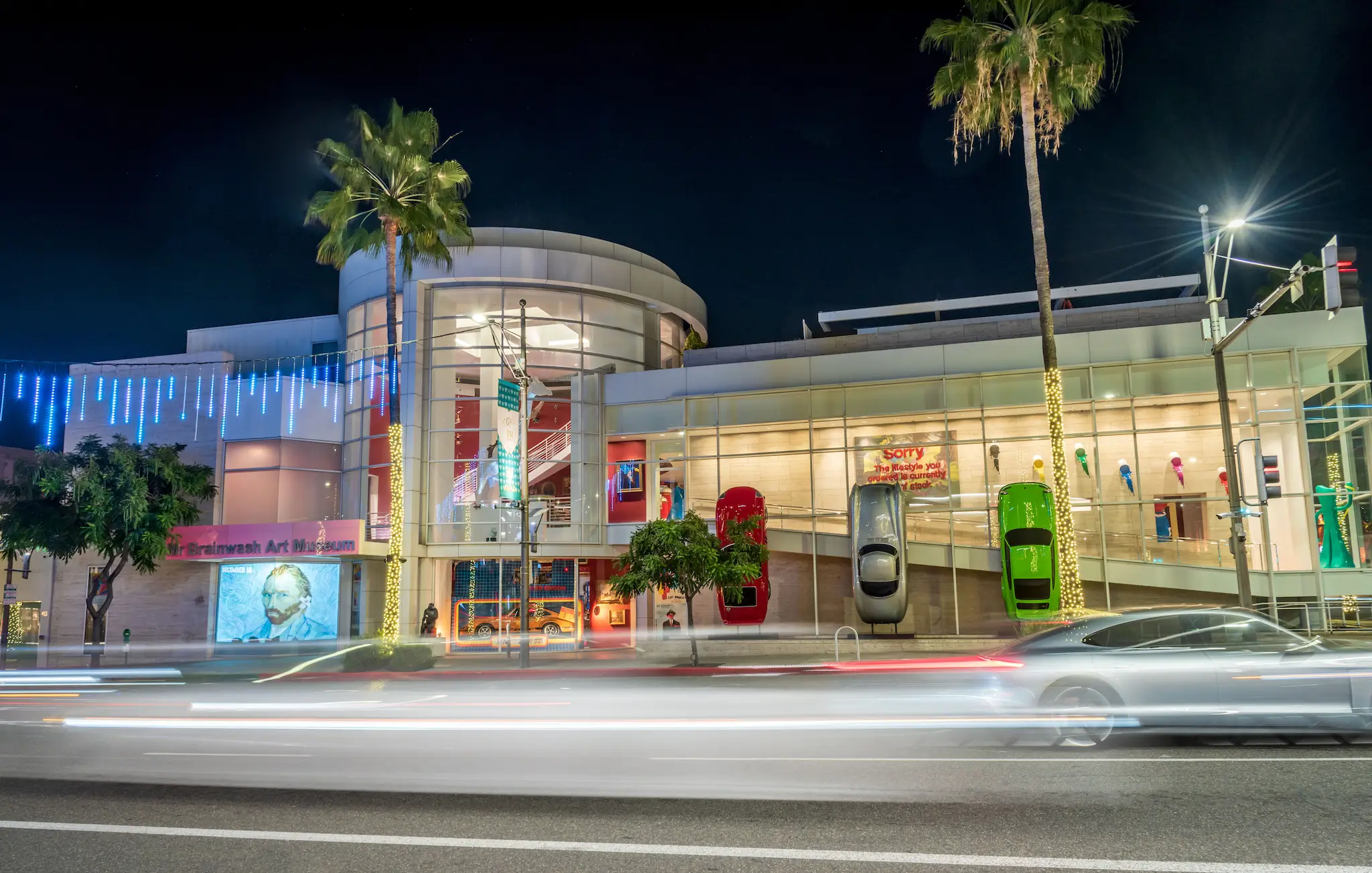
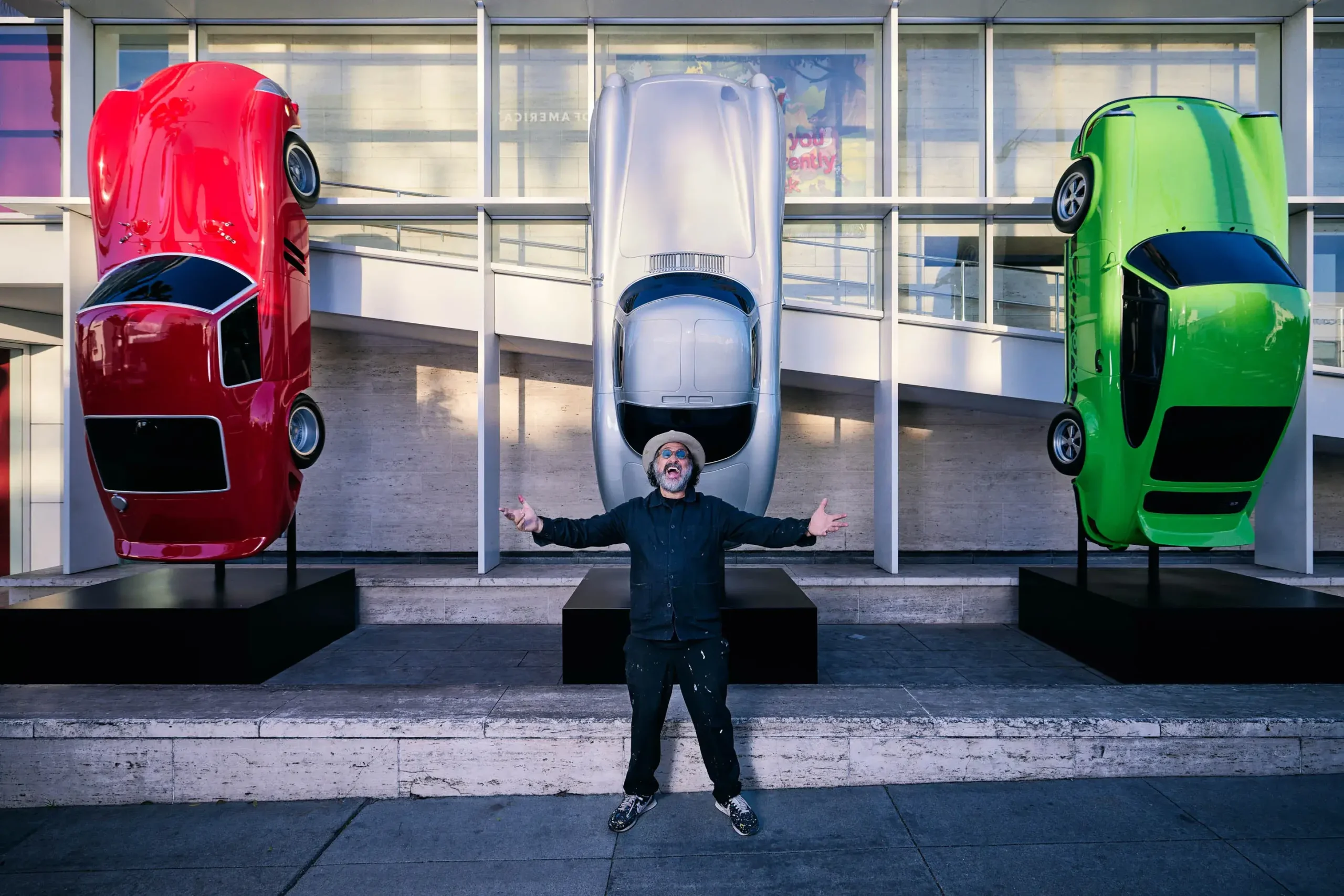
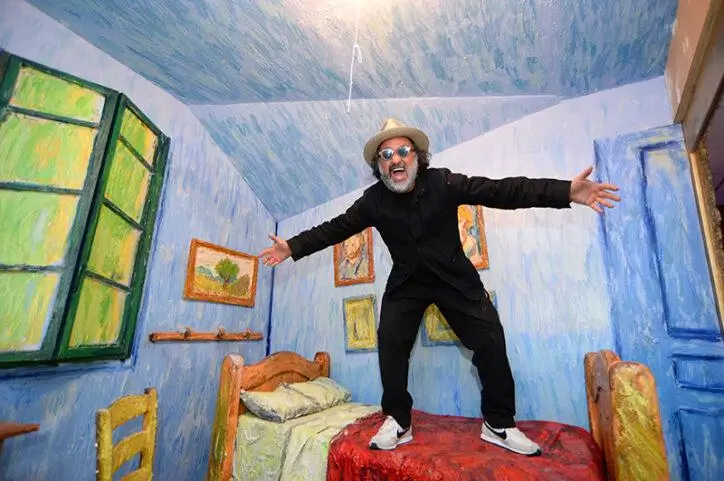
In a city famous for entertainment spectacle and cultural experimentation, few art spaces capture the joyful spirit of Los Angeles quite like the museum created by Mr Brainwash. Situated in the heart of Southern California’s art and design landscape, the immersive museum experience transforms contemporary pop art into something closer to an amusement park for the imagination.
Unlike the quiet, contemplative atmosphere typically associated with galleries, the Mr Brainwash museum thrives on energy. Visitors encounter walls bursting with color, sculptures assembled from everyday objects, neon slogans glowing against graffiti backgrounds, and installations that encourage photographs, laughter, and interaction. The space celebrates the skittish side of art, proving that contemporary creativity can be both accessible and exhilarating.
In many ways, the museum represents the culmination of Guetta’s unconventional artistic journey. Once a filmmaker obsessed with documenting street artists, he eventually transformed himself into one of the most recognizable names in the pop street art movement. Today, the museum stands as both a personal showcase and a cultural hub that attracts tourists, collectors, influencers, and art lovers from around the world.
origin
The story of Mr Brainwash begins far from the gallery walls of Los Angeles. Born in France as Thierry Guetta, he spent years documenting the street art scene during the early 2000s. His camera captured the rise of graffiti icons, including artists who were reshaping the perception of urban art.
Guetta’s footage eventually caught the attention of the elusive British street artist Banksy, who would later use parts of it in the now-famous documentary Exit Through the Gift Shop. The film chronicled Guetta’s transition from obsessive documentarian to artist himself, introducing the world to the eccentric personality behind the name Mr Brainwash.
Whether the transformation was spontaneous performance art or a genuine artistic awakening remains a subject of debate among critics. Yet the outcome is undeniable: Mr Brainwash quickly became one of the most recognizable figures in contemporary pop art.
His aesthetic blends the rebellious energy of street graffiti with the polished imagery of pop culture. The influence of artists such as Andy Warhol and Jean-Michel Basquiat can be seen throughout his work, yet the results carry a distinctly modern twist.
View this post on Instagram
flow
Where many museums focus on history or intellectual interpretation, the Mr Brainwash museum embraces a simple philosophy: art should make people smile.
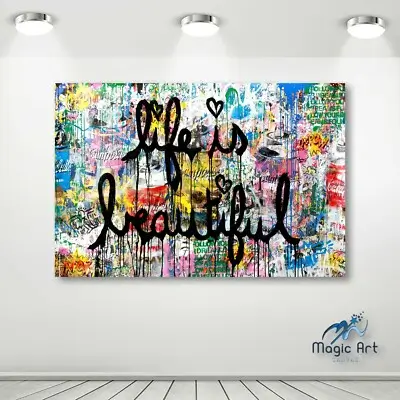
From the moment visitors step inside, the atmosphere feels different. Bright murals stretch across the walls, often layered with familiar imagery—vintage cartoons, pop culture icons, and inspirational phrases rendered in bold colors. Neon lights flash messages such as “Life Is Beautiful,” a phrase that has become one of Mr Brainwash’s signature motifs.
The installations often combine sculpture and street art techniques. Giant spray paint cans appear transformed into towering monuments, while walls resemble urban alleyways covered in playful graffiti tags. The result feels less like a traditional exhibition and more like a vibrant urban carnival.
This immersive design has made the museum especially popular with younger audiences and social media creators. The space seems almost engineered for visual storytelling, with nearly every corner offering a photogenic backdrop.
imagine
One of the defining characteristics of Mr Brainwash’s work is his ability to remix familiar cultural imagery. Iconic figures from film, music, and television appear throughout his paintings and sculptures, often transformed through layers of graffiti, splashes of color, and bold typography.
A portrait might begin as a recognizable image but evolve into something entirely different through chaotic brushstrokes and stencil overlays. The method echoes techniques associated with street art, where artists adapt existing imagery into new visual narratives.
In this sense, Mr Brainwash’s art reflects the broader cultural ecosystem of Los Angeles itself—a city built on remixing entertainment, celebrity, and creative industries into constantly evolving forms of expression.
Visitors encounter playful reinterpretations of cultural symbols alongside uplifting slogans, giving the museum a distinctly optimistic tone. Unlike much contemporary art that leans toward critique or irony, Mr Brainwash’s work often celebrates joy and positivity.
install
Another element that distinguishes the museum from traditional galleries is its commitment to immersive design.
Rather than presenting art as isolated objects, the environment encourages exploration. Entire rooms are transformed into colorful landscapes where paintings extend across walls, floors, and ceilings.
Some installations feature oversized sculptures constructed from everyday materials—recycled objects, stacked crates, or industrial elements repurposed into art. These pieces reflect the influence of street culture, where creativity often emerges from unexpected materials found in urban environments.
The layout changes periodically as new exhibitions and artworks rotate through the space. This constant evolution ensures that repeat visitors encounter something different each time they return.
For many visitors, the museum becomes an experience rather than a simple viewing exercise. People wander, photograph, laugh, and interact with the surroundings, creating an atmosphere that feels closer to a cultural festival than a conventional art institution.
la
Los Angeles provides the perfect backdrop for a museum like Mr Brainwash’s. The city has long been a global center for visual experimentation, blending Hollywood spectacle, street culture, and contemporary art.
Major institutions such as The Broad and Los Angeles County Museum of Art represent the traditional side of the city’s art ecosystem. Meanwhile, the street art scene continues to flourish in neighborhoods like the Arts District and Venice.
The Mr Brainwash museum occupies a fascinating middle ground between these worlds. It borrows the scale and ambition of major museums while maintaining the rebellious spirit of graffiti culture.
In a city where murals appear on building facades and art spills into public spaces, the museum feels like a natural extension of the urban environment.
new
Part of what makes the museum so appealing is its departure from traditional museum culture. Visitors are not expected to move quietly from painting to painting while reading academic descriptions.
Instead, the space invites emotional reactions. People smile at colorful murals, pose beside sculptures, and immerse themselves in environments designed to feel joyful.
This approach reflects broader changes in how audiences engage with art in the digital age. Social media platforms have transformed museums into visual destinations where visitors share experiences instantly with global audiences.
The Mr Brainwash museum embraces this dynamic wholeheartedly. Its installations seem intentionally designed to appear vibrant on camera, turning visitors into participants in the museum’s storytelling.
stir
Not everyone in the art world embraces Mr Brainwash’s style. Some critics question whether the work represents genuine artistic innovation or clever branding.
The debate itself became part of his public persona after the release of Exit Through the Gift Shop. In the film, Banksy playfully suggests that Mr Brainwash may represent the ultimate test of the contemporary art market: could a charismatic personality create an art career simply through spectacle?
Yet the continued popularity of his exhibitions suggests that audiences respond to the work regardless of critical skepticism. For many visitors, the museum’s vibrant atmosphere and accessible visual language provide a refreshing alternative to more cerebral galleries.
In this sense, Mr Brainwash occupies a unique position in the art ecosystem. He bridges the worlds of street art, pop culture, and commercial gallery spaces while attracting a diverse audience.
show
Perhaps the most defining characteristic of the Mr Brainwash museum is its commitment to fun.
Bright colors dominate the visual landscape. Inspirational slogans appear throughout the galleries. Sculptures and installations invite playful interpretation rather than serious analysis.
This approach resonates strongly in a cultural moment where many people seek uplifting experiences. The museum offers a break from the seriousness often associated with art institutions.
Visitors leave with photographs, memories, and often a sense of optimism reinforced by the recurring message that appears across many of Mr Brainwash’s works: life is beautiful.
fwd
The popularity of immersive art environments has grown dramatically in recent years. Across the world, museums and exhibitions are experimenting with installations designed to engage multiple senses and encourage visitor participation.
The Mr Brainwash museum represents one of the earliest examples of this trend within the contemporary art scene. By combining street art aesthetics with experiential design, the space demonstrates how museums can evolve beyond traditional formats.
For Los Angeles—a city that thrives on creativity and spectacle—the museum feels like a perfect fit. It captures the city’s vibrant energy while celebrating the playful possibilities of modern art.
clue
In a cultural landscape often dominated by seriousness and critique, the Mr Brainwash museum stands apart as a celebration of color, humor, and creativity.
The space invites visitors to experience art not as an academic subject but as a joyful encounter. Walls burst with graffiti-inspired imagery, sculptures transform everyday objects into coltish icons, and inspirational messages glow across neon installations.
For those exploring the art scene of Los Angeles, the museum offers something refreshingly different: an environment where contemporary art feels welcoming, energetic, and undeniably fun.
Whether viewed as pop art spectacle, immersive installation, or simply a joyful escape, the museum embodies the creative spirit that defines Los Angeles itself. And in doing so, it proves that art can still surprise, delight, and make people smile.


No comments yet.