For nearly eight decades, Ferrari has built its identity on a symphony of combustion: the roar of a V12 echoing across the Italian countryside, the tightly wound scream of a V8 slicing through corners at Monza, the visceral mechanical dialogue between engine, driver, and road. The brand’s mythology is inseparable from sound and speed.
But every automotive icon eventually confronts the gravity of technological change. For Ferrari, the arrival of its first fully electric vehicle represents more than a compliance exercise or a nod to regulatory pressure. It marks a redefinition of what performance means in the modern age.
Enter the Ferrari Luce, the company’s first all-electric production model, a car that aims to carry the legacy of Maranello into a future where electricity replaces gasoline but emotion remains essential.
The name itself—Luce, Italian for “light”—signals both illumination and evolution. And at the center of that evolution is a union few expected: the interior vision shaped by renowned industrial designer Jony Ive, the creative force responsible for many of Apple’s most iconic products.
The result is not simply an electric Ferrari. It is a philosophical shift in how the brand imagines the relationship between technology, luxury, and driving.
stir
Ferrari has long been cautious about electrification. While competitors accelerated toward battery power, the company emphasized hybridization as a transitional step.
The LaFerrari hypercar introduced hybrid assistance more than a decade ago, and subsequent models like the SF90 Stradale expanded that technology across the lineup. These cars demonstrated that electric motors could enhance performance rather than dilute it.
Still, a fully electric Ferrari represented unfamiliar territory.
The Luce changes that equation.
Built on a dedicated EV architecture developed in Maranello, the car represents a clean-sheet approach rather than an adaptation of an existing platform. Engineers have reportedly focused on maintaining Ferrari’s core principles—responsiveness, agility, and emotional engagement—even without a combustion engine.
This has required innovation not just in power delivery, but also in sound design, weight distribution, and driver interaction.
In other words, the Luce is less about replacing the Ferrari experience and more about translating it into a new medium.
lang
At first glance, the Luce still looks unmistakably Ferrari.
The proportions remain dramatic: a long, sculpted front end flowing into a muscular rear stance. The roofline sweeps backward in a continuous curve, creating a silhouette that feels both aerodynamic and elegant.
But subtle differences reveal its electric nature.
Without the need for large air intakes or traditional engine cooling requirements, the front fascia becomes smoother, more sculptural. Thin LED lighting signatures stretch across the nose, emphasizing width and visual stability.
The side profile highlights the car’s low center of gravity, a byproduct of the battery pack integrated into the floor.
Ferrari designers have leaned into this architecture to create a shape that appears planted yet fluid, as though the car is already moving even when standing still.
From the rear, the Luce retains the brand’s signature round taillight motif but reinterprets it through modern lighting technology. The effect is both nostalgic and forward-looking—a balance Ferrari has carefully cultivated across its design history.
phil
While the exterior honors Ferrari’s visual legacy, the interior is where the Luce truly breaks new ground.
Jony Ive’s involvement signals a radical shift from traditional supercar cabin design.
Known for his minimalist philosophy and obsession with material precision, Ive helped define the tactile and visual language of modern consumer electronics during his tenure at Apple. Devices like the iPhone and MacBook emphasized simplicity, clarity, and a near-invisible integration of technology.
Bringing that philosophy into a Ferrari required rethinking what a driver-focused cockpit could become.
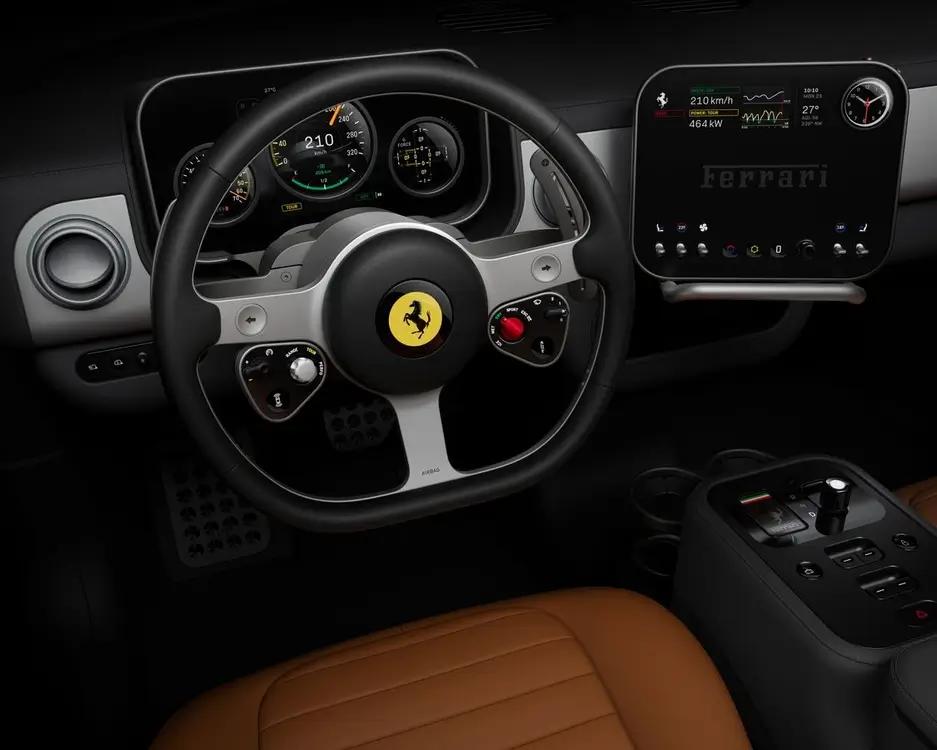
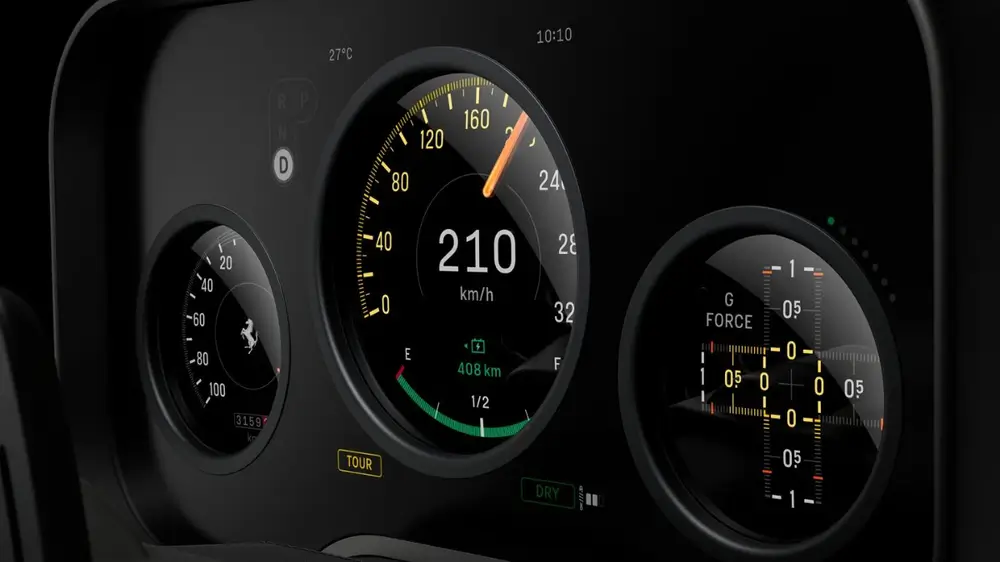
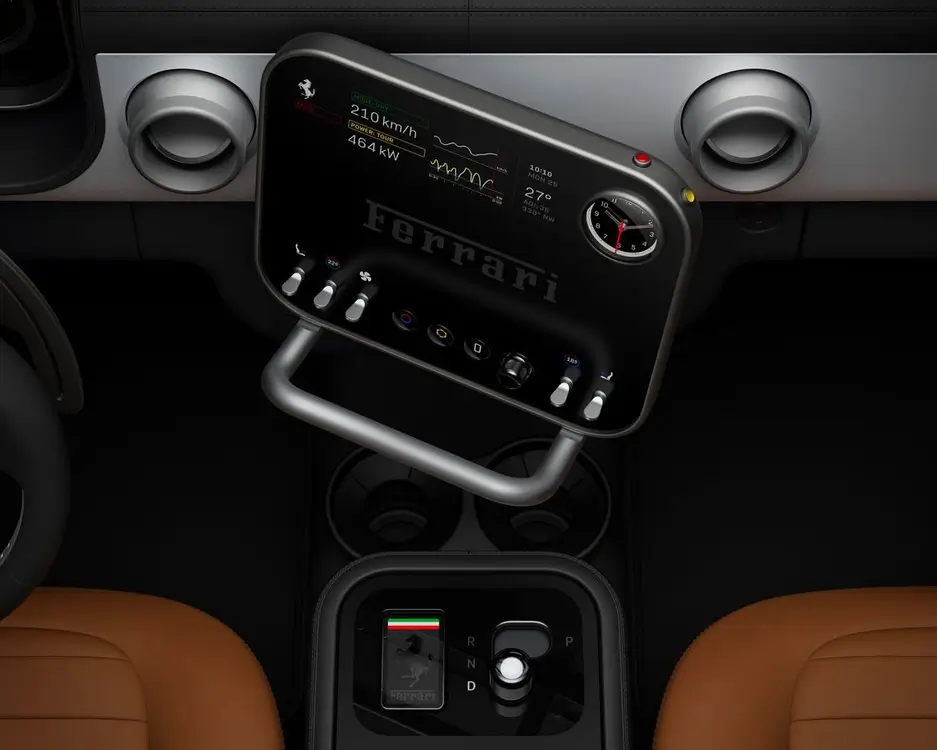
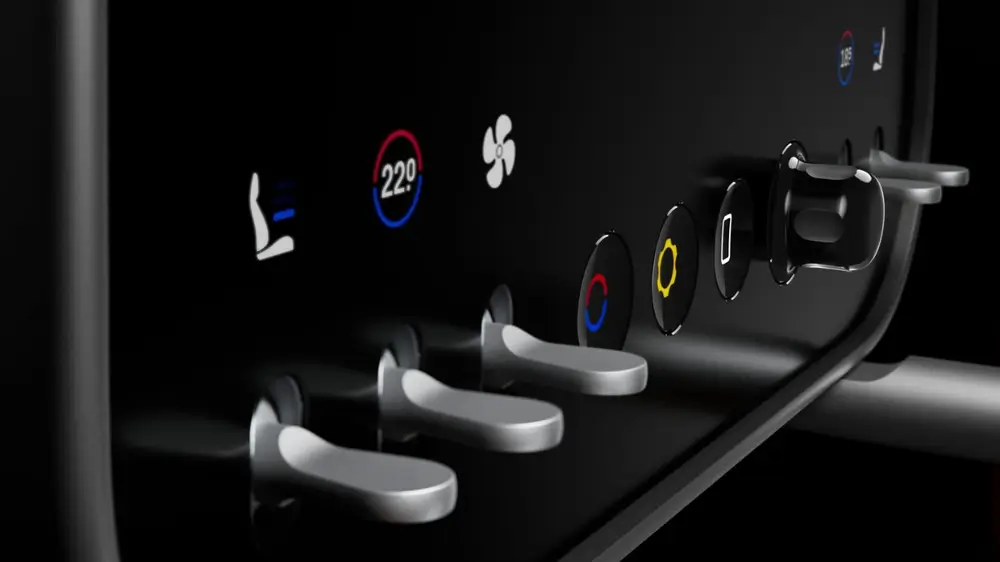
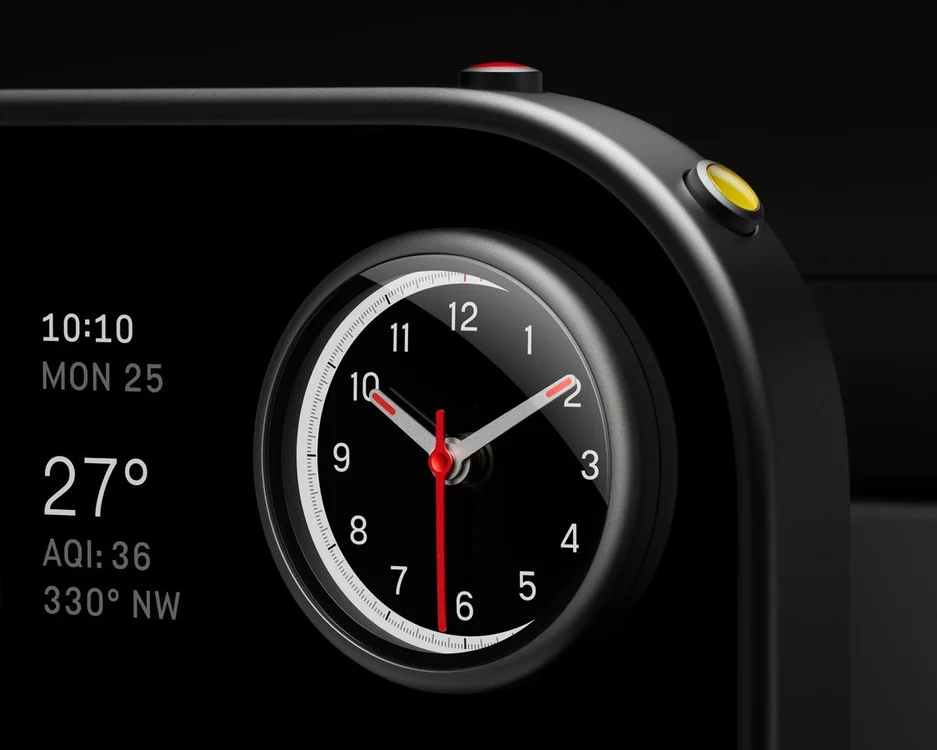
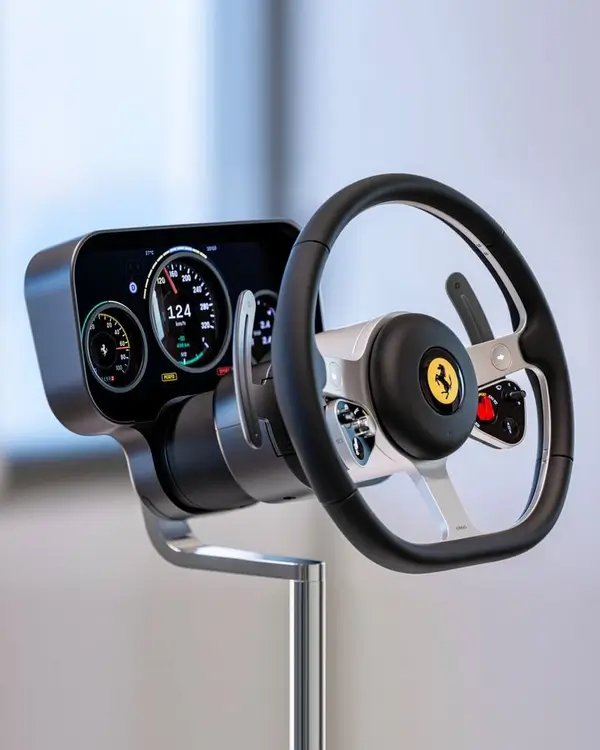
The Luce interior eliminates much of the visual clutter associated with modern dashboards. Instead of overwhelming the driver with screens and controls, the cabin centers on a single sweeping interface that integrates navigation, vehicle data, and performance information into a unified display system.
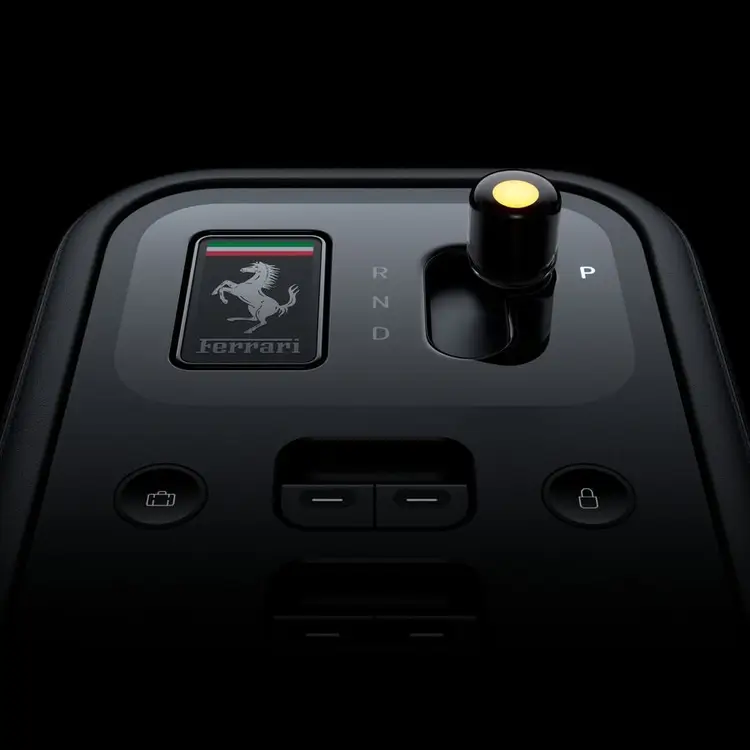
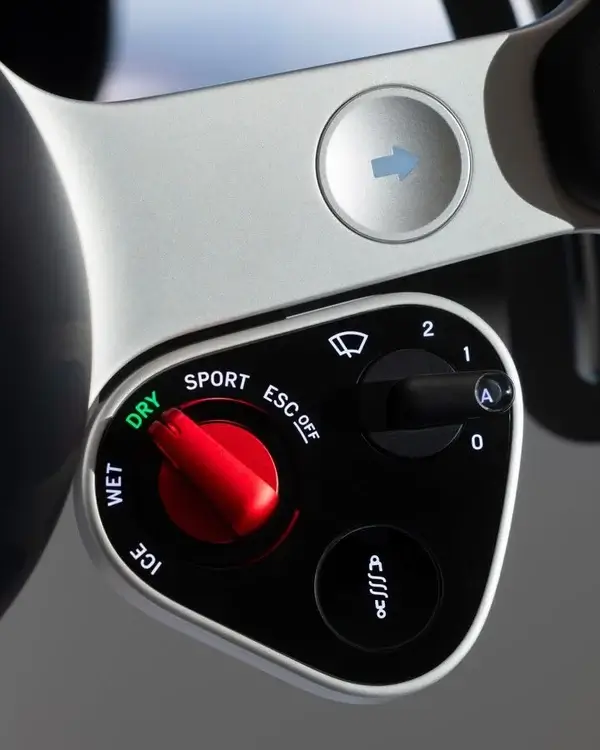
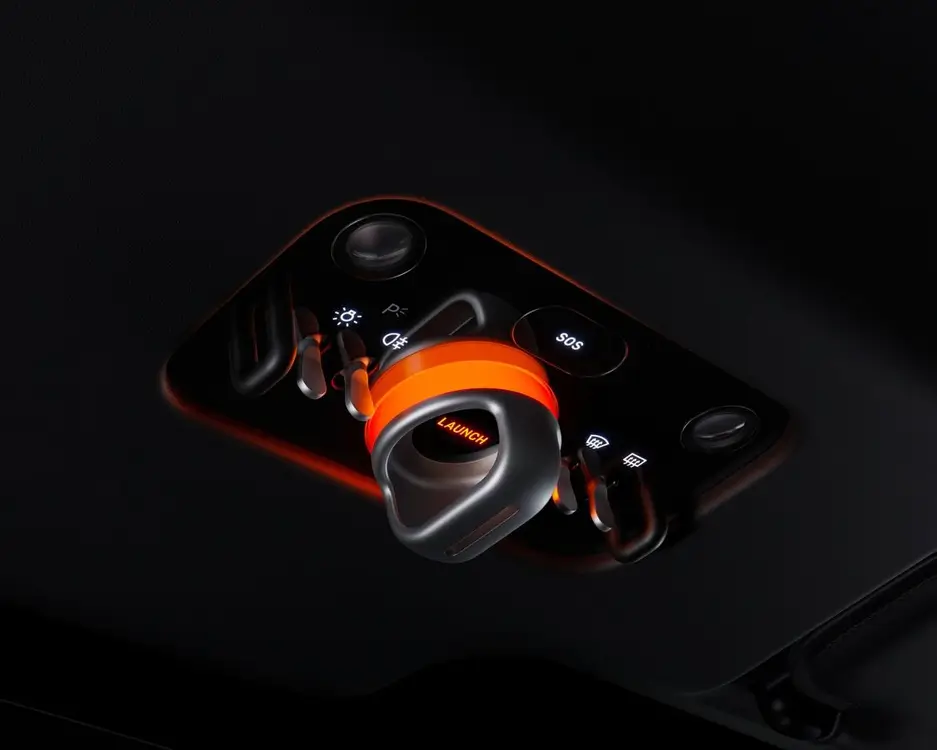
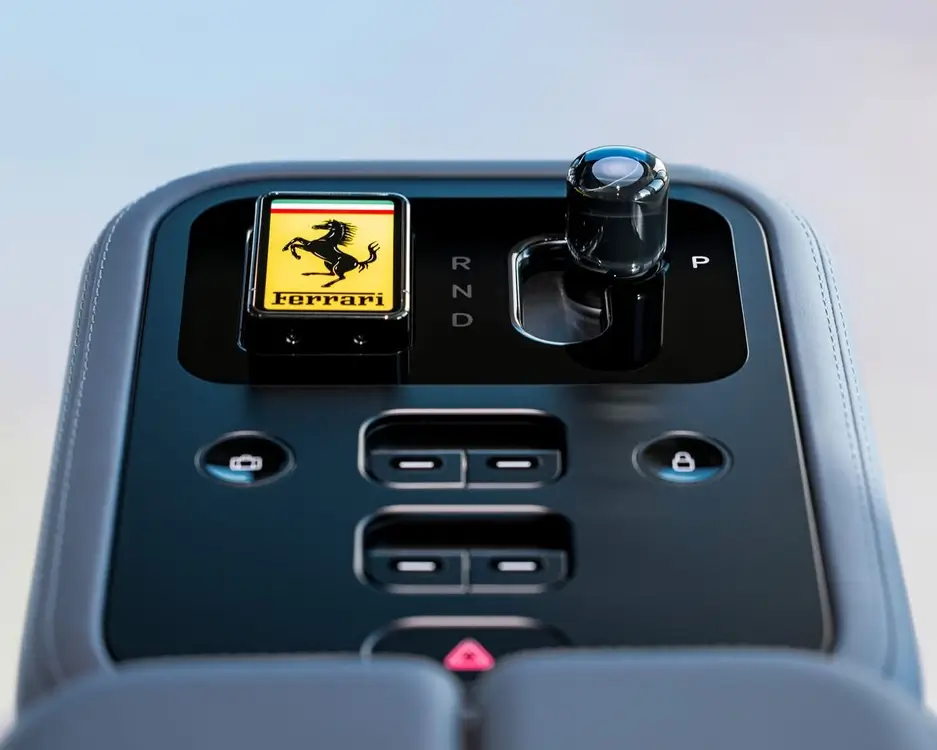
Physical buttons are minimized but not eliminated. Ive’s design approach prioritizes tactile feedback where it matters most—steering wheel controls, drive mode selectors, and haptic surfaces that allow drivers to interact with the car without distraction.
Materials conjure an equally important role.
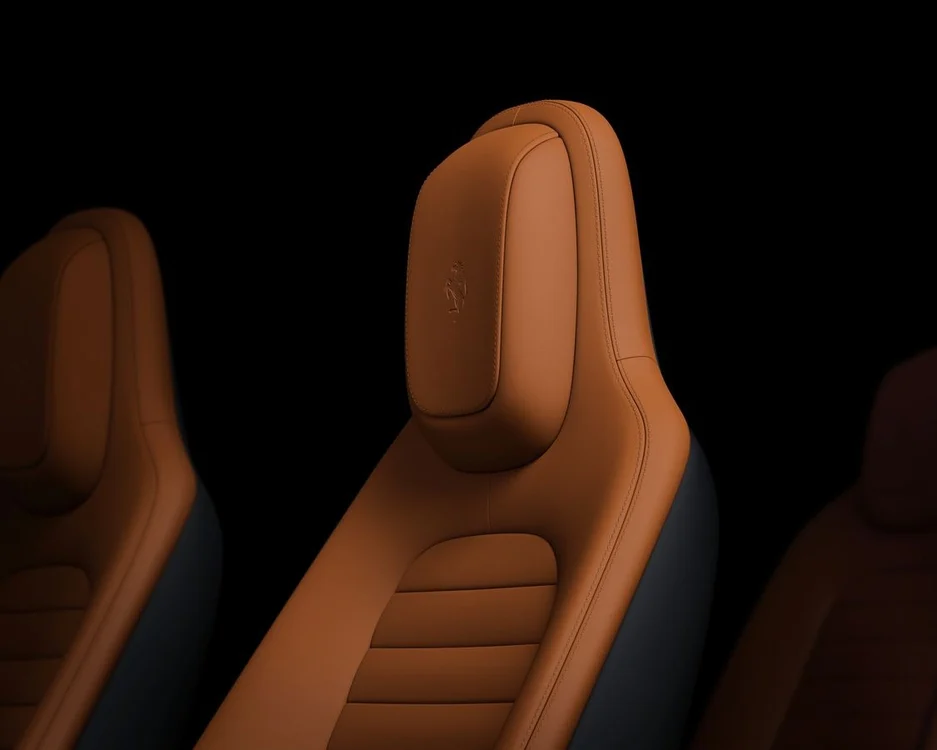
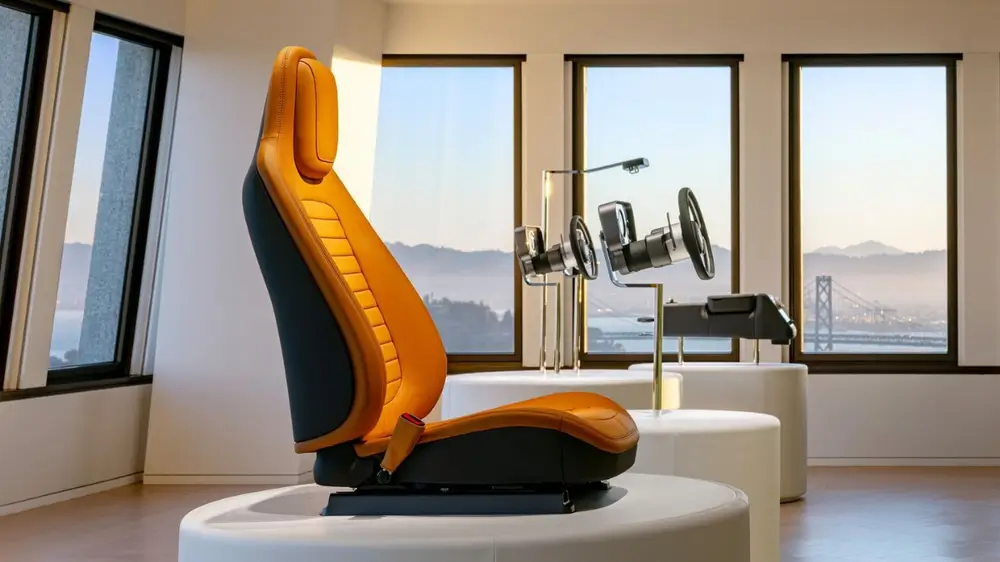
Ferrari’s tradition of leather and carbon fiber remains, but it is reinterpreted through sustainable alternatives and new manufacturing techniques. Recycled composites, precision-machined aluminum, and responsibly sourced fabrics create a cabin that feels both luxurious and environmentally conscious.
The effect is unmistakably Ferrari yet unmistakably modern.
imagine
One of the most controversial aspects of electric performance cars is sound.
For decades, Ferrari engines produced some of the most celebrated acoustic signatures in automotive history. The absence of that soundtrack raises an obvious question: how does an electric Ferrari stir the senses?
Engineers have approached the problem creatively.
Rather than attempting to simulate the sound of a traditional engine, the Luce introduces an entirely new sonic identity. A system of exterior and interior speakers generates a dynamic soundscape tied to acceleration, speed, and energy flow.
The goal is not imitation but emotional continuity.
Drivers still hear a crescendo as they accelerate. They still feel a sense of drama as the car surges forward. The difference lies in the tone: a futuristic resonance rather than a mechanical roar.
Some purists may resist the idea.
But Ferrari believes the experience will win skeptics over once they sit behind the wheel.
show
A Ferrari must ultimately be judged by how it drives.
Early technical details suggest the Luce will deliver performance that rivals the brand’s most powerful combustion models.
Multiple electric motors—likely positioned at both axles—create an all-wheel-drive system capable of distributing torque with extraordinary precision. Instant power delivery allows the car to accelerate from zero to sixty miles per hour in well under three seconds.
But straight-line speed is only part of the story.
Ferrari engineers have focused heavily on handling dynamics. Battery weight is carefully distributed to maintain the brand’s signature balance, while advanced suspension systems adapt continuously to road conditions.
The result, according to early prototypes, is a car that feels both stable and agile.
In many ways, electric power enhances Ferrari’s performance philosophy rather than compromising it.
role
Another major shift introduced by the Luce is the importance of software.
Modern electric vehicles rely heavily on digital architecture to manage power, efficiency, and user interaction. Ferrari’s new platform incorporates advanced driver assistance features, predictive energy management, and over-the-air updates that allow the car to evolve over time.
This represents a departure from traditional automotive development cycles.
Instead of remaining static after purchase, the Luce can receive performance refinements, interface improvements, and new features through software updates.
The car becomes less like a fixed machine and more like a continuously evolving technological object.
flow
The Luce does not signal the end of Ferrari’s combustion engines.
Company executives have repeatedly emphasized that hybrid and internal-combustion models will remain part of the lineup for years to come. The EV simply expands the brand’s portfolio rather than replacing its heritage.
Still, the introduction of a fully electric Ferrari carries symbolic weight.
It demonstrates that even the most tradition-bound automakers recognize the inevitability of electrification.
More importantly, it suggests that performance brands can embrace the technology without losing their identity.
reserve
One of the most intriguing aspects of the Luce project is its emphasis on restraint.
Many electric vehicles attempt to impress with overwhelming digital displays and futuristic gimmicks. Ferrari’s collaboration with Jony Ive takes the opposite approach.
The cabin feels calm, almost architectural.
Controls disappear into surfaces. Displays integrate seamlessly into the dashboard. Lighting is subtle rather than theatrical.
This restraint reflects a broader shift in luxury design.
In an age where technology saturates everyday life, true luxury increasingly means clarity and simplicity. The Luce interior embodies that philosophy, offering a space where technology serves the driver without dominating the experience.
gen
Perhaps the most important question surrounding the Luce is not technical but cultural.
Will younger buyers—many of whom grew up with smartphones and electric mobility—embrace an EV Ferrari more readily than traditional enthusiasts?
Early signs suggest the answer may be yes.
Luxury consumers are increasingly interested in sustainability, digital integration, and forward-looking design. An electric Ferrari aligns with those priorities while preserving the prestige associated with the brand.
For many younger drivers, the Luce could represent the ultimate intersection of technology and performance.
fwd
Ferrari has always walked a delicate line between heritage and innovation.
Too much tradition risks stagnation. Too much experimentation risks alienating loyal fans.
The Luce attempts to strike a careful balance between the two.
Its exterior retains the unmistakable drama of Ferrari design. Its performance targets remain firmly in supercar territory. Yet its interior philosophy, electric architecture, and digital capabilities reflect a brand willing to rethink its future.
The collaboration with Jony Ive underscores that ambition.
Just as Ferrari engineers once reimagined racing technology for the road, the Luce represents a reinterpretation of luxury performance for an electric age.
sum
For a company defined by combustion engines, building an electric car might once have seemed like a contradiction.
Today, it looks more like an opportunity.
The Luce suggests that Ferrari’s identity was never tied exclusively to gasoline or exhaust notes. It was tied to emotion—the feeling of driving something extraordinary.
If the Luce delivers on its promise, that emotion will survive the transition to electricity.
Perhaps even shine brighter.
After all, luce means light.
And for Ferrari, the road ahead may be illuminated by it.