McQueen’s Archive: Inside the Foundations of Structure Tailoring

March 14, 2026
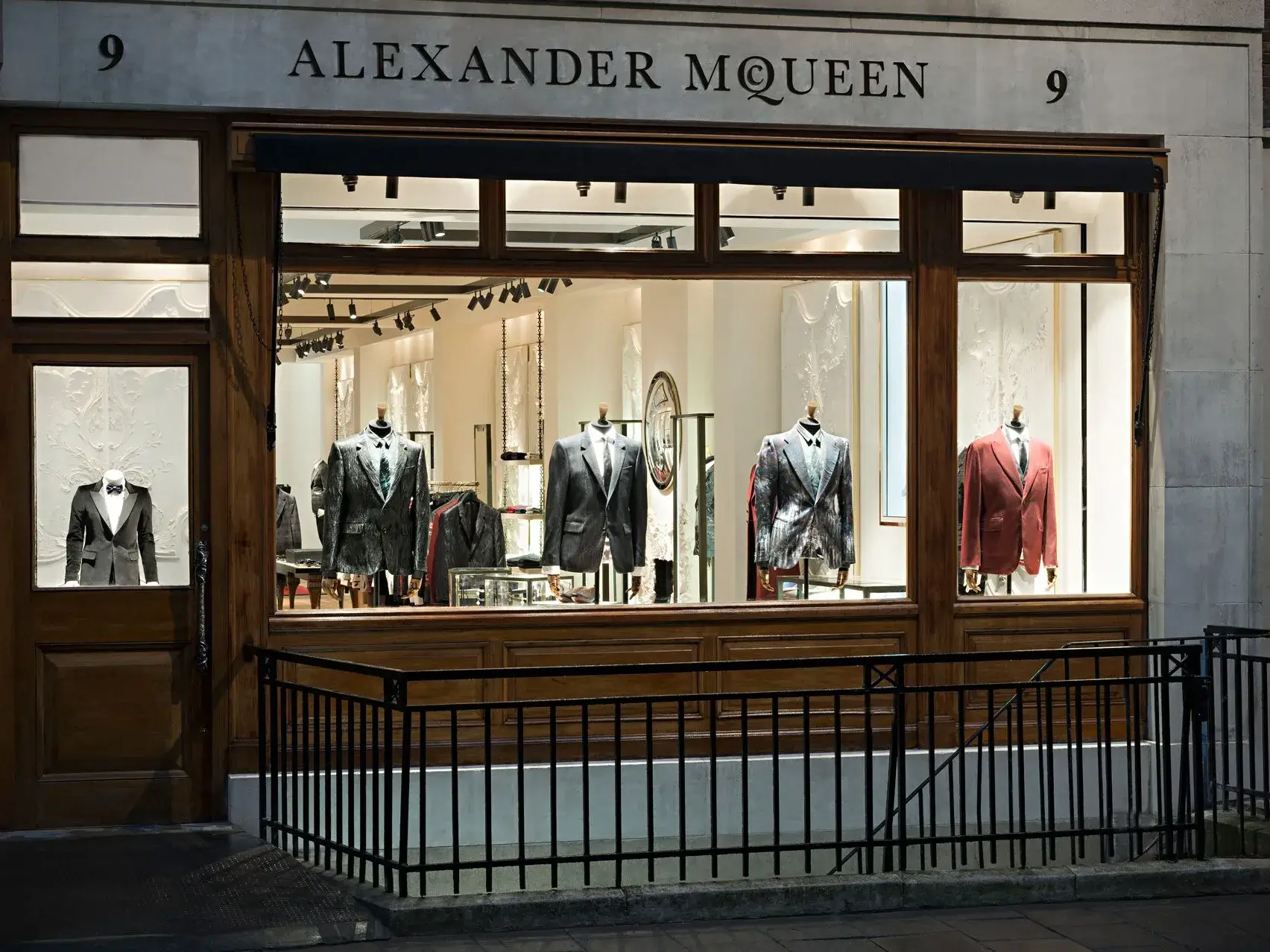
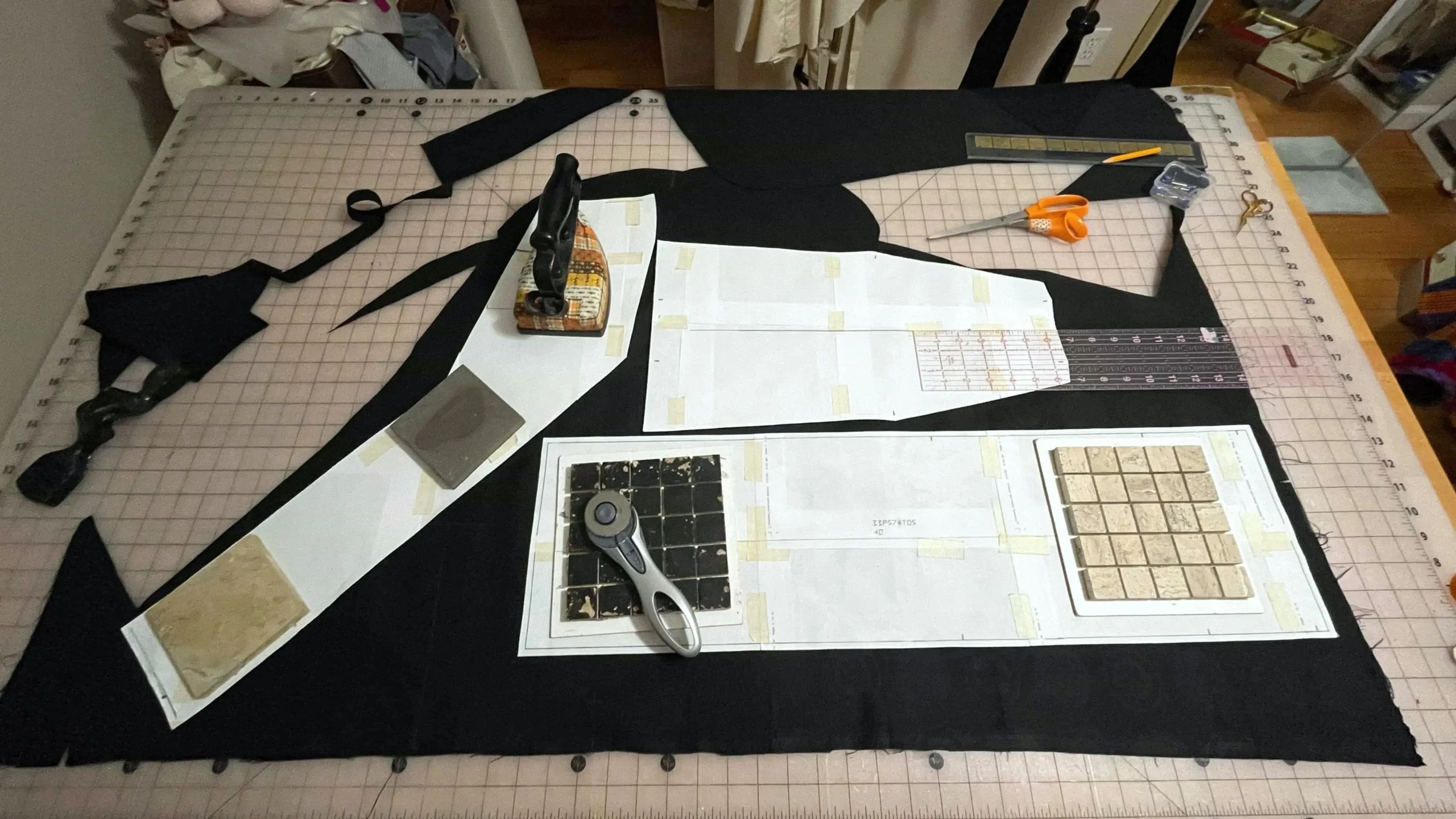
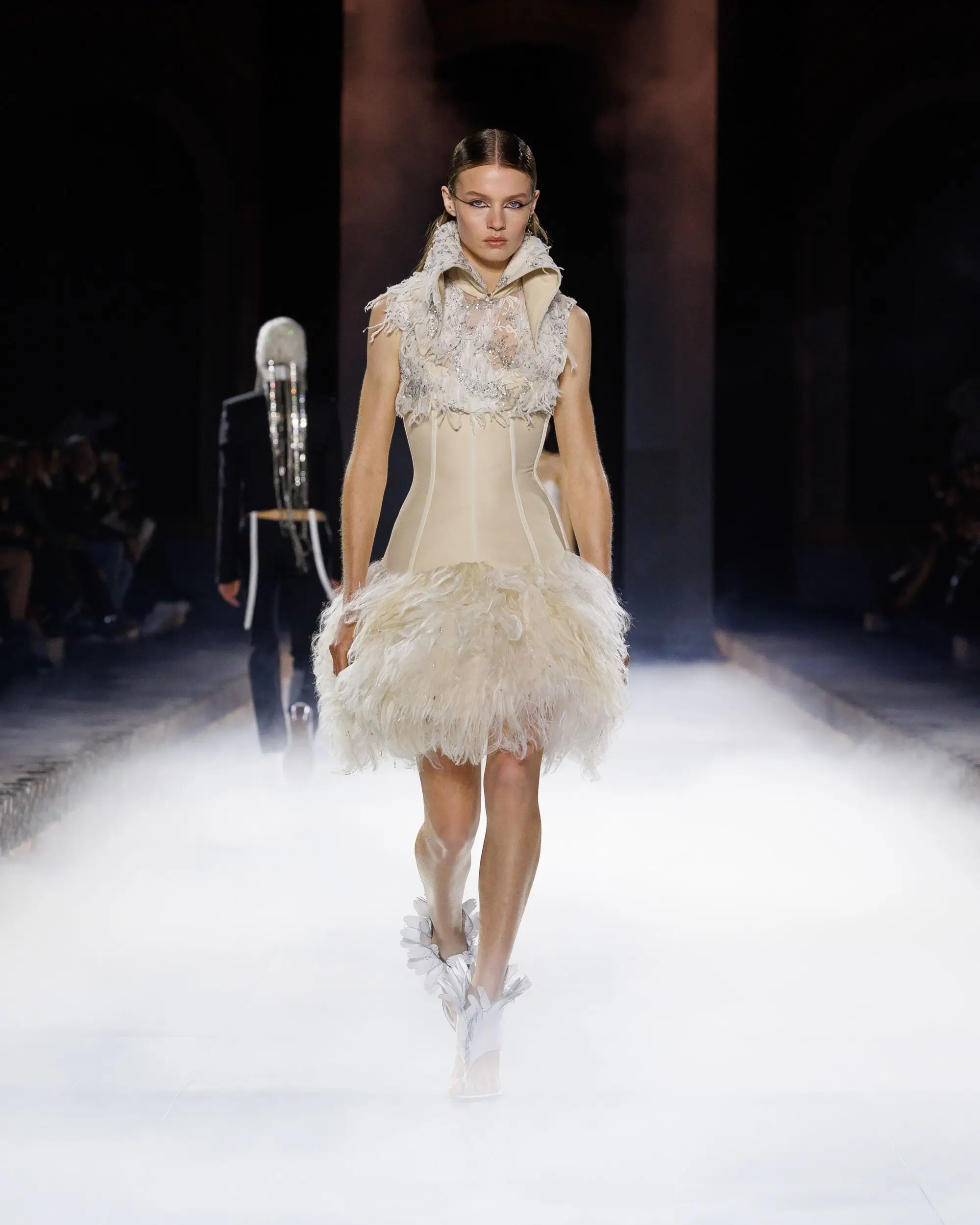
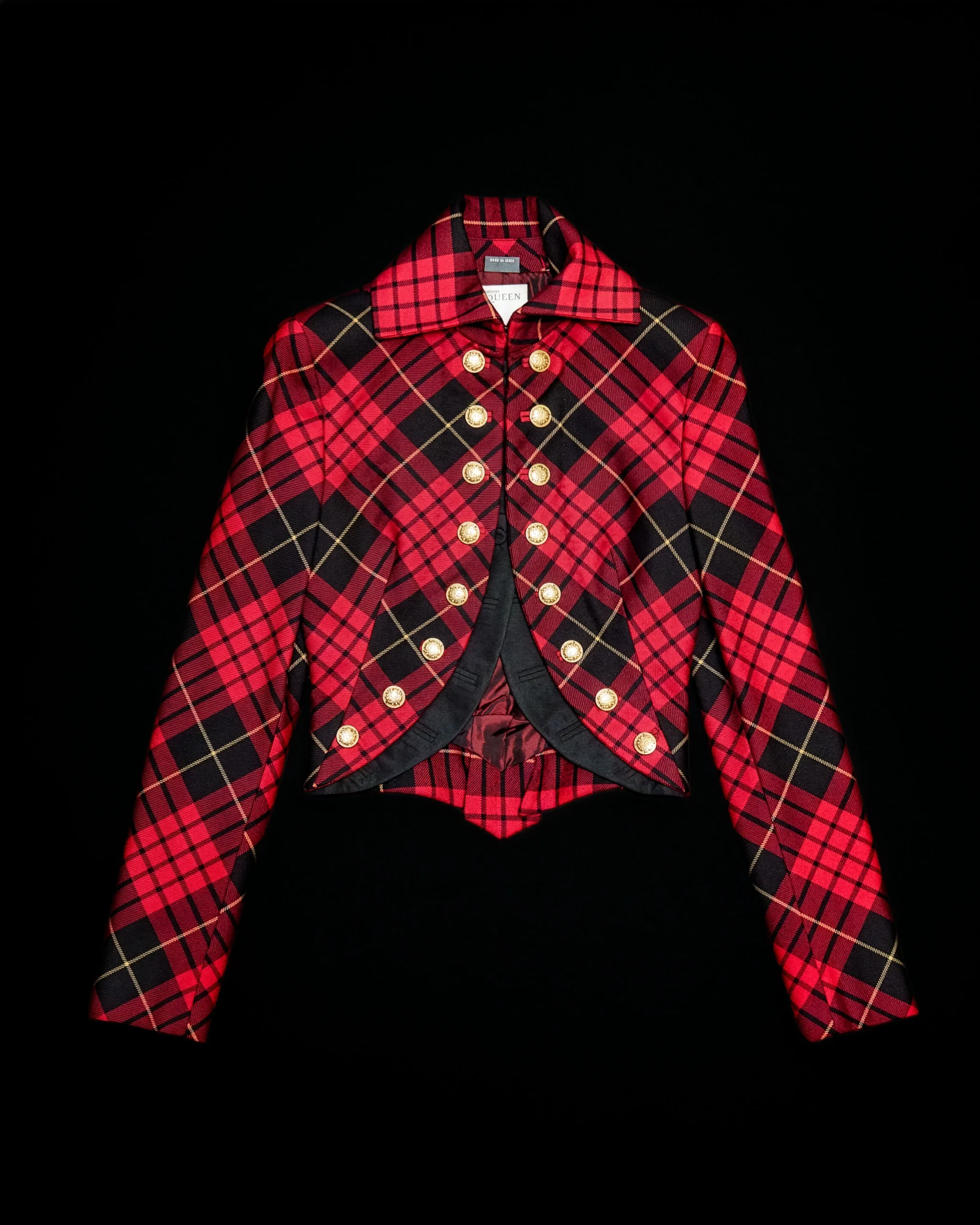
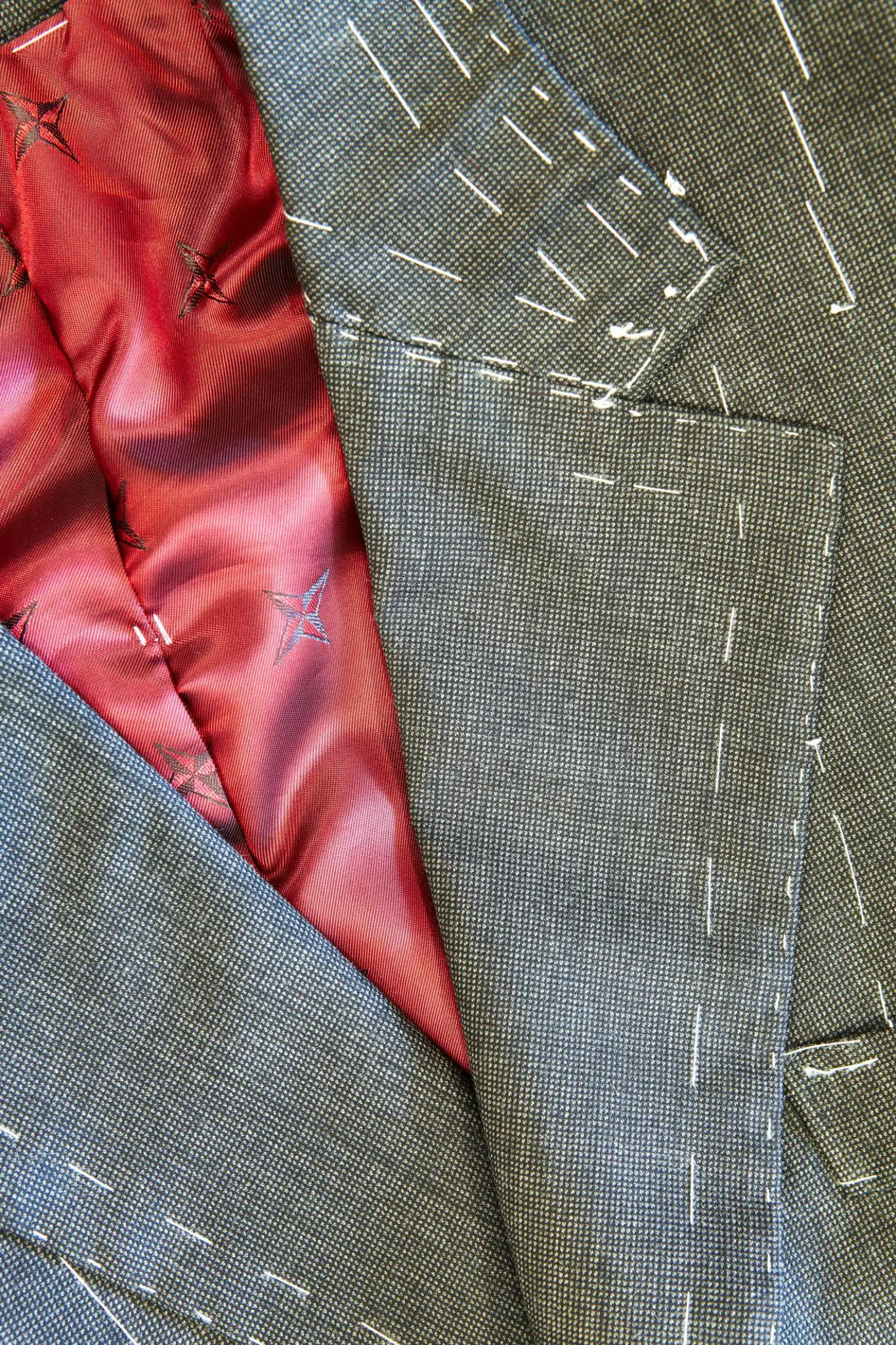
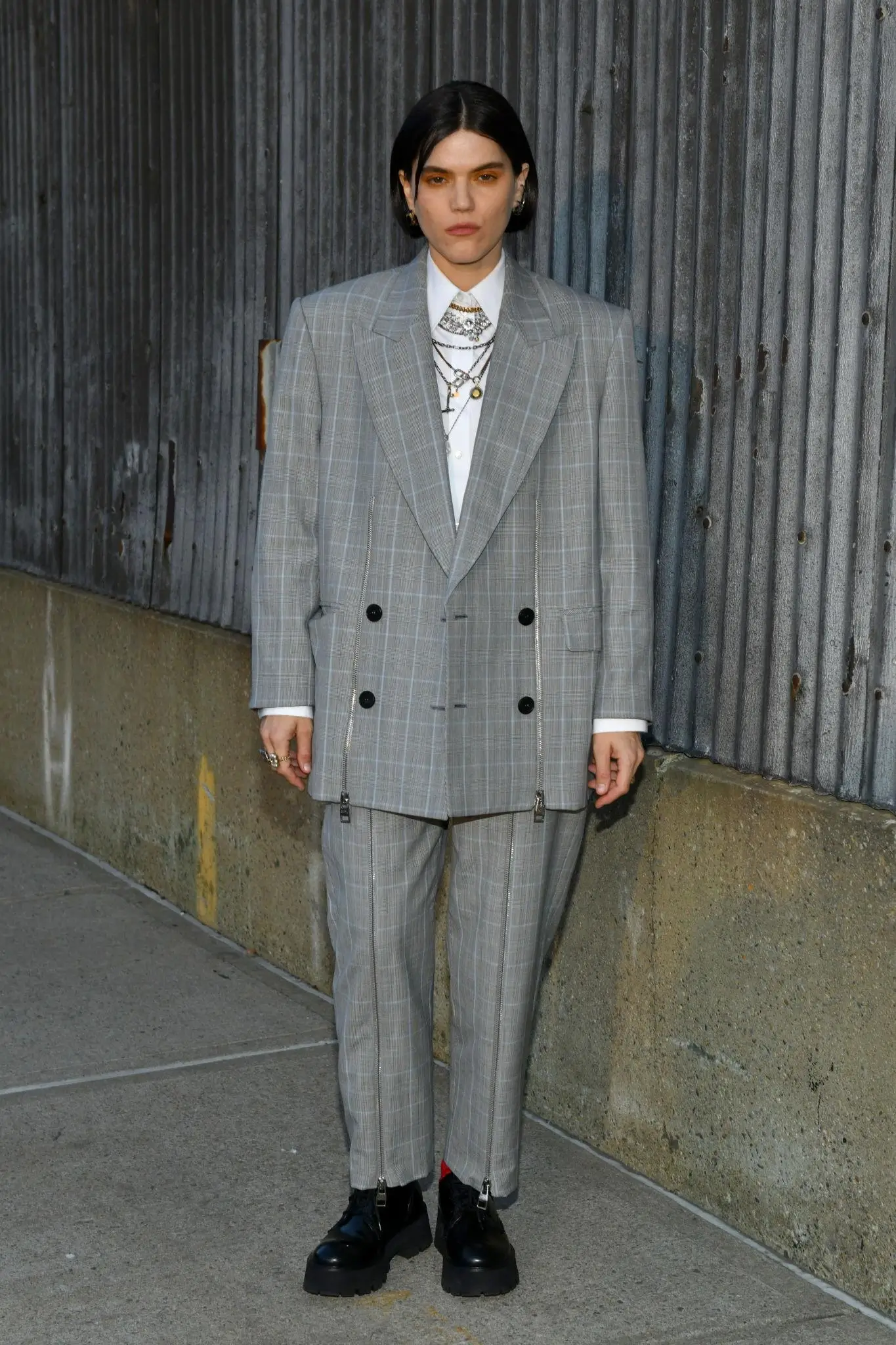
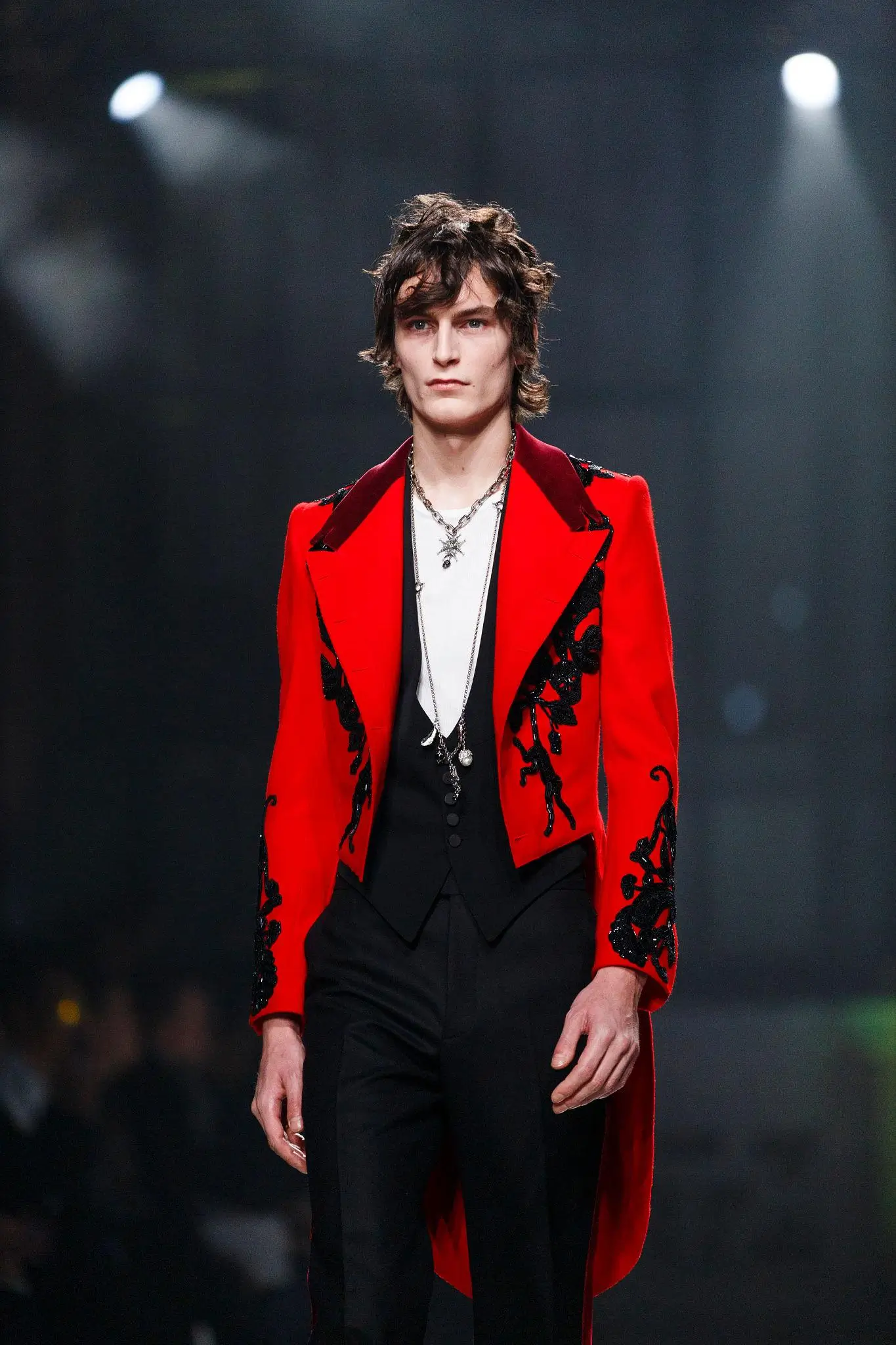
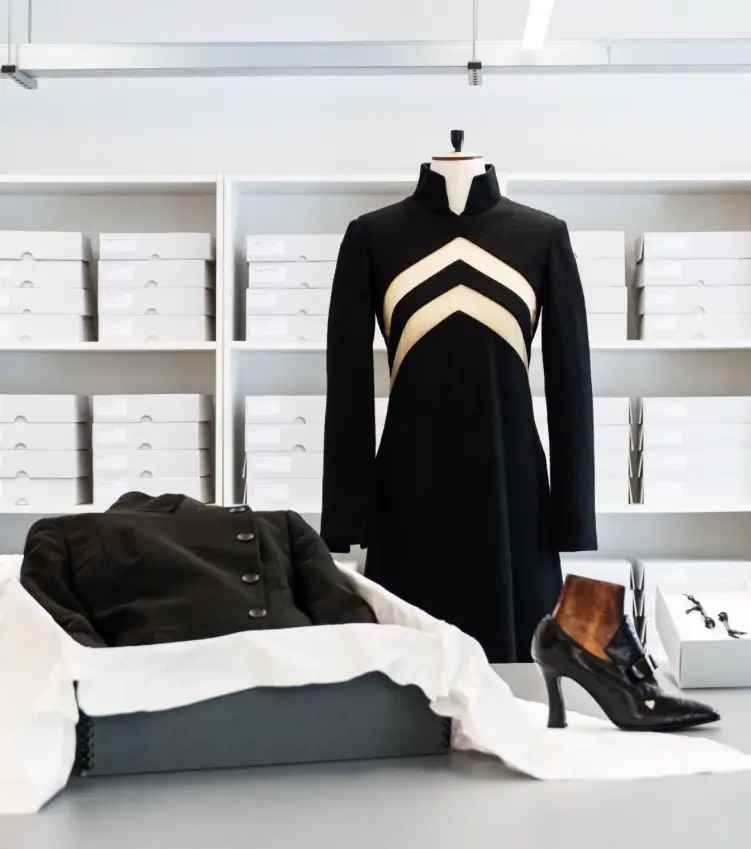
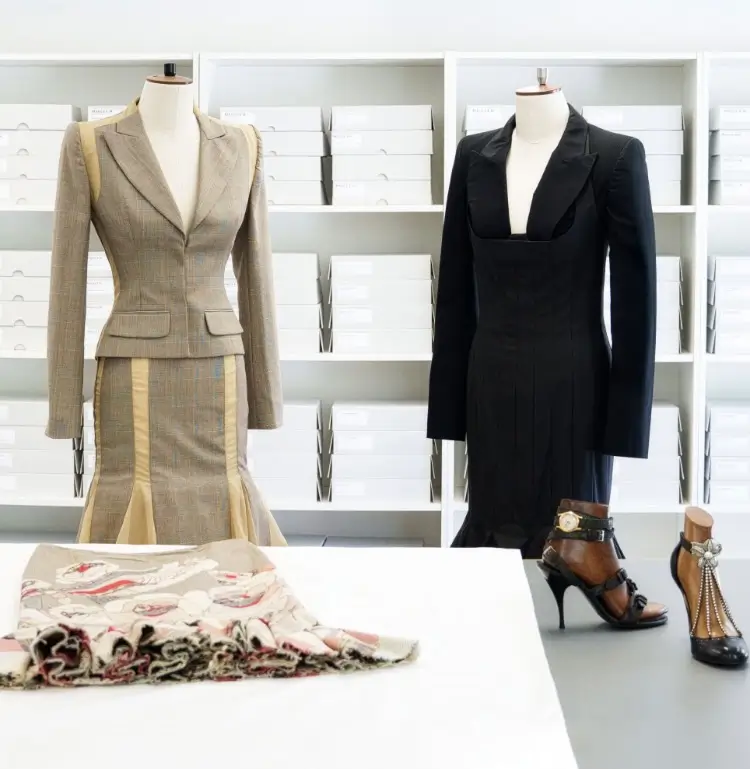
Tailoring has always been the backbone of the house of Alexander McQueen. Beneath the theatrics of runway spectacle, beneath the mythologies and gothic romanticism, lies an almost obsessive devotion to construction. Jackets cut with surgical precision. Lapels that move like sculpture. Seams engineered with the sensibility of architecture rather than clothing.
To examine the tailoring of the brand is to trace the intellectual DNA of its founder, Alexander McQueen. Before the dramatic shows, before fashion’s collective fascination with his darker poetic narratives, McQueen trained in the strict world of British bespoke tailoring.
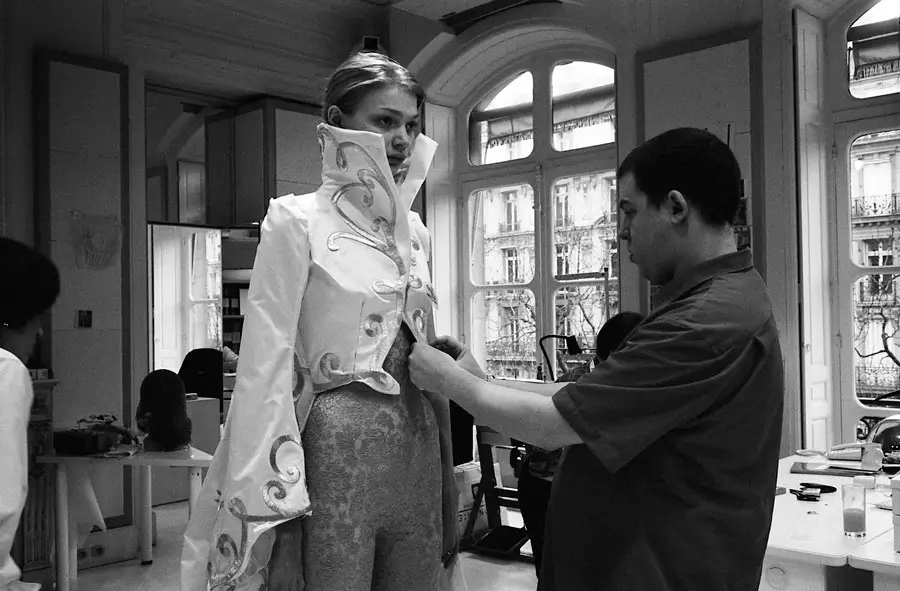
The recent initiative titled Documenting McQueen: Tailoring revisits these origins through the house archive. By examining preserved garments, sketches, patterns, and atelier documentation, the project reveals how McQueen’s radical creativity was always rooted in rigorous craftsmanship.
In many ways, the archive tells a deeper story than the runway ever could. It reveals the invisible labor beneath the spectacle.
View this post on Instagram
rebel
The story begins on Savile Row, the epicenter of British bespoke tailoring. Here, McQueen apprenticed as a teenager, working at the prestigious tailoring house Anderson & Sheppard.
Savile Row is synonymous with tradition. Patterns are drafted by hand. Jackets are built with floating canvas interiors rather than fused structures. Precision is measured in millimeters. Craft knowledge passes through generations like an oral language.
For a young McQueen, this environment became a crucible. He absorbed centuries of technique while quietly developing his own disruptive ideas about how clothing could behave.
In the archive, early jacket blocks reveal the foundations of this training:
-
Strong structured shoulders
-
Sculpted waist suppression
-
Long, elongated silhouettes
-
Anatomical seam placement
These elements would later evolve into the signature McQueen silhouette—simultaneously classical and confrontational.
One archivist described the discovery of early pattern drafts as “a conversation between Savile Row and the future.”
jacket
Looking closely at the house archive reveals that McQueen tailoring is defined not by surface decoration but by structural innovation.
A typical McQueen jacket contains numerous hidden engineering decisions.
sculpted waist
Perhaps the most recognizable McQueen tailoring feature is the aggressively shaped waist. Unlike traditional Savile Row jackets that follow the natural torso line, McQueen often exaggerated curvature.
This created an hourglass shape that appeared almost anatomical—like clothing molded directly onto the body’s skeletal structure.
elongated lines
Many archival jackets reveal subtly extended proportions:
-
Longer front panels
-
Lower button stances
-
Deep lapels
The result was a silhouette that stretched the wearer vertically, giving garments a sense of movement and drama even when still.
View this post on Instagram
flow
The interior structure of McQueen jackets is astonishingly complex.
Hand-stitched horsehair canvas provides rigidity. Multiple interfacing layers control drape. Shoulder padding is sculpted rather than simply inserted.
In many garments, hidden seams guide the fabric around the body like tension cables in architecture.
The wearer rarely sees this construction, yet it is the reason McQueen tailoring feels so distinct.
style
One of the revelations of the McQueen archive is how tailoring served as narrative language.
For McQueen, clothing was never simply about fit or luxury. Each collection carried historical, emotional, or cultural references.
Tailoring became the structural framework through which these stories unfolded.
hx
Many archive garments reference Victorian tailoring traditions—frock coats, military jackets, and equestrian attire.
These references often appear subtly:
-
curved back seams reminiscent of riding coats
-
high collar shapes echoing Victorian menswear
-
flared hems referencing 19th-century silhouettes
The garments feel historical without becoming costume.
gothic
McQueen famously explored darker themes—mortality, nature, and decay.
Tailoring helped express this mood. Sharp black suits with blade-like shoulders often appeared alongside flowing fabrics or fragile embellishments.
The contrast between rigidity and fragility became a recurring McQueen motif.
the archive
Fashion archives are often treated as museums of the past. The McQueen archive functions differently.
Within the house, it operates more like a design laboratory.
Design teams study archived garments to understand construction logic. Pattern cutters analyze seam placements to replicate or reinterpret historical silhouettes. Even fabric selections are revisited through preserved swatches.
This process ensures continuity within the brand.
Rather than repeating old designs, the archive allows contemporary designers to access the intellectual framework behind them.
In essence, the archive preserves not only garments but design philosophy.
define
Over time, certain tailoring characteristics have become recognizable McQueen codes.
The archive identifies several that recur across decades.
acuity
McQueen tailoring is precise, but never conservative. Classical tailoring is pushed toward theatrical proportions.
Waists become tighter. Shoulders sharper. Lapels deeper.
bal
McQueen frequently blurred gender boundaries through tailoring.
Women wore suits with masculine structure yet sensual shaping. Menswear silhouettes incorporated fluidity and dramatic proportion.
The archive shows that this duality appeared early in McQueen’s career.
arch
Unlike many designers who treat tailoring as rigid uniform, McQueen approached it like anatomy.
Seams mimic muscle lines. Panels wrap around the body rather than hang from it.
The result feels almost biological.
idea
While runway shows often captured headlines, tailoring quietly became one of the house’s most enduring commercial successes.
Clients discovered that McQueen tailoring offered something rare in luxury fashion: garments that felt both dramatic and wearable.
A McQueen jacket could transform posture. The sculpted silhouette altered how a wearer carried themselves. Shoulders lifted. The waist tightened. Movement became more deliberate.
Many stylists describe McQueen suits as “confidence architecture.”
Even in contemporary collections, tailoring remains central to the brand’s identity.
The house continues to reinterpret Savile Row craftsmanship through new materials, silhouettes, and cultural references.
fin
Examining the McQueen archive reveals a powerful truth: the brand’s dramatic reputation often overshadows its technical mastery.
Yet without tailoring, the McQueen aesthetic would not exist.
Every theatrical runway moment—whether historical fantasy or futuristic spectacle—rests upon a foundation of disciplined construction.
McQueen once famously described himself as a tailor before a designer.
That statement resonates deeply when examining the archive.
The garments reveal hours of unseen work. The precision of pattern cutters. The patience of hand stitching. The intellectual curiosity that pushed tailoring beyond tradition.
Through Documenting McQueen: Tailoring, the house offers a rare glimpse into this hidden world.
It reminds us that the most revolutionary fashion often begins with something deceptively simple: a perfectly cut jacket.
No comments yet.