
Sofia Coppola Showcases Marc Jacob in New Documentary and Companion Book

March 14, 2026

flow
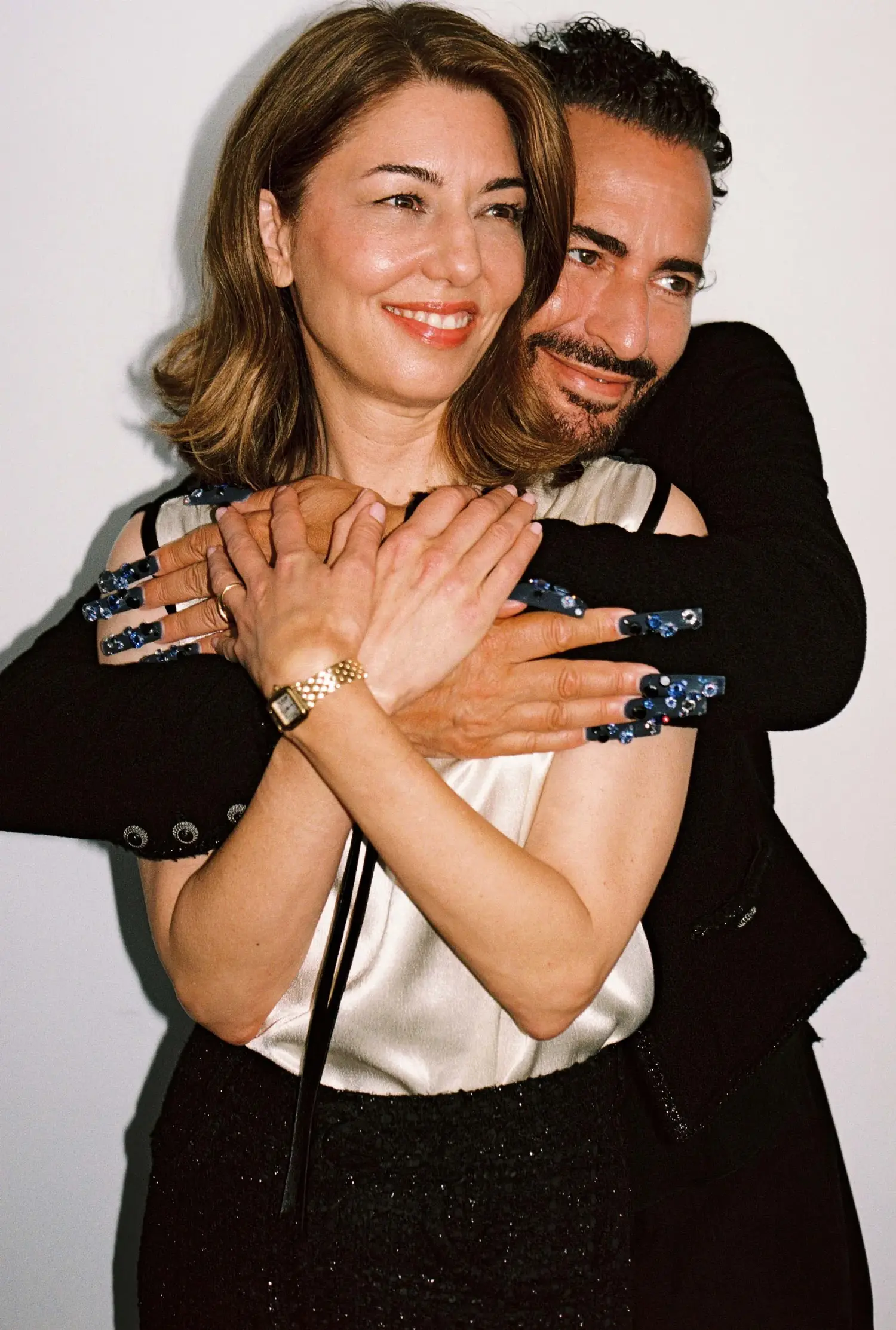
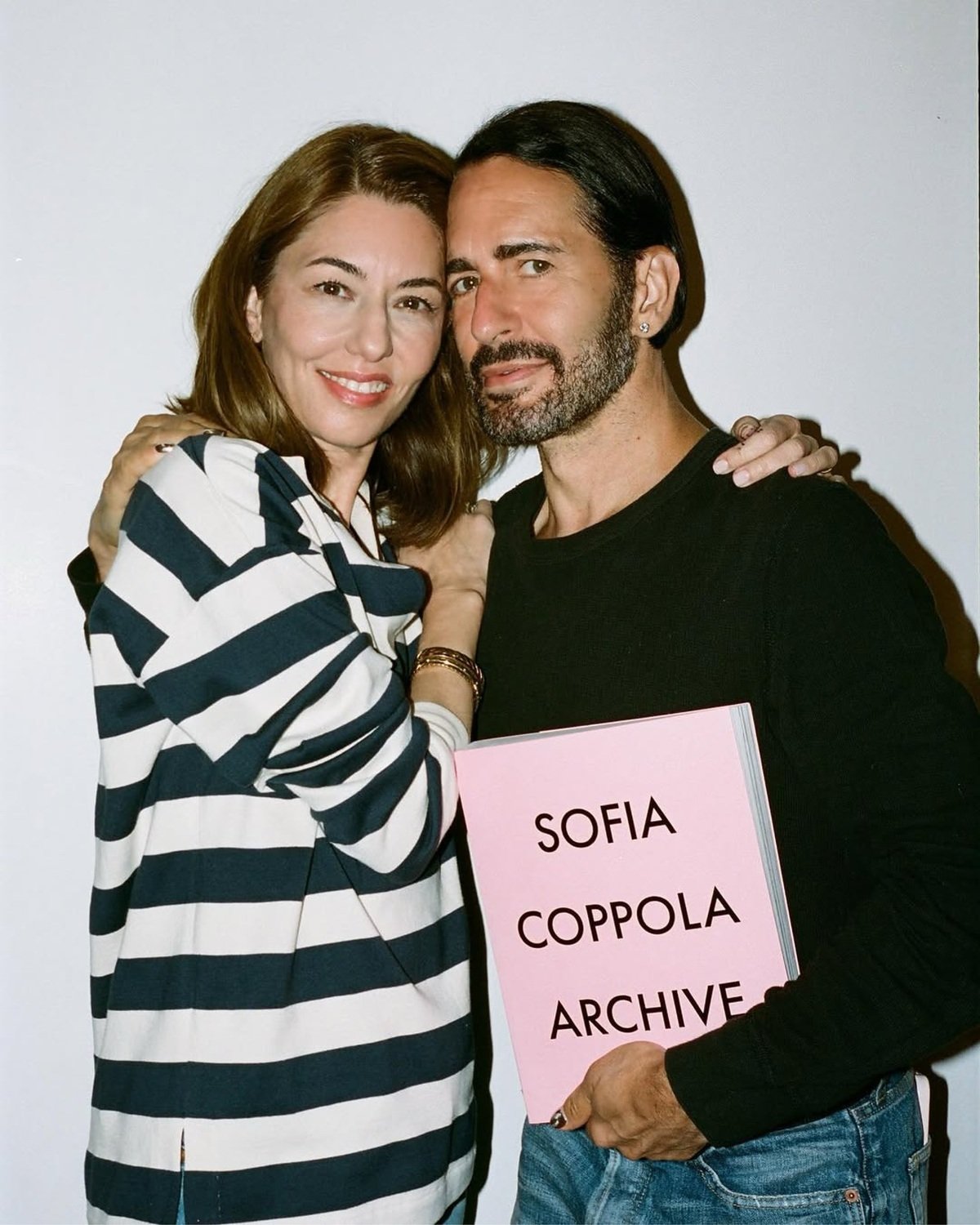
Fashion has always been a world built on relationships—between designers and collaborators, creators and muses, artists and the cultural currents that shape them. Few relationships illustrate this dynamic better than the long-standing friendship between Marc Jacobs and Sofia Coppola.
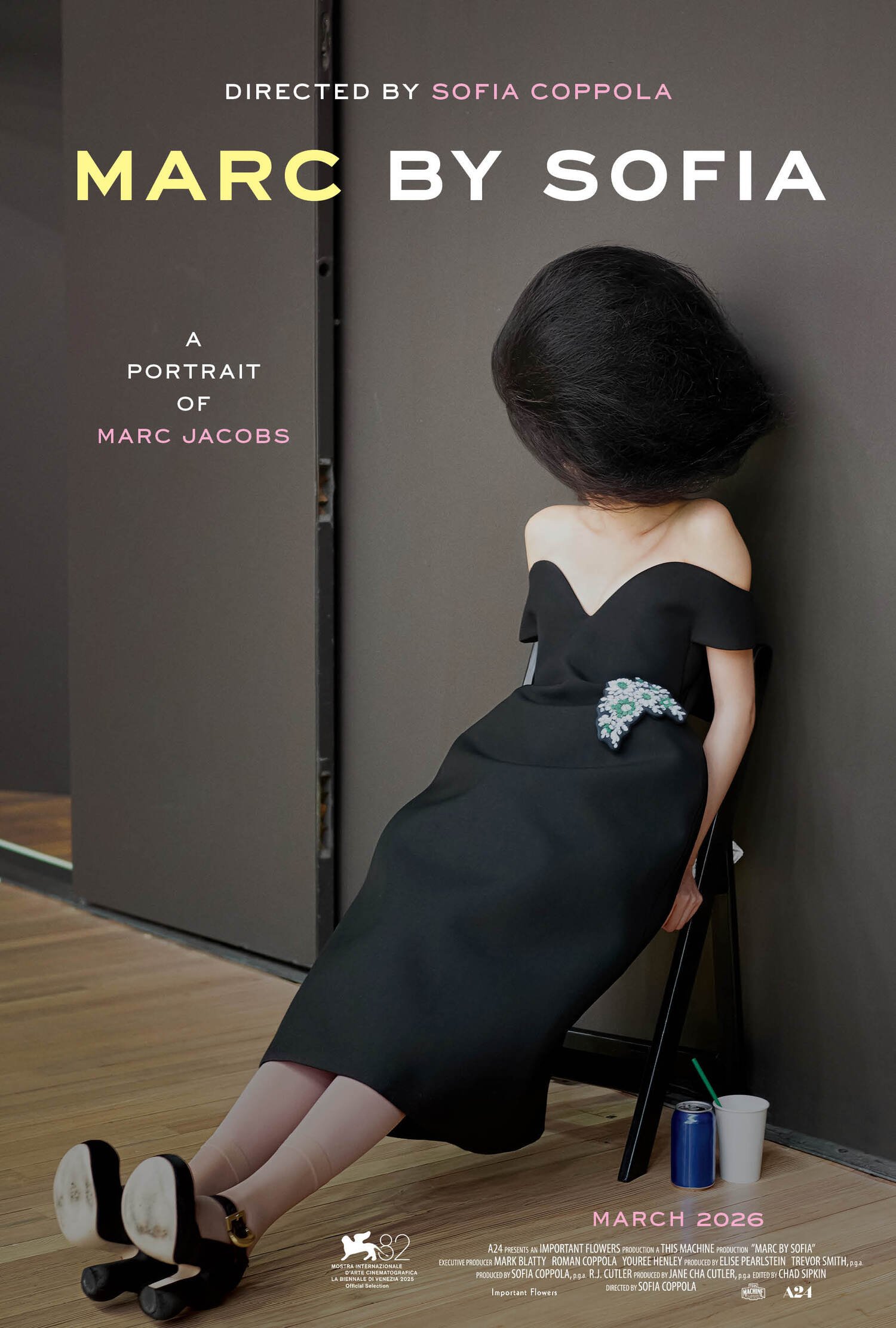
Their shared history now becomes the subject of a new documentary and companion book, Marc by Sofia, a project that aims to capture the life, legacy, and creative world of one of fashion’s most influential figures through the lens of someone who has stood beside him for decades.
The documentary marks Coppola’s first nonfiction feature, a notable departure for the director known for atmospheric narrative films such as Lost in Translation and Marie Antoinette. Instead of crafting a fictional world, she turns her camera toward the real-life story of Jacobs—an artist whose career has shaped contemporary fashion for more than thirty years.
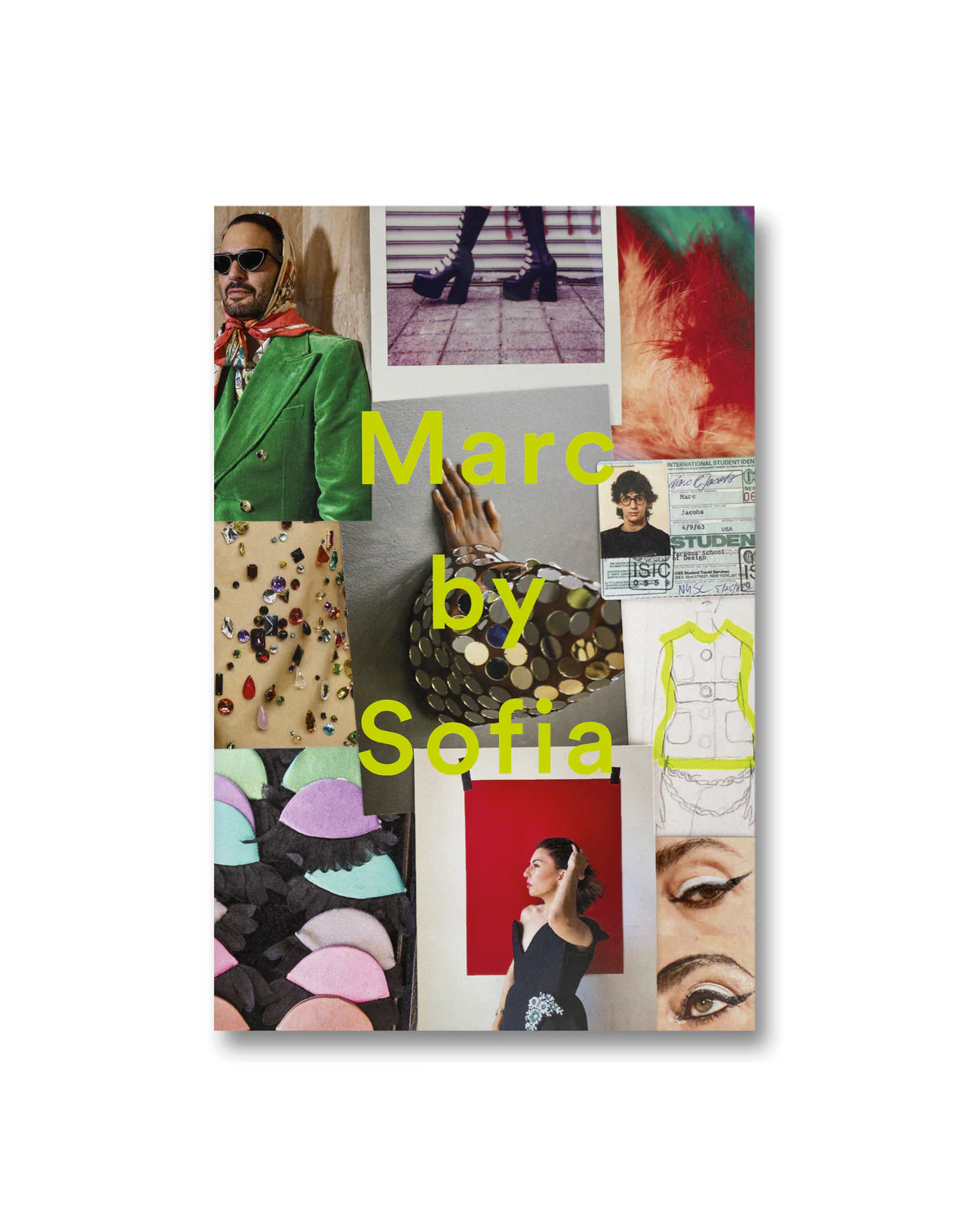
Accompanying the film is a substantial book that gathers conversations between Jacobs and Coppola alongside archival photographs, behind-the-scenes imagery, and visual documentation of defining moments in the designer’s career. Together, the film and book offer a layered portrait of Jacobs—not simply as a designer, but as a cultural figure whose work has influenced the visual language of modern fashion.
the ’90s
The story of Marc by Sofia begins with the moment the two first crossed paths during the early 1990s, a period when fashion itself was undergoing a profound transformation.
Jacobs was emerging as one of the most provocative young voices in American fashion. His now-legendary grunge collection at Perry Ellis in 1993 challenged the industry’s expectations with its unconventional mixture of thrift-store aesthetics, plaid shirts, slip dresses, and combat boots. While the collection ultimately cost him his job at the brand, it also cemented his reputation as a designer willing to challenge fashion’s established codes.
Around that time, Coppola—already moving within creative circles shaped by cinema, music, and fashion—encountered Jacobs backstage at one of his shows. He reportedly appeared with a slicked-back ponytail, casual sneakers, and the relaxed confidence that would later become part of his public persona.
The connection between them was immediate. Both shared an appreciation for underground music, experimental style, and the visual culture of youth. What began as a casual meeting quickly developed into a friendship grounded in mutual curiosity and creative exchange.
Over time, their relationship expanded beyond friendship into collab
View this post on Instagram
stir
Coppola’s presence within Jacobs’ world has taken many forms over the years. She has appeared in campaigns, collaborated on special projects, and contributed to the creative universe that surrounds his brand.
One of the most recognizable examples came when she appeared in advertising imagery for the iconic Daisy fragrance line under Marc Jacobs. The campaign reflected Jacobs’ ongoing fascination with youth culture and dreamy romantic imagery—visual themes that also resonate strongly with Coppola’s filmmaking.
But the influence between the two artists has always worked both ways.
Jacobs has long expressed admiration for Coppola’s cinematic aesthetic. Her films are known for their attention to atmosphere, color, and emotional nuance—qualities that parallel Jacobs’ own approach to fashion design. Both creators are deeply interested in mood, nostalgia, and the cultural symbols that define a particular era.
In this sense, Marc by Sofia is less a traditional documentary and more a creative conversation between two artists who have spent decades shaping each other’s worlds.
trad
Fashion documentaries have become an increasingly important way of preserving the stories behind influential designers. Over the past two decades, films about fashion houses and designers have offered audiences rare glimpses into the industry’s inner workings.
One notable precedent is the documentary Marc Jacobs & Louis Vuitton by Loïc Prigent. Released in 2007, that film followed Jacobs during his tenure as creative director at Louis Vuitton, capturing the intense pace and spectacle of the fashion calendar.
While Prigent’s documentary focused heavily on the production of runway shows and the business of luxury fashion, Marc by Sofia appears to take a more personal approach. Coppola’s perspective is not that of a journalist or outsider observing the fashion industry.
Instead, she approaches Jacobs as a close friend and longtime collaborator.
This difference in perspective promises to reveal a more intimate view of the designer’s life—one that blends professional milestones with the emotional and creative experiences behind them.
the huh
To understand why Jacobs’ story deserves this level of documentation, one must consider the scale of his influence on modern fashion.
Jacobs began his career after graduating from Parsons School of Design in the mid-1980s. Early in his career he quickly gained recognition for his ability to blend vintage inspiration with contemporary sensibilities.
His grunge collection at Perry Ellis may have been controversial at the time, but it ultimately reshaped the trajectory of fashion in the 1990s. Rather than presenting clothing as purely aspirational luxury, Jacobs embraced a rebellious aesthetic rooted in youth culture.
The collection reflected the rise of alternative music and street style, proving that fashion could draw inspiration from everyday life rather than traditional glamour.
Following his departure from Perry Ellis, Jacobs launched his own label, gradually building a fashion empire that would come to include ready-to-wear collections, accessories, fragrances, and collaborations with artists across multiple disciplines.
style
One of the most significant chapters in Jacobs’ career began in 1997, when he was appointed artistic director of Louis Vuitton.
At the time, Louis Vuitton was already known worldwide for its heritage luggage and leather goods. Jacobs’ role involved expanding the brand into full ready-to-wear fashion collections while maintaining its legacy.
Over the next sixteen years, Jacobs transformed Louis Vuitton into one of the most influential luxury fashion houses in the world.
His runway shows became legendary events within the fashion industry. They often featured elaborate set designs, theatrical staging, and collaborations with contemporary artists.
During this period, Jacobs also worked closely with designers including Kim Jones, who later became known for his own influential work at luxury houses.
Jacobs’ Louis Vuitton collections demonstrated his ability to merge high fashion with elements of pop culture, art, and street style. These shows became cultural moments that extended far beyond the fashion world.
idea
One of the most intriguing aspects of Marc by Sofia is its focus on the twelve-week period leading up to Jacobs’ Spring 2024 runway show.
The documentary follows Jacobs and his team as they move through the intense cycle of designing, fitting, revising, and presenting a major fashion collection. Coppola’s camera reportedly captures everything from early fabric selections to last-minute decisions made just hours before the runway presentation.
For viewers, this behind-the-scenes perspective offers insight into the realities of fashion design. While runway shows often appear effortless and glamorous, they are the result of months of experimentation, debate, and creative problem-solving.
Designers must balance artistic vision with practical considerations such as materials, production timelines, and the expectations of both critics and consumers.
By focusing on this creative process, the documentary reveals the complexity behind a single fashion collection.
doc
Alongside the documentary, the project includes a companion book that expands the narrative through photography and conversation.
The volume spans roughly 200 pages and brings together archival material from Jacobs’ career with newly captured images from Coppola’s documentary process.
These photographs include backstage moments, studio experiments, personal snapshots, and historical imagery from early fashion shows.
Perhaps most compelling are the recorded conversations between Jacobs and Coppola that appear throughout the book. These dialogues provide context for the designer’s work while revealing the personal reflections behind some of his most famous collections.
Rather than presenting Jacobs’ career as a simple chronological story, the book uses these conversations to explore themes such as creativity, vulnerability, fame, and reinvention.
show
One of the defining features of Marc by Sofia is the perspective from which it is told.
Because Coppola has known Jacobs for decades, her understanding of his personality and creative habits adds emotional depth to the project. She is not simply documenting the designer’s public image but examining the human experience behind it.
This dynamic echoes a broader truth about fashion itself. Many of the most influential designers have relied on close collaborators who understand their creative language.
For Jacobs, that circle has included stylists, photographers, musicians, and artists who have helped shape the visual universe surrounding his work.
Coppola’s documentary places that collaborative spirit at the center of Jacobs’ story.
culture
Beyond the specifics of his collections, Jacobs’ career reflects broader shifts within fashion culture.
Throughout the 1990s and early 2000s, he helped blur the boundaries between luxury fashion and street culture. His designs embraced references from music, film, and youth subcultures in ways that felt authentic rather than superficial.
Jacobs also helped redefine the runway show as a form of storytelling. His presentations often combined fashion with theatrical staging, turning each show into a cultural event.
Today, many designers continue to build on this model, using fashion shows as platforms for narrative and artistic expression.
social
Coppola’s decision to direct a fashion documentary highlights the increasingly close relationship between cinema and fashion.
Both mediums rely heavily on image, atmosphere, and visual storytelling. Fashion designers create narratives through clothing, while filmmakers construct worlds through costume, color, and movement.
By documenting Jacobs’ career, Coppola bridges these two artistic disciplines.
Her filmmaking style—characterized by quiet observation and emotional nuance—may provide a fresh perspective on the fashion documentary genre. Instead of emphasizing spectacle, she often focuses on subtle moments that reveal character.
This approach could allow audiences to see Jacobs not only as a designer but as an individual navigating creativity, ambition, and public expectation.
fwd
Ultimately, Marc by Sofia represents more than a film or book about fashion.
It is a reflection on legacy—how an artist’s work evolves across decades, how friendships shape creative paths, and how cultural influence is preserved through storytelling.
For Jacobs, whose career has already spanned multiple eras of fashion, the project serves as both a retrospective and a living document.
Rather than presenting his story as complete, Coppola’s film suggests that Jacobs’ creative journey is still unfolding.
sum
As fashion continues to intersect with film, art, and digital culture, projects like Marc by Sofia demonstrate the power of storytelling within the industry.
Through Coppola’s lens, Jacobs’ career becomes more than a timeline of collections and runway shows. It becomes a portrait of creativity itself—messy, collaborative, and constantly evolving.
By combining documentary filmmaking with a visually rich book, the project offers audiences a rare opportunity to step inside the world of one of fashion’s most influential designers.
For longtime admirers of Jacobs’ work, the film and book promise an intimate look at the experiences behind the runway. For new audiences, they provide an accessible introduction to a designer whose influence continues to shape fashion today.
In either case, Marc by Sofia stands as a testament to the enduring creative dialogue between two artists—and to the lasting cultural legacy of Marc Jacobs.



No comments yet.


