Review: Akai’s MPC XL Is the Ultimate Standalone Music Production Center

March 14, 2026
legend
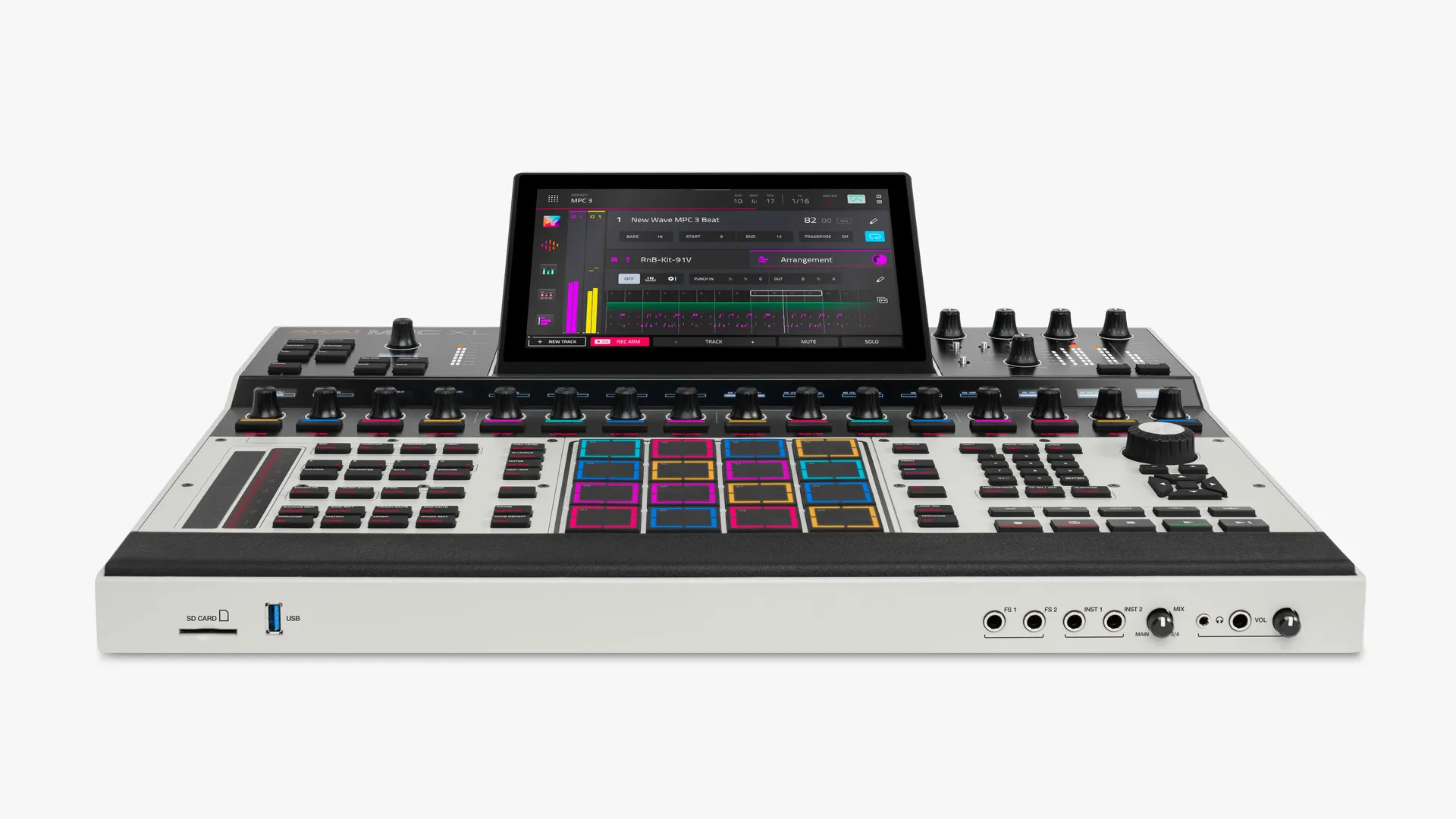
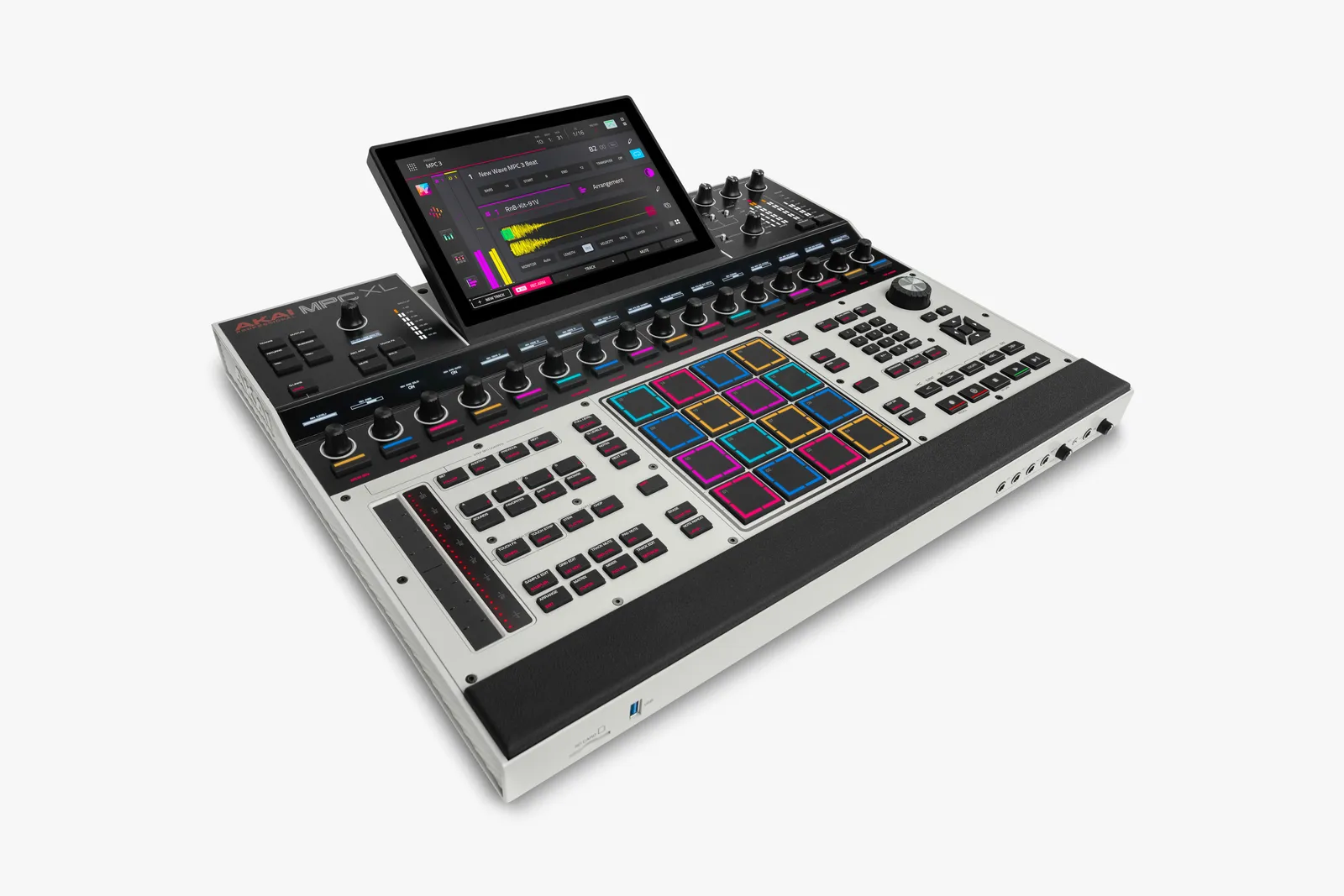
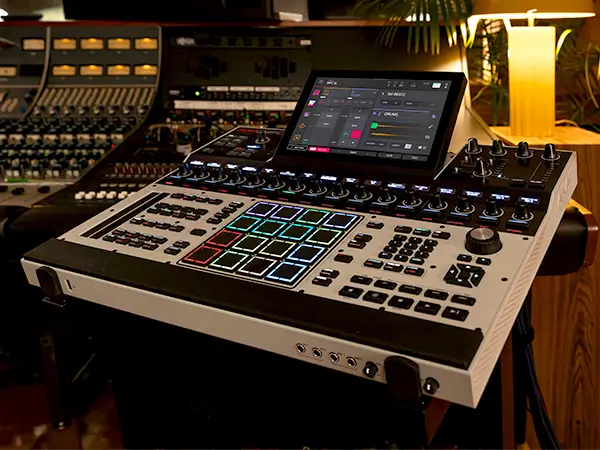
Designed as the new flagship instrument from Akai Professional, the MPC XL is described as a complete studio environment in a single piece of hardware. It brings together sequencing, sampling, mixing, sound design, and performance tools into one cohesive workstation. The concept echoes the philosophy that defined the original MPC machines: remove the technical barriers between creativity and execution.
But the MPC XL does more than update an old idea. It compresses forty years of technological evolution—from analog drum machines to digital audio workstations—into a modern production instrument that functions without the need for a computer.
For musicians, producers, and sound designers, the MPC XL represents something increasingly rare in the software-dominated era of music production: a tactile, self-contained creative ecosystem.
the leg
To understand the significance of the MPC XL, it is necessary to look back at the legacy that made the MPC platform iconic.
The MPC—short for Music Production Center—first emerged in the late 1980s through a collaboration between Akai and legendary engineer Roger Linn. Linn had already revolutionized music production with his earlier drum machines, including the groundbreaking LinnDrum. When he partnered with Akai, the goal was to create a new type of instrument that merged sampling technology with rhythm programming.
The result was the MPC60, released in 1988.
Unlike traditional drum machines, the MPC allowed musicians to record and manipulate their own sounds, mapping them onto velocity-sensitive pads that could be played like an instrument. The workflow was immediate and expressive. Producers could chop records, rearrange fragments, and build entirely new compositions from existing audio.
The device quickly became central to hip-hop production.
Artists and producers across the genre adopted the MPC as their primary instrument. From the gritty sample collages of 1990s boom-bap to experimental electronic textures, the MPC’s fingerprint appeared everywhere.
Later models—including the MPC2000, MPC3000, and MPC4000—expanded the capabilities of the platform while preserving its tactile approach to beat making.
Over time, the MPC evolved from a sampling drum machine into a full-scale production workstation.
The MPC XL represents the latest—and most powerful—expression of that evolution.
View this post on Instagram
stir
The core philosophy behind the MPC XL is simplicity through integration.
Rather than forcing musicians to juggle laptops, controllers, and software plugins, the device combines every major stage of music production inside one physical unit.
Sampling. Sequencing. Editing. Mixing. Arranging. Performing.
All of these processes take place directly within the MPC XL’s standalone operating system.
The device includes a large multi-touch display that functions as the central interface for waveform editing, track arrangement, and plugin control. The touchscreen integrates seamlessly with the MPC’s iconic performance pads, allowing users to move fluidly between tactile playing and precise visual editing.
Where earlier MPC models were primarily focused on beat programming, the MPC XL expands the concept into a complete music workstation.
Producers can record vocals, program drums, design synth sounds, mix tracks, and export finished compositions—all without opening a laptop.
For many musicians, that independence from computer-based workflows is the machine’s most compelling feature.
workflow
What has always distinguished the MPC from traditional music software is its workflow.
Where digital audio workstations often require complex menus and layered software windows, the MPC encourages immediacy. The pads become an extension of the musician’s hands. Rhythm patterns are performed rather than programmed.
With the MPC XL, that tactile philosophy continues—but it is augmented by modern processing power.
The system supports multi-track recording, advanced audio manipulation tools, and sophisticated sequencing features. Producers can construct full compositions using a combination of MIDI instruments, sampled sounds, and live recordings.
The device’s integrated mixer allows detailed control over levels, effects processing, and automation. Compression, equalization, delay, and reverb can all be applied directly within the machine.
The result is a production environment that rivals professional studio software while maintaining the MPC’s characteristic playability.
flow
Sampling remains the heart of the MPC experience.
With the MPC XL, Akai has expanded the machine’s ability to capture and manipulate audio in real time. Producers can record sounds directly into the device through high-quality audio inputs, then slice, rearrange, and process them instantly.
Waveforms appear on the touchscreen display, where users can zoom in to edit individual transients or chop loops into playable fragments.
This process—often called sample chopping—has long been a defining technique in hip-hop and electronic music production.
The MPC XL enhances that tradition with advanced editing tools, allowing producers to manipulate pitch, timing, and texture without leaving the hardware environment.
For musicians who grew up with earlier MPC models, the workflow will feel both familiar and dramatically expanded.
built-in
One of the most significant advancements in the MPC XL is its suite of integrated instruments and sound engines.
Modern MPC systems now include virtual synthesizers capable of generating a wide range of tones—from analog-style bass lines to atmospheric pads and experimental textures.
The MPC XL pushes this concept further by providing multiple built-in instrument engines alongside extensive effects processing.
These instruments allow producers to design original sounds rather than relying solely on samples.
Combined with the MPC’s sequencing engine, they enable musicians to build entire arrangements from within the hardware system.
For electronic artists, the device effectively replaces a rack of synthesizers and plugin software with a single compact unit.
show
Beyond studio composition, the MPC platform has always been valued as a live performance instrument.
Artists frequently use MPC devices on stage to trigger beats, loops, and sample sequences in real time.
The MPC XL expands this performance capability through improved pad responsiveness and expanded sequencing control. Musicians can launch clips, adjust effects parameters, and improvise arrangements during a live set.
This performance flexibility reflects the broader evolution of electronic music culture, where producers often function simultaneously as composers and performers.
With the MPC XL, the boundary between studio creation and stage performance becomes increasingly fluid.
fixture
The rise of powerful laptop software has transformed music production over the past two decades. Digital audio workstations such as Ableton Live and Logic Pro have become central to modern recording studios.
Yet hardware instruments continue to hold a unique appeal.
For many producers, physical machines create a deeper connection between gesture and sound. Turning a knob or striking a pad engages a different kind of creative focus than clicking a mouse.
The MPC XL exists precisely at this intersection.
It offers the power of modern software while preserving the tactile immediacy of hardware instruments.
In an era where music production often feels tied to screens and operating systems, the MPC XL represents a deliberate return to physical creativity.
influ
The MPC’s influence on music history cannot be overstated.
Generations of producers have relied on the machine to craft some of the most recognizable rhythms in popular culture. The device became synonymous with hip-hop’s golden age and later found its way into electronic music, pop production, and experimental sound art.
From underground beat makers to global chart producers, the MPC has remained a common thread across genres.
Its workflow encourages experimentation.
Its limitations—particularly in earlier models—forced musicians to develop inventive approaches to sampling and sequencing.
These constraints often led to distinctive musical signatures.
The MPC XL carries this cultural lineage forward while removing many of the technical limitations that shaped earlier models.
style
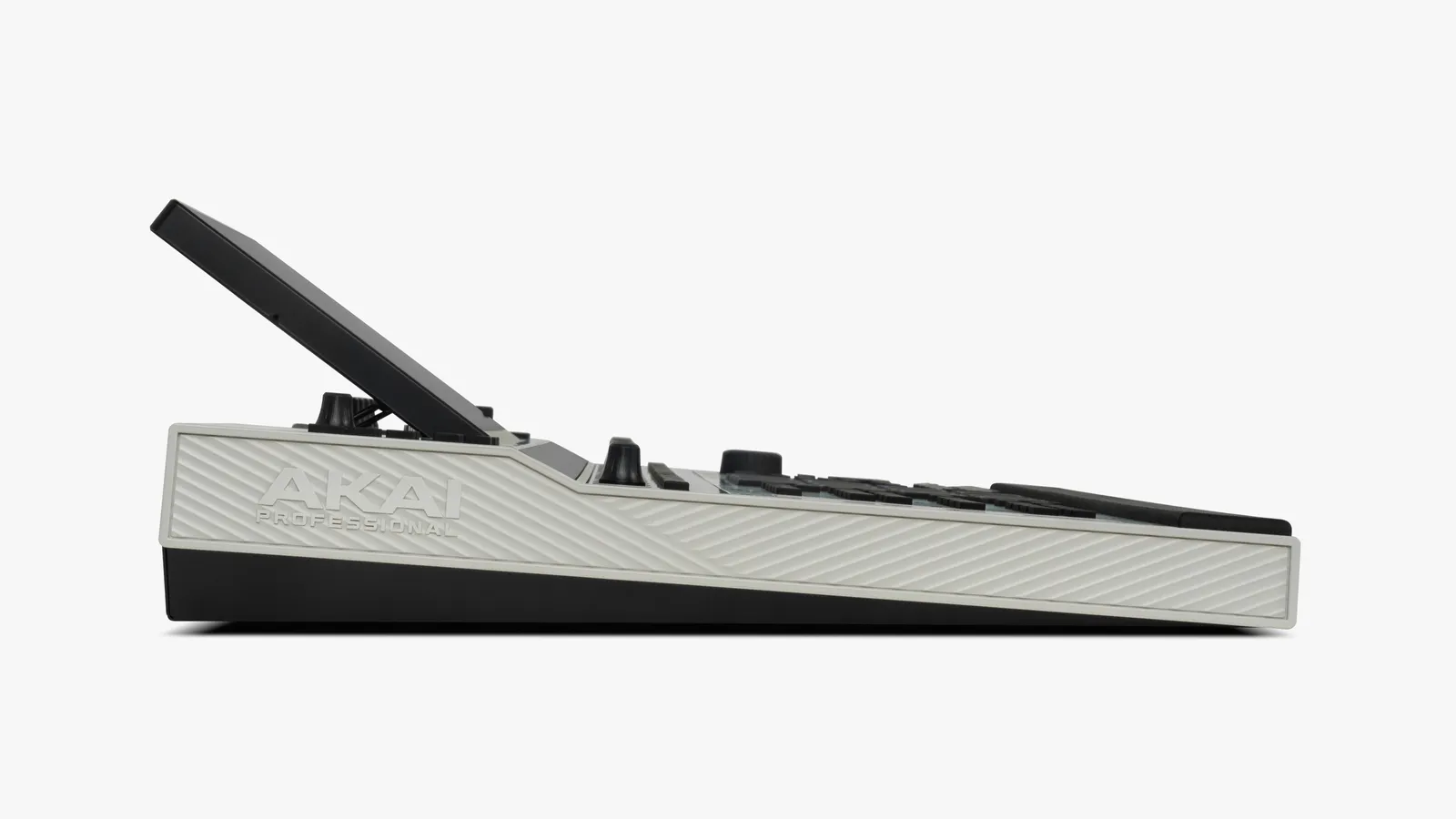
The design language of the MPC XL reflects both heritage and modernization.
The iconic grid of performance pads remains the visual centerpiece of the device. These pads respond to velocity and pressure, allowing subtle variations in rhythm and dynamics.
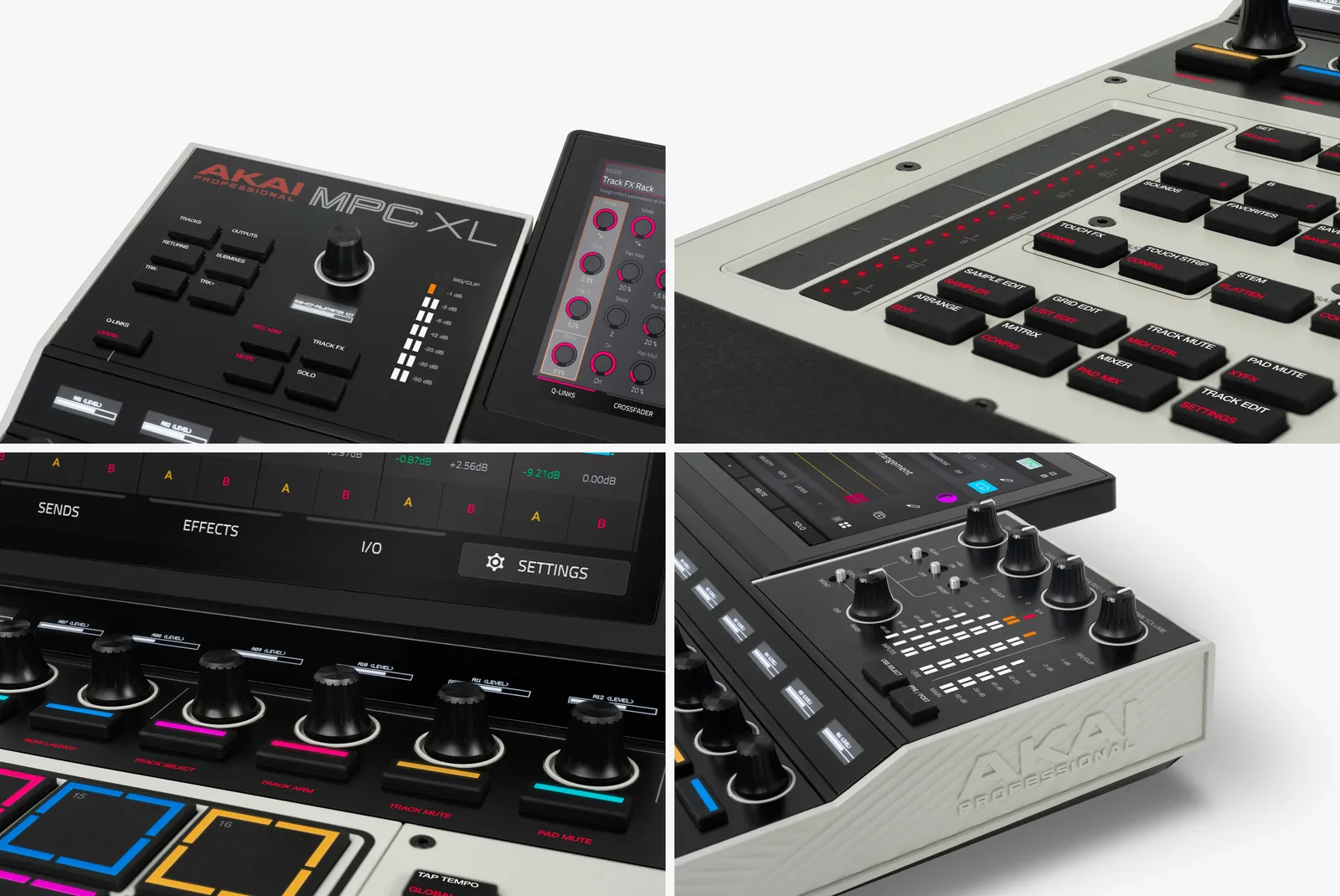
Surrounding the pads are rotary encoders, transport controls, and dedicated buttons that streamline navigation through the system.
The touchscreen display introduces a more contemporary interface layer, offering visual access to waveforms, mixer channels, and instrument parameters.
Together, these elements create a hybrid control system that balances tactile performance with digital precision.
For experienced MPC users, the interface feels instantly recognizable.
For newcomers, it offers an intuitive entry point into hardware-based music production.
connect
Modern production environments rarely exist in isolation, and the MPC XL reflects that reality through extensive connectivity options.
Audio inputs allow direct recording of microphones, instruments, and external synthesizers. MIDI connectivity enables communication with keyboards and other hardware devices.
The system can also interface with computer-based production software when needed, allowing producers to move projects between hardware and digital environments.
This flexibility ensures that the MPC XL can function as either the center of a standalone studio or a powerful component within a larger production setup.
gen
While the MPC’s legacy is deeply rooted in hip-hop history, its modern incarnation appeals to a far broader audience.
Electronic producers, film composers, experimental musicians, and live performers all benefit from the device’s hybrid capabilities.
Younger artists raised on software production tools may find the MPC XL particularly intriguing.
The machine offers a way to rediscover the physicality of music creation while retaining the power and flexibility of contemporary production systems.
In this sense, the MPC XL bridges two eras of music technology.
fwd
The release of the MPC XL also signals a broader shift within the music technology industry.
After years dominated by software plugins and virtual instruments, hardware devices are experiencing renewed interest among producers seeking more tactile workflows.
Companies across the audio industry are exploring new ways to integrate physical control surfaces with digital sound engines.
Akai’s flagship device stands as one of the most ambitious examples of this hybrid philosophy.
Rather than replacing computers entirely, the MPC XL offers an alternative path—one where creativity begins with touch rather than software menus.
innov
From its earliest sampling drum machines to today’s sophisticated production workstations, Akai’s technology has shaped the sound of modern music.
The MPC XL embodies that history.
Every pad strike, every sample slice, and every sequenced pattern reflects decades of experimentation in electronic music production.
By compressing forty years of technological progress into a single instrument, Akai has created something that feels both nostalgic and forward-looking.
The MPC XL is not merely a tool for producing beats.
It is a continuation of a lineage that helped define the way modern music is made.
clue
Technology moves quickly, but some instruments achieve a timeless status.
The MPC is one of them.
With the introduction of the MPC XL, Akai Professional demonstrates that hardware instruments still play a vital role in the creative process. By combining the expressive immediacy of physical controls with the computational power of modern digital systems, the company has produced a device that feels both familiar and revolutionary.
For producers seeking an immersive, hands-on approach to music creation, the MPC XL represents a compelling vision of the future.

No comments yet.