Stüssy Spring ’26 Delivery Two Introduces New Seasonal Essentials

March 14, 2026
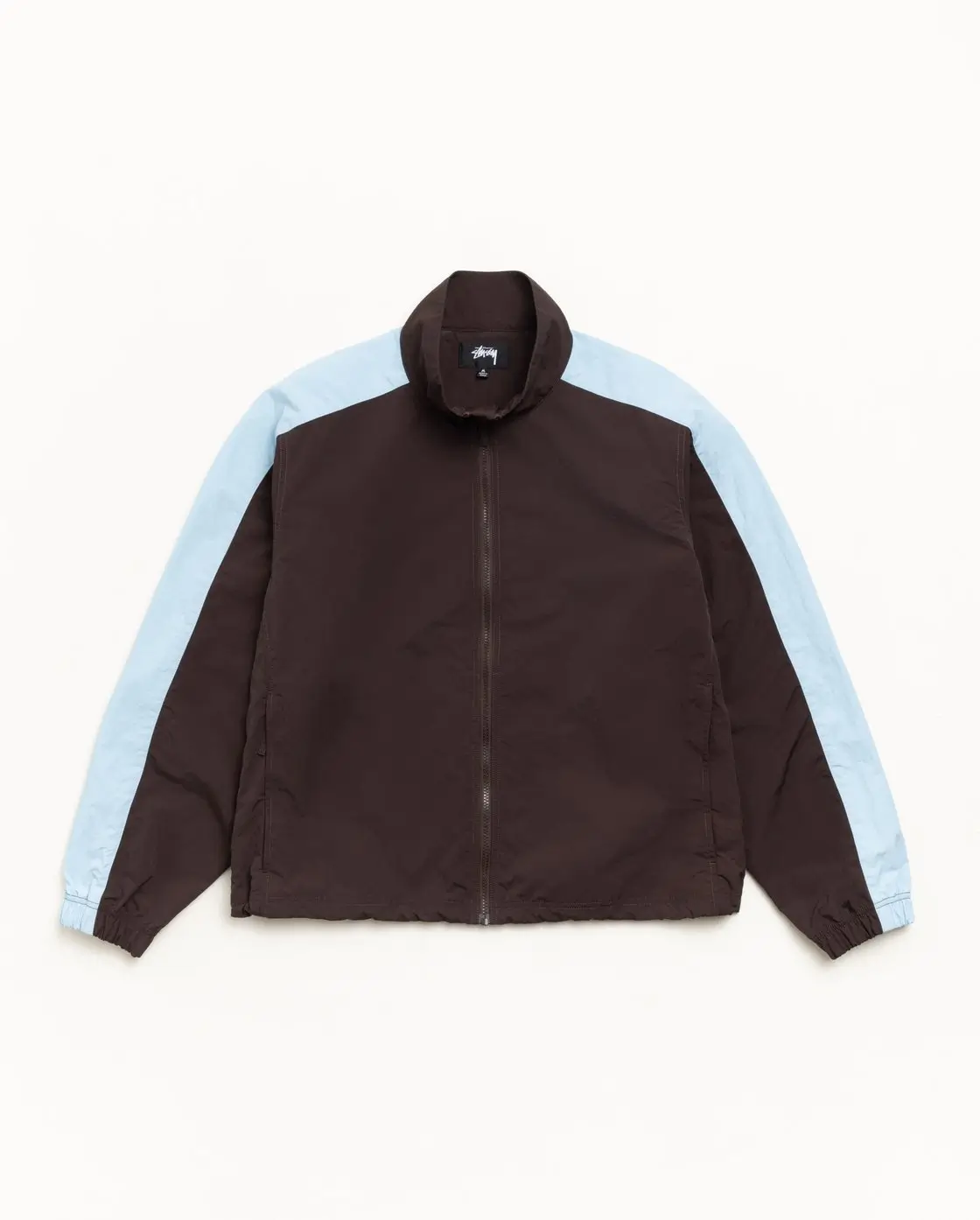
rhythm
In the modern cadence of fashion, the notion of a collection arriving all at once has largely disappeared. Instead, the industry increasingly moves in phases—carefully timed deliveries that extend the life of a season and maintain a continuous dialogue between brand and audience. Spring ’26 Delivery Two represents the moment when the narrative deepens. If the first delivery sets the tone, the second delivery enriches it.
The idea of staggered releases is not simply logistical. It is editorial. It allows designers to build a storyline across the season—an unfolding conversation that mirrors how people actually experience clothing. Rather than unveiling everything in a single gesture, brands today allow garments, accessories, and silhouettes to arrive gradually, giving each piece space to resonate.
Spring ’26 Delivery Two therefore acts as the season’s turning point. It is the moment where early concepts evolve into fuller expressions, where experimental pieces meet wearable staples, and where the initial excitement of spring becomes a more layered reflection of style, movement, and culture.
Across fashion houses, contemporary labels, and emerging designers alike, this second wave reveals how Spring ’26 is shaping into a season defined by precision, subtle innovation, and a renewed appreciation for craftsmanship.
flow
Delivery Two rarely abandons what Delivery One introduced. Instead, it expands upon it. The silhouettes remain familiar, yet refined. Colors echo earlier tones but shift slightly in depth or brightness. Materials become lighter or more technical, responding to the realities of warmer weather approaching.
In Spring ’26, this progression is particularly evident.
Tailoring appears softer, but no less structured. Jackets arrive with relaxed shoulders, while trousers adopt a more fluid drape. Designers appear increasingly interested in garments that balance elegance with movement—a reflection of a world where clothing must transition effortlessly from city streets to social gatherings.
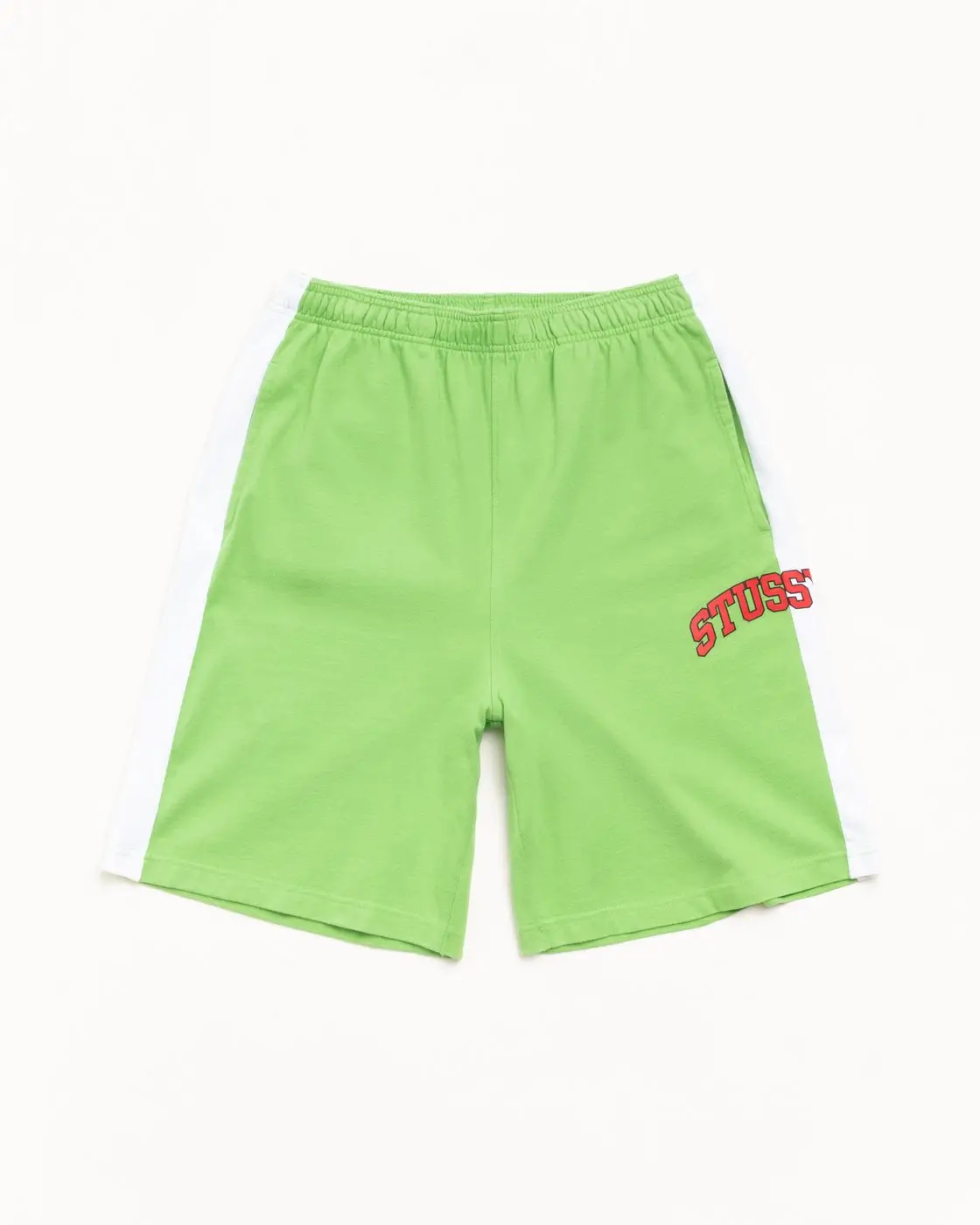
The color palette follows a similar logic of continuity. Early spring often arrives in muted neutrals and subdued tones—sand, slate, soft ivory. Delivery Two introduces brighter variations: washed cobalt, sun-faded red, pale citrus, and botanical greens. These hues feel optimistic without becoming overwhelming, suggesting a subtle shift toward the energy of summer.
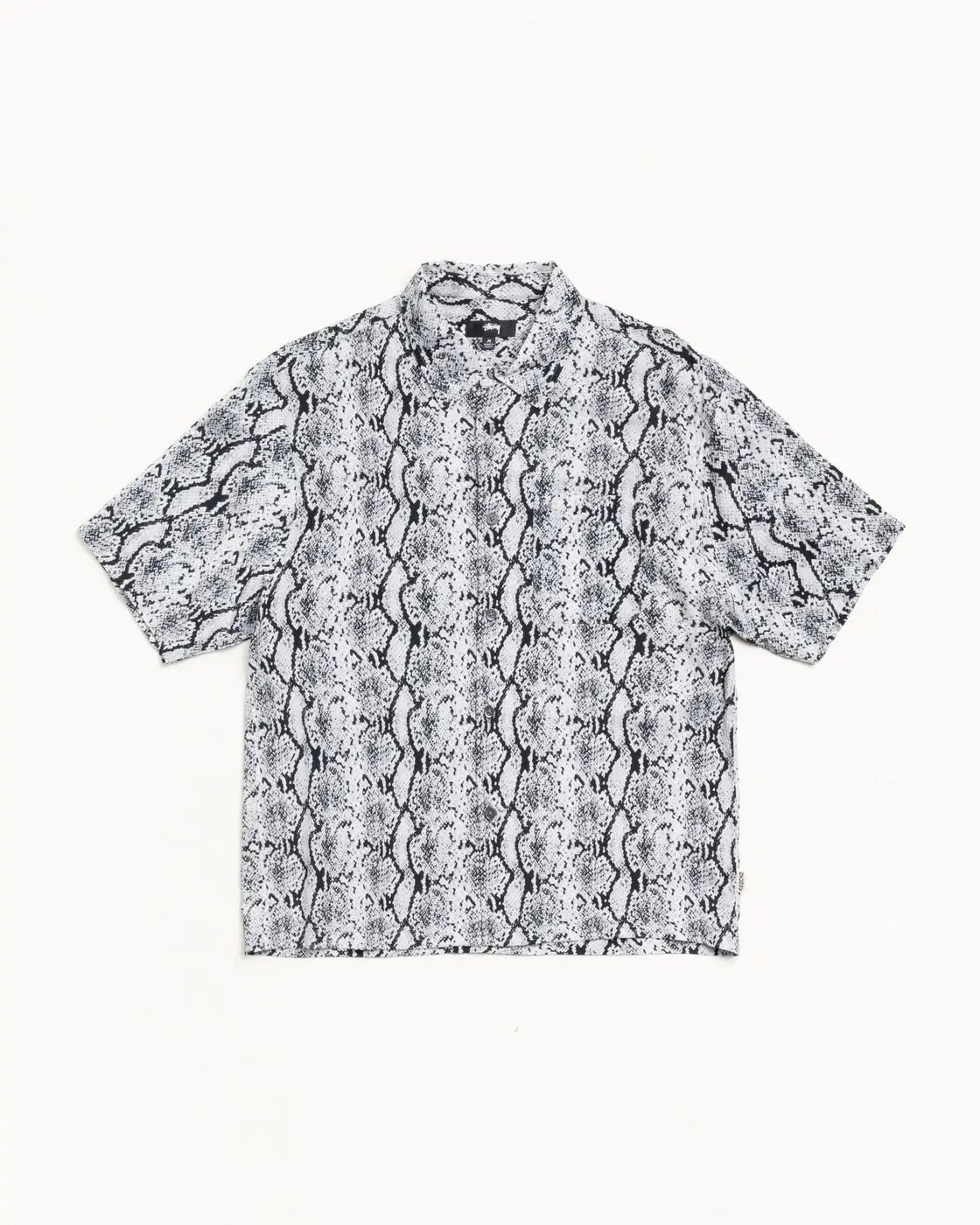
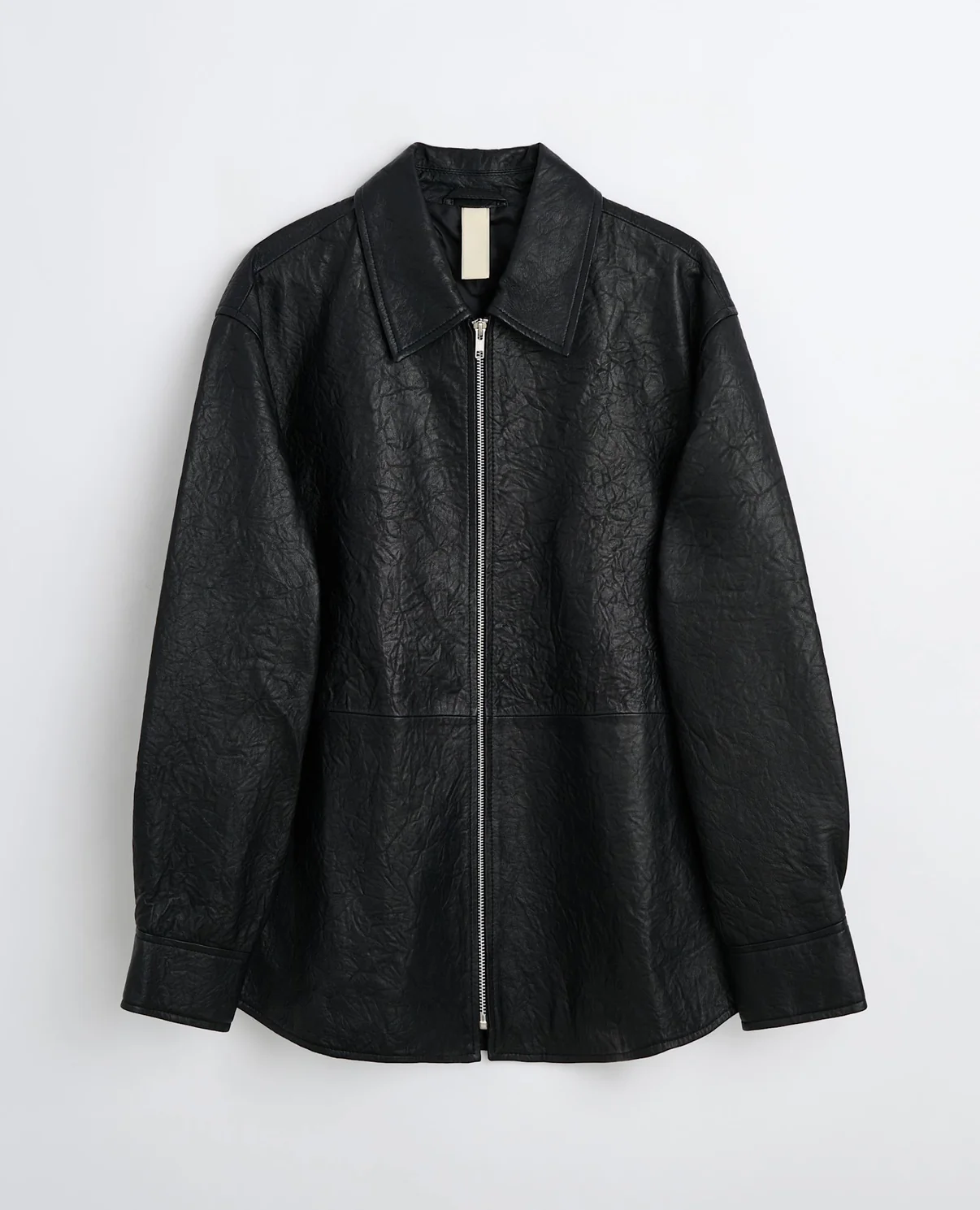
Texture also evolves during the second delivery. Cotton twills give way to lighter linens. Structured wool blends appear alongside breathable technical fabrics. Even leather—traditionally associated with colder seasons—emerges in thinner, almost paper-like constructions.
This evolution is less about dramatic transformation and more about refinement. Delivery Two invites the wearer to rediscover pieces they already loved in slightly different forms.
View this post on Instagram
idea
From a strategic perspective, Delivery Two serves a crucial role in the fashion calendar. Retailers rely on these mid-season arrivals to maintain momentum after the initial excitement of a new collection fades. For consumers, it provides fresh inspiration just as the weather begins to shift.
Timing, therefore, is everything.
Spring ’26 Delivery Two typically lands between early March and mid-April, depending on the brand and region. By this point, the earliest items from Delivery One have already found their place in wardrobes. Consumers understand the collection’s aesthetic language, making them more receptive to the nuanced additions arriving in the second wave.
This rhythm also aligns with how contemporary audiences engage with fashion media. Editorial features, lookbooks, and social media storytelling continue to introduce pieces gradually, allowing each release to generate its own moment of attention.
In an era where attention spans are increasingly fragmented, staggered deliveries provide a way for brands to remain visible without overwhelming their audience.
craft
One of the most notable aspects of Spring ’26 Delivery Two is the emphasis on craftsmanship. While early deliveries often highlight statement pieces designed to capture attention, the second wave tends to focus on garments that reward closer inspection.
Details become more intricate. Seams are placed with greater intention. Materials reveal unexpected textures when viewed up close.
Designers appear particularly invested in the idea of quiet luxury—not as a trend, but as a philosophy rooted in longevity and subtlety. Instead of overt branding, pieces rely on impeccable construction and thoughtful design to communicate value.
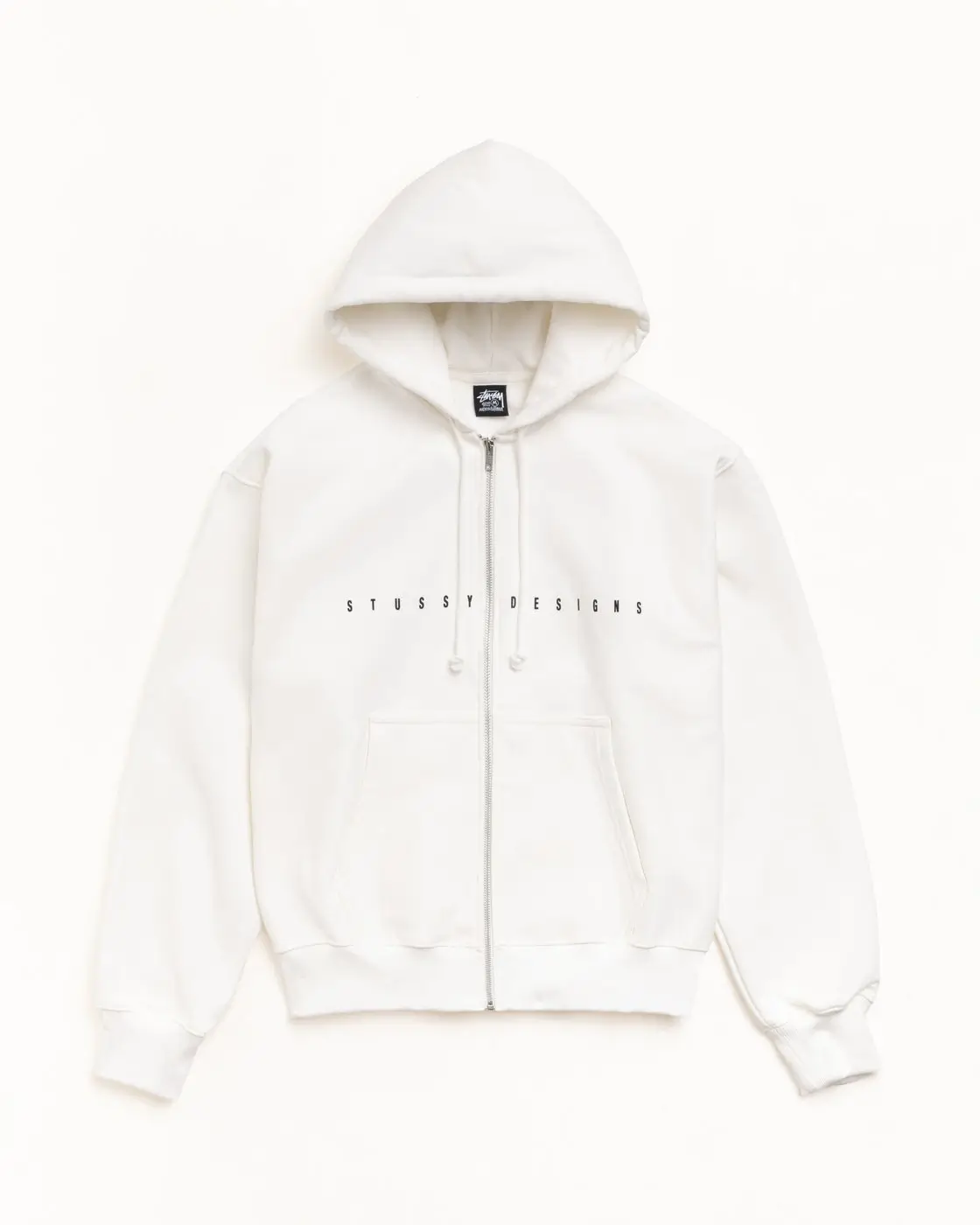
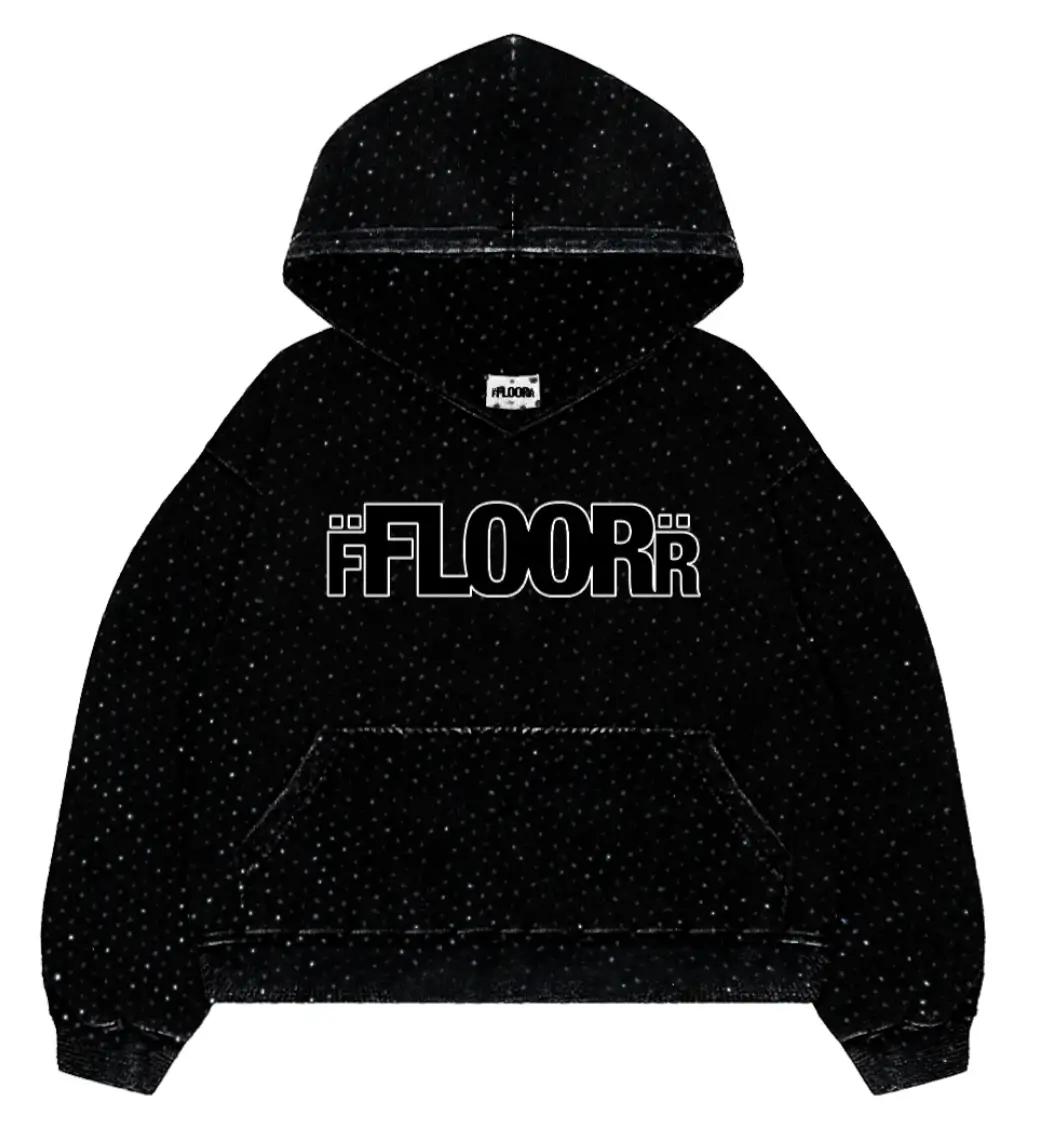
Hand-finished hems, invisible stitching, and natural dye processes all play a role in this narrative. Even casual garments—hoodies, overshirts, relaxed trousers—benefit from refined craftsmanship typically associated with tailoring.
This emphasis reflects a broader shift within fashion. Consumers increasingly seek garments that feel enduring rather than disposable. Delivery Two therefore becomes an opportunity to demonstrate the depth of a brand’s design language.
style
Spring collections inevitably navigate the tension between functionality and aesthetics. Weather conditions fluctuate during this period, making versatility essential.
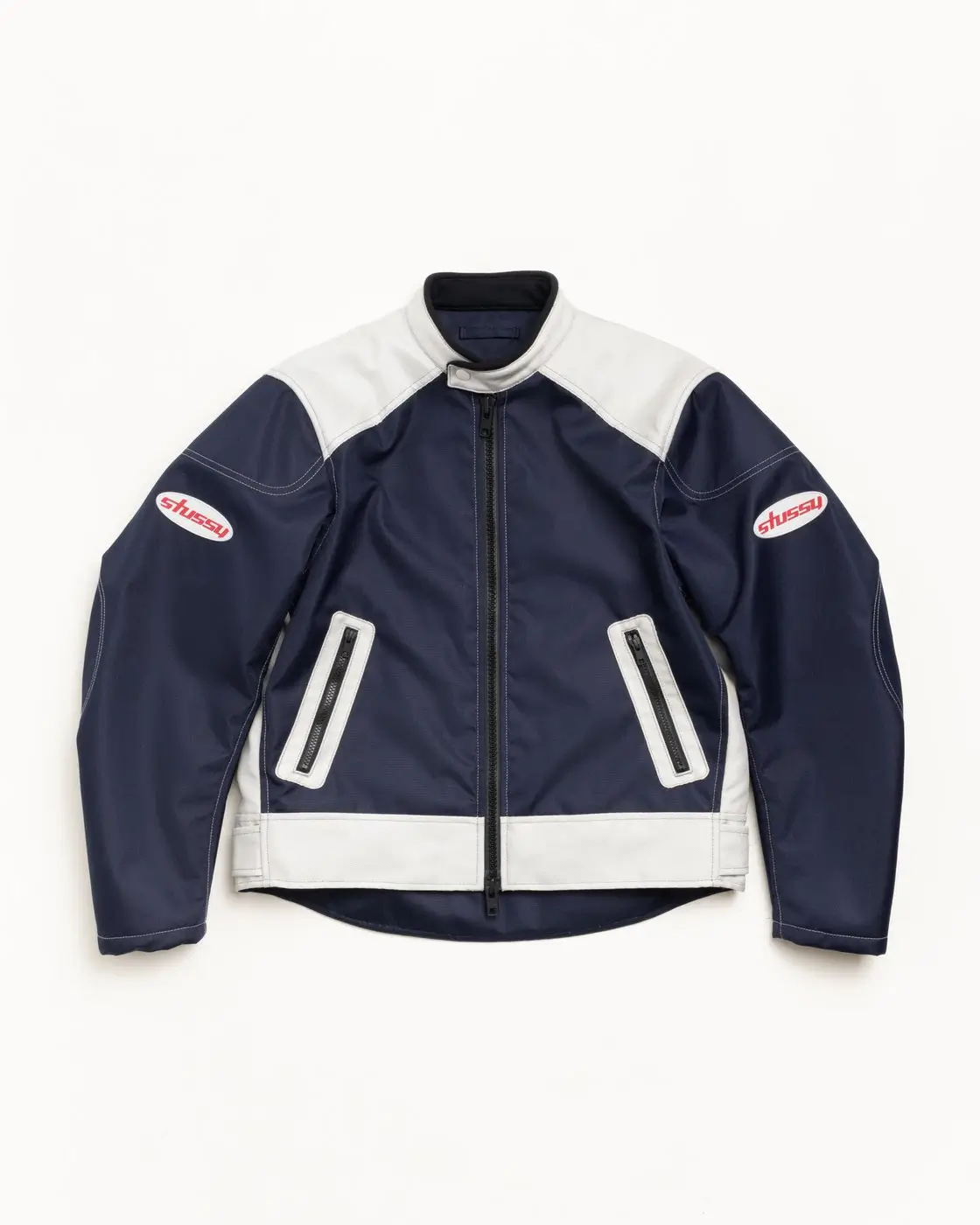
Spring ’26 Delivery Two embraces this challenge through garments that adapt to multiple environments. Lightweight outerwear, for example, remains a central focus. Jackets appear with modular elements—detachable linings, adjustable hoods, or convertible collars.
Utility also appears in subtle ways. Pockets are positioned for practicality rather than decoration. Fabrics resist wrinkles, making garments easier to wear throughout the day.
Yet these functional qualities never overshadow design. Instead, they become part of the garment’s visual identity. Technical zippers create clean geometric lines, while reinforced stitching adds texture to otherwise minimal silhouettes.
The result is clothing that feels purposeful. Each detail exists for a reason, whether aesthetic or practical.
access
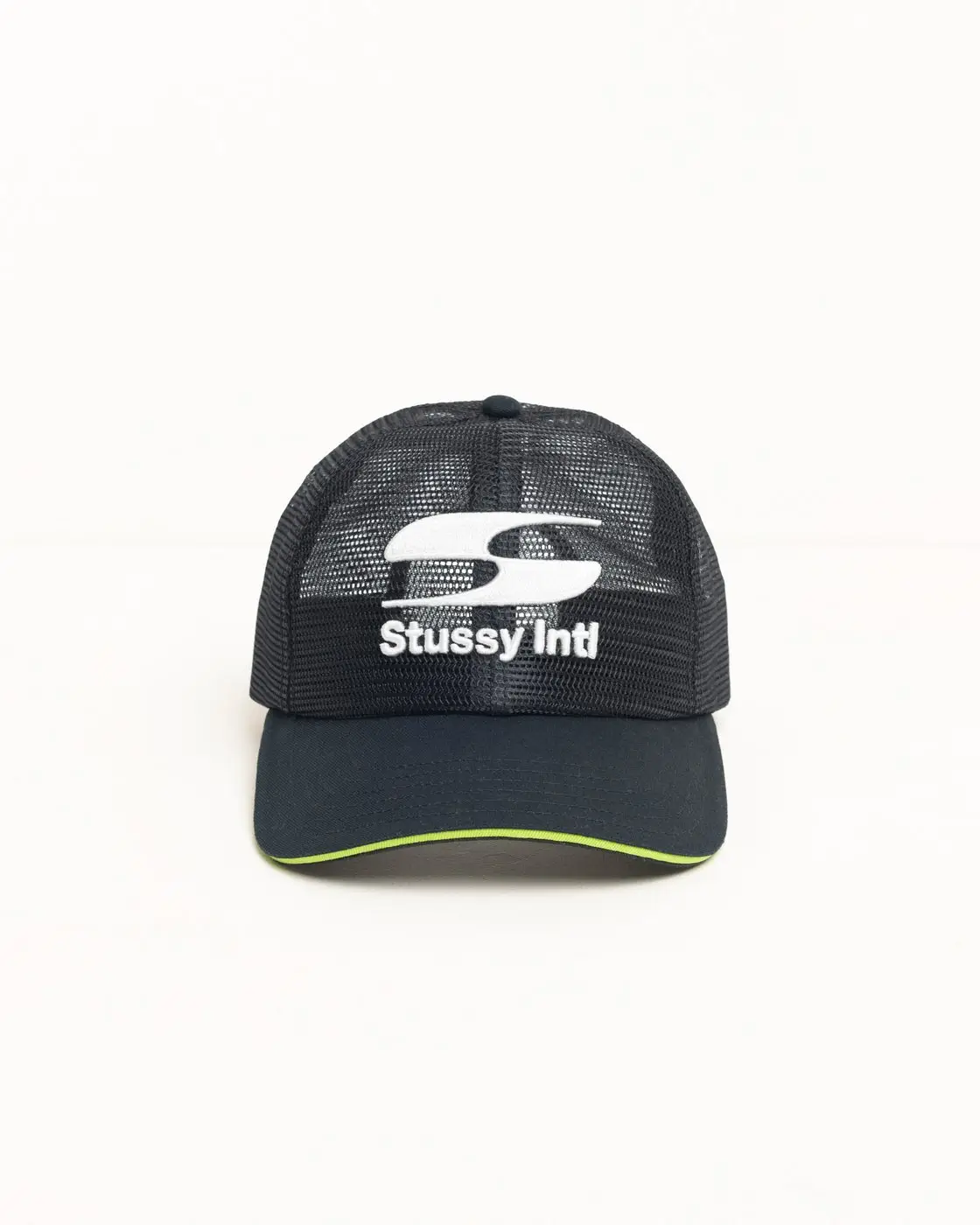
While garments carry the core of a collection, accessories often define its personality. Delivery Two frequently introduces new accessories designed to complement the pieces released earlier in the season.
Bags become slightly smaller, reflecting the lighter mood of spring. Crossbody silhouettes remain popular, emphasizing mobility and urban practicality.
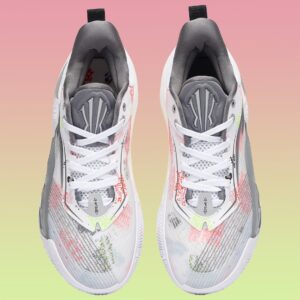
Footwear also evolves during the second delivery. Where Delivery One may emphasize boots or heavier sneakers, Delivery Two introduces lighter silhouettes—suede trainers, woven loafers, or hybrid designs blending athletic and formal elements.
Sunglasses and jewelry often appear as well, offering subtle finishing touches that bring an entire look together.
Accessories function as narrative anchors within the seasonal story. They help translate abstract design concepts into everyday objects people can carry and wear.
influ
Fashion never exists in isolation. Every collection reflects broader cultural conversations, and Spring ’26 Delivery Two continues this tradition.
Designers appear increasingly interested in nostalgia—not as a simple revival of past styles, but as a reinterpretation of familiar cultural references.
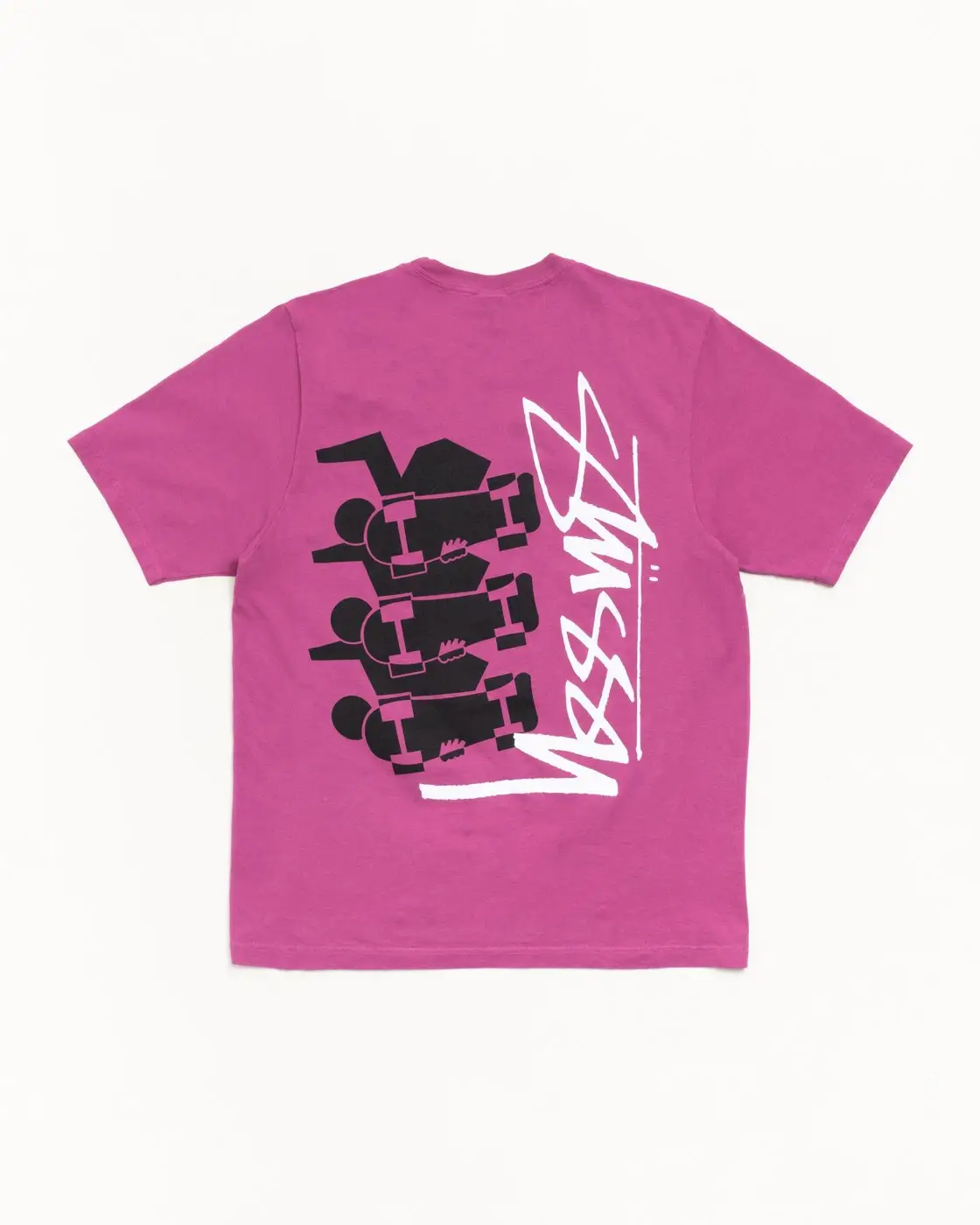
Vintage athletic uniforms inspire modern tailoring. Archive graphics appear on contemporary silhouettes. Hand-drawn motifs echo artistic movements from decades past.
This approach resonates strongly with audiences who value authenticity and narrative depth. A garment becomes more meaningful when it connects to a larger cultural context.
For many designers, storytelling extends beyond the garments themselves. Campaign imagery, short films, and editorial collaborations all contribute to the narrative surrounding a delivery.
In this way, Spring ’26 Delivery Two becomes more than a retail moment. It becomes a cultural chapter within the broader story of the season.
sustainable
Another defining element of Spring ’26 is the continued focus on sustainability. While the concept has become a familiar talking point within fashion, its implementation continues to evolve.
Delivery Two often introduces garments made from recycled or responsibly sourced materials. Organic cotton, regenerated nylon, and plant-based dyes appear across multiple collections.
Designers also experiment with modular construction—garments that can be repaired, altered, or repurposed rather than discarded.
The second delivery offers a natural opportunity to highlight these initiatives because consumers are already familiar with the collection’s aesthetic. Sustainability therefore becomes integrated into the narrative rather than presented as a separate concept.
For many brands, responsible production is no longer a marketing strategy. It is an essential component of their design philosophy.
show
In previous decades, seasonal deliveries were primarily experienced through physical retail. Today, digital platforms play an equally important role.
Spring ’26 Delivery Two arrives in a landscape where lookbooks, social media posts, and interactive websites shape how audiences encounter new designs.
High-resolution imagery allows viewers to appreciate textures and construction details even before seeing garments in person. Short films and animated campaigns transform collections into immersive visual experiences.
Digital storytelling also enables brands to reach audiences globally. A delivery released in Paris or Milan can instantly resonate with viewers in New York, Tokyo, or Seoul.
For fashion publications and cultural platforms—particularly those exploring the intersection of style, art, and technology—these digital narratives provide endless editorial possibilities.
They allow writers and editors to contextualize collections within broader cultural conversations, connecting fashion to art, design, music, and contemporary life.
emotive
Beyond strategy, craftsmanship, and digital storytelling, Spring ’26 Delivery Two ultimately speaks to something more emotional: the feeling of renewal that defines the season itself.
Spring is associated with transformation. Days grow longer. Cities feel more vibrant. People spend more time outdoors.
Clothing responds to these changes in subtle ways. Fabrics feel lighter against the skin. Colors appear brighter under natural light. Silhouettes encourage movement rather than restriction.
Delivery Two captures this moment of transition perfectly. It represents the point where winter finally loosens its grip and the promise of warmer months becomes tangible.
The garments arriving during this phase therefore carry an emotional resonance. They are not simply objects of design but symbols of seasonal change.
fwd
As Spring ’26 Delivery Two settles into stores and wardrobes, attention naturally begins to shift toward what comes next.
Some brands will introduce a third delivery—often smaller and more experimental—before summer collections arrive. Others will transition directly into pre-fall releases.
Yet Delivery Two remains the most significant stage within the season. It represents the fullest expression of the collection’s ideas.
By this point, designers have revealed the breadth of their vision. Consumers have begun incorporating pieces into their everyday lives. The collection exists not only on runways or in lookbooks but within real environments.
Fashion, after all, only truly comes alive when it is worn.
sum
Spring ’26 Delivery Two illustrates the evolving rhythm of contemporary fashion. Rather than a single moment of revelation, the season unfolds gradually, allowing designers, retailers, and audiences to engage with collections over time.
This second wave deepens the narrative established earlier in the season. It introduces refined silhouettes, expanded color palettes, and carefully crafted accessories that enrich the collection’s identity.
Equally important, it reflects the broader cultural forces shaping modern fashion—from sustainability and craftsmanship to digital storytelling and global connectivity.
In the end, Spring ’26 Delivery Two is not merely a logistical milestone within the fashion calendar. It is a creative moment where design, culture, and seasonal emotion converge, reminding us that clothing continues to be one of the most powerful ways people express who they are and how they experience the world.
No comments yet.