PASS: The Listening Room at the Edge of Tokyo Nightlife

March 14, 2026
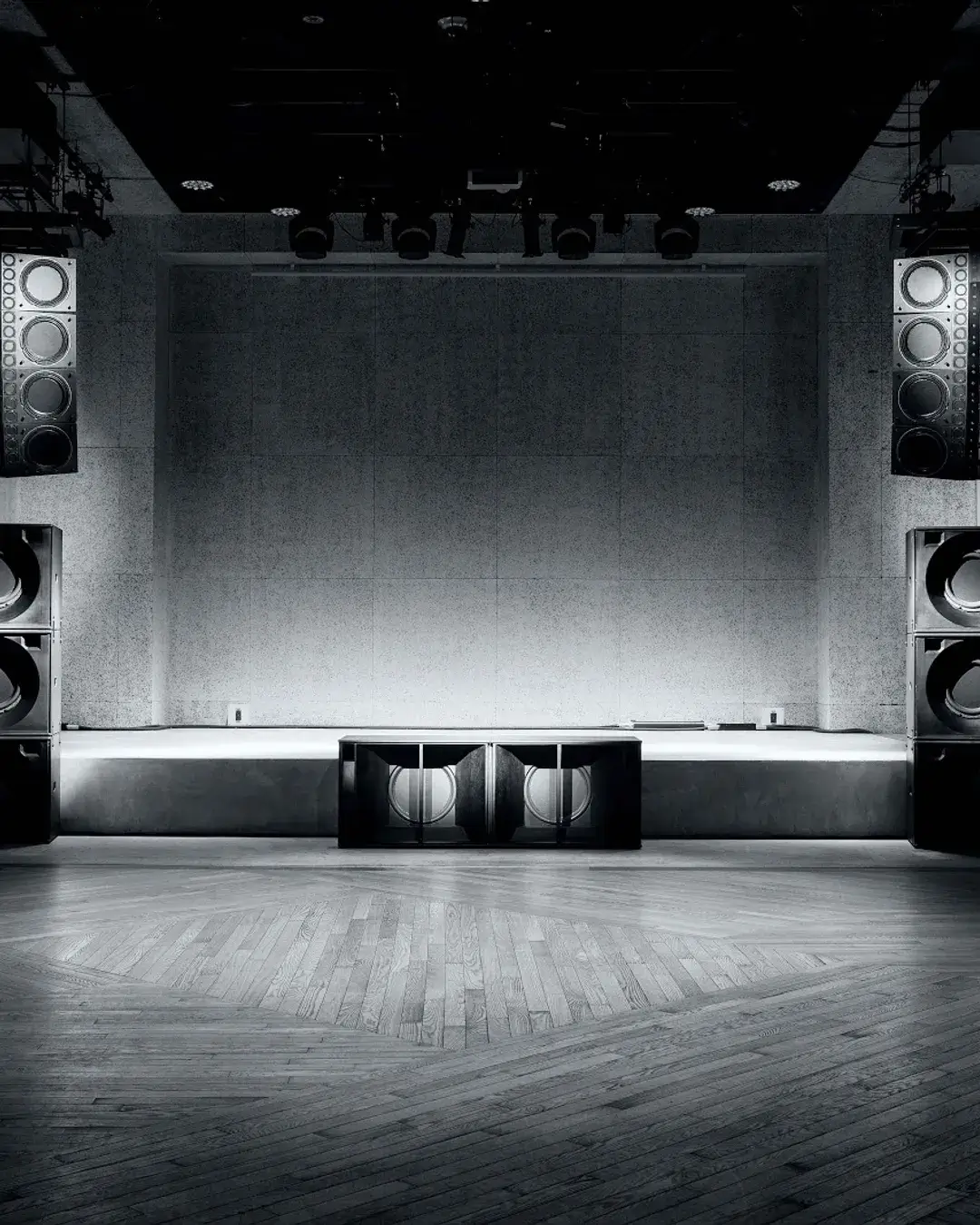
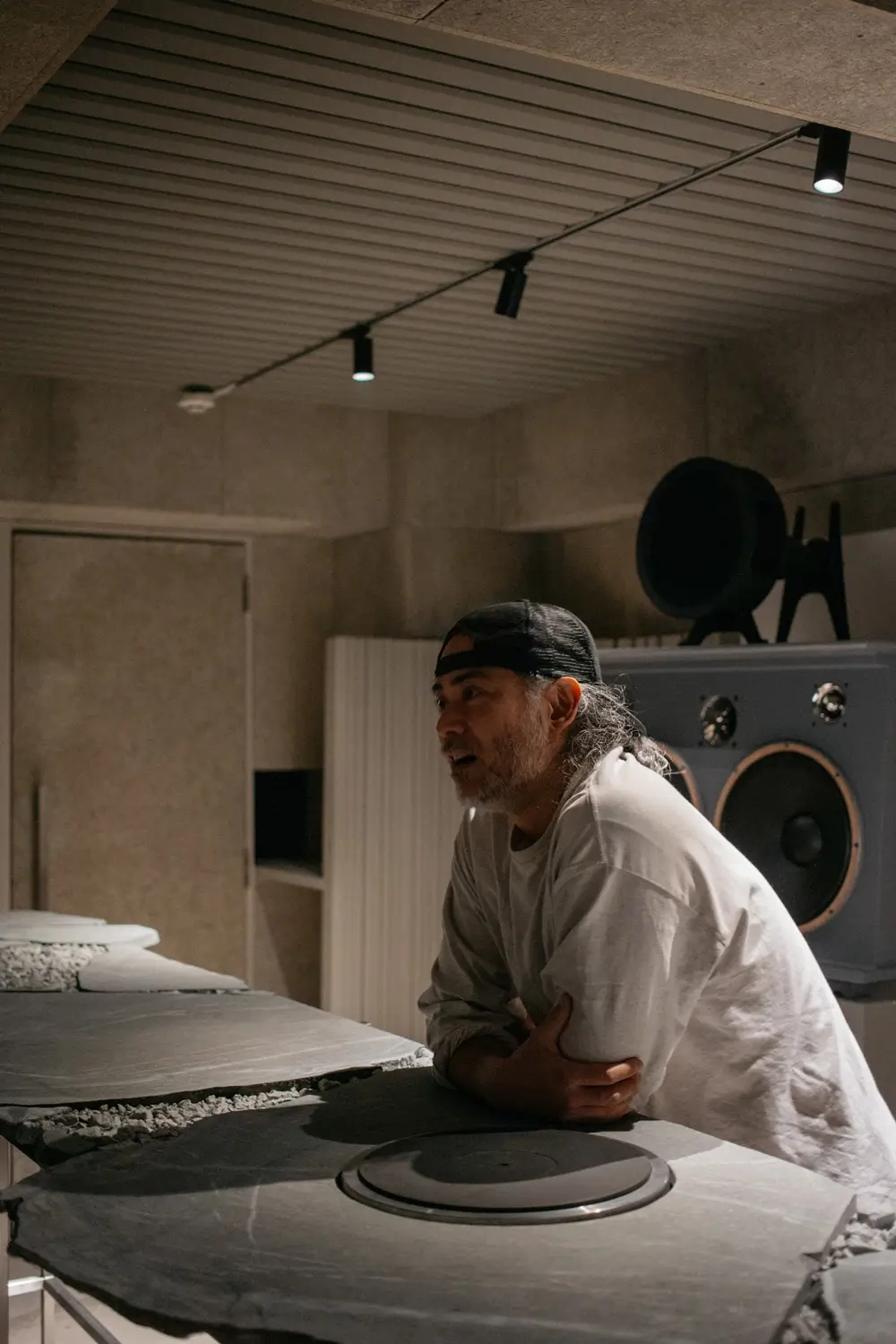
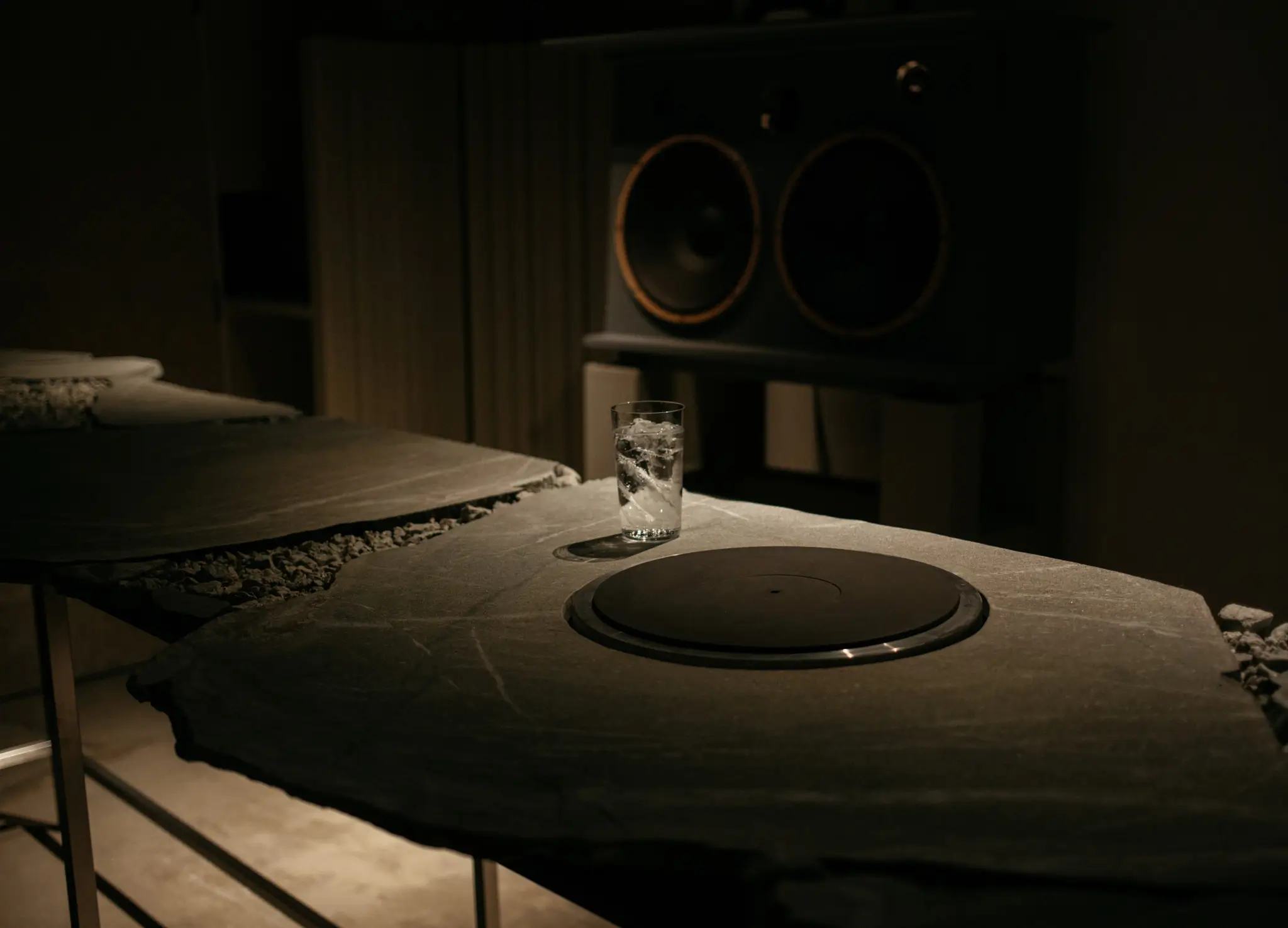
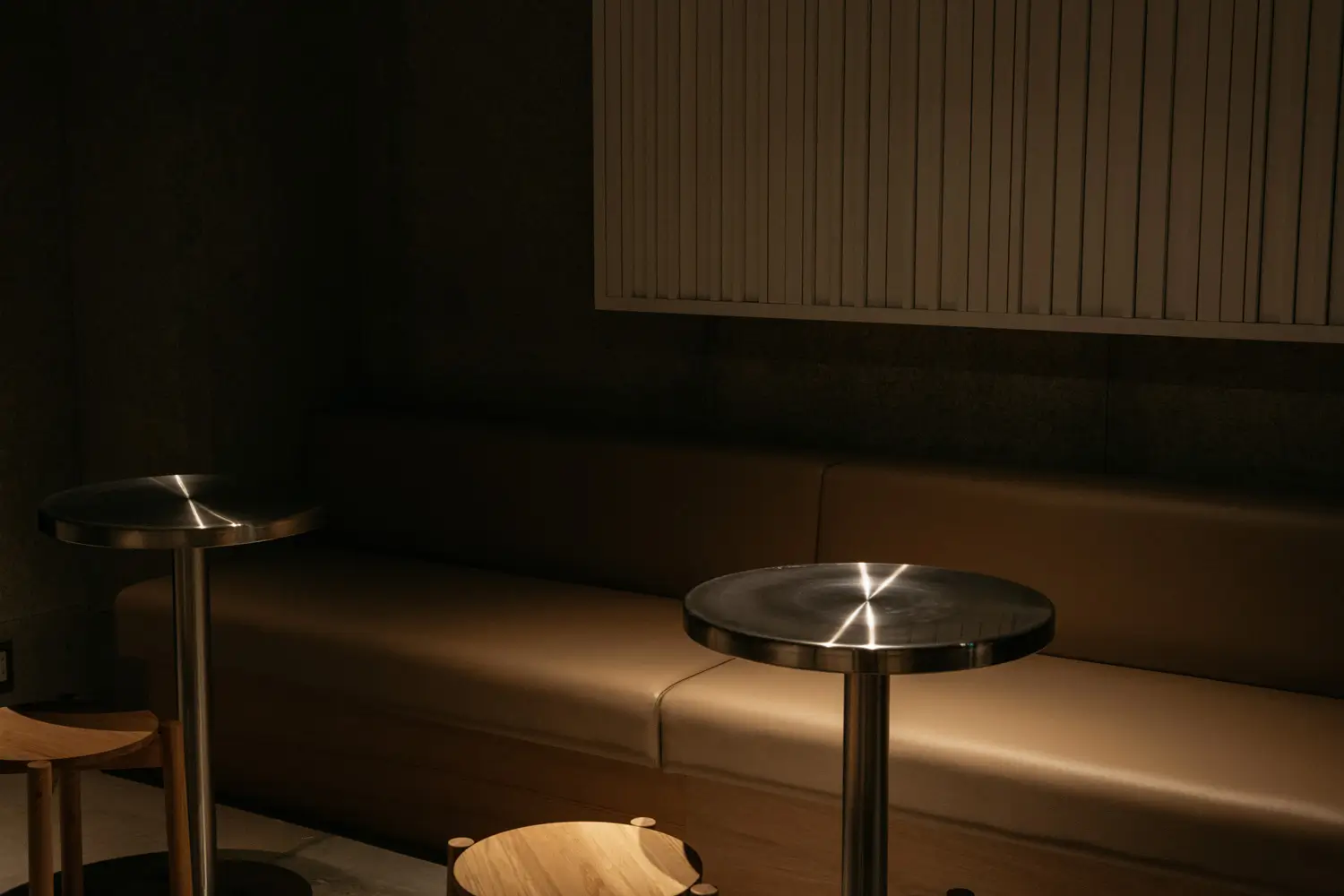

On March 6, 2026, a small listening bar quietly opened inside an unassuming mixed-use building in the Higashi district of Shibuya, Tokyo. The venue is called PASS, and at first glance it hardly resembles the nightlife spaces that have shaped Tokyo’s global reputation for electronic music. There is no elevated DJ booth. No lighting rig. No mirror ball spinning over a crowded dance floor.
Instead, PASS presents something radically minimal.
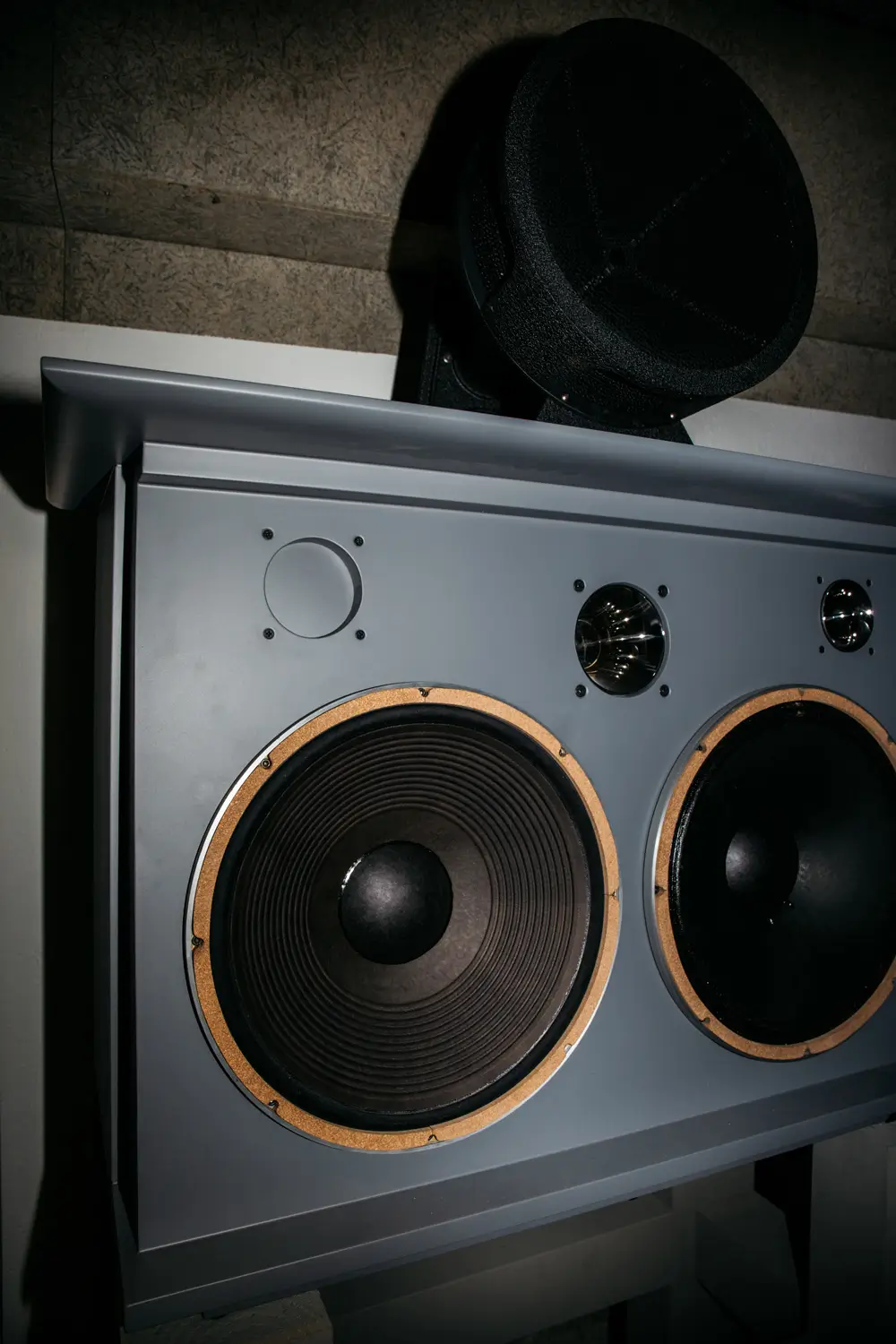
At the center of the room sits a single turntable. Across the space, a pair of speakers face one another, carefully positioned as if in conversation. Between them rests a stone table—an object that anchors the room physically and symbolically. The atmosphere is closer to a listening room or gallery installation than a nightclub.
PASS is the vision of Keiichiro Oshiro, the producer behind Tokyo’s celebrated techno and house venue VENT in Omotesando. While VENT helped cement Tokyo’s place within the global electronic music circuit, PASS represents a quieter and more reflective project. It is the result of a five-year search for a different relationship between music, sound, and audience.
The bar is not designed for dancing. It is designed for listening.
stir
To understand PASS, one must first understand the context of its creator. Oshiro has spent years shaping dance music environments. As the producer of VENT, he has overseen a venue recognized internationally for its carefully tuned sound system and its programming of leading techno and house artists.
VENT is known among DJs and audiophiles alike for its commitment to sonic fidelity. The club’s architecture, speaker configuration, and acoustic treatment were all developed to serve one purpose: delivering powerful, immersive dance music.
Yet Oshiro’s relationship with music was never limited solely to club culture.
In interviews surrounding the opening of PASS, he explained that the shift toward a listening bar was not a rejection of dance music but an expansion of perspective.
“Originally, I didn’t only love dance music,” he noted. “So it didn’t feel like I was dramatically changing direction. I simply wanted to propose truly great sound in another form.”
This statement hints at the deeper motivation behind PASS. Rather than focusing on spectacle or volume, the project centers on how people encounter music.
flow
Most nightlife venues prioritize energy and movement. Clubs are spaces designed to amplify rhythm and communal motion. Their sound systems are engineered to deliver impact at high volume levels so that music can be felt physically as well as heard.
PASS reverses that logic.
Here, sound is not an overwhelming force but a carefully articulated presence. The listening experience unfolds with intention. Records are played one at a time on a single turntable, emphasizing the ritual of selecting and playing music.
The absence of a DJ booth reinforces this philosophy. Instead of performing for a crowd, the person playing the record becomes a guide within a shared listening environment.
The room’s symmetrical layout further emphasizes attentiveness. Speakers face each other rather than projecting outward across a dance floor. The configuration encourages balanced acoustics while creating an atmosphere in which listeners occupy the same sonic field as the music itself.
In this environment, every detail matters—the texture of a bassline, the subtle layering of instruments, the breath between notes.
PASS invites visitors to listen actively rather than passively.
pan
The origins of PASS trace back to an unexpected global pause. During the COVID-19 pandemic, clubs and live music venues around the world were forced to close their doors. Tokyo was no exception. Events were canceled, gatherings restricted, and nightlife temporarily suspended.
For someone deeply embedded in the club scene, the disruption could have been devastating. Instead, Oshiro turned the period into an opportunity for reflection and research.
While dance floors remained empty, he began studying sound systems more deeply than ever before.
He immersed himself in technical literature, reading decades-old academic papers about acoustics, speaker design, and sound reproduction. These historical studies were then compared with modern technologies and engineering approaches.
Through this process, Oshiro began exploring questions that extended beyond club sound systems.
What does it mean to hear music clearly?
How can a space reveal the subtle qualities of recorded sound?
What kind of environment allows listeners to experience music without distraction?
These questions eventually led him toward an entirely different audio culture.
idea
In clubs and live venues, sound systems often rely on SR speakers—short for Sound Reinforcement. These systems are designed for large-scale amplification. Their primary function is to project sound across expansive spaces filled with moving bodies.
SR systems prioritize power, durability, and projection.
But during his research, Oshiro encountered another world: pure audio.
Pure audio refers to high-fidelity sound systems engineered primarily for listening rather than reinforcement. These systems focus on clarity, tonal balance, and accurate reproduction of recorded material.
Instead of overwhelming a room, pure audio systems reveal nuance.
The distinction may seem subtle, but in practice it creates a fundamentally different listening experience. Pure audio invites listeners to focus on the music itself rather than the physical intensity of sound.
For Oshiro, this discovery opened a new path.
He realized that Tokyo’s nightlife culture—renowned for its clubs and DJs—had room for another kind of space. One that emphasized careful listening rather than collective dancing.
theme
The concept of a listening bar is not entirely new in Japan. Tokyo has a long tradition of jazz kissaten, intimate cafes dedicated to playing vinyl records through high-quality audio systems. These spaces emerged in the mid-20th century and became cultural hubs for serious music lovers.
In a jazz kissaten, the music often plays at a level where conversation is secondary. Guests gather not simply to socialize but to experience carefully selected records.
PASS exists within this broader lineage, yet it also represents a contemporary evolution of the idea.
Unlike traditional jazz cafés, the musical scope at PASS is not limited to a single genre. The space can move fluidly between electronic music, ambient recordings, experimental compositions, and classic albums.
What unites these selections is not style but sonic depth.
Every record played at PASS is chosen for how it interacts with the room and the system.
style
The physical design of PASS reflects its philosophy.
The room is intentionally sparse. Decorative elements are minimal, allowing attention to remain focused on sound.
The stone table placed at the center of the space functions as a quiet focal point. Its material weight contrasts with the ephemeral nature of music, grounding the listening experience within a tangible environment.
Lighting is subdued, creating an atmosphere of calm rather than stimulation. Instead of flashing lights or projections, the room encourages a slower rhythm of perception.
Even the seating arrangement is designed to maintain acoustic integrity. Listeners occupy positions where sound waves interact evenly across the room.
The result is a carefully balanced acoustic field.
Within it, music becomes the central presence.
vinyl
PASS also emphasizes the tactile dimension of music.
In an era dominated by streaming platforms and digital playlists, the act of playing a vinyl record carries a different kind of significance. Selecting a record, placing it on the turntable, lowering the needle—each step introduces a moment of anticipation.
This ritual slows down the listening process.
Instead of skipping instantly between tracks, listeners encounter music as a continuous experience. Albums unfold as they were originally intended, revealing sequencing choices and sonic transitions.
The turntable at PASS therefore becomes more than just a playback device. It is a symbolic object representing the deliberate nature of the space.
Every record played becomes an event.
emotive
One of the guiding principles behind PASS is the rejection of purely technical metrics.
In many audiophile communities, conversations about sound often revolve around numbers—frequency ranges, wattage outputs, distortion levels, and other specifications.
While these measurements are useful, they can sometimes overshadow the emotional and experiential aspects of music.
PASS seeks to move beyond that fixation.
The goal is not to showcase equipment specifications but to create an environment where music can be felt intuitively.
Oshiro has emphasized that the ultimate purpose of sound technology is not technical perfection but emotional connection.
When listeners forget about the equipment and simply become absorbed in the music, the system has succeeded.
new
Tokyo’s nightlife has long been celebrated for its diversity—from underground techno clubs to elegant cocktail lounges. PASS adds another layer to this ecosystem.
Rather than replacing traditional clubs, it complements them.
VENT remains a destination for dancing and high-energy electronic music. PASS offers an alternative for evenings when listeners seek something quieter and more contemplative.
The two spaces represent different dimensions of the same cultural landscape.
Together they illustrate how nightlife can evolve beyond familiar formats.
commune
Despite its quiet atmosphere, PASS is not meant to be solitary.
The shared listening environment creates a subtle form of community. When a record plays, everyone in the room hears the same sound at the same moment. There is no individual headphone experience or personalized algorithm shaping the playlist.
Music becomes a collective encounter.
Small gestures—an exchanged glance, a nod of appreciation—can form connections between listeners who might otherwise remain strangers.
In this sense, PASS restores something that digital music consumption often erodes: the social dimension of listening.
fwd
The opening of PASS arrives at a moment when interest in vinyl and high-fidelity audio is experiencing renewed global attention. Record sales have grown steadily in recent years, and younger audiences are rediscovering analog formats.
At the same time, urban nightlife continues to evolve.
Many cities are exploring alternatives to traditional club models, creating spaces where music can be appreciated in different contexts. Listening bars, hi-fi cafés, and audiophile lounges are emerging across cultural capitals from London to New York.
PASS contributes to this global movement while maintaining a distinctly Tokyo sensibility.
Its understated design and careful sonic philosophy reflect the city’s longstanding respect for craft and detail.
sum
By stripping away spectacle and emphasizing attentive listening, the space invites visitors to reconsider what it means to hear music.
Every record played there becomes a moment suspended between sound and silence.
In a city known for its relentless energy, PASS offers something rare: a place where music can unfold slowly, revealing its layers to those willing to listen.
For Keiichiro Oshiro, the project represents the culmination of years spent exploring sound systems, musical culture, and the emotional resonance of audio.
For visitors, it offers something simpler but equally profound.
A quiet room.
A record spinning on a turntable.
And the chance to experience music—purely, openly, and without distraction.

No comments yet.