Fragment Nike Mind 002 “Particle Grey” (IQ8504-001)

March 15, 2026
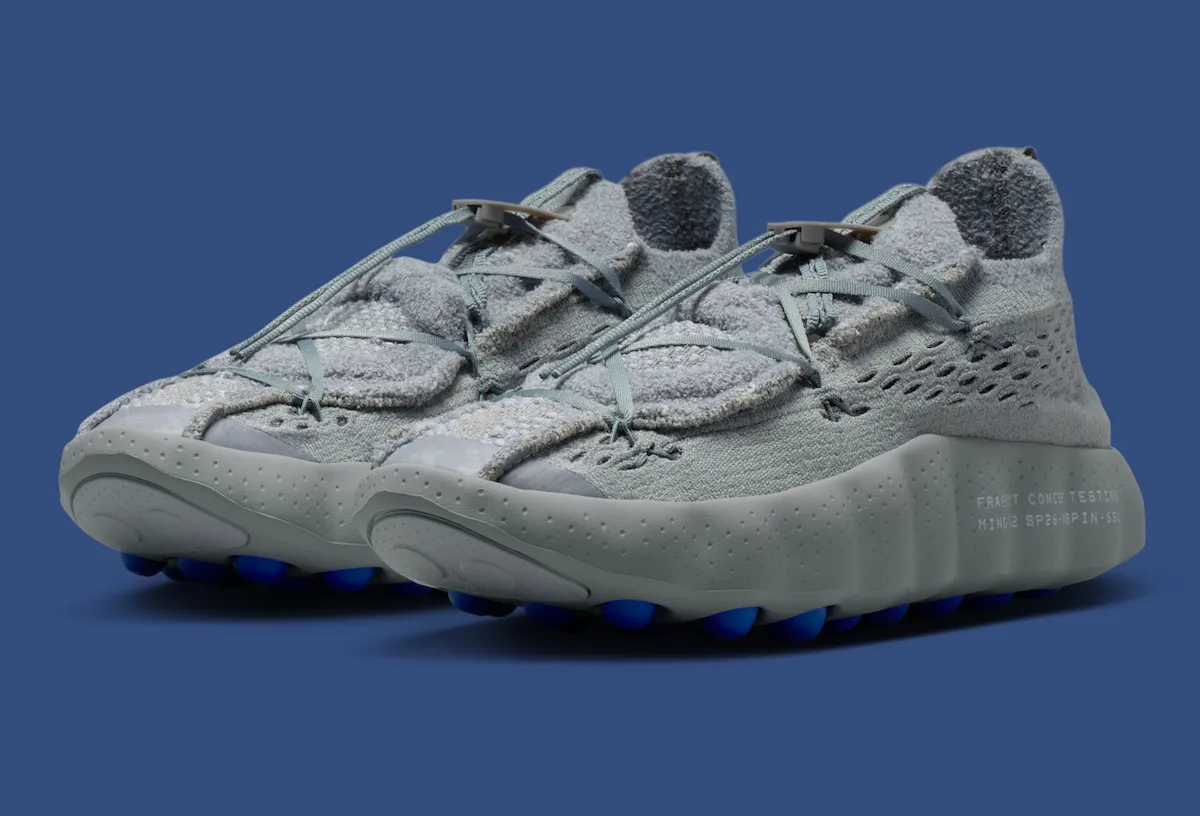
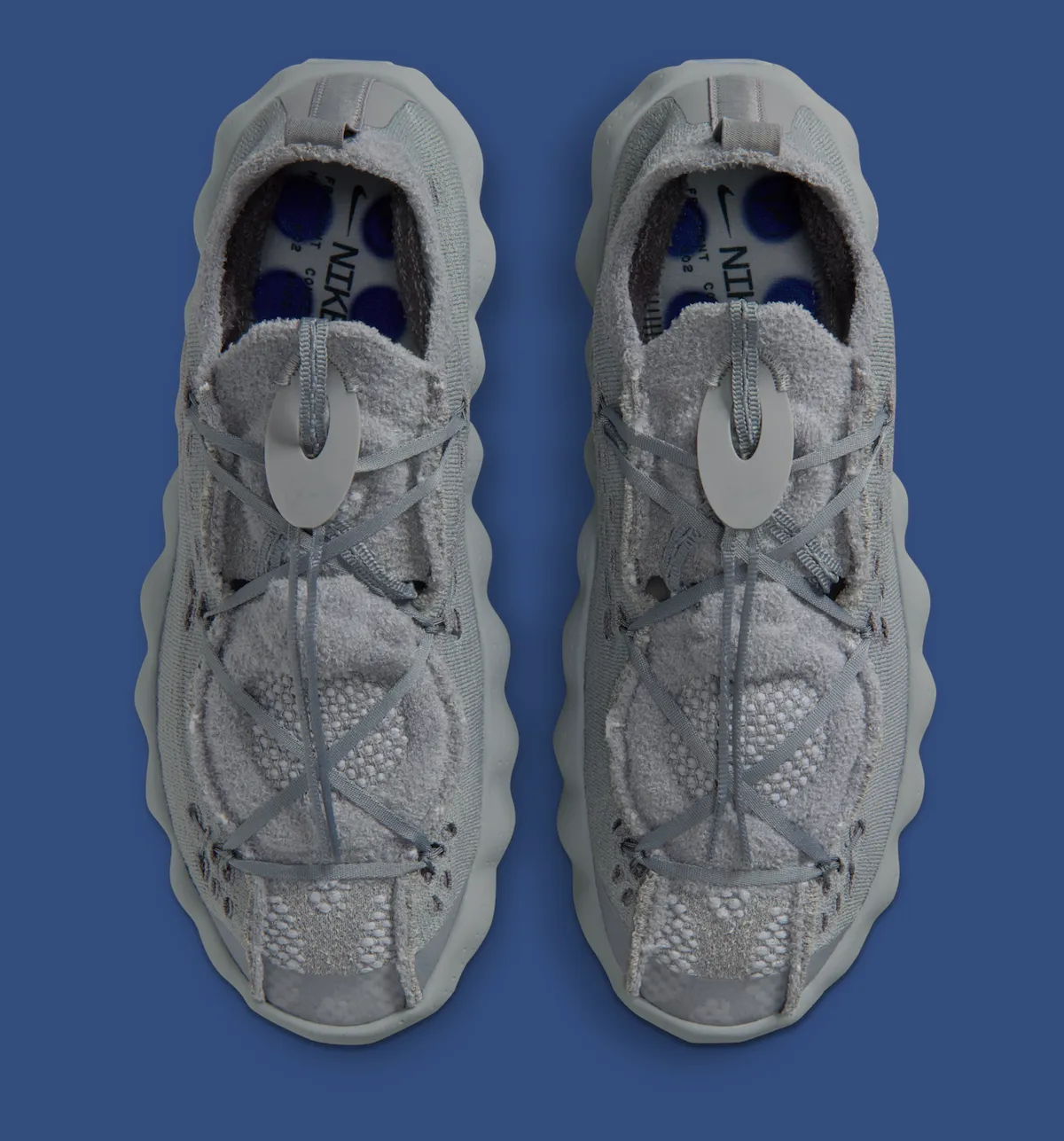
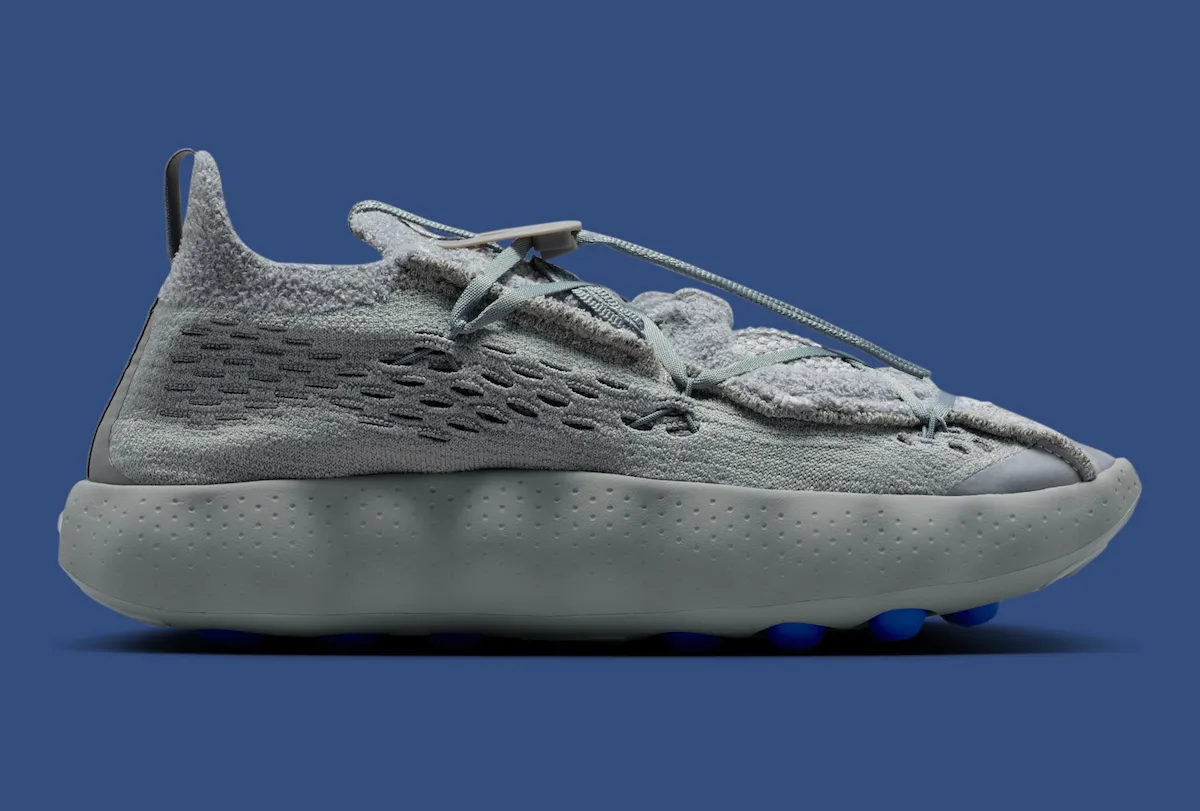
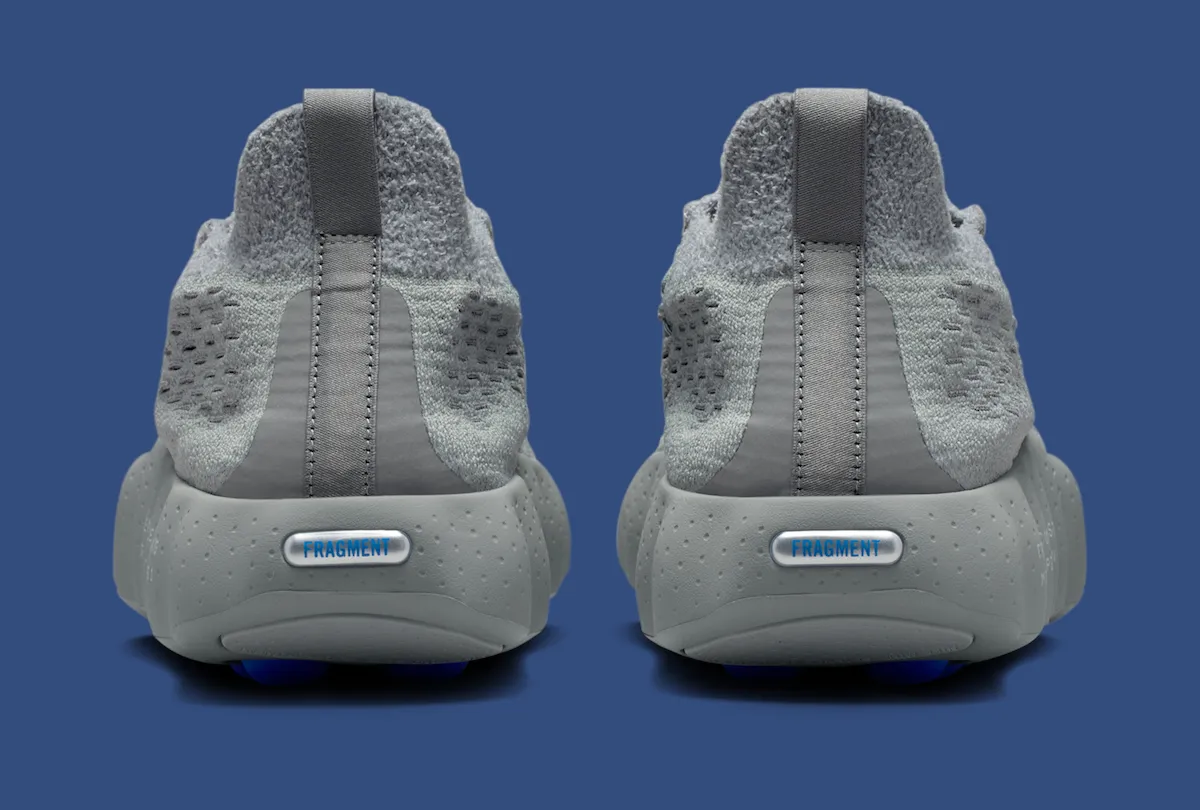
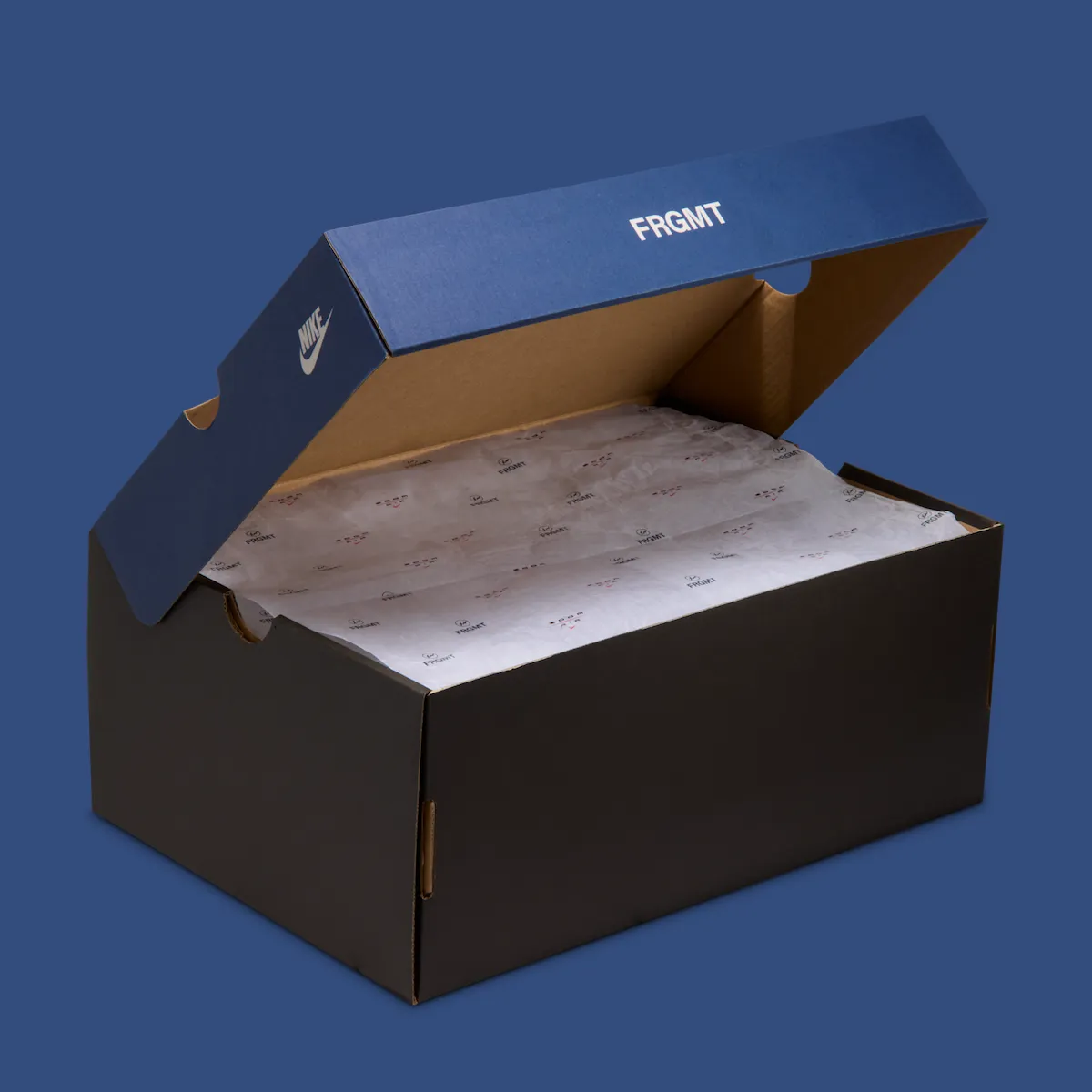
The fragment design x Nike Mind 002 “Particle Grey” represents one of the most intriguing sneaker experiments to emerge from Nike’s recent push into neuroscience-driven footwear. Released as part of the fragment Concept Testing collection, the shoe merges cutting-edge athletic research with the minimalist aesthetic long associated with the Japanese design imprint led by Hiroshi Fujiwara.
With the style code IQ8504-001, the sneaker continues the narrative of Nike’s experimental Mind series, a category developed within the brand’s Nike Sports Research Lab to explore how footwear can influence sensory perception, physical recovery, and mental readiness. The collaboration brings together two forces: Nike’s technical innovation and fragment design’s understated industrial language. The result is a shoe that feels equally at home in performance laboratories and contemporary street culture.
stir
The Nike Mind line was conceived as a new category of footwear intended not primarily for competition but for pre- and post-performance recovery. Unlike conventional running or training sneakers, the Mind models focus on stimulating the sensory pathways of the foot.
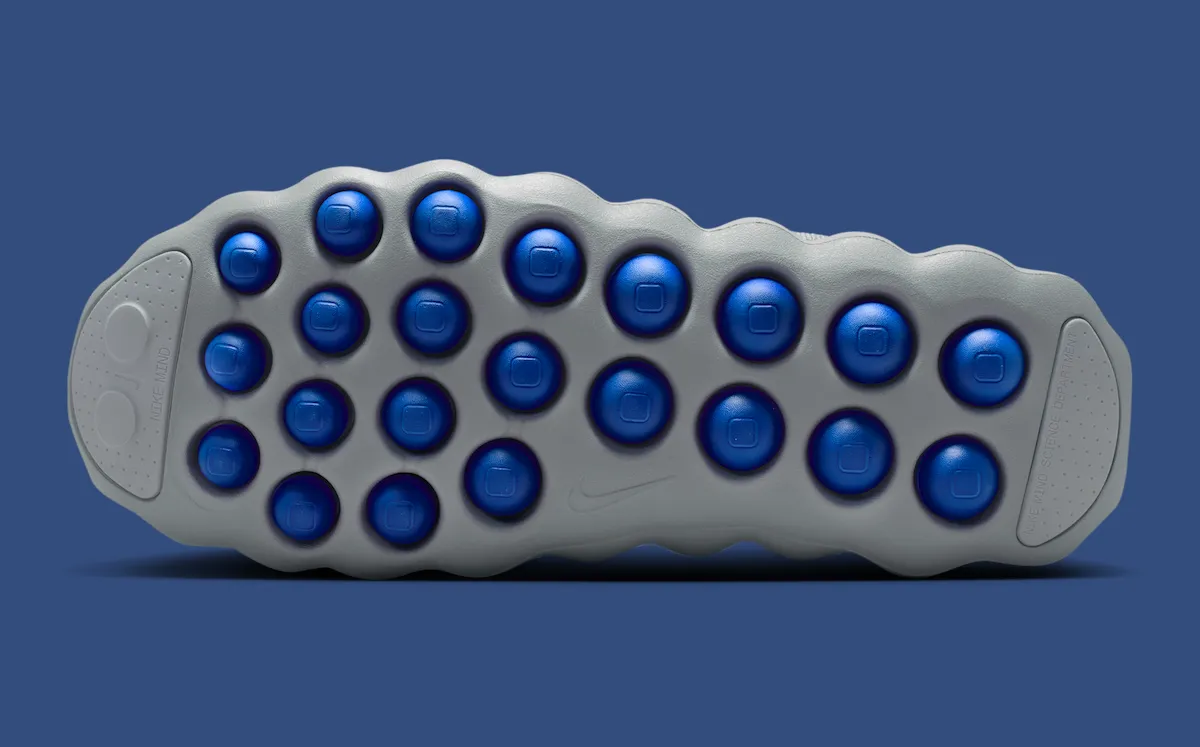
At the core of the concept is an unusual outsole system consisting of 22 independent foam nodes. These nodes move individually as the wearer walks, responding to pressure points across the foot. Nike describes them as functioning like small pistons that push upward against the sole, mimicking the natural sensation of walking barefoot on varied terrain.
The theory behind the design is rooted in neuroscience. By activating different pressure receptors in the foot, the system aims to stimulate the brain’s sensory regions, potentially helping athletes regain focus or recover after physical exertion. While the scientific research behind the concept continues to evolve, Nike developed the technology through hundreds of athlete tests and data gathered by the brand’s mobile brain-imaging lab.
Within this emerging category, Nike introduced two main silhouettes:
-
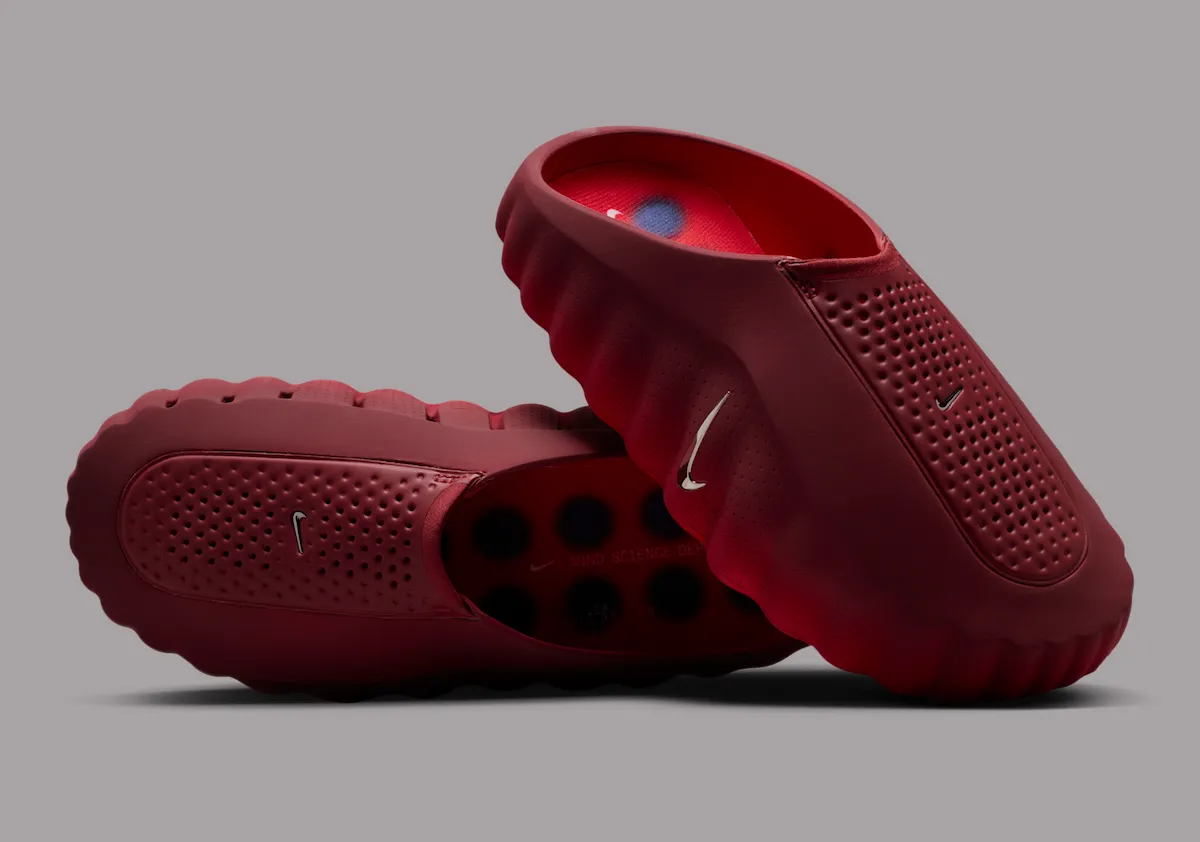
Nike Mind 001 – a mule-style slip-on recovery shoe
-
Nike Mind 002 – a lace-up sneaker designed for broader everyday wear
The fragment collab focuses on the latter.
flow
Few collaborators embody understated influence as strongly as fragment design. Founded by Hiroshi Fujiwara in the 1990s, the label has collaborated with Nike for decades, shaping some of the most coveted sneaker releases of the modern era.
For Fujiwara, the appeal of the Mind project lies in its emphasis on experimentation. According to reports surrounding the collaboration, he was drawn to the silhouette precisely because it represented a new technological frontier rather than a revival of an archival design.
The fragment iteration is part of a larger Concept Testing capsule, which also includes a Mind 001 mule and a separate Air Liquid Max collaboration. Across the collection, Fujiwara emphasizes monochrome palettes, subtle branding, and laboratory-style graphics that suggest prototypes rather than mass-produced footwear.
show
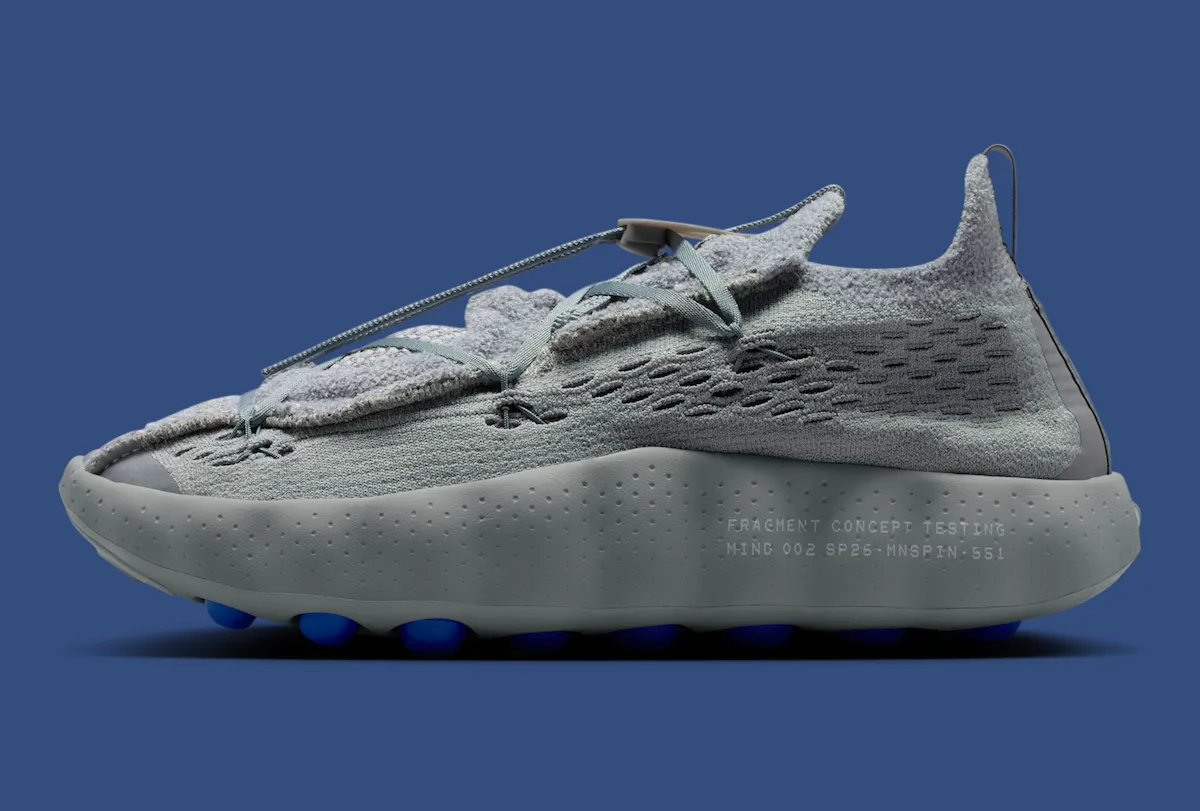
The “Particle Grey” colorway embodies fragment design’s trademark restraint. The shoe arrives in a nearly monochromatic grey palette, allowing the structural elements of the design to take center stage.
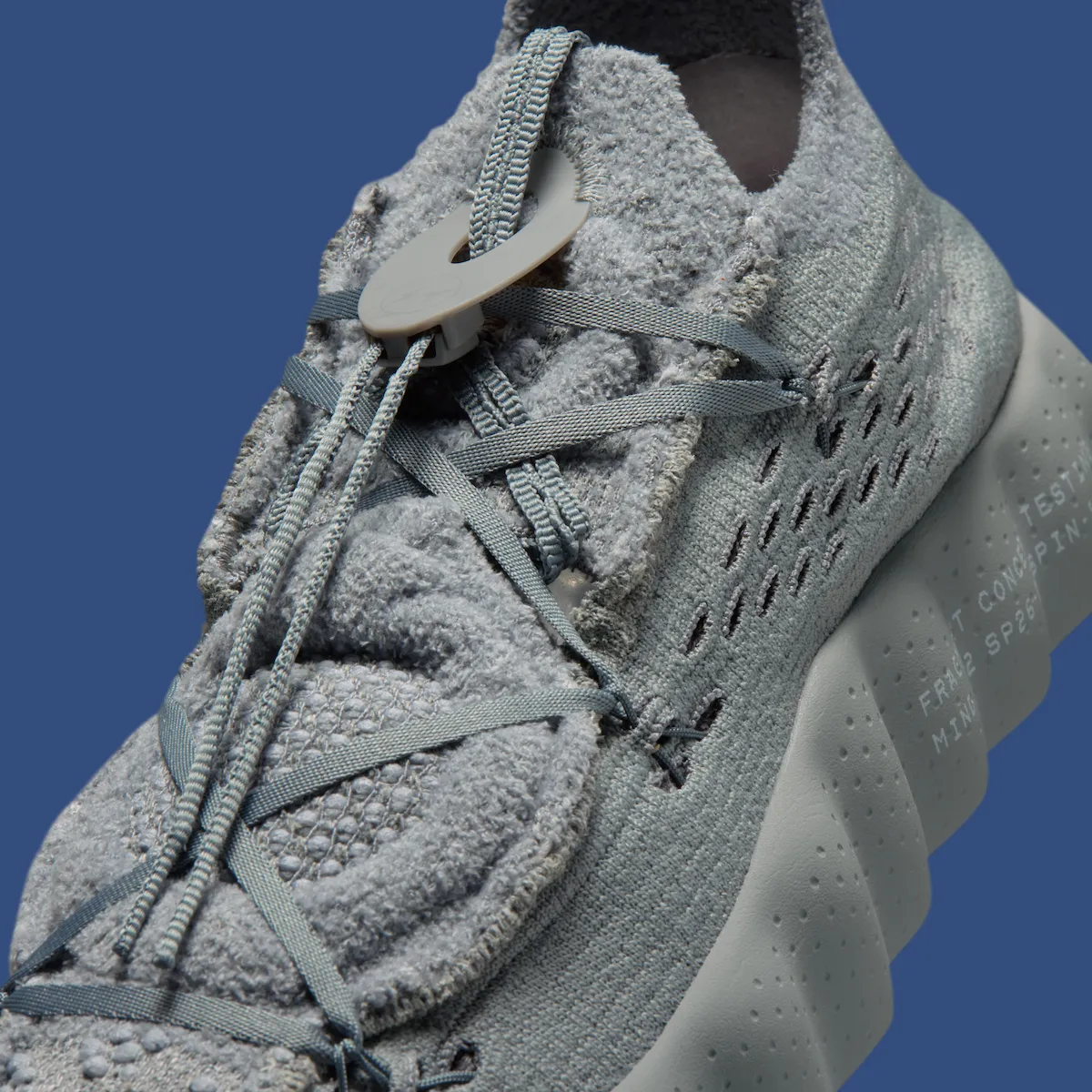
Instead of relying on bold color blocking, the sneaker uses texture and form to create visual interest. The Flyknit upper flows seamlessly across the shoe, giving the silhouette a sculptural appearance that feels both futuristic and minimal.
A few carefully chosen accents break the monochrome scheme:
-
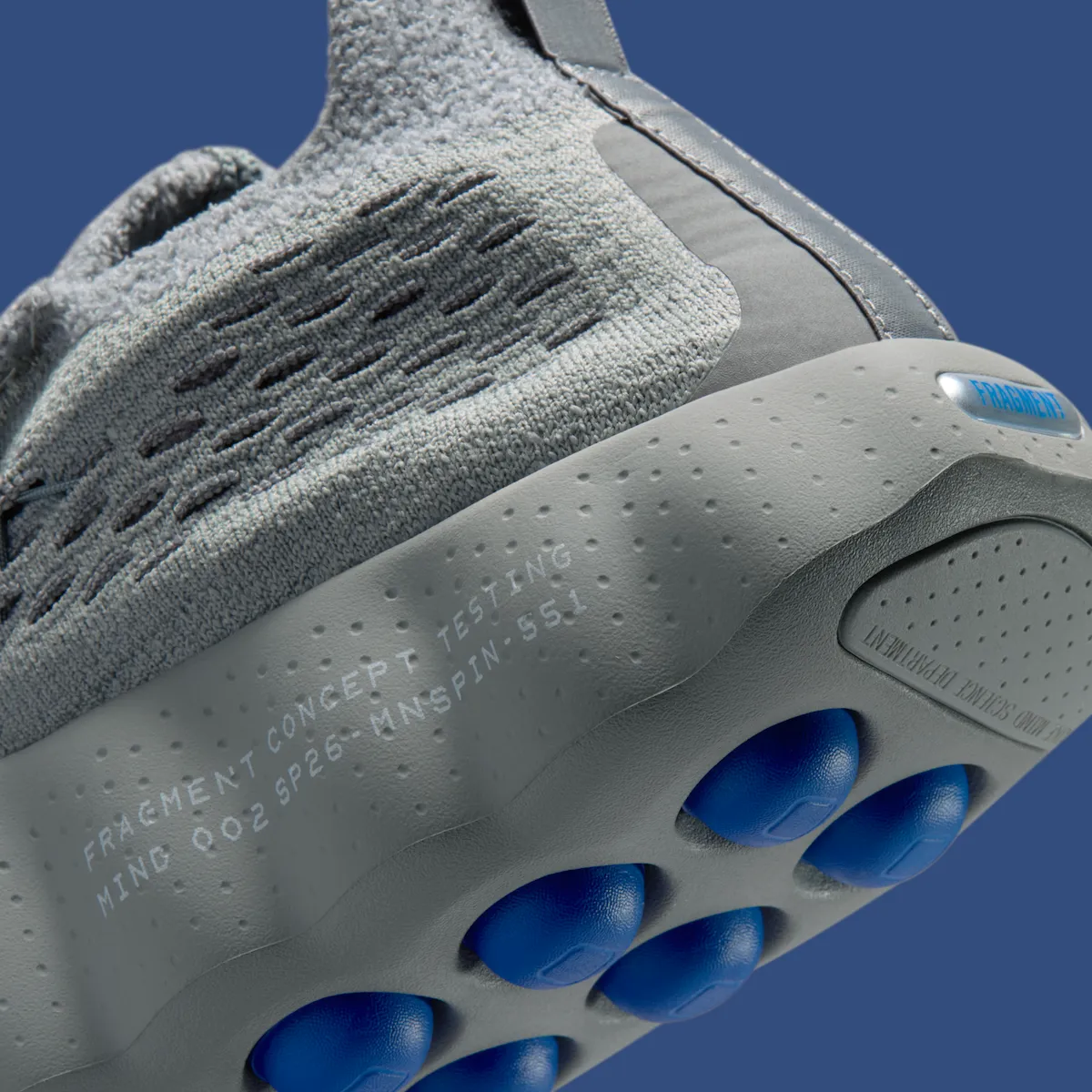
Fragment’s double lightning logo appears on the heel and insole.
-
Royal blue nodes beneath the sole provide a subtle pop of color.
-
Industrial lettering reading “FRAGMENT CONCEPT TESTING” is stamped across the midsole.
These details transform what might otherwise be a simple grey sneaker into a quietly distinctive object.
struct
A key feature of the fragment edition is its full Flyknit upper, a material long associated with Nike’s lightweight performance footwear.
Flyknit is produced through digitally programmed knitting machines that create a single seamless textile piece. This process allows Nike to engineer zones of breathability, stretch, and support without requiring multiple stitched panels.
On the Mind 002, the material contributes to several functional advantages:
-
Sock-like fit that adapts closely to the shape of the foot
-
Enhanced breathability for extended wear
-
Reduced weight compared to traditional layered uppers
Supporting the knit structure are exposed Flywire cables, which connect the lacing system directly to the midfoot area. These thin yet durable fibers help lock the foot in place without adding bulk.
mid
While the upper delivers comfort and stability, the most striking aspect of the Mind 002 lies beneath the foot.
The midsole features 22 individual foam nodes arranged across the entire outsole platform. Each node compresses independently, reacting to the wearer’s movement and weight distribution.
The placement of the nodes is carefully calculated:
-
Nodes are spaced wider in the heel to absorb initial impact.
-
They are closer together near the forefoot to enhance tactile feedback.
-
Each node moves vertically against the foot, creating a sensation that is more dynamic than traditional foam cushioning.
Nike describes the sensation as “activating sensory areas of the brain”, suggesting that the shoe’s purpose goes beyond comfort alone.
The result is a walking experience that feels slightly unusual at first—almost like stepping across a field of small pistons—but gradually becomes intuitive.
industrial
The blend also introduces visual elements inspired by product testing and laboratory prototypes.
The phrase “FRAGMENT CONCEPT TESTING” printed across the midsole references experimental footwear samples often used internally by brands during the development process. This deliberate nod to prototype culture reflects Fujiwara’s fascination with the research stage of design.
Unlike many collaborative sneakers that rely on overt branding, the fragment Mind 002 uses subtle cues:
-
tonal grey overlays
-
minimal stitched logos
-
discreet lightning bolt symbols
This approach aligns with Fujiwara’s philosophy that a design should reveal its identity slowly rather than loudly.
rel
The fragment design x Nike Mind 002 “Particle Grey” is expected to launch in Spring 2026
Key details include:
-
Style code: IQ8504-001
-
Colorway: Particle Grey / Particle Grey
-
Retail price: approximately $140
-
Availability: Nike SNKRS and select retailers worldwide
-
Sizing: unisex
Several sneaker release trackers indicate a March 2026 launch window, with raffles and retailer drops surrounding the official release.
Given fragment’s long history of limited-edition releases, demand for the sneaker is expected to exceed supply.
new
In many ways, the Mind 002 collaboration represents a departure from the nostalgia-driven sneaker market. While most collaborations focus on retro silhouettes, the Mind series introduces something entirely new.
For Nike, the partnership reinforces the brand’s commitment to research-driven design. For fragment, it offers an opportunity to reinterpret experimental technology through a minimalist lens.
This dynamic echoes earlier collaborations between Fujiwara and Nike, from the Air Jordan 1 Fragment to more recent projects that blend fashion credibility with technical innovation.
culture
Although originally conceived for athletes, the Mind series quickly attracted attention from sneaker collectors.
Several factors explain its appeal:
-
Unusual design language unlike typical lifestyle sneakers
-
Advanced performance technology rarely seen in casual footwear
-
Fragment design’s cult following among collectors
As a result, the shoe sits at an interesting intersection between performance equipment, conceptual design object, and streetwear artifact.
spectrum
The Nike Mind project hints at a broader shift within athletic footwear design. Rather than focusing solely on speed or cushioning, brands are increasingly exploring how footwear interacts with the nervous system.
The concept raises intriguing possibilities:
-
shoes designed to stimulate recovery after training
-
footwear that improves focus before competition
-
designs that reconnect wearers with natural sensory feedback
Whether these ambitions fully materialize remains to be seen, but the Mind 002 collaboration suggests that Nike sees neuroscience as a promising frontier.
impression
The fragment design x Nike Mind 002 “Particle Grey” stands as a compelling example of what happens when experimental science meets minimalist design.
On the surface, the sneaker appears understated—just a grey Flyknit shoe with subtle branding. Beneath that simplicity, however, lies an ambitious technological concept built around sensory activation and recovery.
Through Hiroshi Fujiwara’s influence, the shoe gains a layer of cultural credibility that transforms it from a laboratory prototype into a desirable piece of contemporary sneaker design.
For collectors, it represents another chapter in the long-running fragment x Nike partnership. For Nike, it signals a bold step into a future where footwear may shape not only how athletes move, but also how they feel and think.
No comments yet.