The Andy Liang x Porter Muffin Bag Blends Downtown Whimsy

March 15, 2026
japan
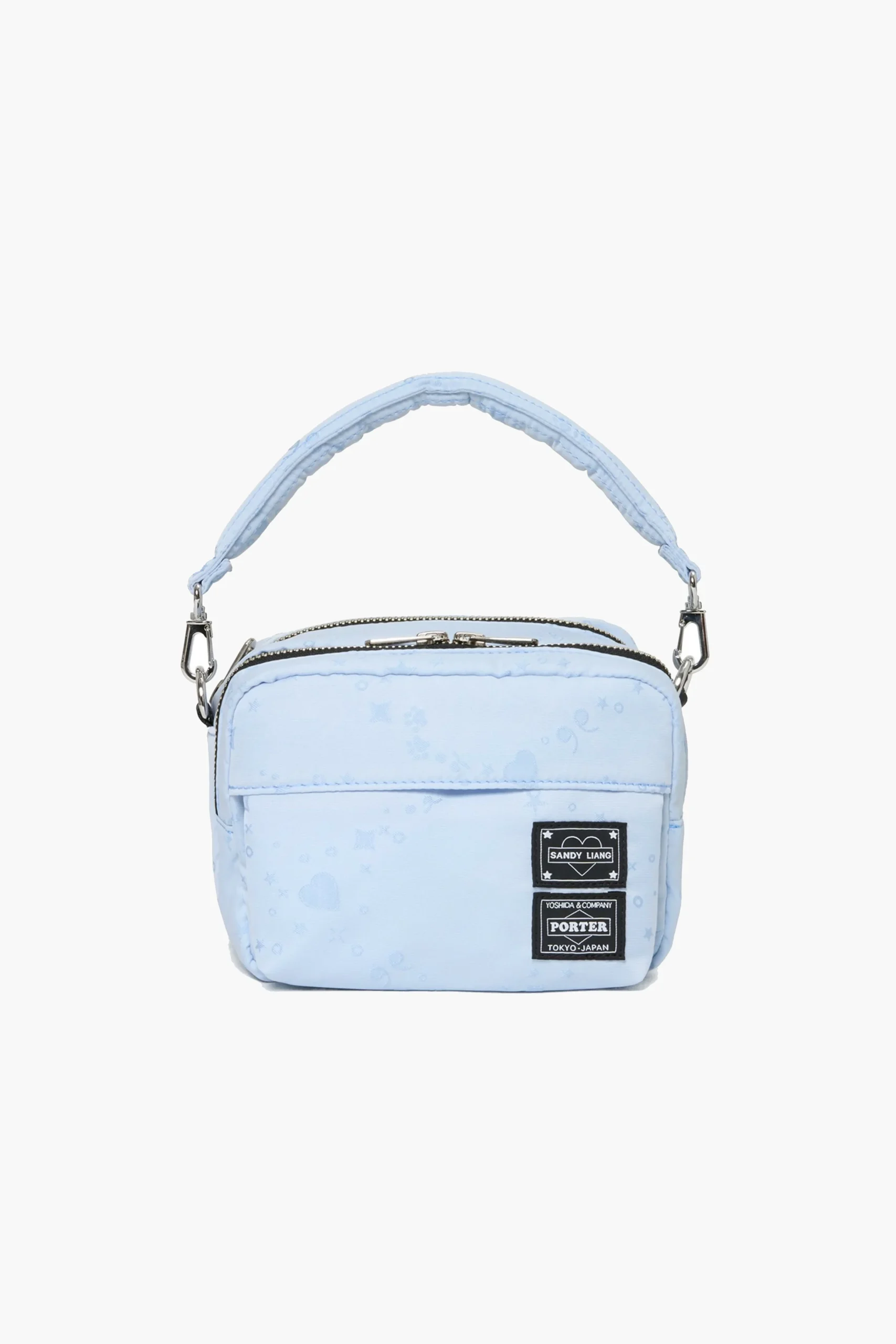
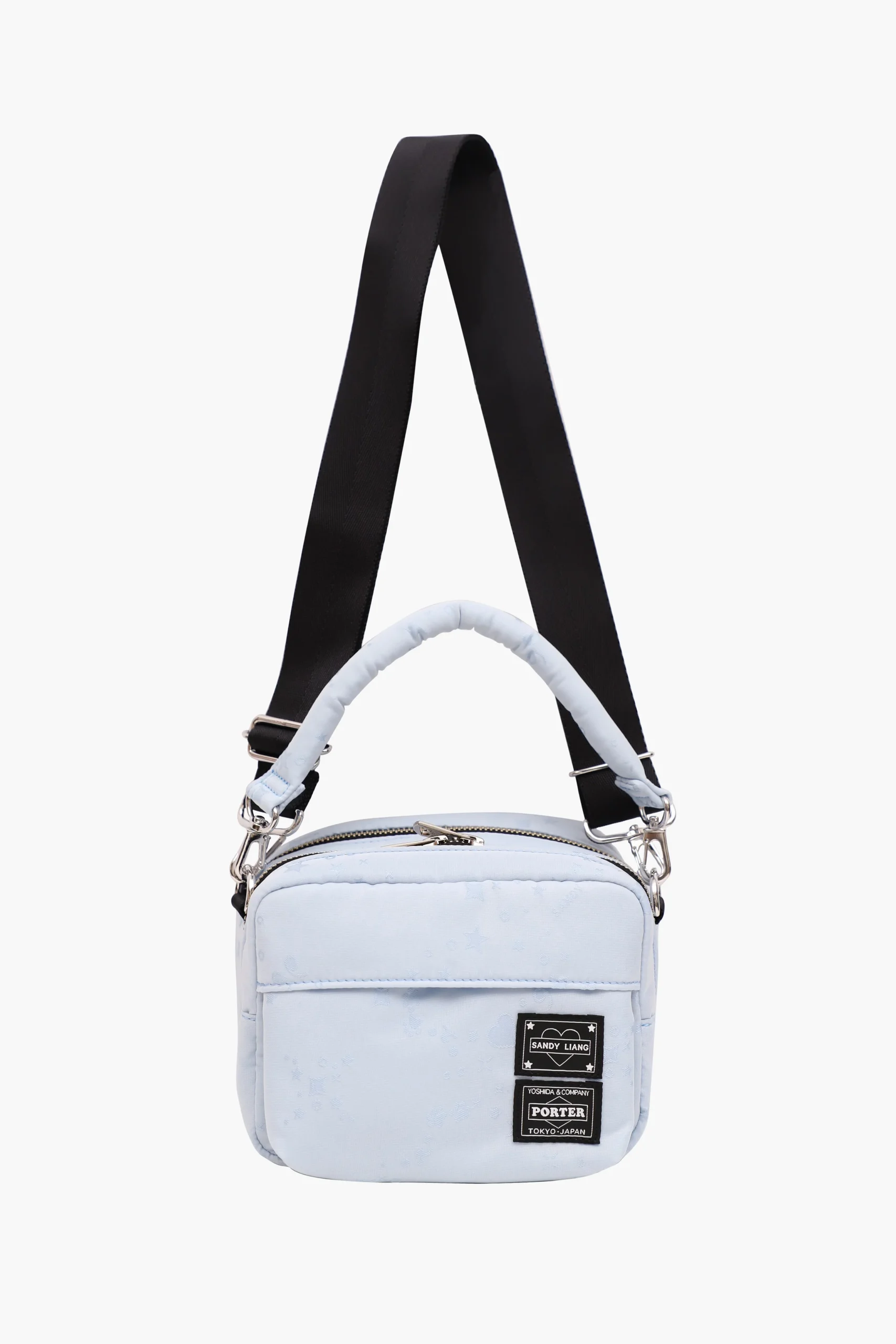
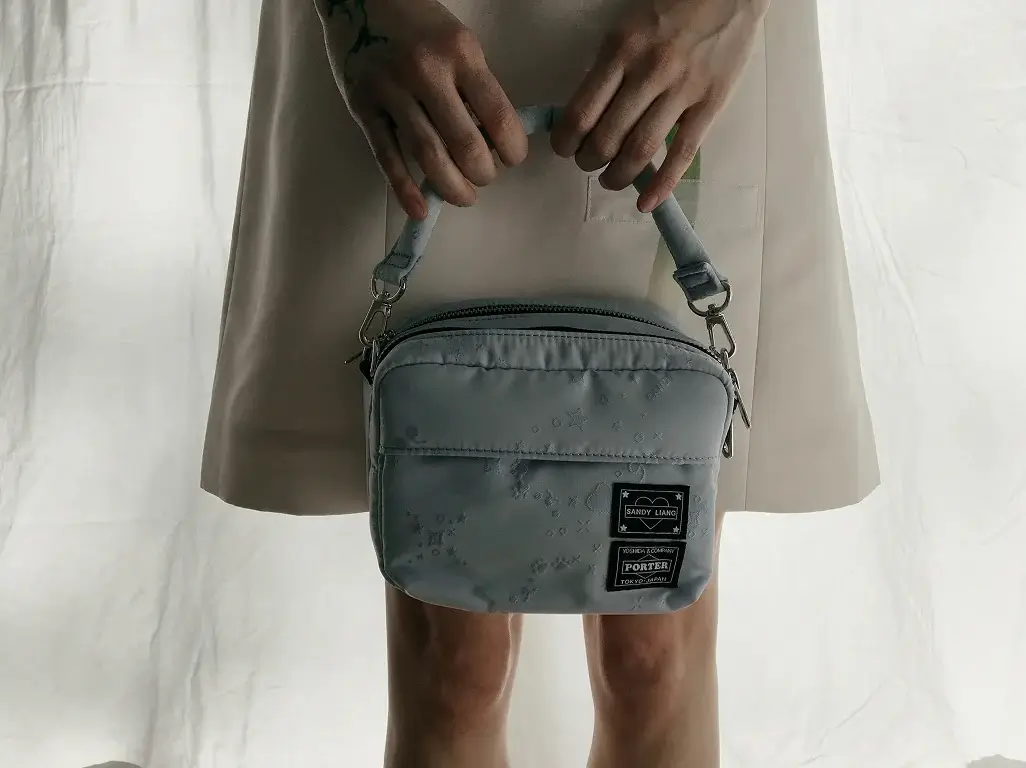
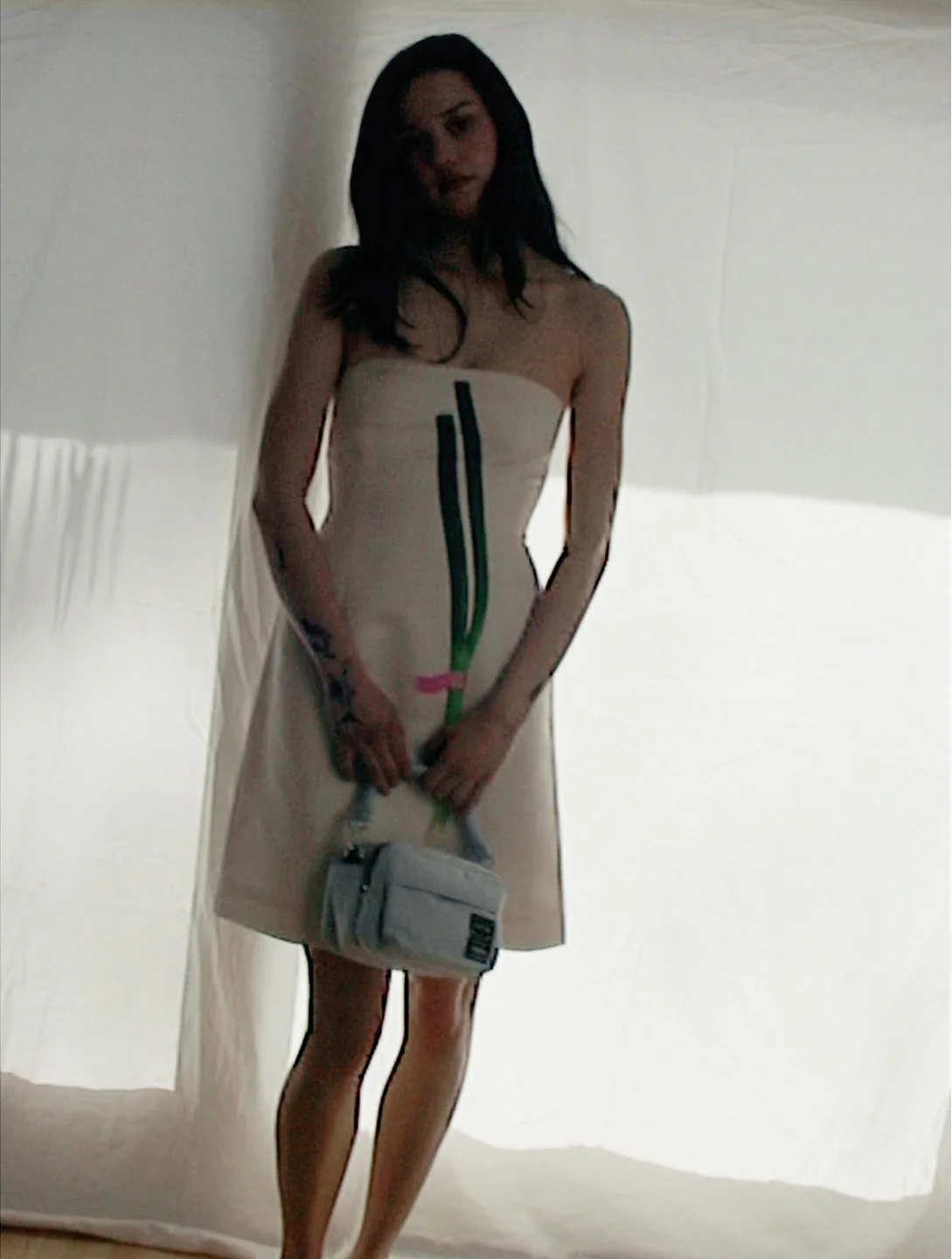
In an era when accessories increasingly function as cultural artifacts rather than mere storage solutions, the collaboration between Andy Liang and Porter stands out as an exercise in thoughtful design language. The Andy Liang x Porter Muffin Bag arrives not simply as a fashion accessory, but as a hybrid object—one that blends sculptural whimsy with the rigorous material expertise that has defined Porter’s reputation for decades.
At first glance, the Muffin Bag’s name suggests humor. Yet the bag’s rounded silhouette and soft geometry are the result of deliberate design decisions. Liang’s aesthetic frequently gravitates toward playful exaggeration—objects that feel both cartoonish and refined. When combined with Porter’s utilitarian heritage, the result becomes something unexpected: a bag that feels equally suited to streetwear styling, gallery openings, or minimalist wardrobes.
The collaboration marks another chapter in the growing dialogue between emerging designers and heritage manufacturers. In this case, Liang’s conceptual sensibility finds a technical counterpart in Porter’s legendary nylon craftsmanship.
creative
Before the Muffin Bag ever existed as a finished object, its foundation lay in the creative philosophy of Andy Liang. Liang represents a generation of designers who treat fashion not simply as clothing but as an extension of artistic experimentation.
His work often blurs categories. Garments behave like sculptures. Accessories adopt shapes borrowed from everyday objects. Humor and craftsmanship coexist in equal measure. Liang’s designs frequently carry a sense of lightness—objects that feel approachable without sacrificing design rigor.
In a fashion landscape increasingly shaped by collaboration, Liang’s partnership with Porter feels particularly natural. Both parties share a respect for material integrity. Where Liang introduces imaginative form, Porter provides the structural discipline required to transform those forms into durable objects.
This relationship allows the Muffin Bag to transcend novelty. Instead of becoming a quirky seasonal accessory, it operates as a carefully engineered product.
View this post on Instagram
stir
The involvement of Porter carries significant weight within the design world. Founded in 1962 by Yoshida & Co., the Japanese brand has spent decades refining the craft of bag making. Unlike many accessory brands that rely heavily on seasonal trend cycles, Porter built its reputation through obsessive attention to construction.
Every Porter bag passes through multiple stages of production, often handled by specialized artisans. Materials are selected for durability and tactility, while stitching techniques prioritize longevity.
Perhaps the brand’s most recognizable material is its signature nylon—often paired with bright orange lining inspired by flight jackets. This combination has become synonymous with Japanese technical design.
For the Muffin Bag collaboration, Porter applies the same philosophy. The whimsical exterior shape conceals a framework of thoughtful engineering: reinforced seams, carefully balanced weight distribution, and fabrics chosen to maintain structure without stiffness.
The result feels distinctly Porter, even as Liang’s visual language transforms the silhouette.
sil
The defining feature of the Muffin Bag is its unusual geometry. Rather than relying on conventional rectangular structures, the bag adopts a rounded, pillowy form reminiscent of its namesake pastry.
This design choice does more than provide visual novelty. The curvature allows the bag to hold objects in a natural cradle, distributing weight evenly throughout the structure. It also gives the bag a tactile softness—an inviting object that feels comfortable against the body.
Liang’s interest in inflated silhouettes reflects broader trends within contemporary design. Across fashion and industrial design alike, soft volumes have become a way to counterbalance the rigid minimalism of previous decades.
In the Muffin Bag, the form becomes playful but still disciplined. The puffed geometry never collapses into shapelessness thanks to Porter’s precise panel construction.
mat
Materials play a crucial role in translating the Muffin Bag concept into a functional product. Porter’s nylon fabric offers a balance of durability and flexibility, allowing the bag’s sculptural form to maintain structure without becoming overly rigid.
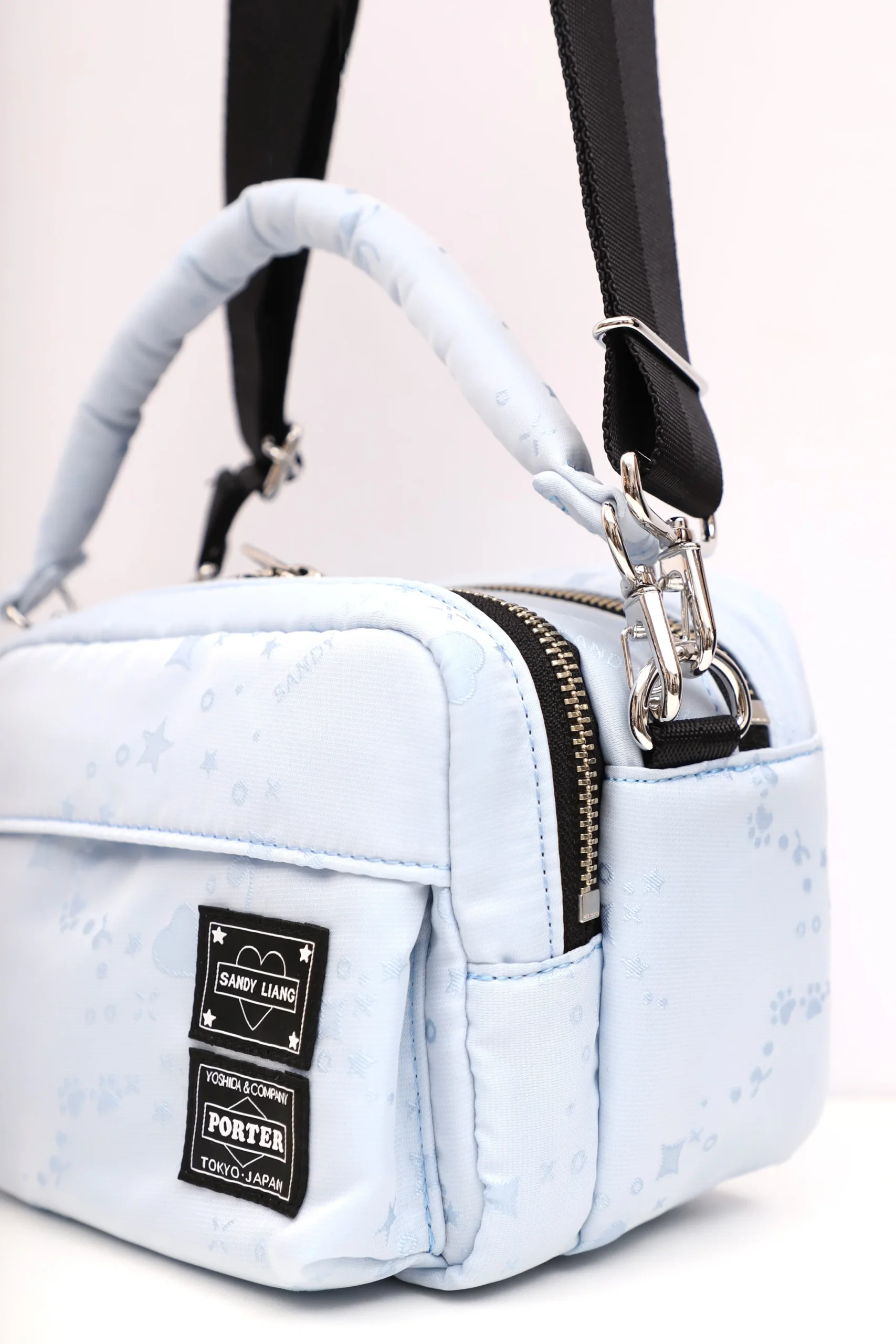
The exterior typically features smooth nylon panels stitched into curved segments. These panels create the illusion of gentle inflation—similar to quilting, though subtler in execution.
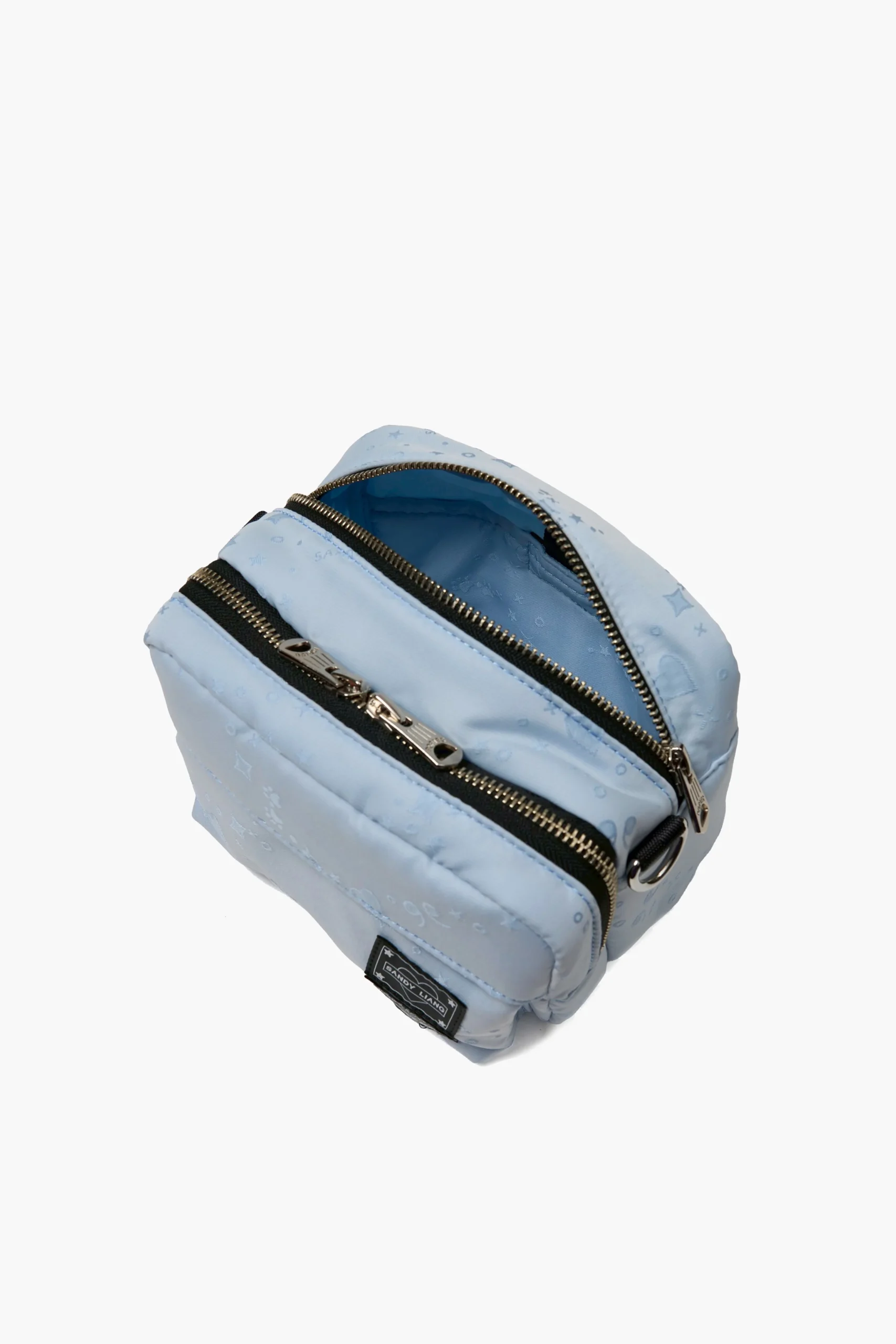
Inside, the bag includes compartments designed to keep essentials organized. Rather than overwhelming the interior with pockets, the layout remains simple and intuitive.
Hardware elements are equally considered. Zippers glide smoothly, pull tabs are easy to grasp, and straps attach through reinforced loops that distribute weight evenly.
Each element contributes to the bag’s central premise: combining artistic design with everyday usability.
show
While the Muffin Bag’s silhouette captures immediate attention, its color palette reinforces its versatility. Many versions appear in understated tones—black, olive, or muted earth shades—that echo Porter’s traditional aesthetic.
These colors allow the unusual shape to remain the focal point. Instead of competing with bright patterns or excessive branding, the bag communicates through form.
At the same time, limited editions may introduce more expressive tones. Soft pastels or contrasting interior linings add subtle personality while maintaining the bag’s refined character.
Branding remains discreet. Small co-branded tags or embroidered logos quietly acknowledge the collaboration without overwhelming the design.
This restraint aligns with both Liang’s minimalist tendencies and Porter’s longstanding philosophy of subtle luxury.
flow
One of the most compelling aspects of the Muffin Bag is its adaptability. The bag exists comfortably within multiple contexts.
In streetwear environments, it pairs naturally with oversized silhouettes, technical outerwear, and sneakers. The rounded shape contrasts with angular garments, adding visual balance to an outfit.
In more refined settings, the bag reads almost like a sculptural object. Its minimal color palette and clean surfaces allow it to complement tailored coats or minimalist ensembles.
This versatility reflects how modern consumers approach accessories. Rather than purchasing separate bags for every occasion, many prefer objects that can transition seamlessly between environments.
The Muffin Bag responds to this reality by offering both personality and practicality.
culture
The partnership between Liang and Porter also highlights a broader shift within fashion culture. Collaborations are no longer merely marketing exercises. Increasingly, they function as creative laboratories.
Established manufacturers gain fresh perspectives from emerging designers, while designers gain access to technical resources that would otherwise be difficult to replicate.
In this merge, Liang’s conceptual approach meets Porter’s manufacturing infrastructure. The outcome feels authentic rather than opportunistic.
limit
Like many collaborations involving Porter, the Muffin Bag carries a certain degree of scarcity. Production runs are often limited, which increases desirability among collectors and fashion enthusiasts.
This exclusivity reflects the realities of Porter’s manufacturing process. Because many stages remain artisanal, large-scale production would compromise quality.
Limited availability also reinforces the bag’s identity as a design object. Rather than flooding the market, the collaboration encourages thoughtful acquisition.
For collectors interested in contemporary fashion design, pieces like the Muffin Bag represent more than accessories—they become markers of a specific moment within design culture.
how
Accessories have become one of the most dynamic segments of the fashion industry. Bags, in particular, offer designers a canvas for experimentation.
In recent years, shapes have grown increasingly unconventional. Puffy silhouettes, inflated forms, and sculptural volumes appear across multiple brands.
The Muffin Bag participates in this movement while maintaining a distinctive identity. Where some designs lean heavily into spectacle, Liang’s interpretation remains controlled and deliberate.
The bag feels whimsical without becoming gimmicky—a difficult balance to achieve.
fin
The Andy Liang x Porter Muffin Bag represents more than an accessory release. It embodies the meeting of two design philosophies: one rooted in imaginative form, the other grounded in technical precision.
Through its rounded silhouette, refined materials, and carefully considered construction, the bag demonstrates how collaboration can generate genuinely new ideas. It invites wearers to rethink what a bag can be—not merely a container for objects, but an object of design in its own right.
In the crowded landscape of fashion collaborations, the Muffin Bag stands apart because it feels purposeful. It is playful without being frivolous, experimental without abandoning practicality.
And in that balance lies its lasting appeal.

No comments yet.