where
On Thailand’s Andaman coastline, far from the saturated rhythm of Phuket’s central districts, the province of Phang Nga unfolds with a quieter cadence. It is here, along the undeveloped stretch of Natai Beach, that Aleenta Phuket-Phang Nga Resort & Spa positions itself—not as spectacle, but as restraint. The property is less than half an hour from Phuket International Airport, yet it feels geographically and psychologically removed from the island’s density.
Within this setting, The SEASONS restaurant emerges not merely as a dining venue, but as a conceptual extension of the resort’s philosophy: grounded, cyclical, and attentive to place. It is a restaurant shaped by time—seasonality, daylight, tide—and by a deliberate refusal of excess.
stir
Phang Nga offers a version of Thailand that feels slowed down. Limestone karsts rise out of still waters, forests remain dense and unfragmented, and the coastline stretches wide without interruption. Unlike Phuket’s high-density resort clusters, Natai Beach remains largely undeveloped—a long, open shoreline shaped more by tide and light than by infrastructure.
Aleenta sits directly on this beach, allowing the environment to dictate the tempo of the stay. Mornings arrive softly, with pale light and minimal sound; evenings stretch into long, uninterrupted sunsets across the Andaman Sea. The experience is not curated through activity, but through proximity—to water, to sky, to silence.
This sense of spatial generosity informs everything that follows, including the culinary identity of The SEASONS.
phil
Aleenta’s design ethos is often summarized as “all suites, all private.” In practice, this translates to a collection of villas and suites that prioritize space, seclusion, and direct engagement with the landscape.
Each accommodation—whether an ocean-view loft or a multi-bedroom beachfront residence—extends outward through floor-to-ceiling glass, private pools, and open-air living areas. The architecture dissolves boundaries between interior and exterior, reinforcing what the brand describes as an “outdoor living-in” philosophy.
This spatial openness becomes critical when understanding The SEASONS. Dining here is not enclosed or detached; it is embedded within the same environmental logic. The restaurant is not an interruption of the landscape, but a continuation of it.
flow
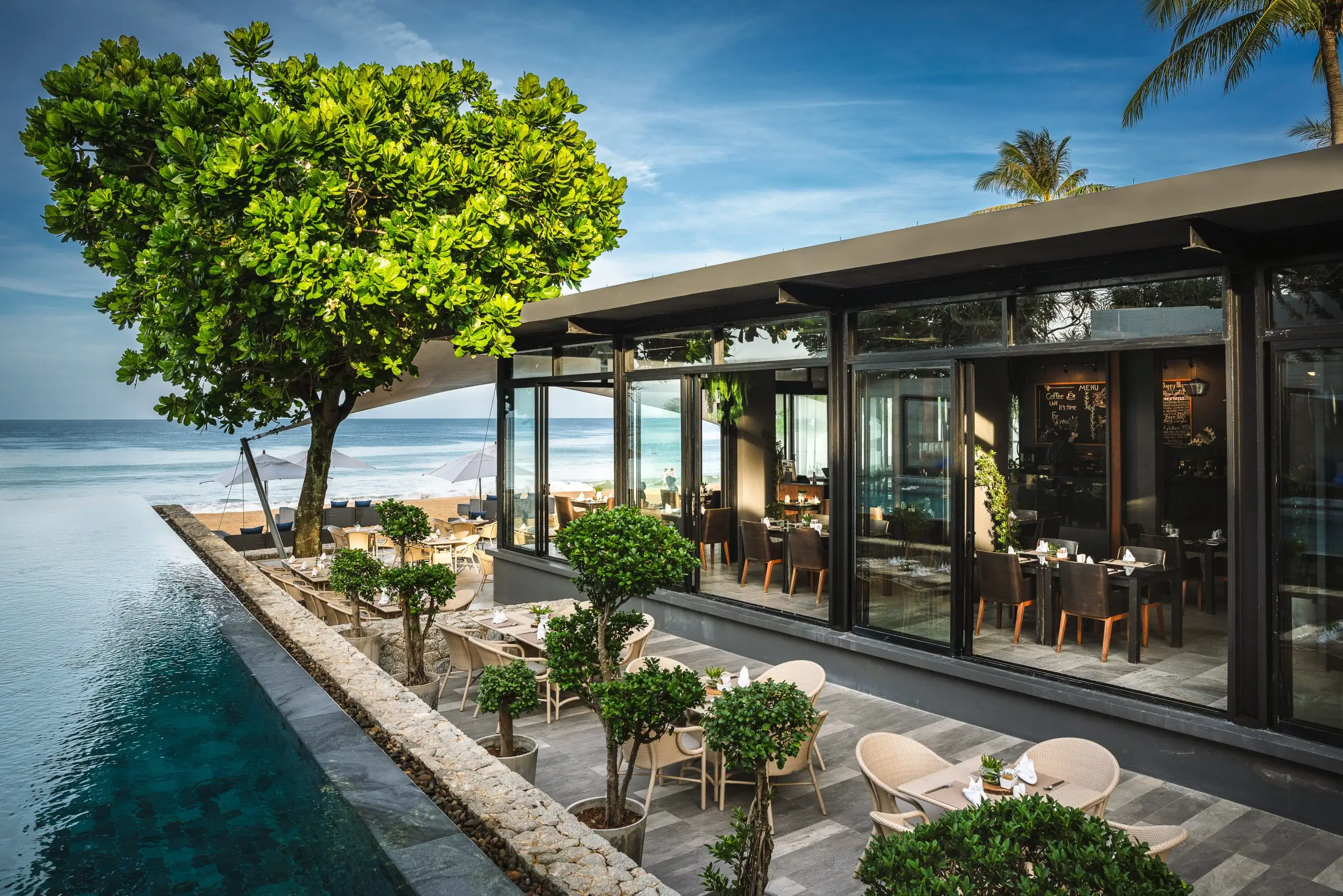
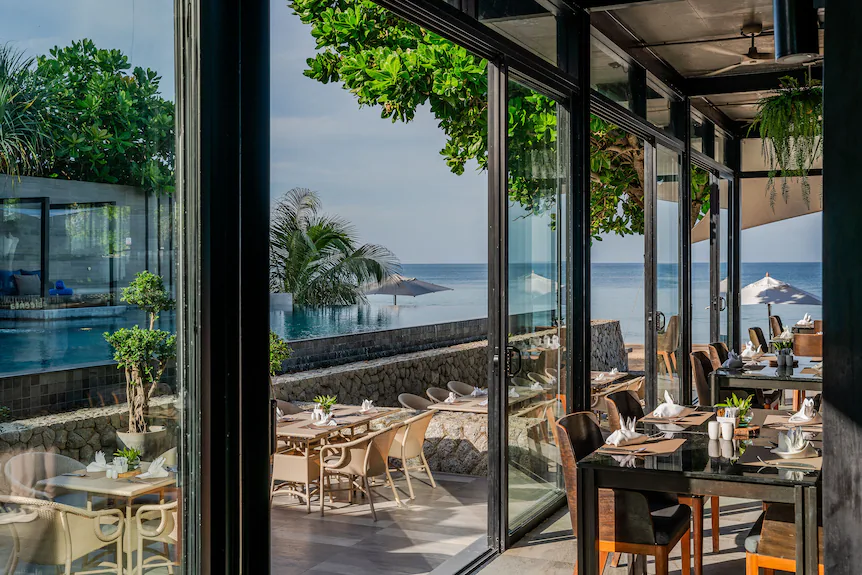
The SEASONS is one of the resort’s two primary dining venues, specializing in Thai cuisine and positioned to overlook both ocean and garden.
Yet its identity extends beyond menu classification. The concept of “seasons” is not merely thematic—it is operational. Ingredients, presentation, and even pacing are informed by seasonal availability and local sourcing. This approach aligns with a broader shift in luxury hospitality: away from imported abundance and toward contextual authenticity.
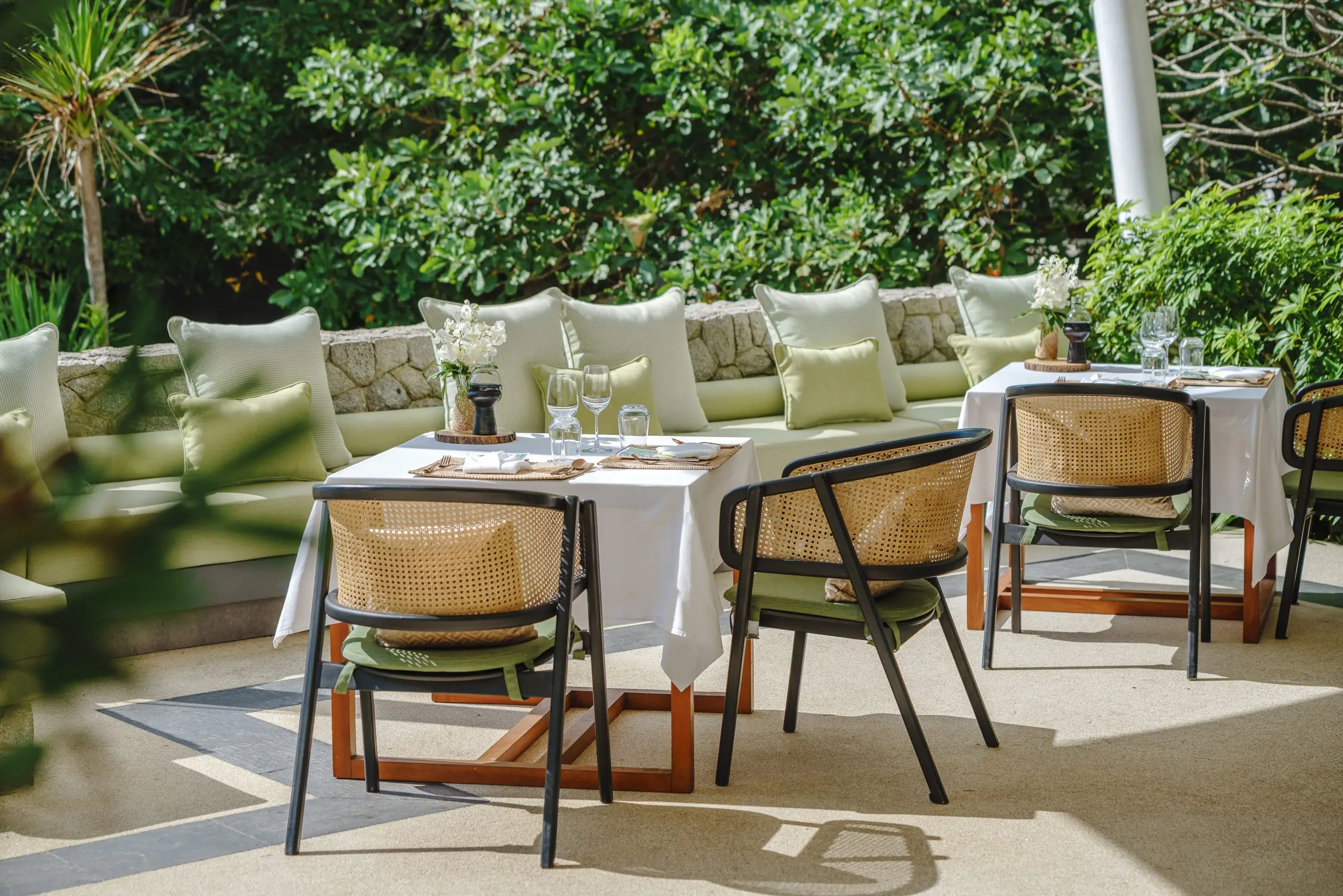
The restaurant’s architecture reflects this philosophy. Open-air seating allows weather, light, and temperature to shape the dining experience. Meals are not insulated from the environment; they are synchronized with it.
In the late afternoon, for example, the space transitions naturally—from bright, open dining to a softer, more ambient setting as the sun lowers. The shift is gradual, unforced, and entirely dependent on natural conditions.
idea
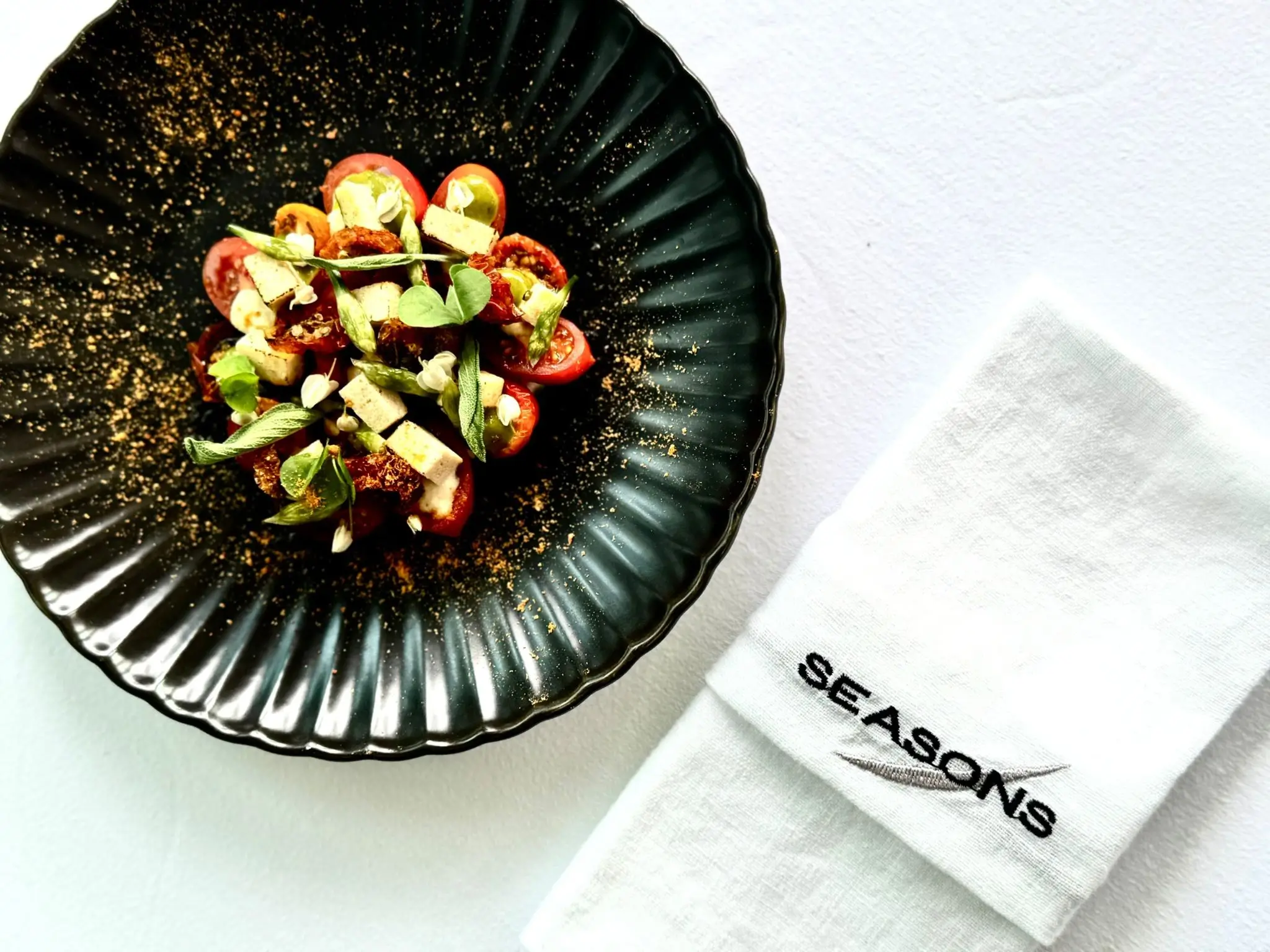
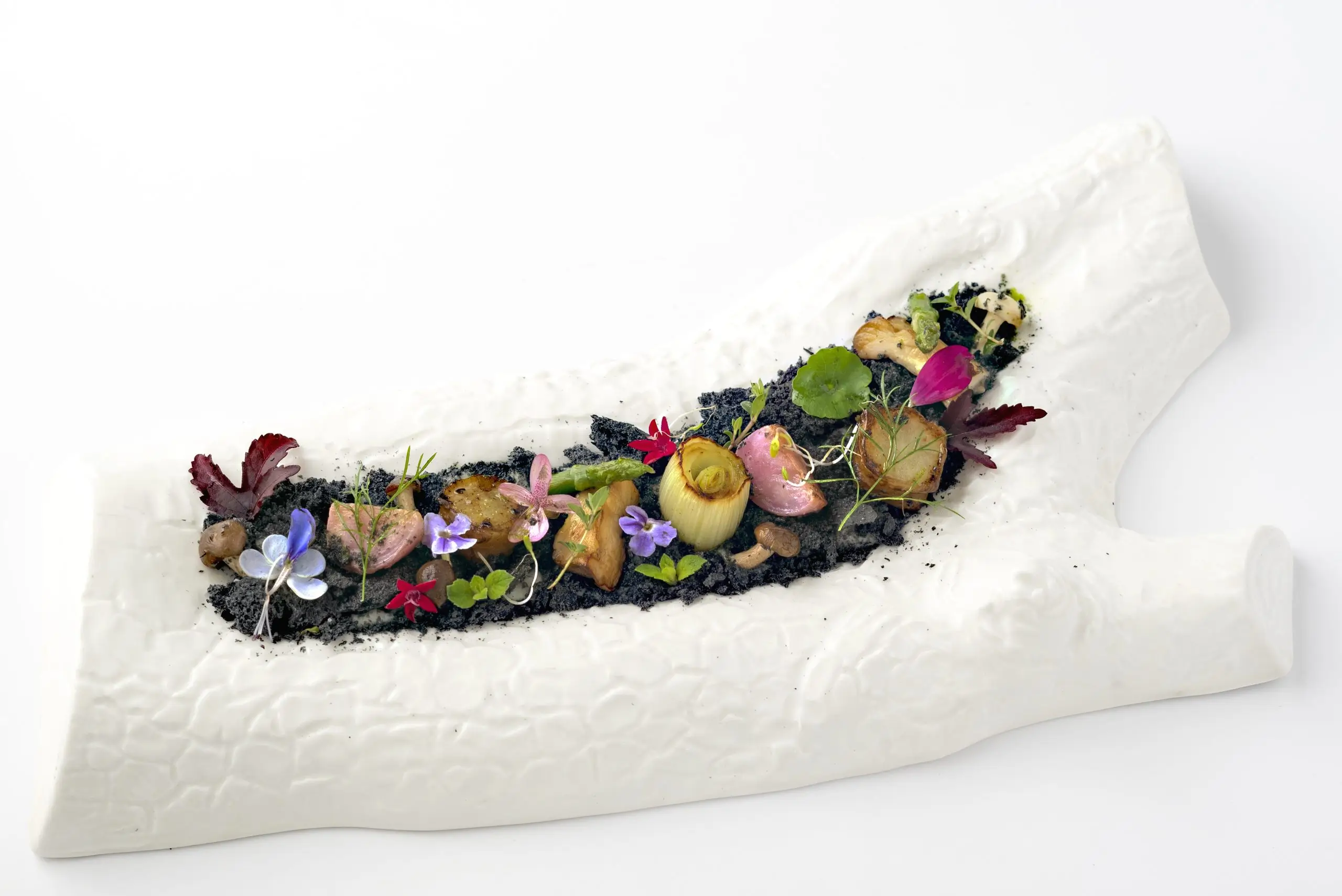
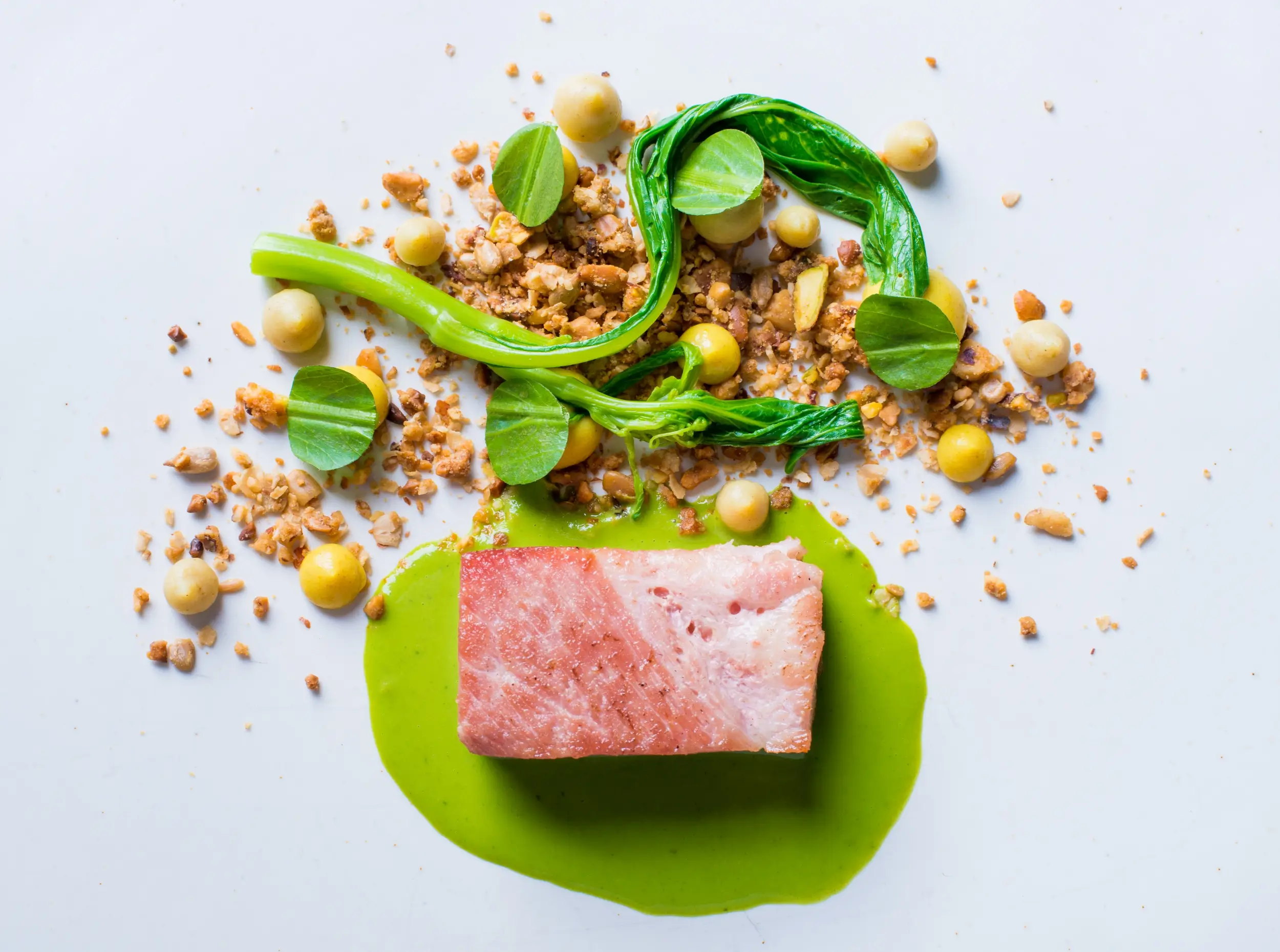
At its core, The SEASONS presents Thai cuisine through a lens of refinement rather than reinvention. Dishes draw from regional traditions, but they are structured with attention to balance, texture, and seasonality.
Recent culinary direction has emphasized a more focused interpretation of Thai flavors, moving toward curated tasting formats that highlight local ingredients in sequence.
This approach reflects a broader evolution in Thai fine dining—where the emphasis is less on spectacle and more on clarity. Ingredients are allowed to speak within their natural context, supported rather than overshadowed by technique.
The result is a menu that feels both grounded and precise. It is not designed to surprise through novelty, but to resonate through familiarity refined.
emotive
Dining at The SEASONS is defined as much by atmosphere as by cuisine. The absence of crowd density—both within the resort and along the beach—creates a rare condition in luxury travel: uninterrupted attention.
There are no competing soundscapes, no adjacent nightlife, no visual clutter. Instead, the dominant sensory elements are environmental:
the sound of water
the movement of wind
the gradual shift of light
This minimalism is intentional. It allows the act of dining to extend beyond consumption into observation. Guests are not simply eating; they are participating in a broader environmental rhythm.
well
Aleenta’s identity is closely tied to wellness, particularly through the Ayurah Spa & Wellness Centre. The spa’s philosophy centers on longevity, combining nutrition, physical activity, mindfulness, and rest into a cohesive framework.
The SEASONS operates within this framework. Its menu is not isolated from wellness programming; it complements it. Plant-forward options, balanced compositions, and lighter preparations align with the resort’s broader emphasis on holistic health.
This integration reflects a shift in luxury hospitality—from indulgence as excess to indulgence as equilibrium. Food becomes part of a system designed to restore rather than overwhelm.
amb
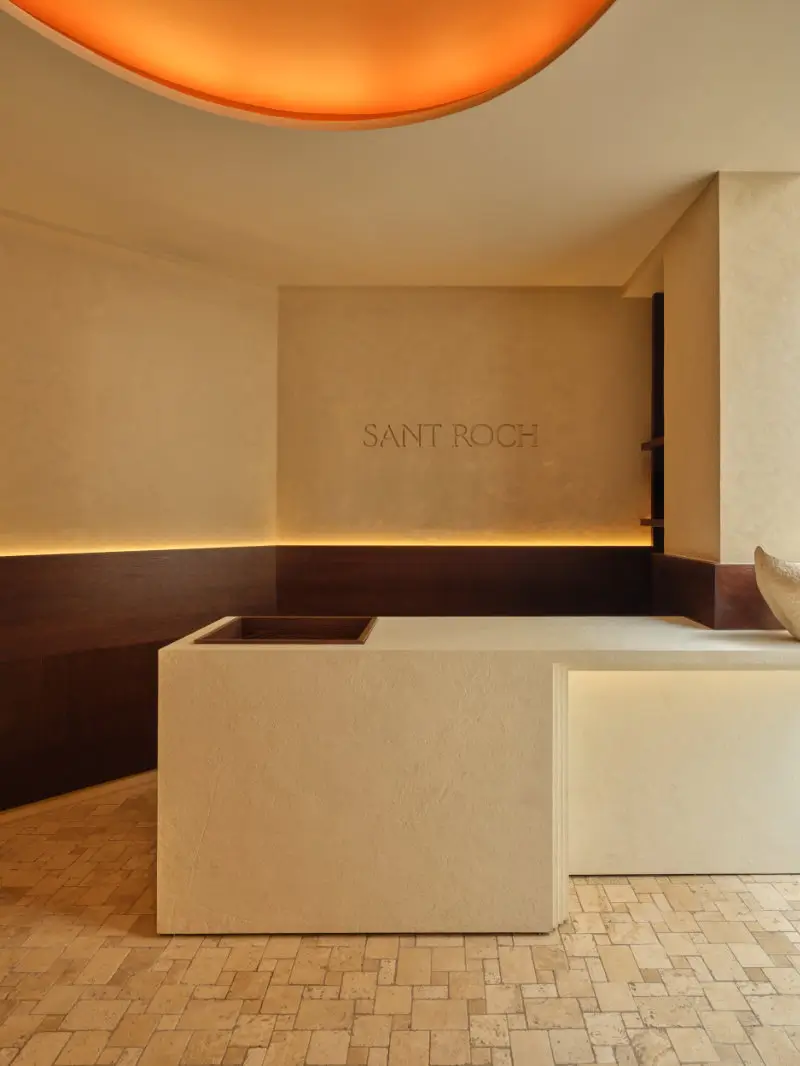
The physical design of The SEASONS mirrors the resort’s overall aesthetic: contemporary, minimal, and materially grounded.
Natural textures—wood, stone, linen—anchor the space, while neutral tones allow the surrounding environment to dominate visually. The absence of heavy ornamentation ensures that attention remains outward, toward the ocean and sky.
Lighting is similarly restrained. Rather than dramatic installations, the restaurant relies on ambient illumination that shifts with time. At dusk, the transition from natural to artificial light is nearly imperceptible.
This design approach reinforces a key principle: the environment is the primary feature. Everything else is secondary.
live
One of Aleenta’s defining characteristics is privacy. With a relatively limited number of suites and villas, the resort avoids the density typical of larger properties.
This extends directly to The SEASONS. Tables are spaced generously, service is unobtrusive, and the overall pace is unhurried.
In a broader sense, this reflects a redefinition of luxury. Where once it was associated with scale and visibility, it is increasingly tied to discretion and space.
At The SEASONS, luxury is not announced—it is implied through absence:
absence of noise
absence of crowding
absence of urgency
fwd
Thailand’s luxury hospitality sector has undergone significant evolution over the past decade.
Where once the emphasis was on scale—large resorts, extensive amenities, visible opulence—the current trajectory favors intimacy, authenticity, and contextual design.
Aleenta Phuket-Phang Nga sits firmly within this shift. Its scale is controlled, its design restrained, and its experiences rooted in place rather than abstraction.
The SEASONS, as part of this ecosystem, reflects the same priorities. It is not a destination restaurant in the conventional sense; it is a component of a larger, integrated experience.
con
The SEASONS at Aleenta Phuket-Phang Nga is not defined by singular features. It does not rely on spectacle, innovation, or excess to establish its identity.
Instead, it operates through alignment—with environment, with season, with philosophy.
In doing so, it offers a form of luxury that feels increasingly relevant: quiet, precise, and deeply connected to place.
Within the broader landscape of Thailand’s hospitality industry, The SEASONS represents a subtle but significant shift. It suggests that the future of luxury may not lie in amplification, but in reduction—in the careful removal of everything that distracts from what matters.
Here, on the edge of Natai Beach, that reduction reveals something enduring:
the value of stillness
the rhythm of seasonality
the possibility of presence
And in that presence, The SEASONS finds its purpose.