Parra x OTW Old Skool 36 “Marshmallow”: Review

March 17, 2026
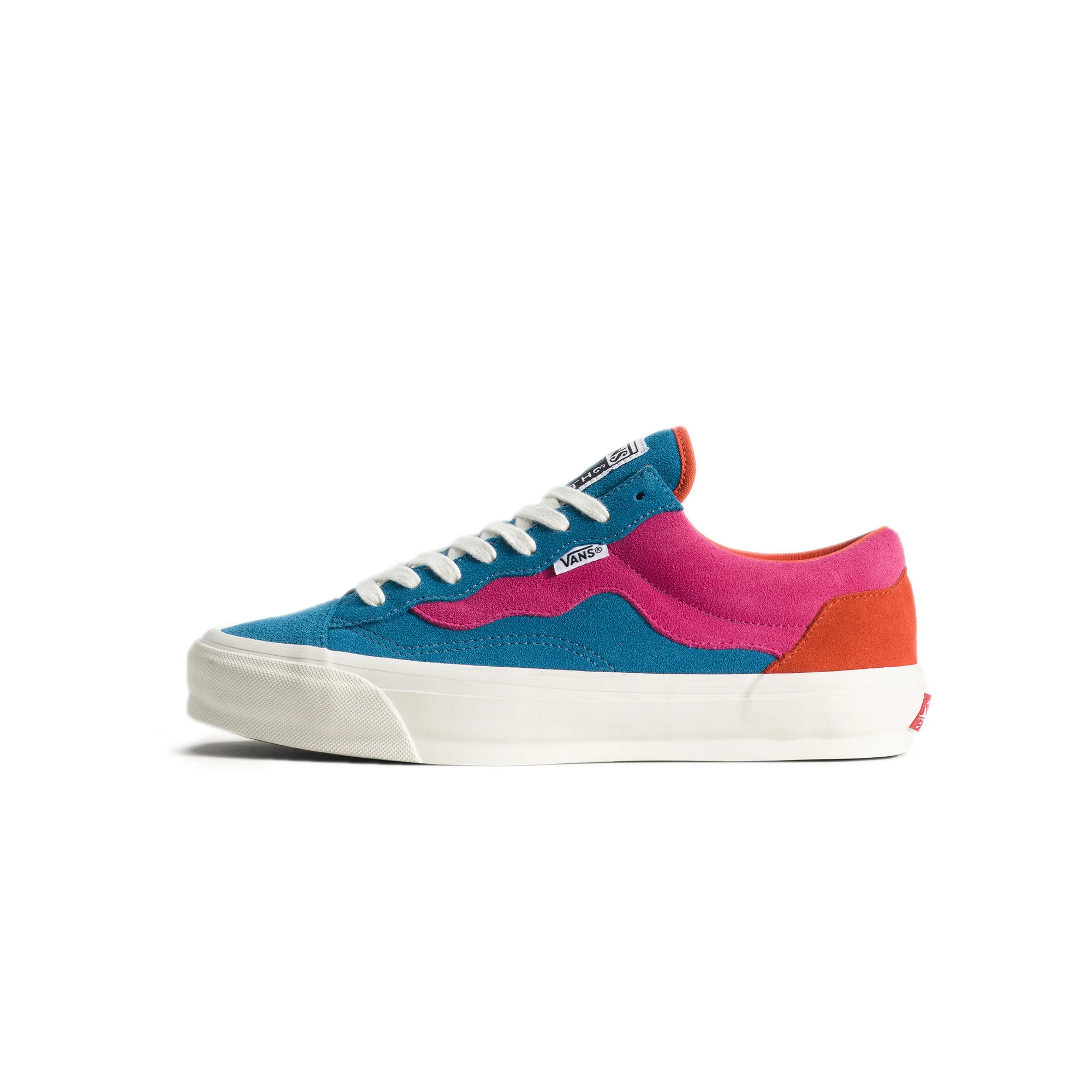
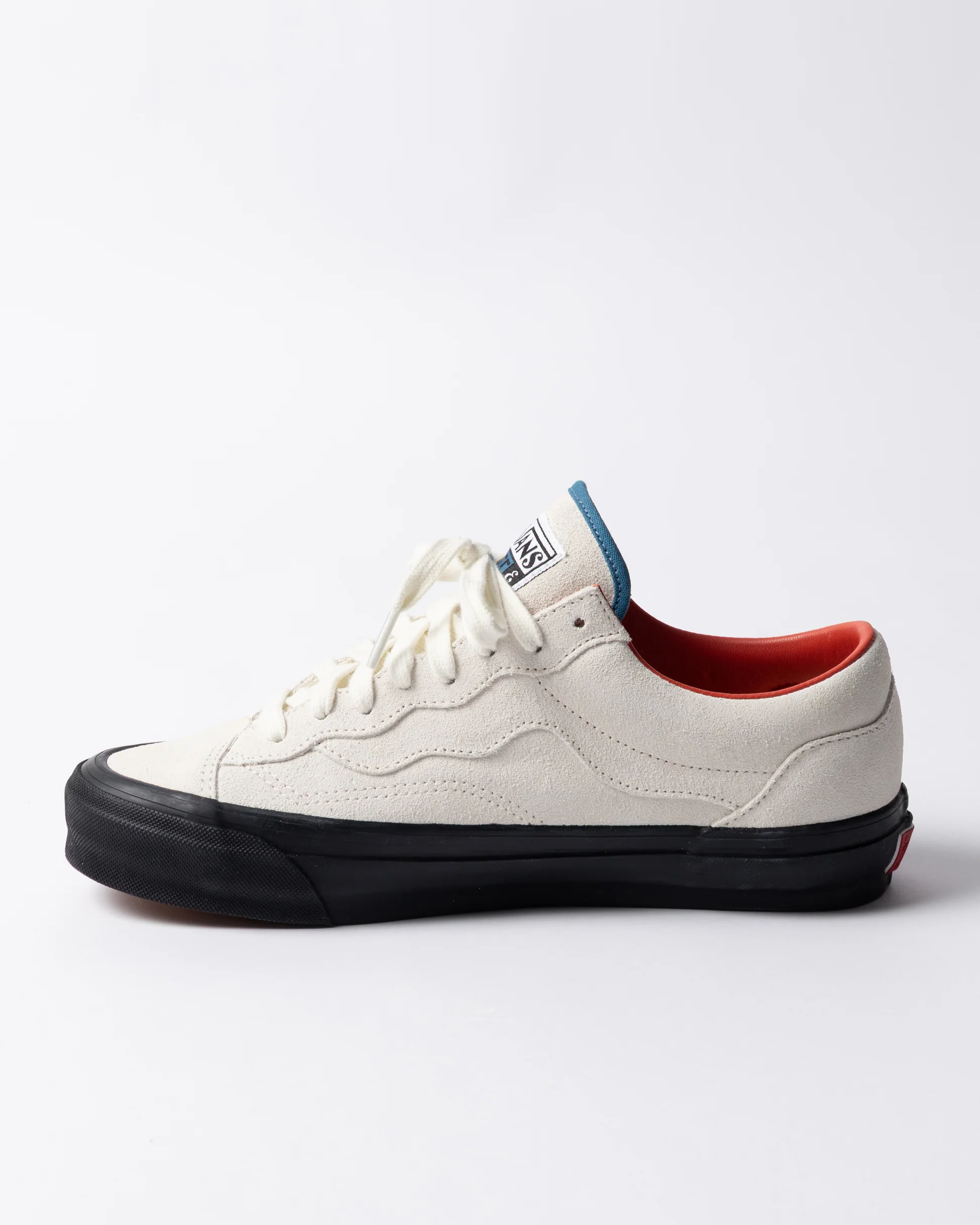
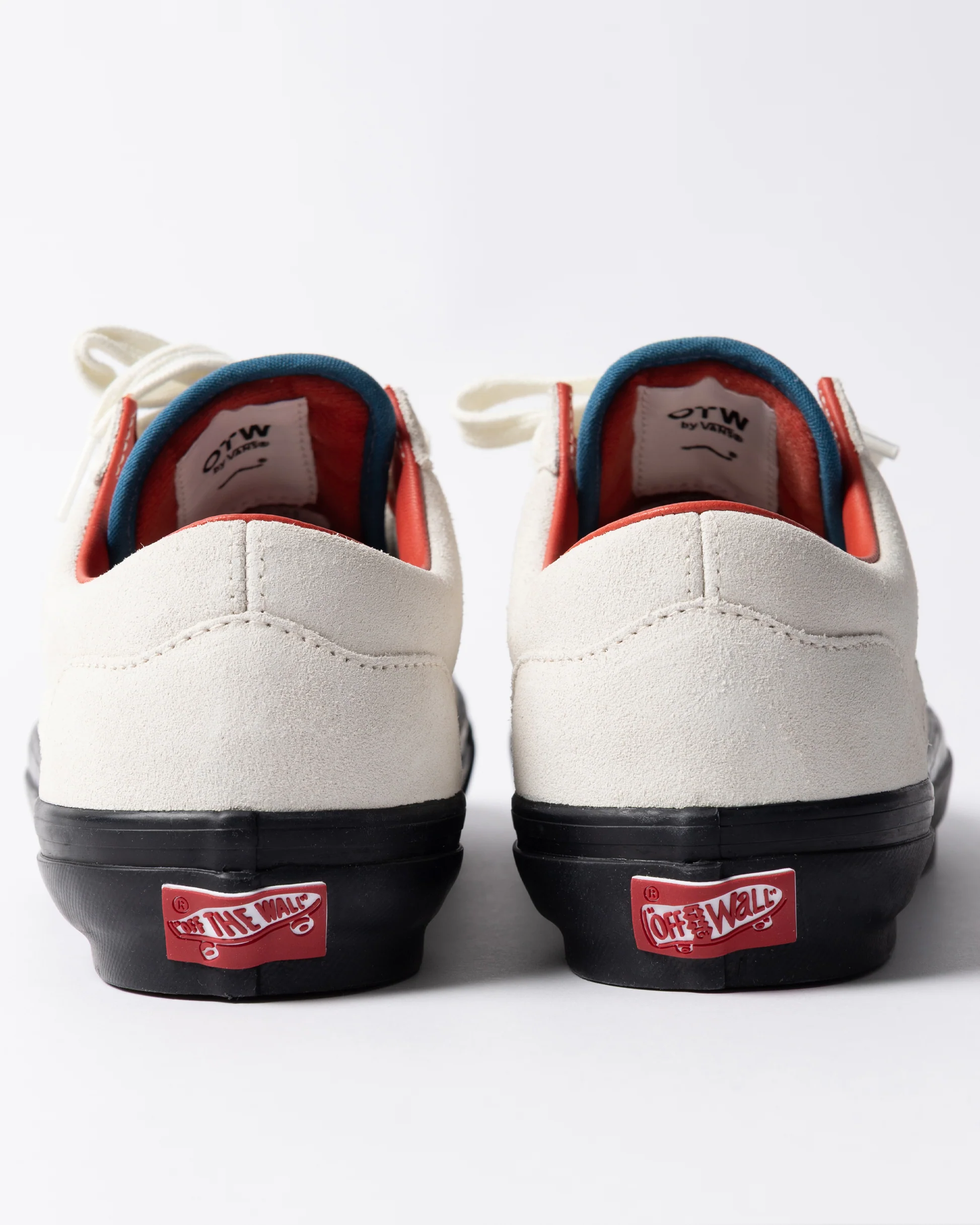
There are updates that announce themselves, and there are those that almost pass quietly—noticed only by those attentive to nuance. The OTW® Old Skool 36 PP Parra “Marshmallow”, as referenced in the March 16, 2026 note from Sneaker Freaker, belongs firmly to the latter. It is not a reinvention, nor a dramatic pivot. It is, instead, a careful recalibration of an already established idea—one that reveals itself most clearly through a single phrase: quad-toned iteration.
To focus solely on that mention is to understand the update in its purest form. Not as hype, not as rollout strategy, but as design.
define
At face value, “quad-toned” suggests a straightforward condition: four colors applied across the shoe. Yet in this instance, the term carries a more deliberate implication. It is not about quantity of color, but about relationship between tones.
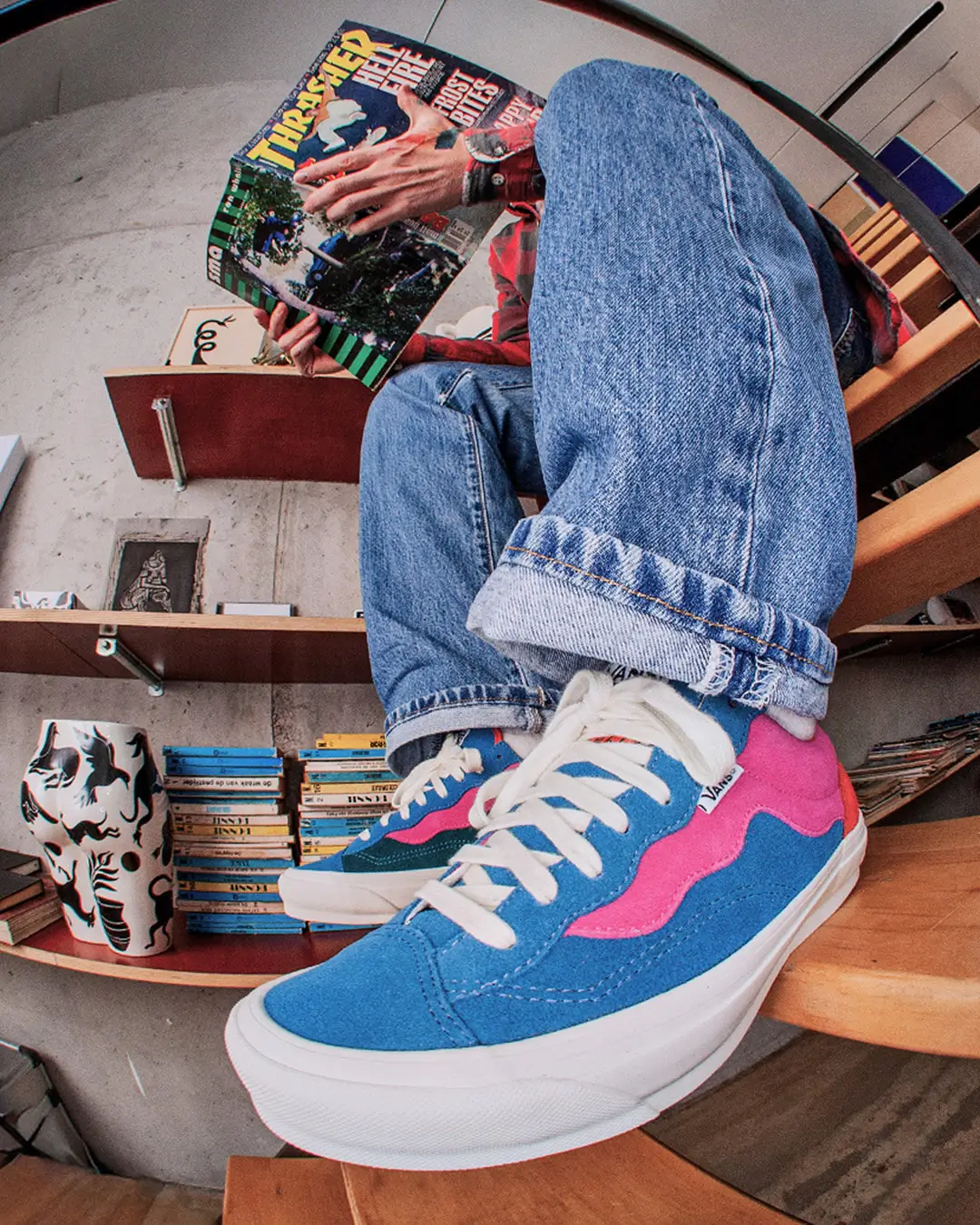
The earlier iteration of the Old Skool 36 PP Parra employed multiple colors as points of tension. Each panel seemed to operate independently, asserting its own identity within the composition. Blue opposed pink, orange interrupted black, and the overall structure felt intentionally unsettled. The visual experience was immediate, almost abrupt.
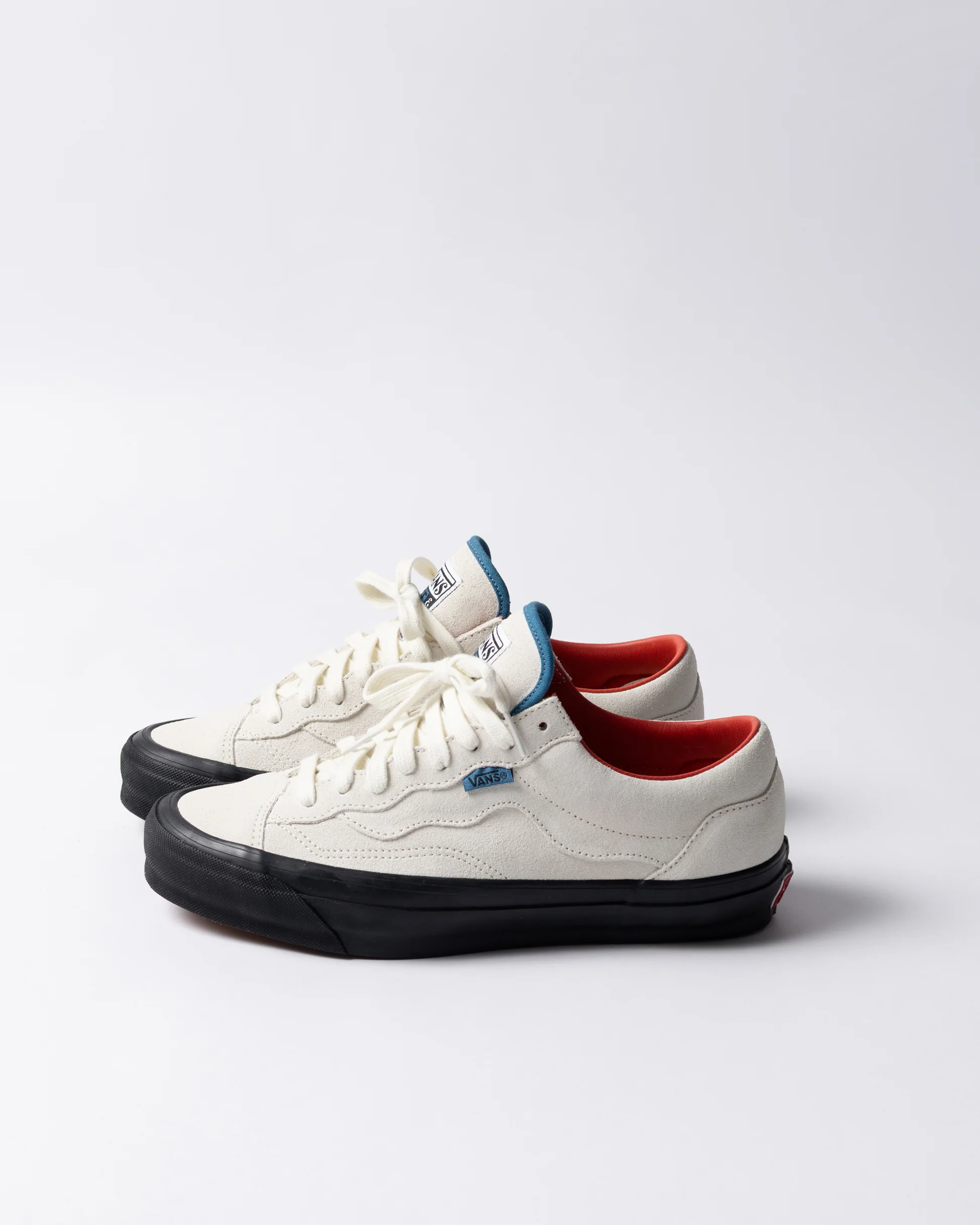
The Marshmallow update retains multiplicity, but dissolves that tension. The four tones now operate within a narrower spectrum. They are no longer oppositional; they are adjacent. Cream softens the base. Pink settles into dominance without overwhelming. Secondary hues recede into support. Even darker elements, such as the outsole, function less as contrast and more as grounding.
In this sense, “quad-toned” becomes less about segmentation and more about continuity. The colors do not collide. They converse.
View this post on Instagram
a shift
This is the essential transformation. Where the initial release relied on contrast as its defining mechanism, the Marshmallow version replaces it with cohesion. The difference is subtle in construction but profound in perception.
Contrast demands attention. Cohesion invites observation.
The updated shoe no longer insists on being seen from a distance. Its complexity reveals itself gradually, through proximity. The wavy paneling—Parra’s unmistakable signature—remains intact, yet its presence feels integrated rather than imposed. The lines flow with the silhouette instead of interrupting it.
This adjustment alters the entire reading of the shoe. It moves from a composition of parts to a unified surface.
style
The term “Marshmallow” operates as more than a color descriptor. It defines a condition of softness—visual, tonal, and conceptual. The palette leans toward off-whites, creams, and softened saturations, creating a field in which transitions become less visible and more intuitive.
Softness, in this context, is not a reduction of identity. It is a method of control. By limiting extremes, the design gains stability. The eye is no longer pulled in multiple directions. Instead, it follows the natural rhythm of the form.
This is where the Marshmallow iteration distinguishes itself most clearly. It does not remove complexity; it organizes it.
flow
Despite these adjustments, the underlying structure remains unchanged. The Old Skool 36 silhouette persists, as does the removal of the traditional Sidestripe in favor of Parra’s wave motif. The materials—suede, vulcanized rubber, and internal cushioning—continue to define the build.
Yet the perception of that structure shifts. In the earlier version, the silhouette was obscured, almost secondary to the artwork. In the Marshmallow update, it re-emerges. The proportions become legible again. The shoe reads, once more, as an Old Skool—albeit one transformed.
This restoration of form is not a retreat. It is a recalibration of balance between identity and expression.
culture
The phrasing from Sneaker Freaker—“snap, crackle and Parra”—suggests movement, energy, a kind of visual sound. In the Marshmallow iteration, that rhythm is still present, but it is subdued. The “snap” is softened, the “crackle” becomes texture, and the “pop” is internalized.
The shoe does not lose its dynamism; it changes its tempo.
This quieter rhythm aligns with a broader shift in design sensibility, where longevity and adaptability take precedence over immediate impact. The Marshmallow Old Skool 36 is not designed to dominate a moment. It is designed to persist beyond it.
cont
Focusing solely on the mention also reveals another layer: the idea of continuity. By describing this as “another collaborative OTW by Vans Old Skool,” the update is framed not as an isolated release, but as part of an ongoing sequence.
The Marshmallow version, then, becomes a second articulation of the same language. It demonstrates that the design can evolve without losing coherence. That Parra’s visual vocabulary can exist within different tonal frameworks while maintaining its identity.
This is where the significance lies—not in novelty, but in consistency across variation.
refine
What distinguishes this update is its discipline. It resists the impulse to escalate. Instead of adding, it adjusts. Instead of amplifying, it refines.
The result is a shoe that feels resolved. Not in the sense of finality, but in the sense of balance. The elements align. The tensions ease. The composition settles into itself.
This is a different kind of achievement. One that is less visible at first glance, but more enduring over time.
fin
To remain within the scope of that single mention is to recognize its precision. “Quad-toned iteration” encapsulates the entire shift:
-
multiple colors, but harmonized
-
complex structure, but unified
-
expressive origin, but controlled execution
The OTW® Old Skool 36 PP Parra “Marshmallow” does not seek to redefine the original idea. It seeks to clarify it. In doing so, it reveals the potential of refinement as a design strategy—one where subtlety carries as much weight as spectacle, and where the evolution of a concept is measured not by how much it changes, but by how well it holds together.