V for Vendetta — Behind the Scenes: The Art, Politics, and Performance Behind the Mask

March 18, 2026
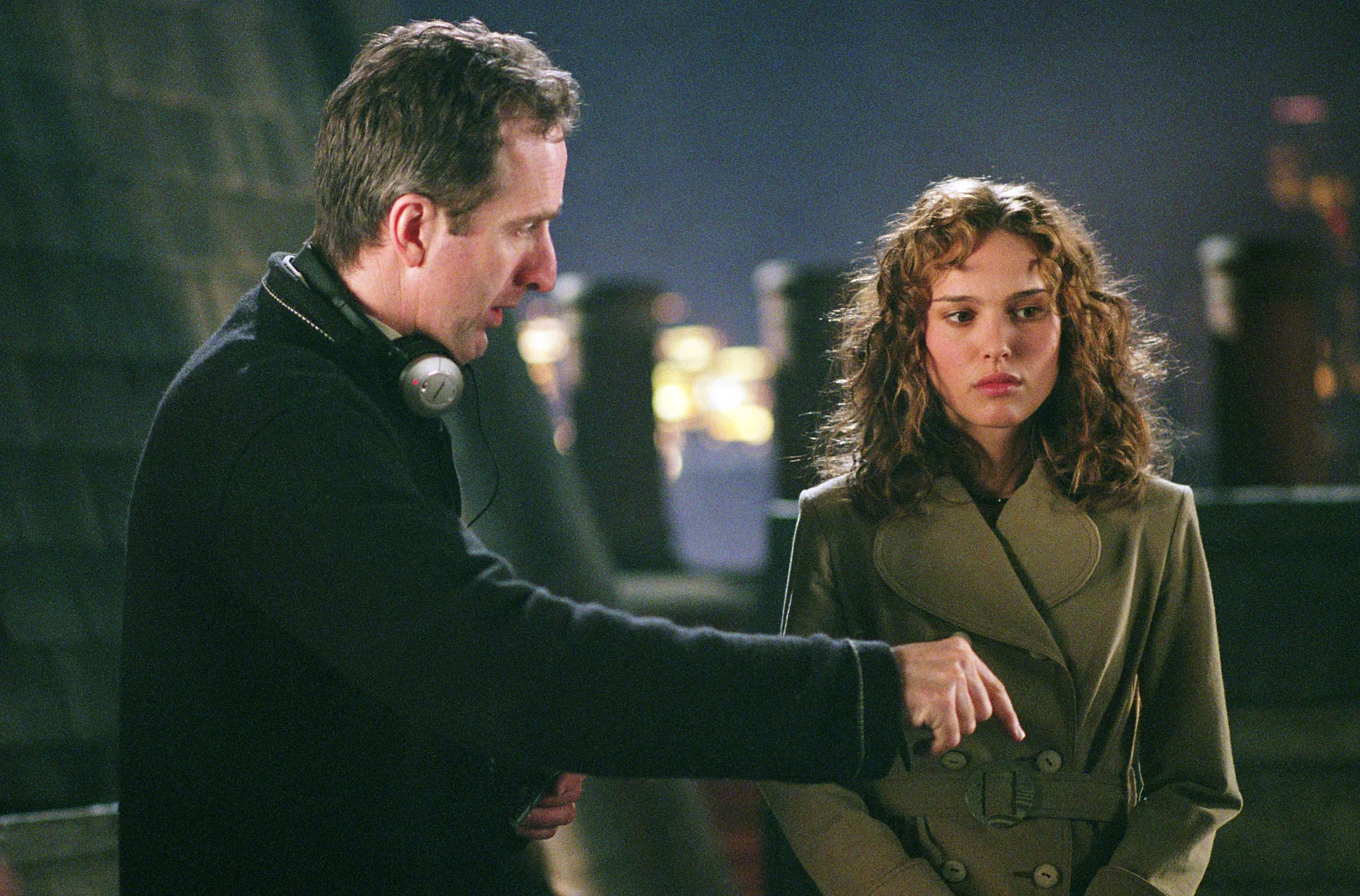
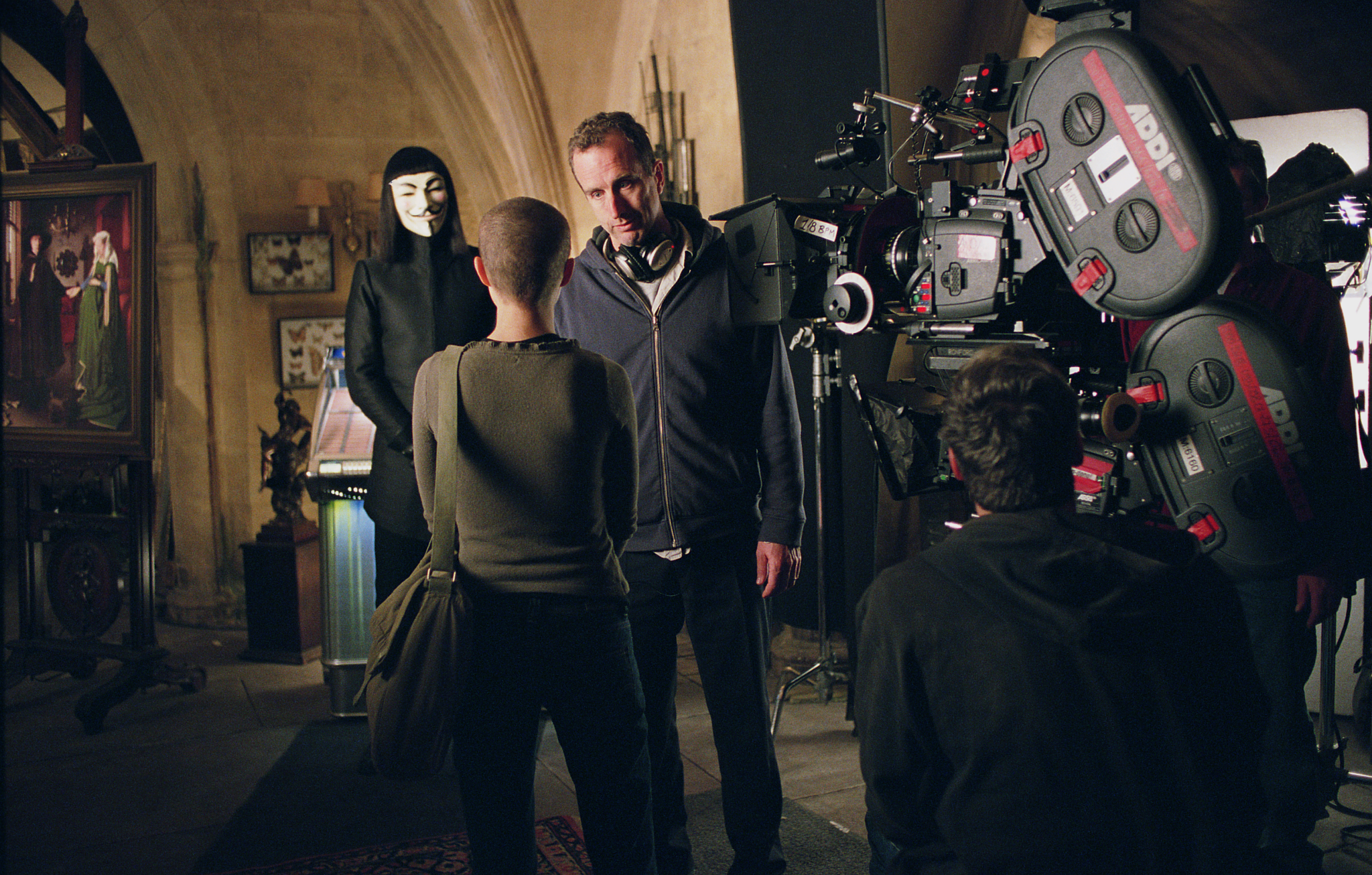
Two decades after its release, V for Vendetta remains one of the most culturally persistent works of 21st-century cinema. What began as an adaptation of V for Vendetta and David Lloyd evolved into something larger: a cinematic language for dissent, a visual shorthand for resistance, and a paradoxical studio film that challenged the very structures that produced it.
To revisit the film at 20 years is to trace not just its making, but its transformation—from controversial release to enduring symbol. This oral history reconstructs that journey through the voices of those who shaped it: the Wachowskis, director James McTeigue, and actors Natalie Portman, Hugo Weaving, Stephen Rea, and Natasha Wightman—alongside the production realities that defined its tone, risks, and legacy.
flow
James McTeigue (Director)
“When I first came onto the project, it was already clear this wasn’t a straightforward adaptation. The graphic novel is dense, political, unapologetically British. The question wasn’t how to replicate it—it was how to translate its spirit without losing its edge.”
The Wachowskis, fresh off redefining sci-fi with The Matrix, approached V for Vendetta less as an adaptation and more as a reinterpretation. Their screenplay distilled the sprawling narrative into a focused arc centered on identity, authoritarianism, and transformation.
The Wachowskis (Writers, Producers)
“We weren’t interested in making something safe. The book is about power—who has it, who resists it, and what it costs. That’s universal, but it needed a contemporary lens.”
Set against a near-future Britain ruled by a fascist regime, the film was developed in the early 2000s—a period marked by post-9/11 geopolitics, surveillance anxieties, and escalating debates around civil liberties. These contexts quietly informed the script, even as the film avoided direct allegory.
evey
Natalie Portman (Evey Hammond)
“I was drawn to Evey because she isn’t a hero at the start. She’s scared, reactive. Her journey is about confronting fear—about becoming someone who can stand for something.”
Portman’s performance anchors the film’s emotional core. Her transformation from hesitant citizen to ideological participant mirrors the film’s broader themes of awakening and resistance.
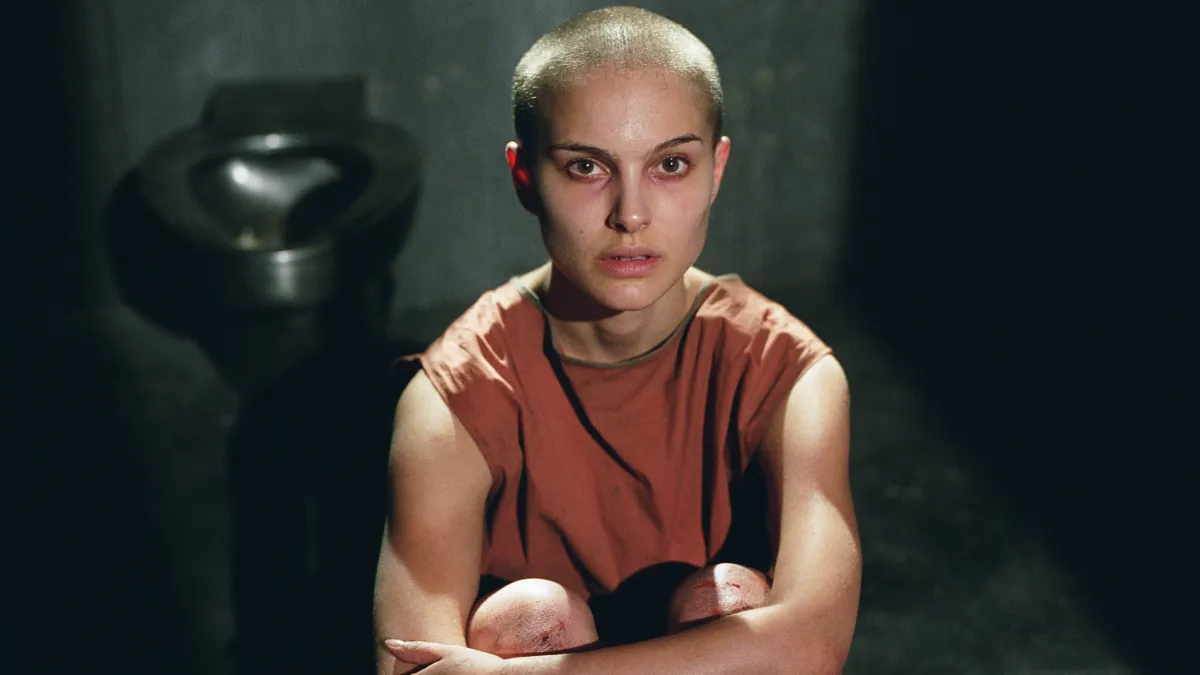
One of the most discussed aspects of her role remains the head-shaving scene—performed on camera in a single take.
Natalie Portman
“There was no cutting away. It had to be real. It wasn’t just physical—it was about surrendering control. That’s what Evey experiences. You see it happen.”
The scene became emblematic of the film’s commitment to authenticity, even within its stylized framework.
cast
Replacing James Purefoy with Hugo Weaving early in production was one of the film’s most pivotal decisions. Purefoy departed due to creative differences, particularly around performing behind the mask.
James McTeigue
“The role of V is incredibly specific. You’re acting without your face, without conventional expression. It demands precision in voice, posture, rhythm.”
Weaving, who recorded much of his dialogue in post-production, transformed the challenge into a defining feature.
Hugo Weaving (V)
“The mask frees you and restricts you at the same time. You have to project everything through voice and body. It becomes almost theatrical.”
The now-iconic Guy Fawkes mask—originally a historical symbol, later popularized through the graphic novel—was redesigned for the film to balance anonymity with expressiveness.
The Wachowskis
“The mask had to be a character. It couldn’t just sit there—it had to feel alive.”
That balance proved crucial. Over time, the mask transcended the film, becoming a global emblem of protest movements—from Anonymous to Occupy.
rea
Stephen Rea (Inspector Finch)
“Finch isn’t a villain. He’s a man inside a system, trying to understand it. That’s what makes him interesting—he’s not certain.”
Rea’s performance adds nuance to the film’s depiction of authority. Rather than presenting a monolithic antagonist, V for Vendetta explores the internal contradictions within oppressive systems.
Stephen Rea
“There’s a moment where Finch realizes the system is built on fear. That realization changes him. It’s subtle, but it’s everything.”
the resist/memory
Perhaps the film’s most emotionally resonant sequence is the Valerie Page letter—a monologue recounting the life and persecution of a lesbian woman under the regime.
Natasha Wightman (Valerie Page)
“That scene wasn’t just about storytelling. It was about dignity. About preserving identity in the face of erasure.”
The sequence, adapted from the graphic novel, faced scrutiny during production.
James McTeigue
“There were conversations—especially from the studio—about whether it was too much, too direct. But we felt it was essential. It’s the heart of the film.”
The Wachowskis
“You can’t tell a story about oppression and then soften it. Valerie’s story is what gives Evey—and the audience—a reason to believe in resistance.”
The scene remains one of the film’s most powerful moments, often cited as a turning point in Evey’s transformation.
rel
Produced by Warner Bros., the film existed in a delicate balance between mainstream distribution and subversive content.
Originally slated for a late 2005 release, V for Vendetta was delayed until March 2006—partly due to sensitivities around its themes.
James McTeigue
“There was definitely concern about how audiences would receive it. It’s not a typical blockbuster. It asks questions that don’t have easy answers.”
Despite these concerns, the film found a receptive audience, grossing over $130 million worldwide and gradually building a devoted following.
theme
The film’s visual identity—sterile, controlled, yet eerily familiar—was central to its impact.
James McTeigue
“We wanted the world to feel plausible. Not exaggerated, not futuristic—just close enough to reality to be unsettling.”
Shot primarily in Berlin, the production utilized real locations and practical sets to ground the narrative.
The contrast between V’s hidden lair—filled with art, music, and cultural artifacts—and the regime’s cold, minimalist environments reinforces the film’s thematic dichotomy: individuality versus control.
complex
Although McTeigue directed, the Wachowskis’ influence is unmistakable.
James McTeigue
“They were involved at every stage—writing, editing, shaping the tone. It was a true collaboration.”
Their approach emphasized clarity of theme over fidelity to source material, resulting in a film that diverges from the graphic novel while preserving its ideological core.
recept
Upon release, V for Vendetta received mixed critical responses. Some praised its ambition; others questioned its political messaging.
Over time, however, its reputation shifted.
The Guy Fawkes mask became a global symbol of protest. Lines like “People should not be afraid of their governments” entered the cultural lexicon. The film’s themes—surveillance, authoritarianism, resistance—proved increasingly relevant.
Hugo Weaving
“You don’t make something expecting it to become a symbol. That’s something audiences decide.”
leg
Twenty years later, the film’s influence extends far beyond cinema.
It exists in street protests, digital culture, fashion, and political discourse. Its imagery has been recontextualized countless times, often detached from its original narrative yet retaining its symbolic power.
Natalie Portman
“It’s strange, seeing how it’s lived on. It means different things to different people—that’s what makes it powerful.”
film
What makes V for Vendetta endure is not just its aesthetics or performances, but its refusal to offer simple answers.
It presents resistance as both necessary and complicated. It explores identity as something constructed, challenged, and ultimately chosen. It acknowledges the cost of change without diminishing its importance.
The Wachowskis
“The idea was never to tell people what to think. It was to ask them to think.”
sum
At 20 years old, V for Vendetta feels less like a relic and more like a living text—one that continues to evolve as the world around it changes.
Its journey—from controversial adaptation to cultural touchstone—reflects the very themes it explores: transformation, resistance, and the enduring power of ideas.
Or, as V himself puts it:
“Beneath this mask there is more than flesh. Beneath this mask there is an idea… and ideas are bulletproof.”