BTS’ Jung Kook Orchid Vinyl Is the Arirang Drop — Limited Vinyl

March 18, 2026
archive
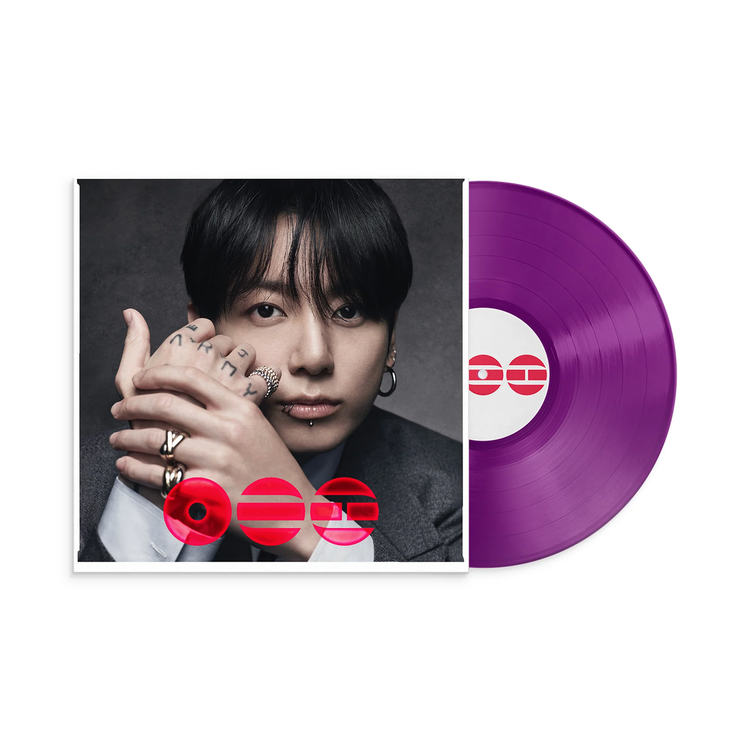
In a move that feels both culturally rooted and visually forward, BTS has unveiled a special-edition vinyl release of their Arirang project—this time bathed in a striking hue dubbed “Jung Kook Orchid.” The announcement arrives with immediate preorders, triggering a familiar global response: servers strain, timelines flood, and collectors begin calculating how quickly this pressing will disappear.
The phrase “Jung Kook Orchid” isn’t just a colorway—it’s a narrative device. It merges the soft, emotive tonality associated with Jung Kook with a symbolic palette that extends beyond aesthetics into identity, memory, and cultural translation. In the context of Arirang, a project rooted in one of Korea’s most enduring folk songs, the color becomes a bridge between past and present.
This is not simply a vinyl drop. It is BTS continuing to refine how music, design, and cultural storytelling converge in the physical era.
View this post on Instagram
visit
At its core, Arirang is not just an album—it is an interpretation of a song that has existed in countless variations across Korean history. Often described as the unofficial national anthem of Korea, Arirang carries themes of separation, longing, resilience, and quiet hope.
For BTS, engaging with Arirang is both a creative and cultural act. The group has long navigated the balance between global pop dominance and deep Korean identity, and this project reinforces that duality. Rather than presenting a museum-like preservation, they reinterpret the spirit of Arirang through modern production, layered vocals, and emotional pacing that aligns with their discography.
The vinyl format enhances this intention. Unlike streaming, vinyl demands presence. It asks the listener to sit with the music, to experience it as a continuous emotional arc. In doing so, BTS transforms Arirang from a cultural reference into a lived, tactile experience.
flow
The introduction of “Jung Kook Orchid” as a defining visual element marks one of the most intriguing aspects of this release. Purple has long been associated with BTS and their fandom, largely stemming from Jung Kook’s now-iconic phrase, “I purple you,” which reframed the color as a symbol of trust and enduring connection.
But “Jung Kook Orchid” evolves that meaning. It is more nuanced—less saturated than royal purple, more organic, almost floral in tone. The orchid reference introduces ideas of delicacy, rarity, and quiet strength. In many cultures, orchids symbolize refinement and resilience, aligning seamlessly with Jung Kook’s artistic trajectory.
As a solo artist and as part of BTS, Jung Kook has increasingly embodied a balance between vulnerability and control. This color reflects that duality. It is soft, but intentional. Emotional, but composed.
On the vinyl itself, the shade appears in translucent pressings, sleeve gradients, and inner artwork accents. Under light, the record shifts subtly—sometimes deeper, sometimes lighter—mirroring the emotional shifts within Arirang.
stir
The resurgence of vinyl in the streaming era is often framed as nostalgia, but BTS approaches it differently. For them, vinyl is not about looking backward—it is about deepening engagement.
This Arirang special edition leans into that philosophy. The packaging is expected to include:
A heavyweight gatefold sleeve with textured finishes
Archival-style inserts that reinterpret traditional Korean motifs
Lyric sheets presented in both Hangul and English transliteration
Photographic stills that lean into the “orchid” palette
Each element reinforces the idea that this is a collectible artifact rather than a disposable product. It is designed to be held, examined, and revisited.
In an industry increasingly driven by digital immediacy, BTS continues to invest in physical storytelling. The result is a product that feels deliberate—almost ceremonial.
anticip
The preorder launch has already demonstrated the scale of BTS’s global reach. Within hours, multiple retail platforms reported high traffic spikes, with early indicators suggesting that the “Jung Kook Orchid” edition could become one of the fastest-selling vinyl releases in K-pop history.
Part of this demand is driven by scarcity. Special editions from BTS often operate within limited production windows, creating urgency among collectors. But beyond scarcity, there is a deeper motivation: fans recognize that each release represents a distinct chapter in the group’s evolving narrative.
Owning the vinyl is not just about access to music—it is about participating in that narrative.
role
While BTS has always functioned as a collective, individual members have increasingly shaped distinct creative identities. Jung Kook’s influence, in particular, has expanded significantly in recent years.
From vocal direction to visual branding, his presence is felt not just in performance but in concept development. The naming of the color “Jung Kook Orchid” signals this shift. It acknowledges his role not only as a performer but as a cultural and aesthetic contributor.
This does not fragment BTS—it enriches it. The group’s strength lies in its ability to integrate individual perspectives into a cohesive whole. In this case, Jung Kook’s sensibility becomes a lens through which Arirang is reframed.
lang
What BTS achieves with this release is part of a broader evolution within K-pop: the transformation of albums into design objects. No longer confined to jewel cases or standard packaging, albums are now immersive experiences that merge music, fashion, and visual art.
The “Jung Kook Orchid” vinyl exemplifies this shift. Its design language aligns more closely with contemporary art editions or high-end fashion drops than traditional music releases.
This convergence is not accidental. BTS operates at the intersection of multiple industries—music, fashion, technology—and their releases reflect that hybridity. Each project becomes an opportunity to explore new forms of expression.
arirang
At a time when cultural exchange is often mediated through algorithms and trends, Arirang stands out as something more enduring. Its themes are universal, even as its origins are deeply specific.
By presenting Arirang through a modern lens, BTS introduces the song to new audiences without diluting its essence. The vinyl format further amplifies this by encouraging listeners to engage with the music in a focused, intentional way.
In this sense, the project operates on multiple levels: as a tribute, as a reinterpretation, and as an invitation.
rare
The psychology of collecting plays a significant role in the success of releases like this. Limited editions create a sense of urgency, but they also foster emotional attachment.
The “Jung Kook Orchid” vinyl taps into this dynamic through its layered symbolism. It is not just rare—it is meaningful. The color, the concept, the connection to Arirang—all of these elements contribute to its perceived value.
For collectors, this transforms the object into something more than merchandise. It becomes a marker of a specific moment in BTS’s journey.
fwd
One of the most compelling aspects of vinyl is its relationship to memory. Unlike digital files, vinyl records carry physical traces—grooves, wear, even subtle imperfections that accumulate over time.
By releasing Arirang in this format, BTS anchors the project in material reality. It becomes something that can age alongside the listener, evolving in meaning with each playback.
The “Jung Kook Orchid” aesthetic enhances this by adding a visual layer to that memory. The color becomes associated not just with the music, but with the experience of owning and interacting with the record.
rel
As BTS continues to navigate its global influence, releases like this serve as reminders of what sets them apart. It is not just their music, but their ability to create multidimensional experiences that resonate across cultures.
The Arirang special edition vinyl, infused with the “Jung Kook Orchid” palette, represents a convergence of heritage and innovation. It honors the past while embracing the future, using design as a connective thread.
For fans and collectors alike, it offers something increasingly rare: a sense of depth in an era of speed.
fin
As preorders continue and anticipation builds, one thing is clear: this release is not simply about numbers or charts. It is about meaning—how music, design, and identity intersect in ways that feel both personal and collective.
In “Jung Kook Orchid,” BTS has created more than a color. They have created a symbol—one that captures a moment in their evolution and invites listeners to be part of it.
And as the needle eventually drops on that purple-hued vinyl, the story of Arirang will continue to unfold—groove by groove, listener by listener, across a world that BTS has helped reshape.