Jordan Son of Mars “White Cement” Reclaims Its Place in the Remix Era

March 21, 2026
hybrid
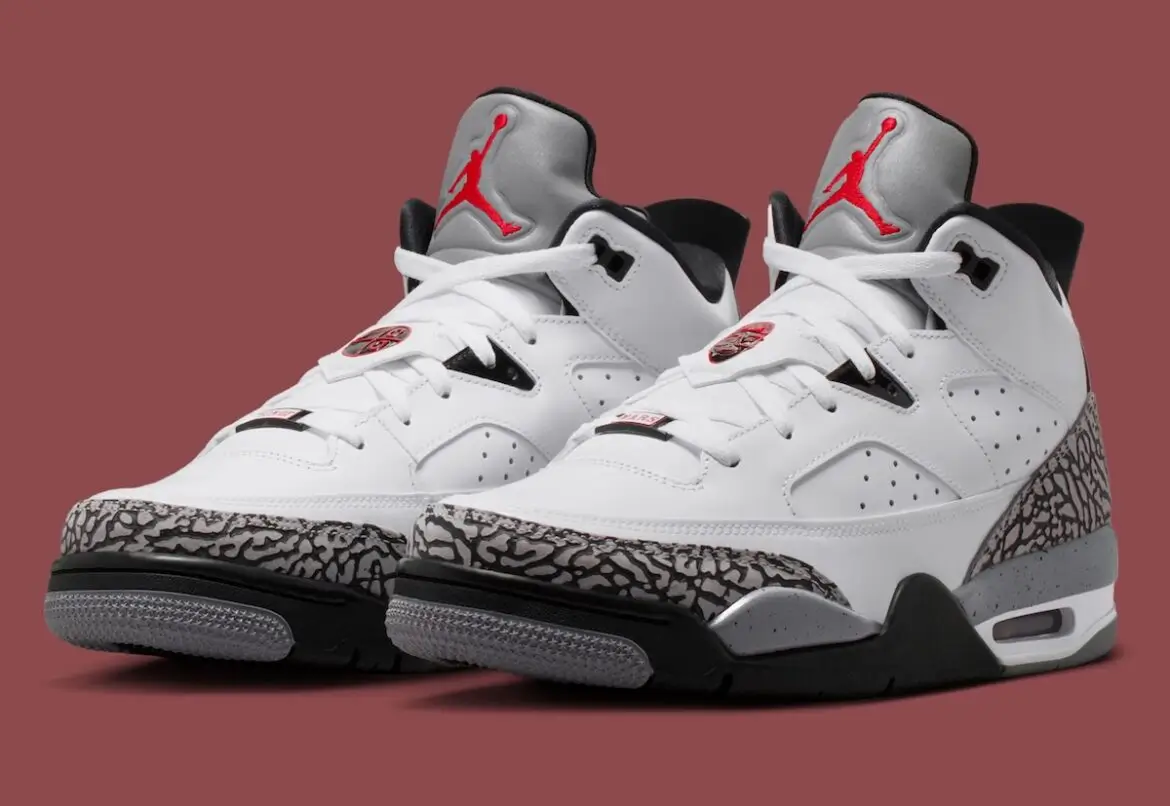
The Jordan Son of Mars “White Cement” exists in a space that few shoes comfortably occupy. It is neither an original silhouette nor a simple retro. Instead, it is a deliberate collision—an engineered hybrid that pulls from multiple eras of Jordan Brand history and compresses them into a single, unmistakable form.
When it first released in June 2013, the Son of Mars Low “White Cement” arrived at a moment when Jordan Brand was actively experimenting with mashups—models that sampled design DNA from its most iconic shoes and recombined them into something new.
Now, with a confirmed return slated for by June 2026, the “White Cement” colorway is stepping back into a shoe landscape that has become far more receptive to hybrid storytelling and archival remixing.
idea
This is not a reinterpretation—it is a collage.
The silhouette borrows heavily from several cornerstone Air Jordan models:
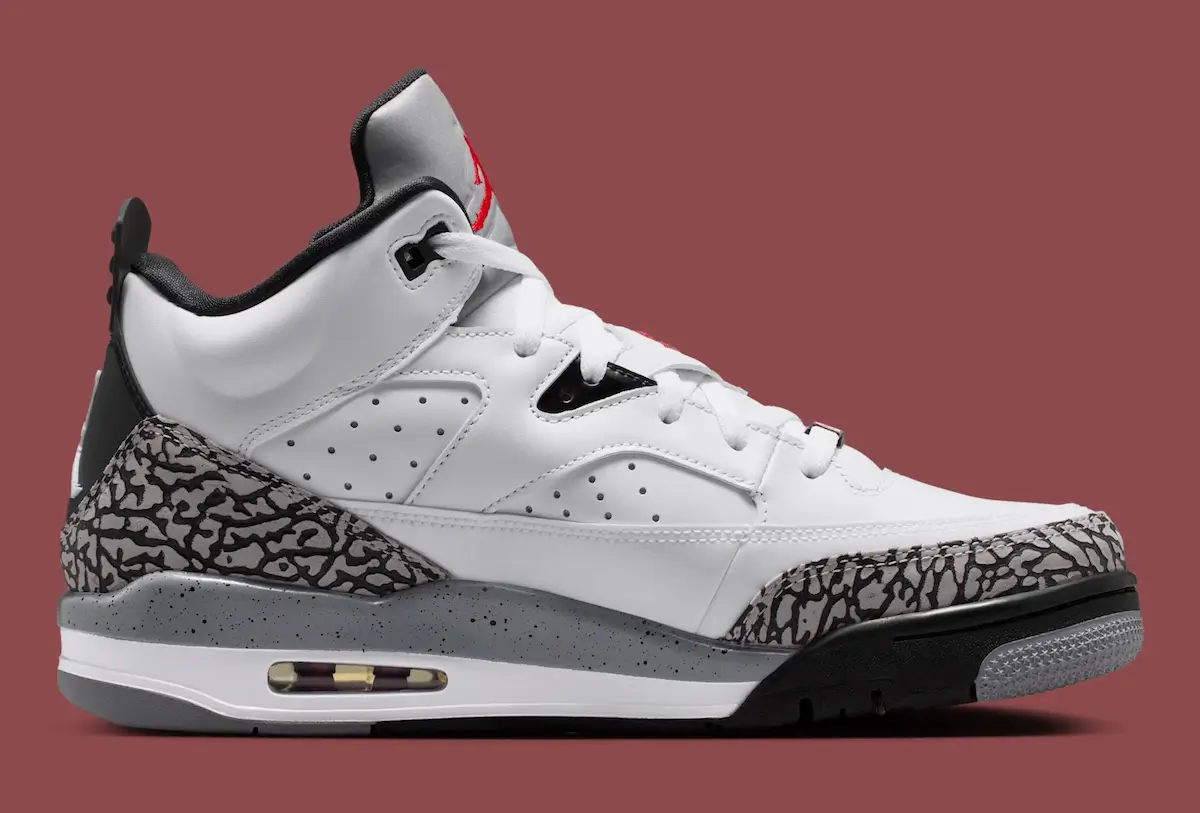
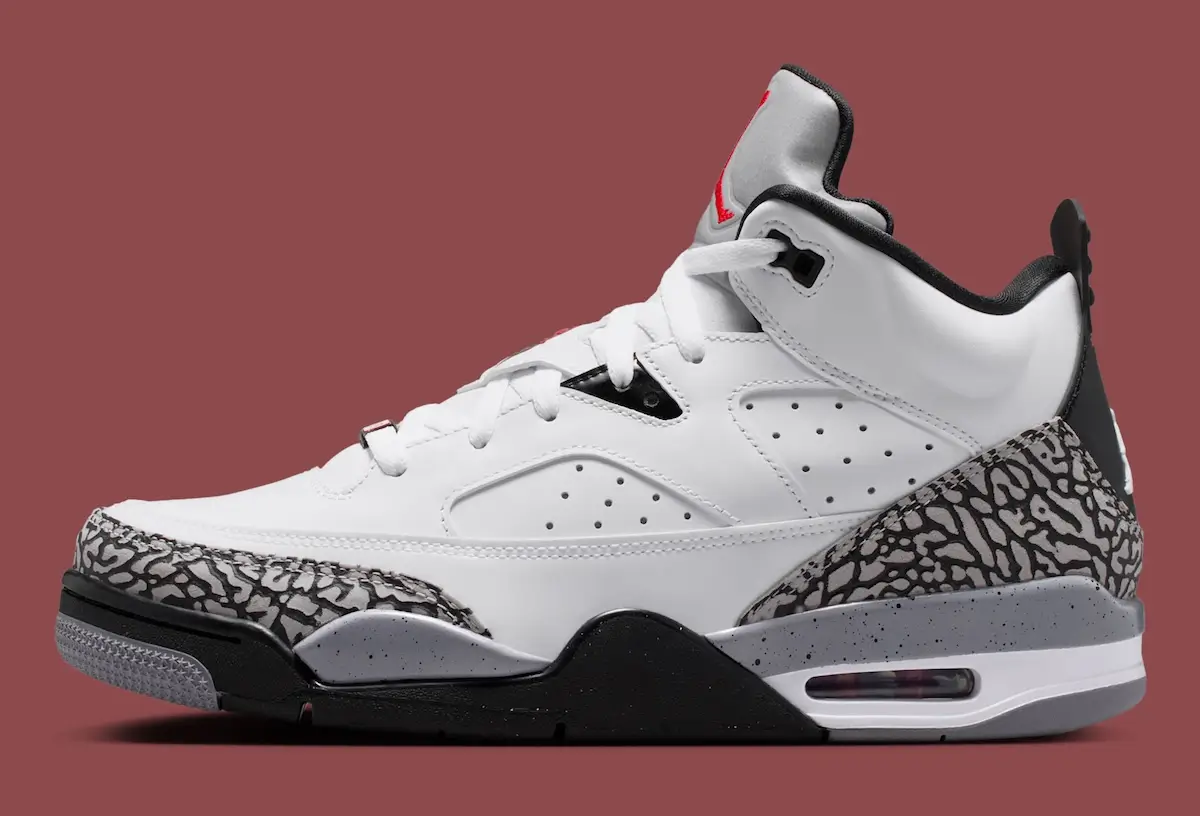
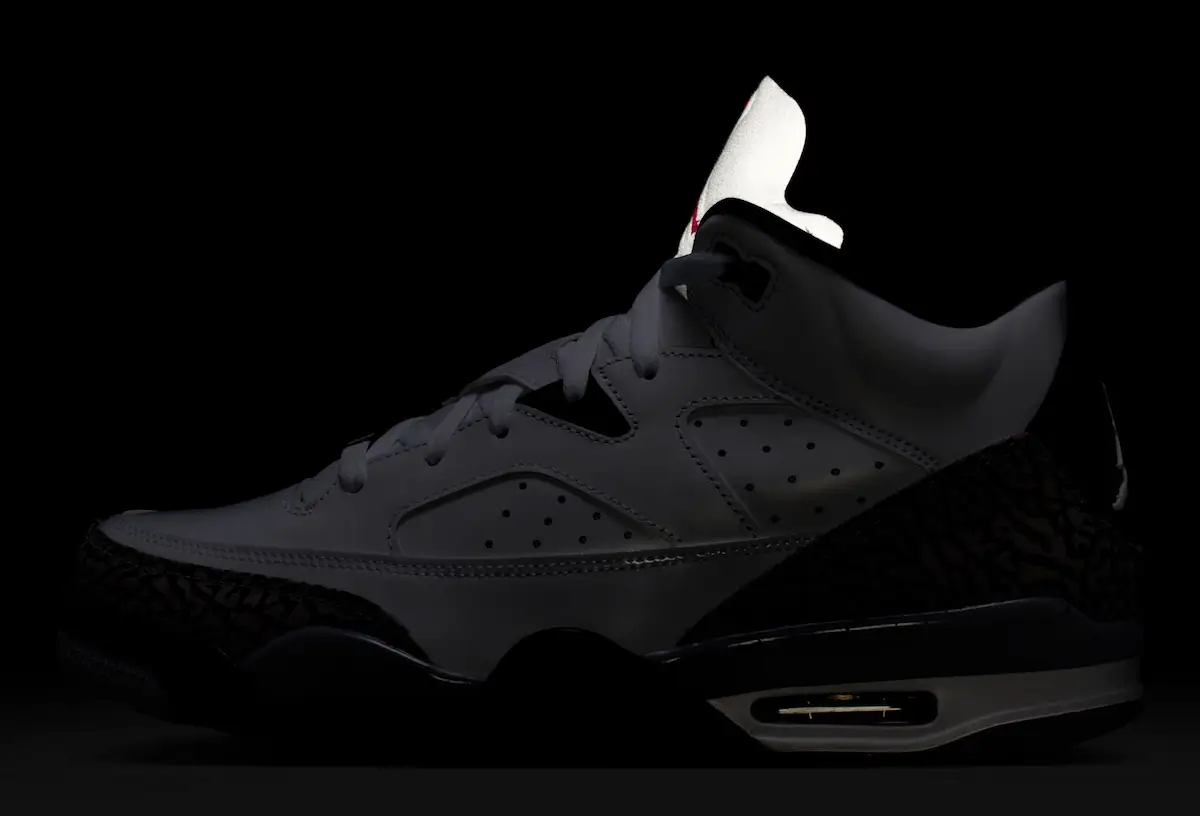
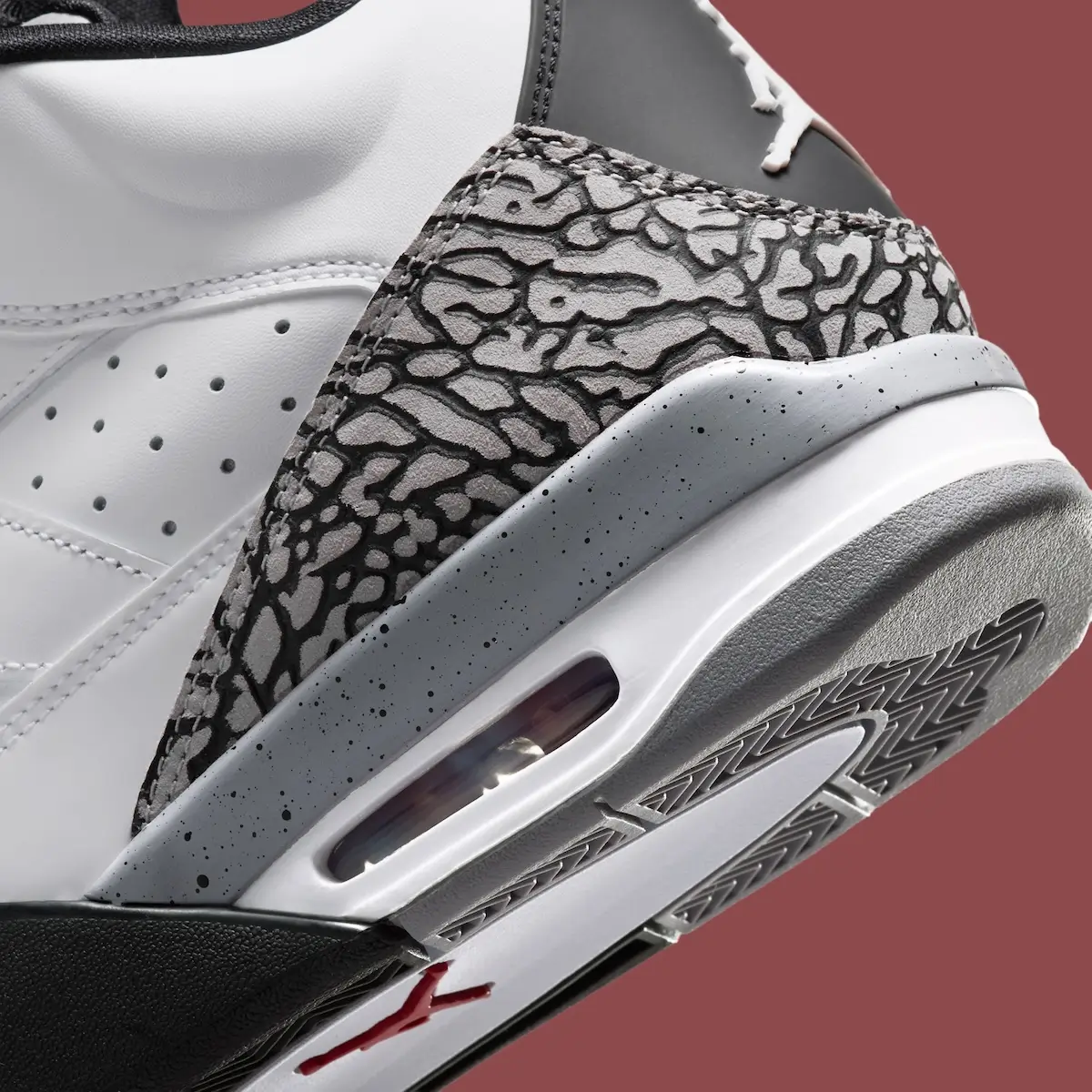
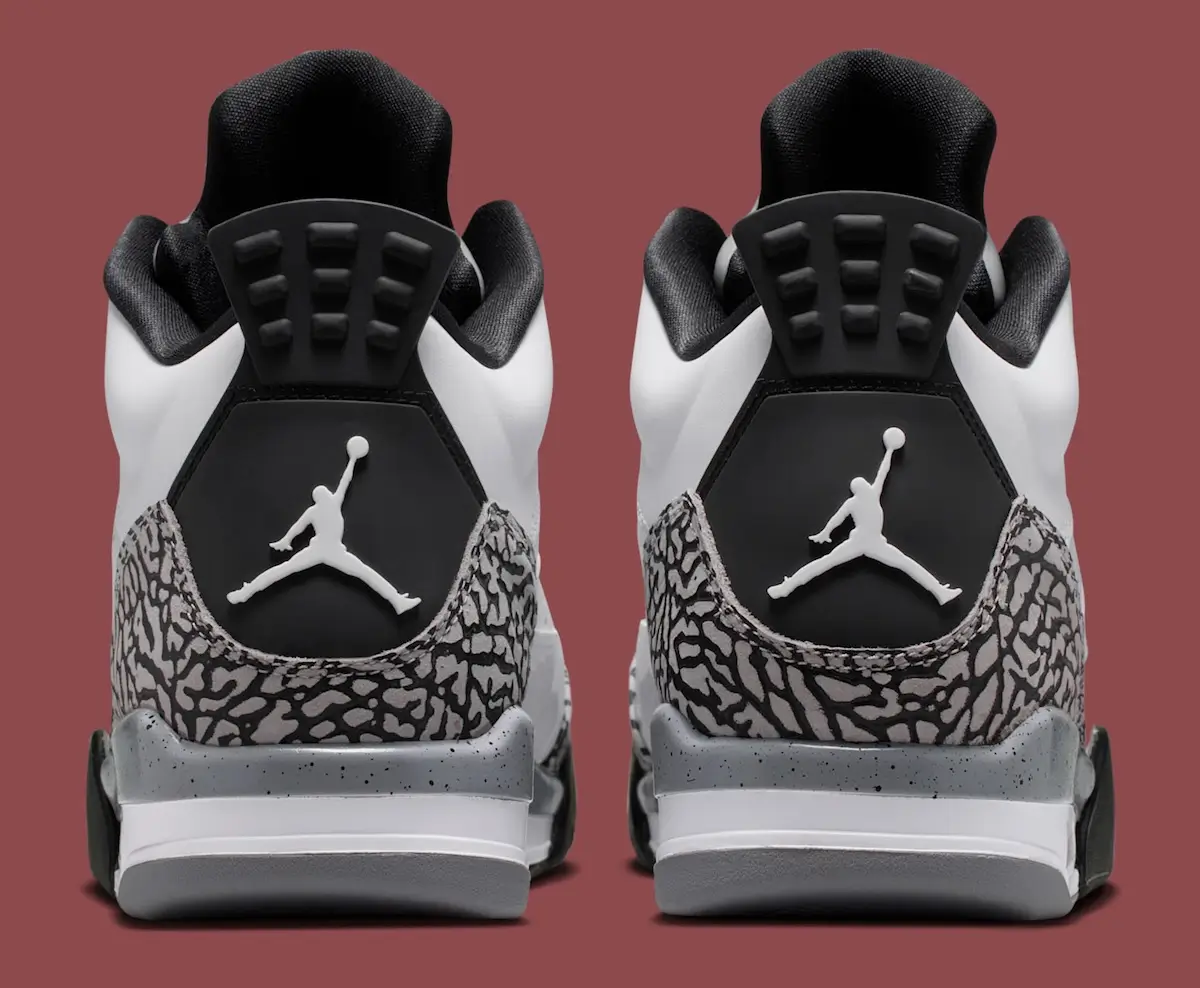
- The elephant print overlays from the Air Jordan 3
- The mesh paneling and structural cues from the Air Jordan 4
- The tongue shape from the Air Jordan 5
- The side paneling influence from the Air Jordan 6
- Subtle detailing inspired by later models like the Jordan 20
This layered approach creates a shoe that feels instantly familiar yet visually dense. Every angle reveals a different reference point, making the shoe less about purity and more about accumulation.
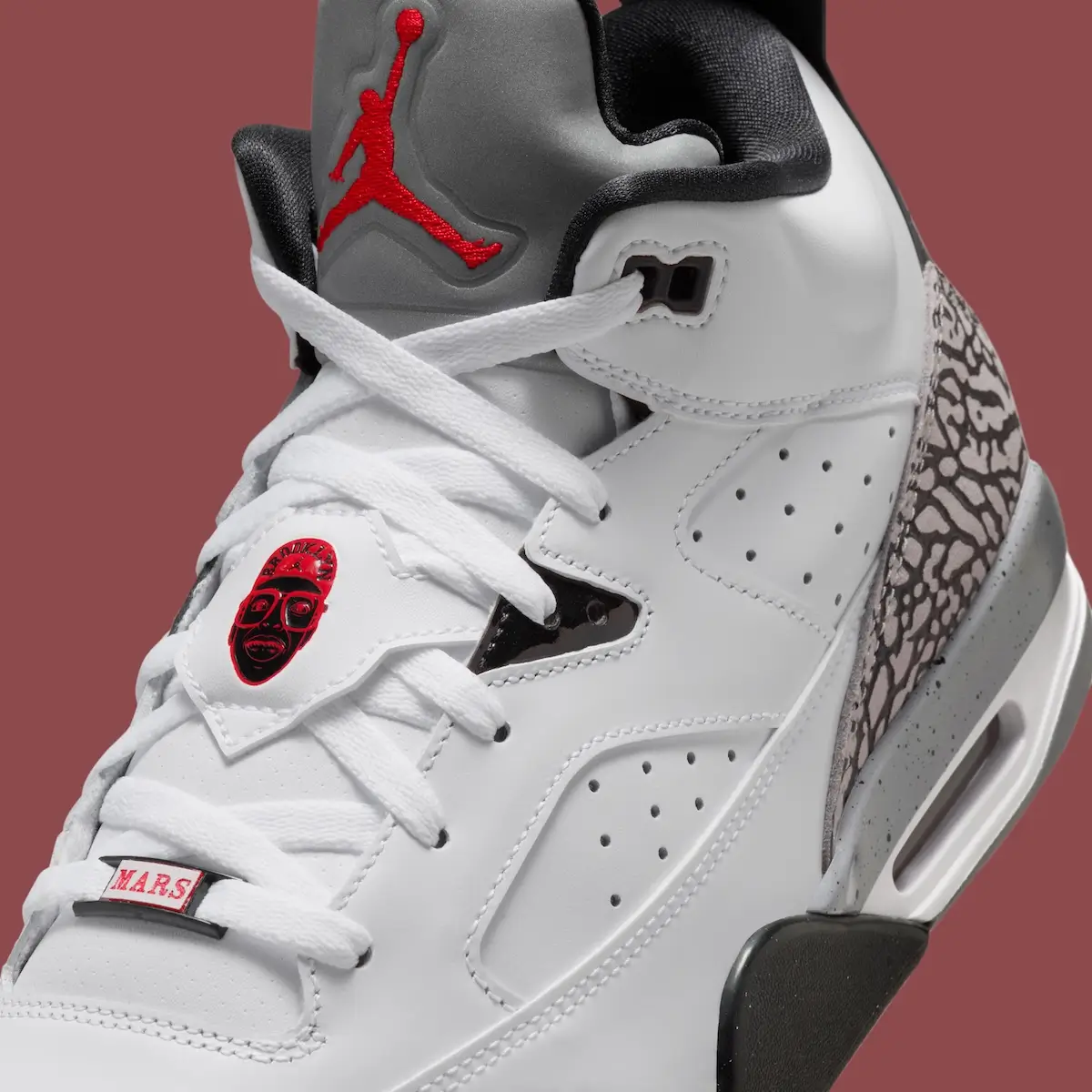
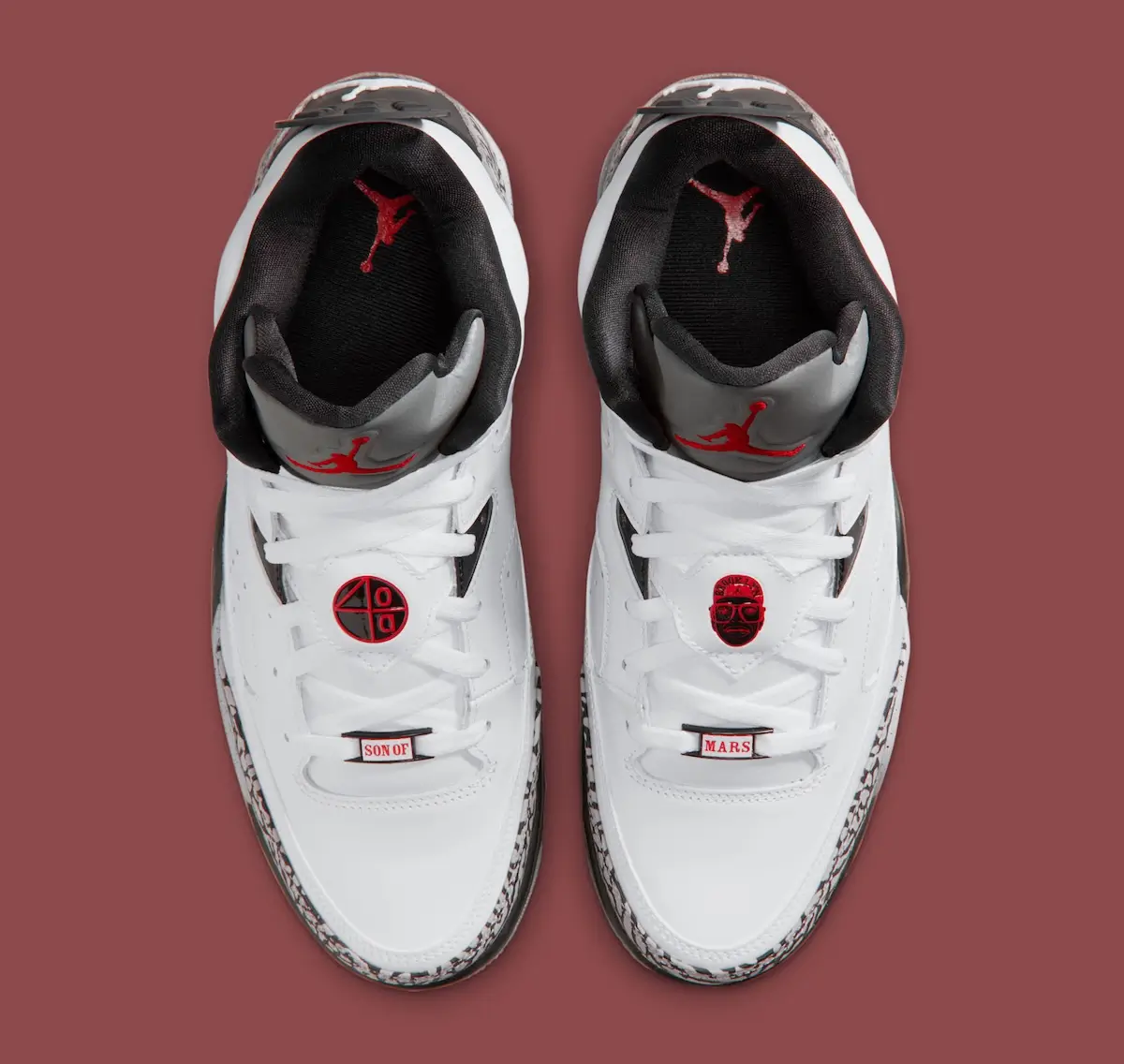
The “White Cement” execution amplifies that concept. A clean white leather base acts as the canvas, while cement grey elephant print wraps the toe and heel—arguably the most recognizable view code in Jordan history. Black accents provide contrast, and hits of varsity red punctuate the design, echoing the classic Chicago Bulls palette.
The result is a shoe that reads like a greatest-hits compilation.
show
The “White Cement” colorway is not just another palette—it is one of the most culturally significant visual identities in shoe history.
Originally tied to the Air Jordan 3 and later immortalized by the Air Jordan 4, the combination of white leather, grey speckled cement detailing, and black accents became a defining aesthetic of late-1980s basketball culture. Its presence in film, sport, and streetwear cemented it as more than a colorway—it became a symbol.
By applying this color scheme to the Son of Mars, Jordan Brand effectively anchors the hybrid in legitimacy. Without “White Cement,” the model might feel experimental. With it, the shoe inherits decades of cultural weight.
This is why the colorway works so well on the silhouette—it grounds the chaos.
View this post on Instagram
brand
The Son of Mars line is inseparable from Spike Lee’s Mars Blackmon character, one of the most important figures in the cultural rise of Air Jordans.
Mars Blackmon—featured in Nike commercials and films like Do the Right Thing—helped transform Michael Jordan’s shoes into cultural artifacts. The Son of Mars pays homage to that legacy directly, incorporating visual references to Lee’s production company and character iconography.
This connection is not incidental. It is the conceptual backbone of the shoe.
wear
From a material standpoint, the Son of Mars “White Cement” leans into durability and structure. The upper is composed primarily of leather, supported by synthetic overlays and perforated panels that enhance breathability.
The midsole and outsole configuration reflects its hybrid nature, combining visual cues from multiple Jordan models while maintaining everyday wearability. The cushioning is not cutting-edge by modern performance standards, but it delivers a stable, comfortable ride suitable for lifestyle use.
What stands out most is the shoe’s visual weight. It is not minimal. It is not subtle. It is designed to be seen.
This makes it particularly relevant in today’s fashion landscape, where maximalism and layered aesthetics are once again gaining traction.
recept
From its inception, the Son of Mars line has been polarizing.
Some purists dismissed it as overly commercial—a mashup that diluted the integrity of original designs. Others embraced it as a creative reinterpretation, a way to celebrate multiple eras of Jordan history in one silhouette.
Despite criticism, the model built a staunch following. Its boldness, combined with its cultural references, gave it a distinct identity within the Jordan ecosystem.
In many ways, the Son of Mars anticipated the current era of shoe design, where collision, remixing, and reinterpretation are not just accepted—they are expected.
flow
The announced return of the Son of Mars Low “White Cement” in 2026 signals a broader shift within Jordan Brand’s strategy.
Rather than focusing exclusively on OG retros, the brand is revisiting hybrid models that once felt experimental. This reflects a growing appreciation for the 2000s and early 2010s—a period that is now being recontextualized as a formative era in shoe culture.
More importantly, the timing is strategic. Today’s sneaker audience is more open to hybridization, more fluent in design references, and more interested in storytelling. The Son of Mars fits seamlessly into that environment.
sil
Styling the “White Cement” Son of Mars is about embracing its complexity.
Because the shoe already carries a heavy visual load—elephant print, layered panels, contrasting colors—it pairs best with pieces that either complement its energy or provide balance.
In a contemporary streetwear context, that might mean:
- Relaxed denim or cargo pants to anchor the silhouette
- Minimal outerwear to let the sneaker remain the focal point
- Monochrome fits that allow the cement detailing to stand out
Alternatively, the shoe can be pushed into more experimental territory—layered textures, mixed materials, and bold graphics that mirror its hybrid DNA.
bridge
What makes the Jordan Son of Mars “White Cement” compelling today is its position as a bridge.
It connects:
- The foundational era of Air Jordan design (3, 4, 5, 6)
- The experimental phase of Jordan Brand in the 2010s
- The current landscape of remix-driven sneaker culture
It is not a relic. It is a connector.
And in a culture increasingly defined by references, callbacks, and reinterpretations, that role feels more relevant than ever.
a mix
In 2013, it felt like an experiment—an ambitious but divisive attempt to merge icons into a single form. In 2026, it reads differently. It feels aligned with the way footwear culture now operates: fluid, referential, and open to reinterpretation.
It is not trying to replace the originals. It is not competing with the Air Jordan 3 or 4. Instead, it exists alongside them, offering a different kind of experience—one that celebrates the entirety of the Jordan legacy rather than a single chapter.
And that may be its greatest strength.
A shoe that once felt like too much now feels exactly right.