Sprite, Recharged: The ‘Lymon’ Symbol Returns at Global Scale

March 21, 2026
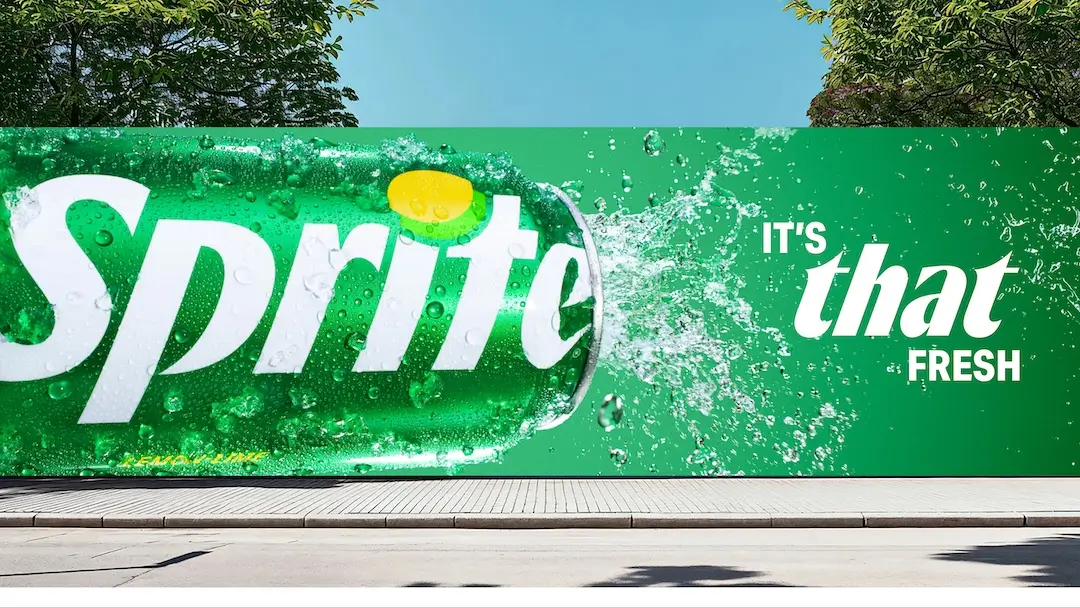
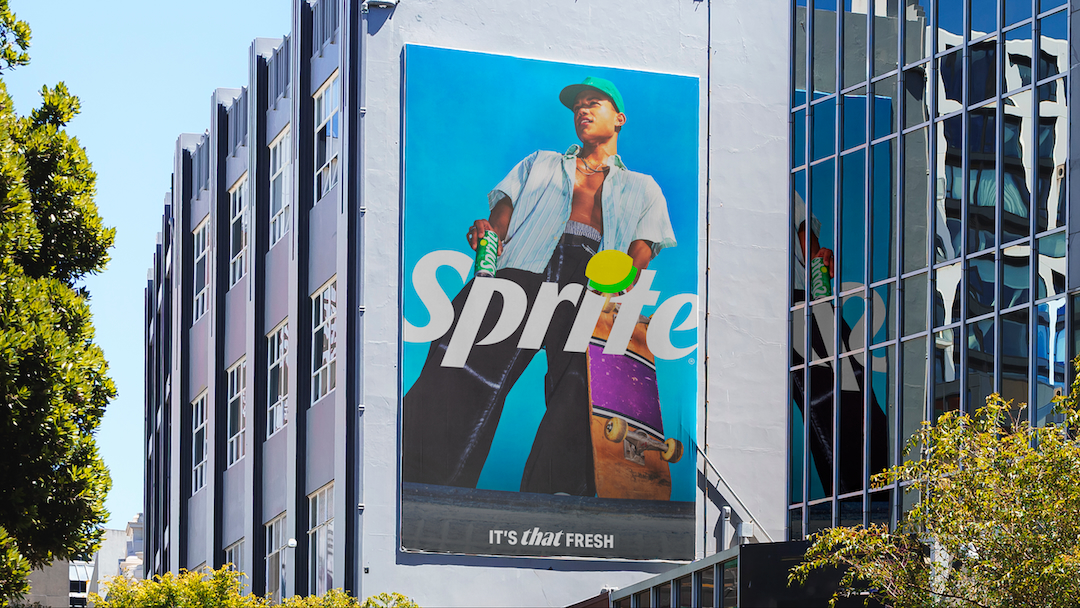
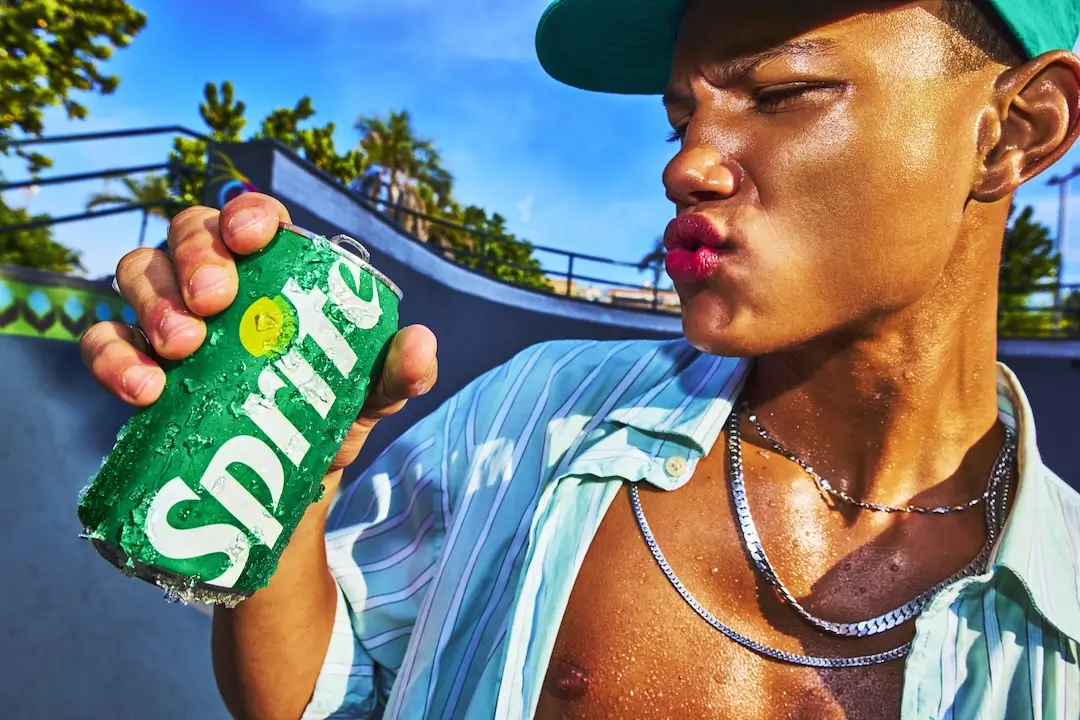
In a retail landscape saturated with visual noise, clarity has become the ultimate luxury. Beverage aisles—once defined by color blocking and logo familiarity—are now battlegrounds of hyper-minimalism, experimental typography, and fleeting trend cycles. Against this backdrop, Sprite’s latest global redesign feels less like a reinvention and more like a strategic recalibration.
At the center of this shift is the return of a single word: “Lymon.” A compact, almost conjure connect of lemon and lime, it anchors the brand back to its most essential promise—taste. In doing so, Sprite signals a broader move within global branding: a return to sensory specificity over abstract storytelling.
View this post on Instagram
stir
Sprite’s identity has always been tied to its citrus profile. Since its 1961 debut under The Coca-Cola Company, the drink has occupied a distinct space—crisp, clean, and unmistakably refreshing.
“Lymon” originally appeared in earlier brand cycles as a shorthand descriptor, a linguistic device that collapsed two flavors into a single, memorable cue. Over time, however, that specificity faded. The brand leaned into visual energy—green palettes, starbursts, and dynamic forms—while the literal articulation of flavor took a backseat.
Its reintroduction now feels intentional. In an era where consumers are increasingly ingredient-conscious and flavor-driven, “Lymon” acts as both reassurance and differentiation. It doesn’t ask you to interpret the brand; it tells you exactly what you’re getting.
There’s also a cultural dimension at play. The word carries a retro familiarity without feeling dated, tapping into brand memory while aligning with contemporary preferences for authenticity. It’s not nostalgia for its own sake—it’s recognition repurposed.
flow
One of the most significant aspects of Sprite’s redesign is its move toward global consistency. Previously, regional variations in packaging created subtle but noticeable discrepancies—differences in logo scale, color gradients, and label composition that diluted brand cohesion.
The new system resolves this through a streamlined visual language:
Typography as structure
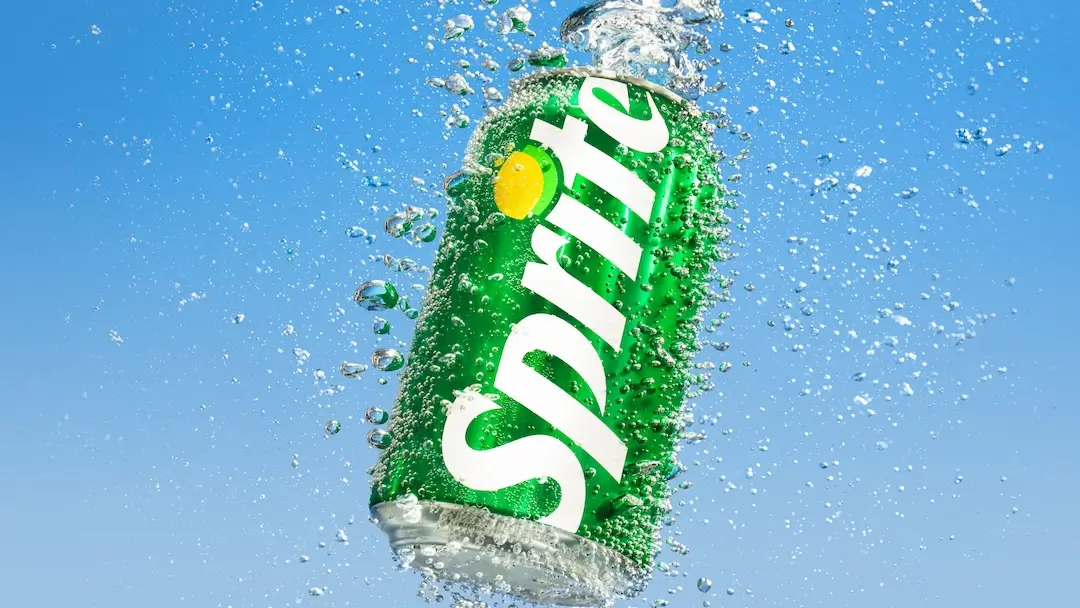
The Sprite wordmark is now bolder and more grounded. Edges are cleaner, spacing is tighter, and the overall composition feels more deliberate. “Lymon” is integrated in a way that supports rather than competes with the primary logo, creating a layered but legible hierarchy.
Color as immediacy
Green remains dominant, but it has been refined—less gradient-heavy, more direct. The result is a sharper shelf presence, one that reads instantly from a distance. Yellow accents, referencing lemon, punctuate the design with brightness without overwhelming the composition.
Iconography reduced
Earlier iterations often relied on splashes, stars, and motion graphics to convey energy. The new look strips much of that away, opting instead for confidence in simplicity. The brand no longer needs to shout; it signals.
show
Beyond aesthetics, the redesign reflects a deeper understanding of how consumers interact with packaging. Bottles and cans are no longer just containers—they are touchpoints, often encountered first in digital form before physical purchase.
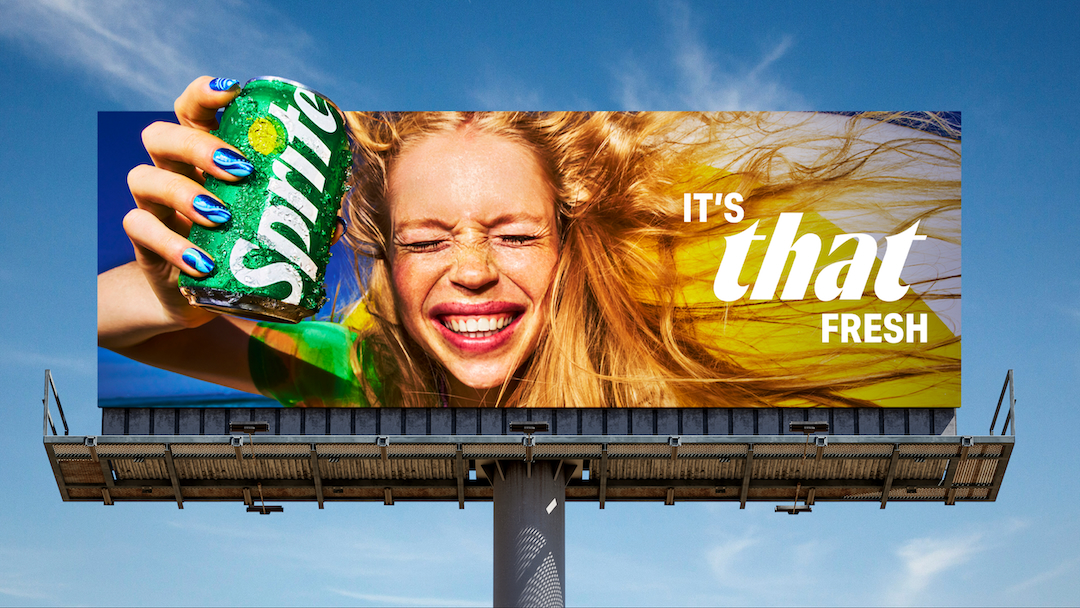
Sprite’s updated look translates effectively across both environments. On-screen, the bold typography and high-contrast palette ensure recognizability even at thumbnail scale. In-hand, the simplified design enhances readability and reinforces the perception of freshness.
There is also a subtle premiumization at play. While Sprite remains an accessible, mass-market product, the restraint in its new design language aligns it with broader shifts toward “elevated everyday” branding—where even the most ubiquitous items adopt a more considered aesthetic.
View this post on Instagram
position
Sprite has long been associated with youth culture—music, basketball, and urban expression forming key pillars of its identity. This redesign does not abandon that heritage, but it reframes it.
Instead of relying heavily on external cultural cues, the brand turns inward, strengthening its own core symbols. The message is clear: cultural relevance does not require constant reinvention if the foundational identity is strong enough.
This approach mirrors a wider movement across global brands. In an age of rapid trend turnover, longevity is increasingly tied to clarity. Brands that know exactly what they stand for—and communicate it succinctly—are better positioned to cut through the noise.
By foregrounding “Lymon,” Sprite reclaims ownership of its narrative. It is no longer just a participant in culture; it is a consistent presence within it.
fwd
From a strategic standpoint, the redesign arrives at a critical moment. The beverage industry is undergoing significant shifts, with consumers exploring alternatives ranging from flavored drinking water to bottled drinks and low-sugar options.
For legacy sodas, maintaining relevance requires more than product innovation—it demands brand evolution. Sprite’s update demonstrates how visual identity can function as a competitive lever, reinforcing core attributes while adapting to contemporary expectations.
A unified global look also offers operational advantages. Consistency across markets streamlines production, reduces complexity, and strengthens brand equity at scale. Every bottle, regardless of geography, now contributes to the same visual narrative.
fin
Sprite’s new global look is not radical, and that is precisely its strength. Rather than chasing novelty, it refines what already works—amplifying clarity, reinforcing flavor, and reestablishing coherence.
The return of “Lymon” encapsulates this philosophy. It is a small change with outsized impact, a reminder that in branding, the most effective moves are often the most direct.
In an era defined by excess—of information, imagery, and choice—Sprite offers something different: focus. A distilled expression of what it is and what it has always been. Crisp. Citrus. Immediate.
And now, unmistakably, Lymon.