Surfing at the Intersection of Heritage and Industry

March 21, 2026
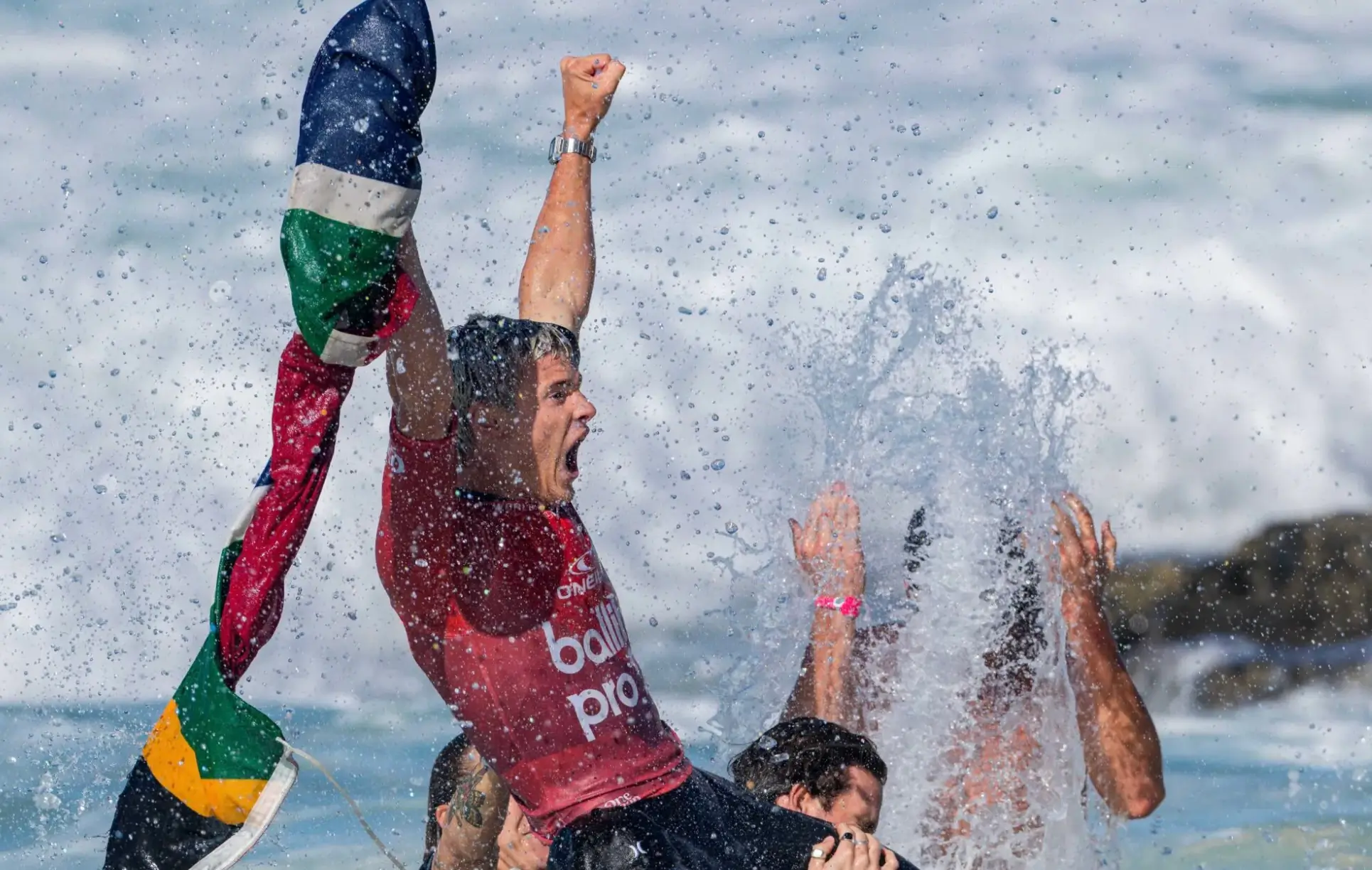
Surfing has never been just about standing on a board. It is about timing, rhythm, and surrender—an embodied dialogue between human instinct and the ocean’s unpredictability. Today, with more than 35 million participants worldwide and an industry valued at roughly $3.1 billion, surfing has transcended its once niche status to become a global cultural and economic force. But to understand surfing’s present—its commercialization, Olympic recognition, and lifestyle branding—we must first return to its origins, where wave riding was not a sport, but a sacred act.
View this post on Instagram
praxis
Surfing, or heʻe nalu (wave sliding), was born in the islands of Hawaii centuries before Western contact. For Native Hawaiians, surfing was deeply interwoven with spirituality, hierarchy, and daily life. Chiefs (aliʻi) surfed on long, heavy wooden boards carved from koa trees, while commoners used shorter boards made from lighter woods.
Surfing was ritualistic. Before entering the water, surfers would chant and perform ceremonies to honor the ocean gods. Success in surfing was seen as a reflection of harmony with nature—a balance between physical skill and spiritual alignment.
This cultural significance was disrupted in the 19th century with the arrival of missionaries, who discouraged indigenous practices, including surfing. The sport nearly disappeared, reduced to a cultural relic rather than a living tradition.
revive
The modern revival of surfing is inseparable from Duke Kahanamoku, a Hawaiian Olympic swimmer and cultural ambassador. In the early 20th century, Kahanamoku introduced surfing to Australia and California, demonstrating the sport and igniting global fascination.
In places like Santa Cruz and Sydney, surfing took root, evolving into localized cultures shaped by geography, youth identity, and emerging leisure economies.
By the 1950s and 1960s, surfing had become synonymous with California cool. Films, magazines, and music—particularly the surf rock of The Beach Boys—helped export an aspirational image of sun, freedom, and rebellion.
flow
California didn’t just adopt surfing—it redefined it. The beaches of Malibu became epicenters of innovation, where surfers refined longboard techniques and developed a distinct aesthetic: sun-bleached hair, board shorts, and an anti-establishment ethos.
Surf culture fused with skateboarding, art, and fashion. Brands like Quiksilver, Billabong, and Rip Curl emerged, transforming surfing into a lifestyle industry. Surf shops became community hubs, while surfboards evolved from handcrafted wood to fiberglass performance tools.
This period also saw the rise of surf journalism and filmmaking, which mythologized the surfer as a nomadic seeker—chasing perfect waves across the globe.
pro
By the late 20th century, surfing transitioned from subculture to professional sport. The establishment of the World Surf League (WSL) formalized global competition, introducing rankings, sponsorships, and media coverage.
Elite surfers like Kelly Slater—an 11-time world champion—became international icons. Slater’s dominance elevated surfing’s credibility as a high-performance sport, while also bridging its countercultural roots with mainstream appeal.
Corporate sponsorships expanded rapidly. Surf brands became multinational companies, and surf competitions turned into global events broadcast to millions. Yet this commercialization also sparked tension within the community, as purists questioned whether surfing’s soul was being diluted.
show
Surfing’s most enduring export may not be competition, but lifestyle. It represents a philosophy: simplicity, freedom, and connection to nature. This ethos has permeated fashion, media, and even wellness culture.
Luxury brands have co-opted surf aesthetics, while surfwear labels have entered high fashion collaborations. The imagery of surfing—sunsets, waves, solitude—has become a universal shorthand for escapism.
Social media has amplified this effect. Platforms like Instagram and TikTok have transformed surfers into influencers, blending athleticism with personal branding. The modern surfer is as likely to curate content as they are to chase waves.
stir
Surfing reached a historic milestone when it debuted at the 2020 Tokyo Olympics (held in 2021 due to the pandemic). This inclusion marked a significant shift, positioning surfing alongside traditional global sports.
Athletes like Carissa Moore and Italo Ferreira became Olympic champions, introducing the sport to new audiences.
The Olympics brought legitimacy and visibility—but also debate. Critics argued that structured competition contrasts with surfing’s free-form essence. Supporters, however, see it as an opportunity to expand access and recognition.
eco
Surfing’s economic footprint extends far beyond boards and wetsuits. The global surf industry—valued at approximately $3.1 billion—encompasses apparel, equipment, tourism, media, and events.
Surf tourism is a major driver, with destinations like Bali, Gold Coast, and Jeffreys Bay attracting millions of visitors annually. These locations have built entire economies around wave quality.
Technological innovation has also reshaped the market. Artificial wave pools—like those developed by Kelly Slater Wave Company—allow surfing in inland regions, expanding accessibility and commercial opportunities.
E-commerce and digital content have further globalized the industry, enabling brands and athletes to reach audiences directly.
sustain
Surfing’s intimate relationship with the ocean has made environmental awareness central to its identity. Surfers are often among the first to witness the impacts of pollution, climate change, and coastal erosion.
Organizations like Surfrider Foundation advocate for ocean conservation, while brands experiment with sustainable materials, including recycled foam and plant-based resins.
However, the industry faces contradictions. Travel-heavy surf culture contributes to carbon emissions, and traditional surfboard production relies on environmentally harmful materials. The challenge lies in reconciling growth with sustainability.
fwd
Looking ahead, surfing stands at a crossroads. Technology is reshaping the experience, from wave pools to performance analytics. Inclusivity is expanding participation, with more women and diverse communities entering the sport.
Urban surfing—enabled by artificial waves—may redefine where and how people engage with the ocean. At the same time, the core appeal of surfing remains unchanged: the pursuit of a fleeting, perfect moment.
end
Surfing’s journey—from sacred Hawaiian ritual to global industry—reflects its unique ability to adapt while retaining its essence. It is both ancient and modern, individual and communal, sport and philosophy.
What continues to draw millions to the water is not just the thrill of riding a wave, but the promise of connection—to nature, to self, and to something larger than both.
In an increasingly fast-paced, digitized world, surfing offers a rare counterpoint: a reminder that some experiences cannot be rushed, commodified, or fully captured. They must be lived—one wave at a time.