Cabo, In Season: A Spring Break Escape Rewriting the Leisures of Paradise

March 22, 2026
Earlier this year, a sequence of images circulated with quiet insistence—moments of leisure that felt both spontaneous and strangely composed. Kaia Gerber walking along a shoreline. Jake Shane laughing into the wind. Lewis Pullman somewhere between candid and cinematic. Days later, Alix Earle posted a birthday vlog that seemed to exist in the same light. Then came Kylie Jenner and Timothée Chalamet, photographed mid-dinner in a setting that felt suspended outside of Los Angeles entirely.
Different timelines. Different narratives. The same destination: Cabo San Lucas.
Cabo is not discovered—it is arrived at. Not stumbled upon, but selected. It exists as a shared reference point in contemporary travel culture, a place that feels both deeply familiar and perpetually aspirational. And in spring, that familiarity softens. The light shifts. The urgency dissolves. Cabo becomes less about spectacle, and more about inhabiting a slower, more intentional form of escape.
stir
Cabo’s most defining feature is not its coastline, nor its architecture, but its effortlessness. It is a place where travel has been stripped of friction. Transactions occur seamlessly. Language barriers dissolve. Movement—from airport to resort, from room to ocean—feels choreographed rather than navigated.
This is not accidental. It is infrastructure designed around comfort.
Unlike destinations that reward disorientation, Cabo refines predictability. The experience is not about discovery in the traditional sense, but about precision—every detail aligned to eliminate resistance. This is why it has long served as an extension of Los Angeles culture, a place where proximity and familiarity allow for a kind of uninterrupted leisure.
Ease, here, is not a byproduct. It is the product.
View this post on Instagram
flow
Spring introduces a different tempo. The excess of winter travel—the urgency, the density—begins to recede. In Cabo, this seasonal shift is not dramatic, but perceptible. The air feels lighter. The light itself becomes more generous, stretching into softer gradients.
Spring reframes Cabo not as a destination of intensity, but of recalibration. It becomes a place to begin again—not through transformation, but through reduction. Fewer plans. Fewer demands. A quieter form of indulgence.
Renewal, here, is subtle. It does not announce itself. It settles in.
show
Cabo has always existed within a visual culture. It is not just experienced—it is observed. The presence of celebrities is not incidental, but integral to its identity.
The images of Kylie Jenner or Timothée Chalamet dining under low light, or influencers framing their mornings against infinity pools, are not merely documentation. They are reinforcement. Cabo functions as a stage where escape is both lived and performed.
Yet this performance has evolved. It is no longer purely about excess or visibility. The tone has softened. The gestures are quieter. Luxury is expressed less through spectacle, and more through atmosphere.
To be in Cabo now is not just to be seen—it is to appear at ease.
bal
Where Cabo once leaned into its reputation as a party destination, it now embraces a more balanced identity. The shift is not abrupt, but gradual—a recalibration rather than a rebranding.
The language has changed. Wellness replaces indulgence, though indulgence remains. Yoga sessions sit alongside cocktails. Plant-based menus coexist with elaborate tasting experiences. The body is still central, but it is framed through care rather than display.
This is not the absence of excess. It is its refinement.
View this post on Instagram
intent
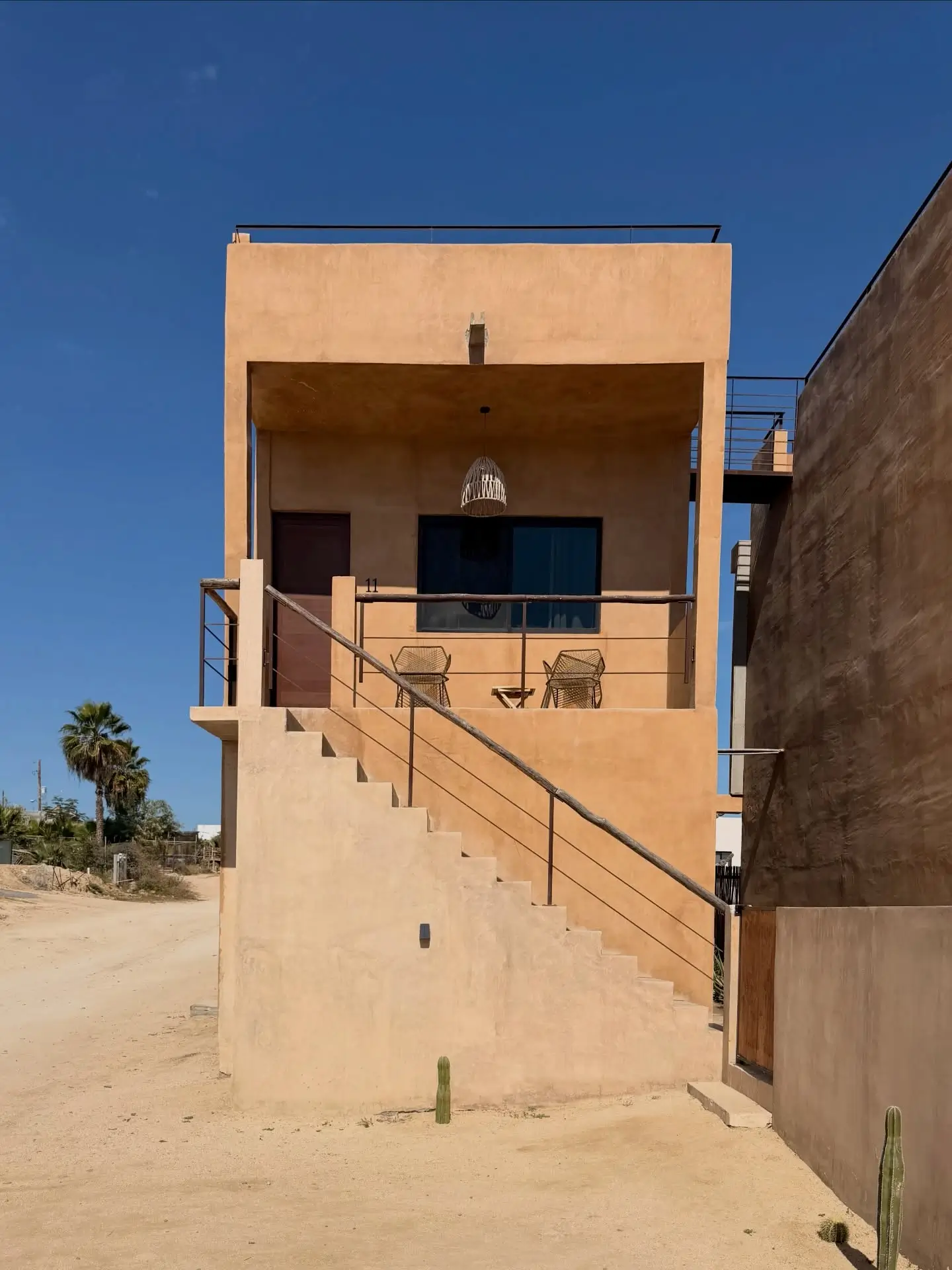
Places like Acre Resort embody this shift. Hidden within dense greenery, its treehouses and open-air spaces create an environment that feels both constructed and organic. There is an animal sanctuary. There are greenhouses. The space suggests a return to nature, even as it is carefully curated.
Similarly, Flora Farms offers a version of pastoral luxury—open-air dining, cultivated land, an atmosphere of deliberate calm. It is the kind of place where every detail feels intentional, from the placement of light to the composition of a meal.
These environments do not simply host guests. They shape behavior. They encourage slowness, presence, attention.
Luxury, here, is not loud. It is precise.
theme
Along the Tourist Corridor, Cabo reveals another dimension—one of scale and containment. Resorts such as Hilton Los Cabos Beach & Golf Resort operate as self-contained ecosystems.
Within their boundaries, everything is available. Restaurants, pools, beaches, activities—each element arranged to minimize the need to leave. The result is a kind of spatial compression, where the world contracts into a single, curated environment.
This is not limitation. It is design.
The modern traveler, increasingly fatigued by choice, finds relief in this containment. The resort becomes not just a place to stay, but a complete experience—one that requires nothing beyond presence.
intrinsic
Cabo’s natural environment is striking, but it is also mediated. The desert meets the ocean in a way that feels both raw and composed.
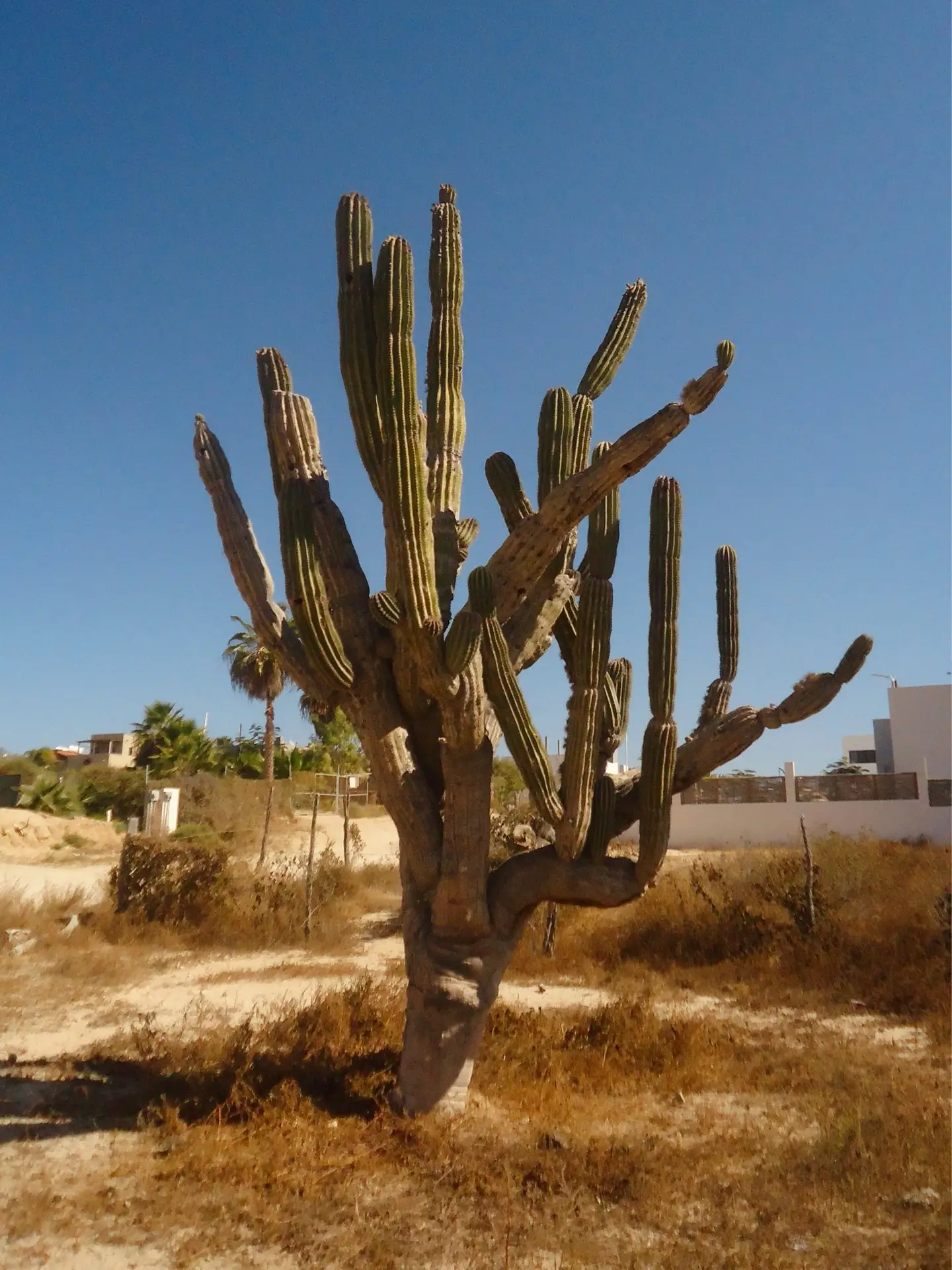
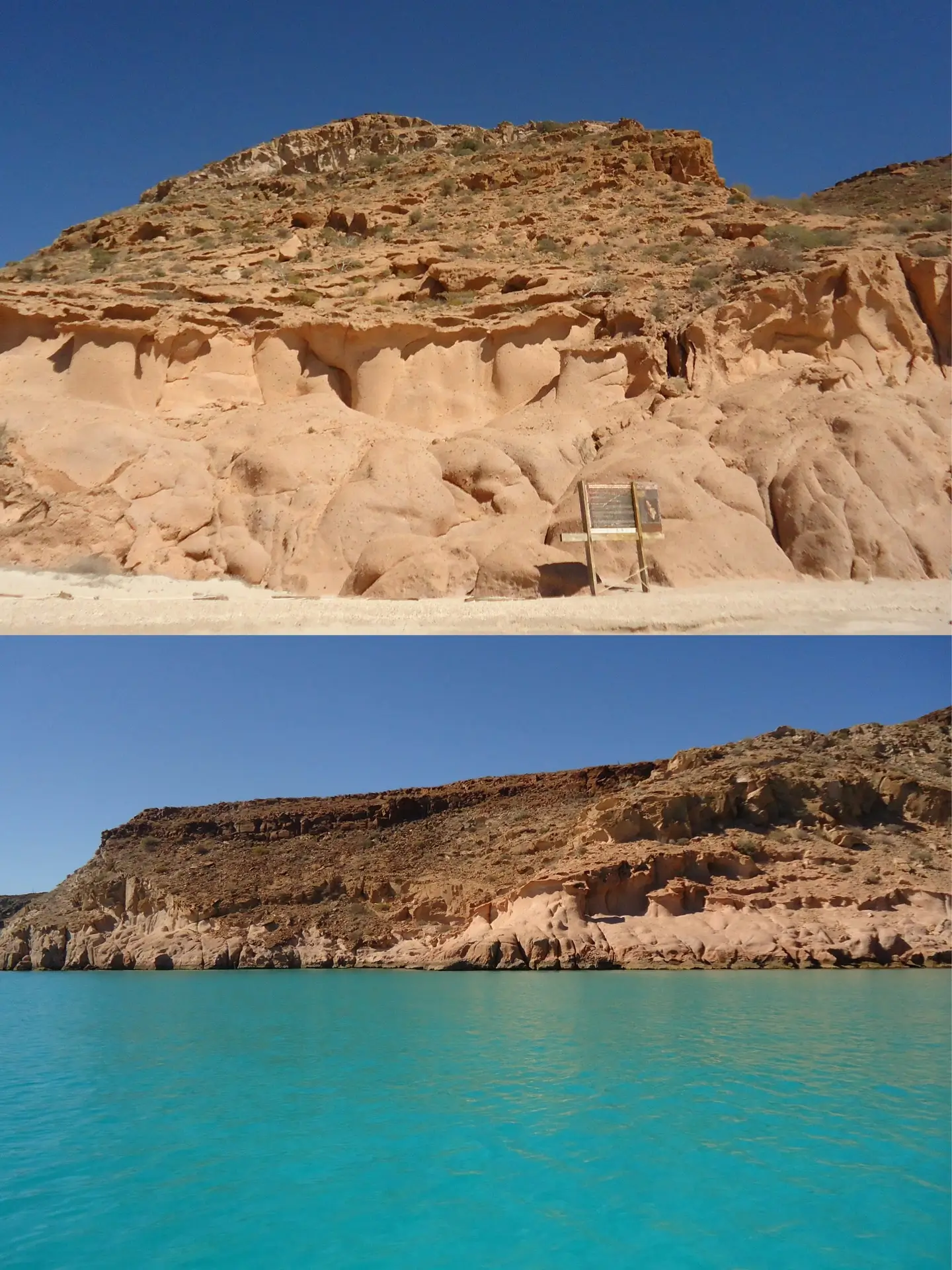
Whales breach just offshore, their presence so frequent it becomes almost expected. The desert stretches outward, punctuated by cacti and low vegetation. The water shifts between deep blue and luminous turquoise.
Yet even these elements are framed. Positioned. Made visible in ways that enhance their impact. Nature, in Cabo, is not untouched—it is curated.
And in that curation, it becomes part of the overall aesthetic.
idea
Perhaps Cabo’s most radical offering is its permission to remain still.
In a culture that equates travel with productivity—where itineraries are optimized and experiences accumulated—Cabo suggests an alternative. It proposes that doing less can feel like more.
Days unfold without urgency. Time stretches. Activities become optional rather than necessary. Swimming, eating, resting—these are not interruptions, but the structure itself.
There is a discipline to this stillness. A quiet resistance to the impulse to fill every moment.
In Cabo, nothing becomes enough.
live
And yet, even in this stillness, the image persists. Cabo is deeply visual. Its landscapes, its architecture, its light—all seem designed for capture.
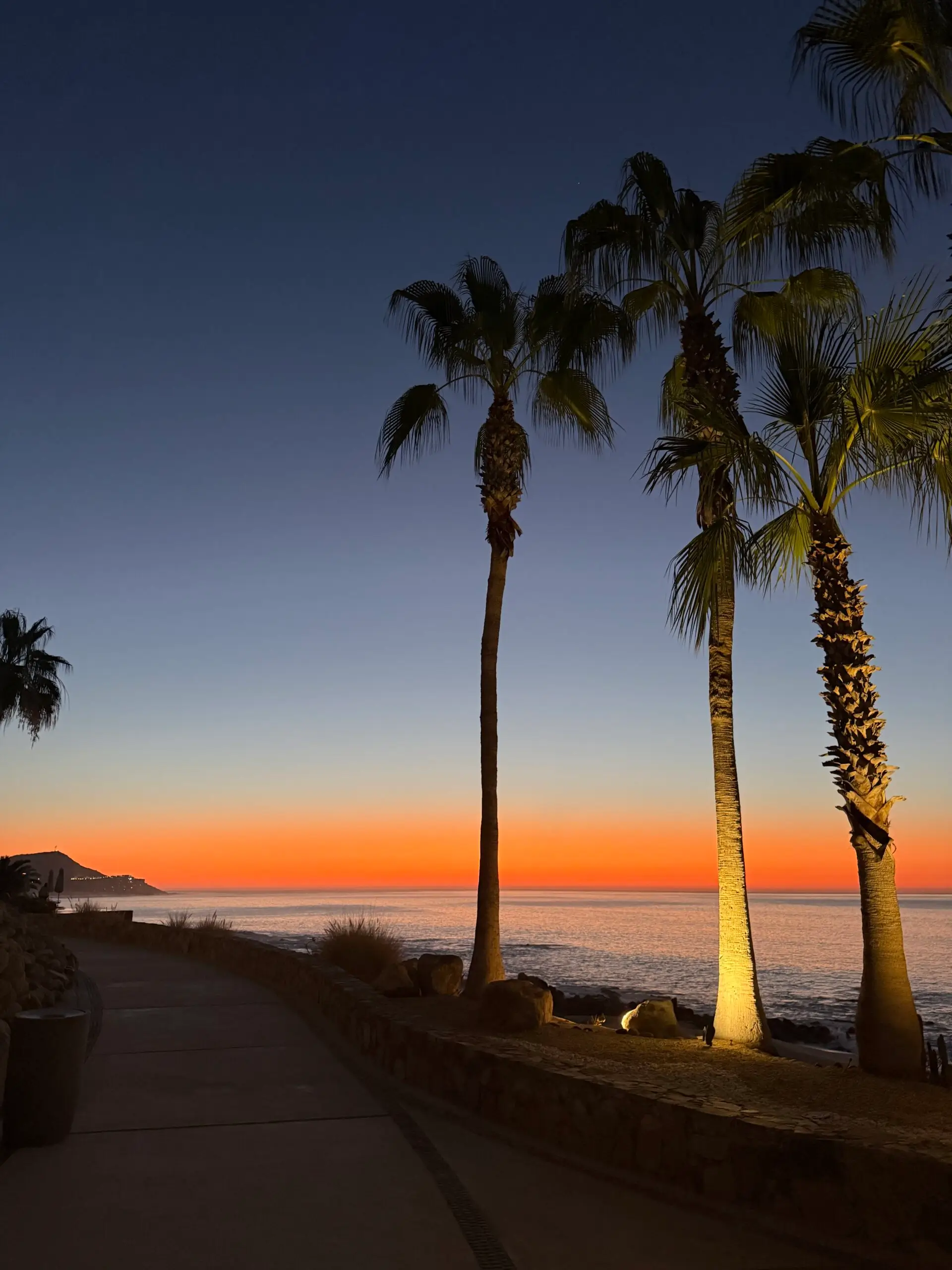
Golden hour becomes a ritual. Swimwear becomes narrative. A single photograph—sunset, ocean, silhouette—can encapsulate an entire experience.
This is not incidental. It is part of Cabo’s economy. The image extends the moment, allowing it to circulate beyond its immediate context.
Memory, here, is both lived and constructed.
expend
Cabo’s accessibility does not equate to affordability. Compared to Mexico City or Puerto Vallarta, it operates at a higher price point.
Cocktails mirror Los Angeles pricing. Resorts position themselves within a global luxury market. Experiences—private transport, curated dining, wellness treatments—accumulate quickly.
But this cost is aligned with expectation. Cabo does not disguise what it offers. It presents luxury clearly, without pretense.
And for many, that clarity justifies the expense.
ctrl
Cabo exists in a balance between freedom and control. The horizon suggests openness—endless water, expansive sky. Yet the experience itself is carefully structured.
This tension defines the destination. It allows guests to feel both liberated and held, adventurous and secure. The environment invites exploration, while the infrastructure ensures comfort.
It is a paradox, but one that Cabo manages seamlessly.
sum
In spring, Cabo reaches a kind of equilibrium. The elements align—light, temperature, atmosphere. The destination feels neither overwhelming nor subdued, but precisely calibrated.
It becomes a place not of transformation, but of adjustment. A subtle realignment.
You arrive. You settle. You remain.
The ocean moves. The light shifts. Somewhere offshore, a whale breaches, briefly interrupting the horizon.
And then, just as quickly, everything returns to stillness.