adidas Shanghai: ‘not a store, not a pop-up’ – Inside its Football Community

March 23, 2026
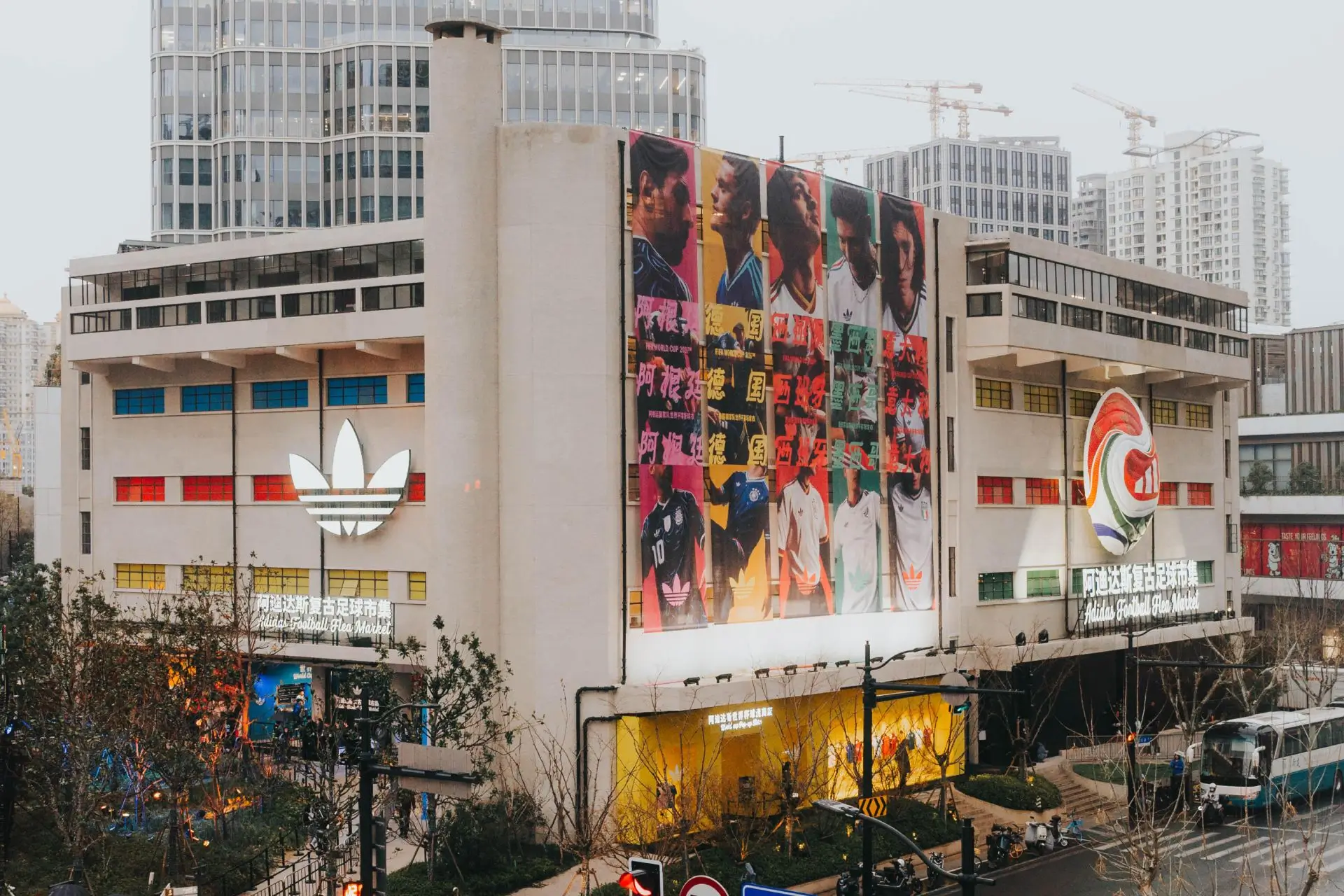
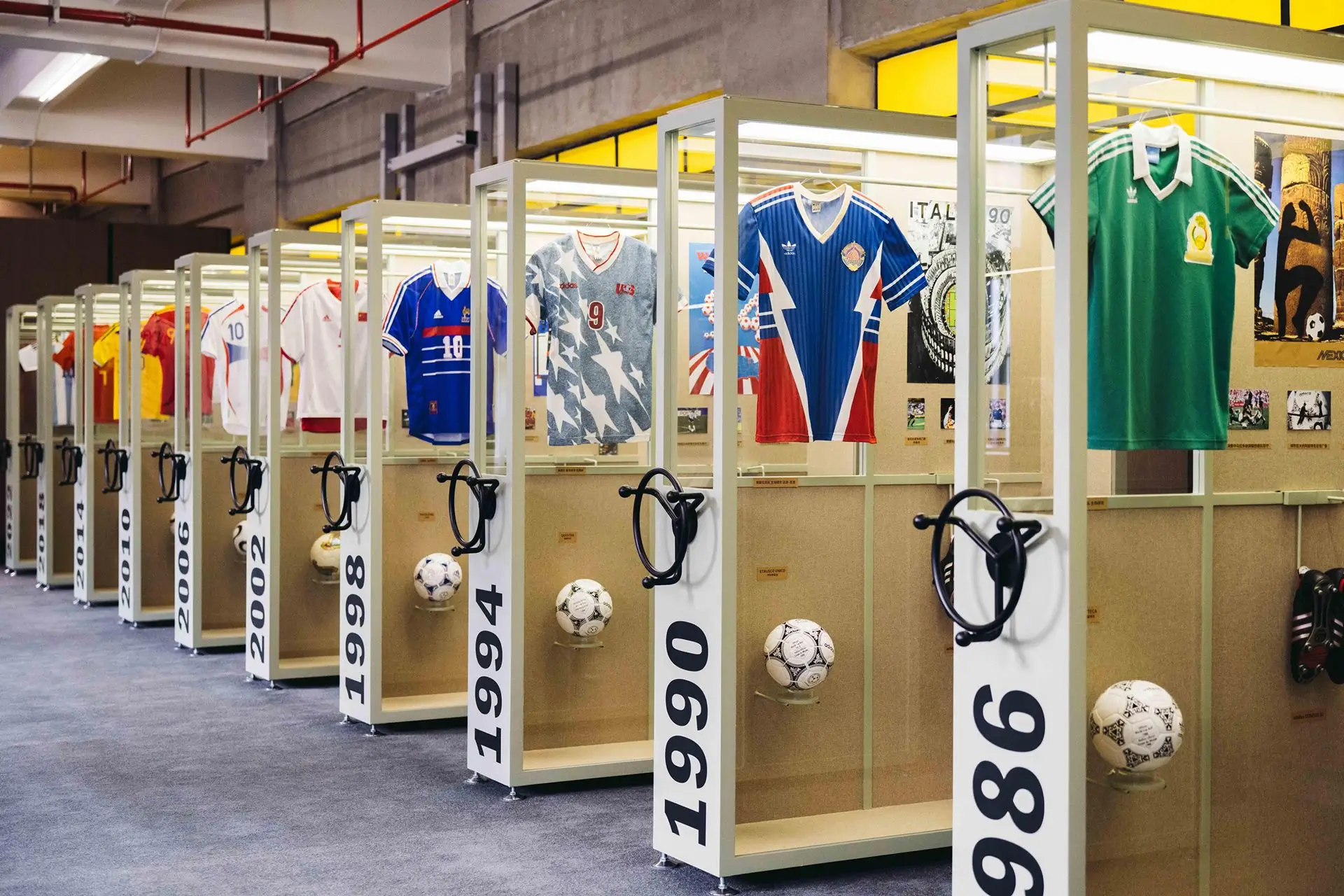
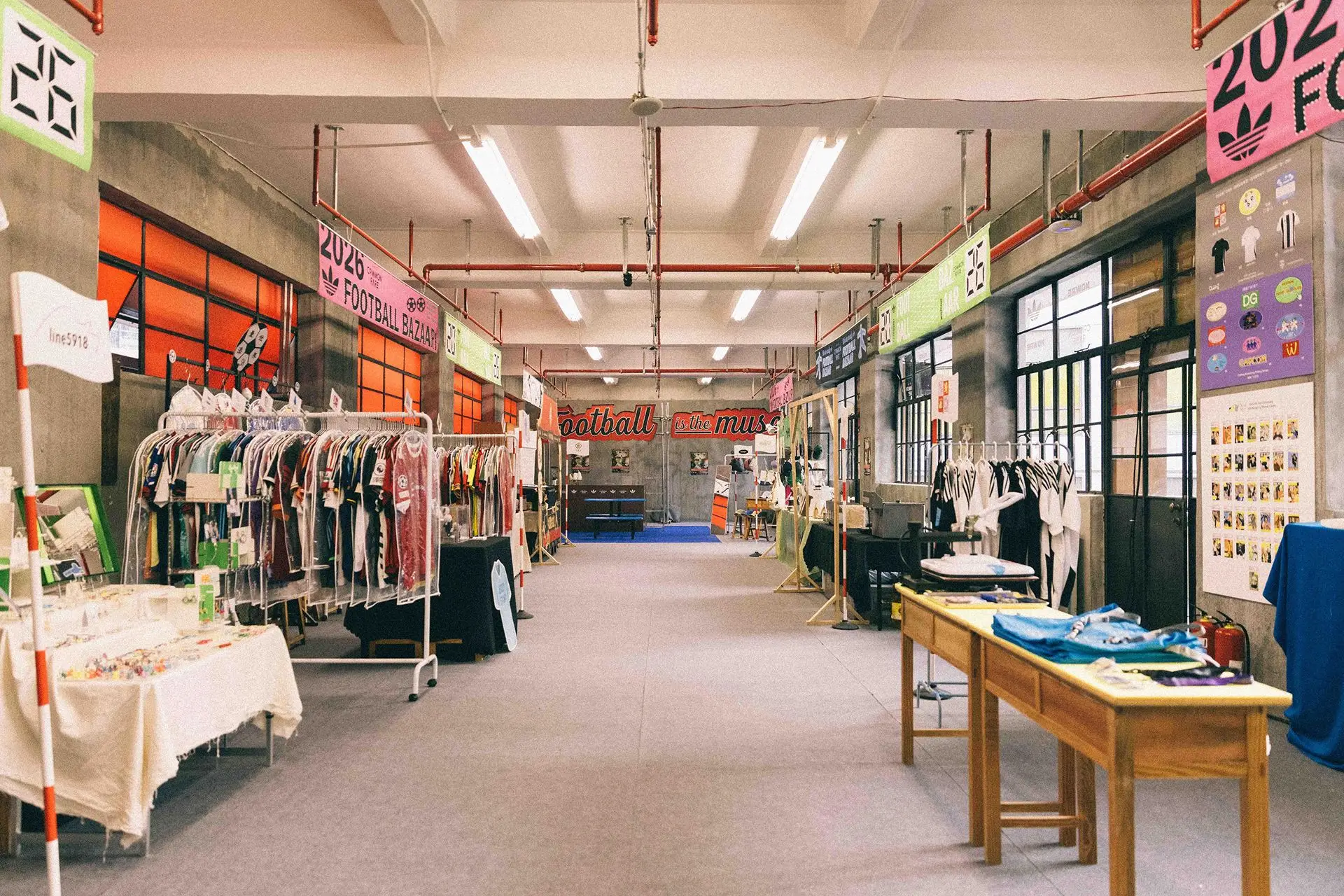
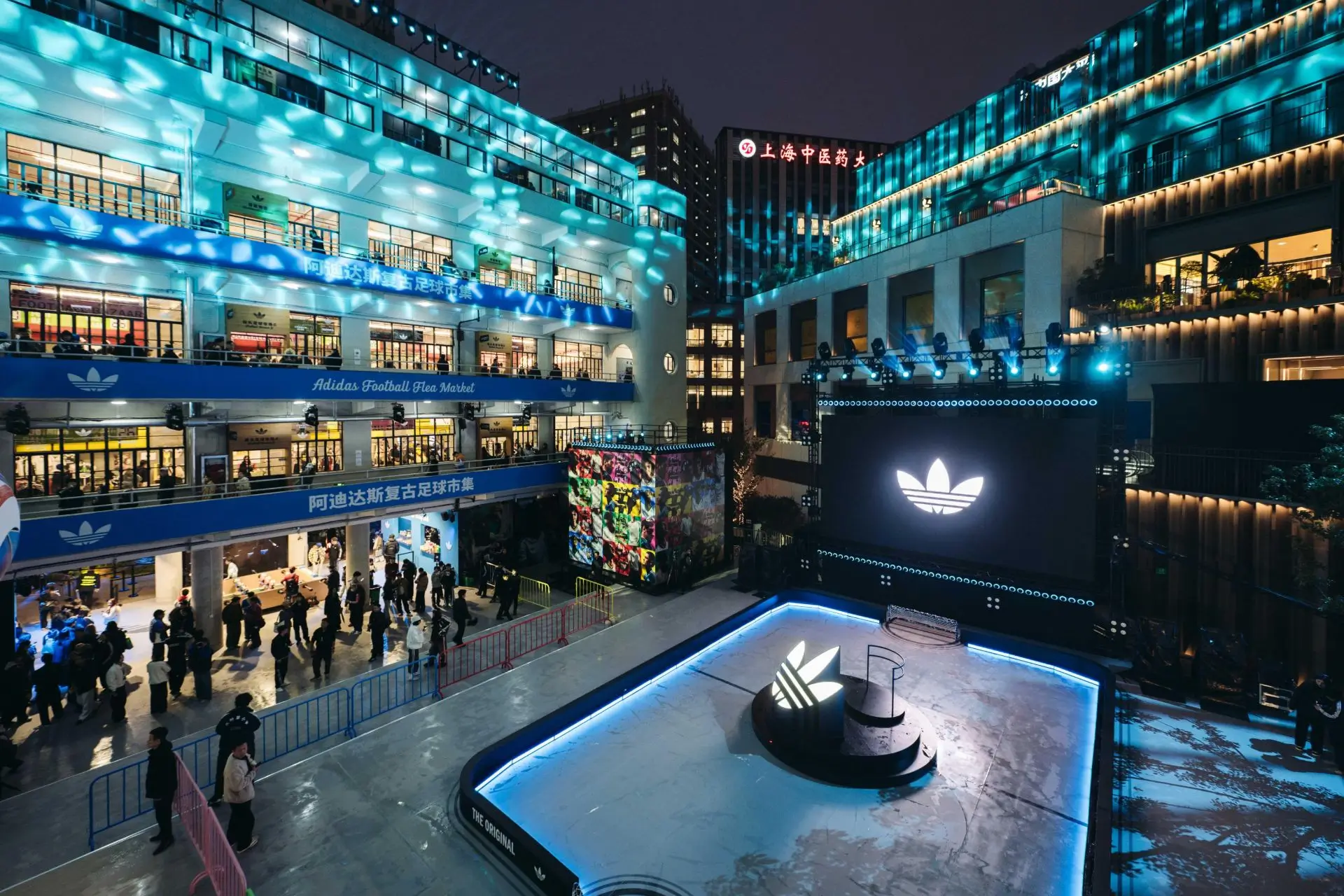
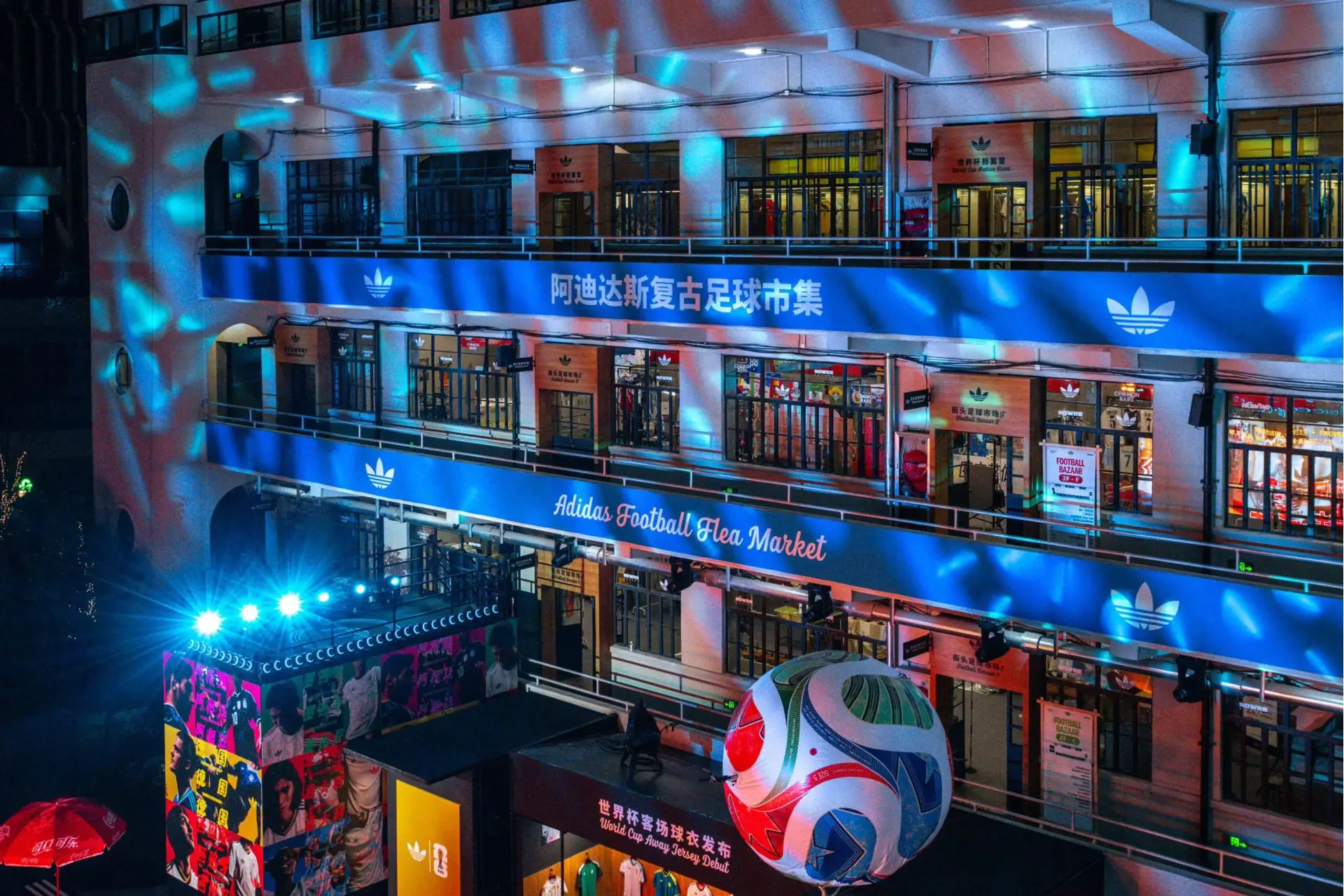
The distinction matters—and not just semantically. Because what adidas staged in Shanghai over a single weekend wasn’t an activation in the traditional sense, nor was it retail dressed up in novelty. It was something far more telling: a prototype for how brands must now operate inside culture rather than simply selling to it.
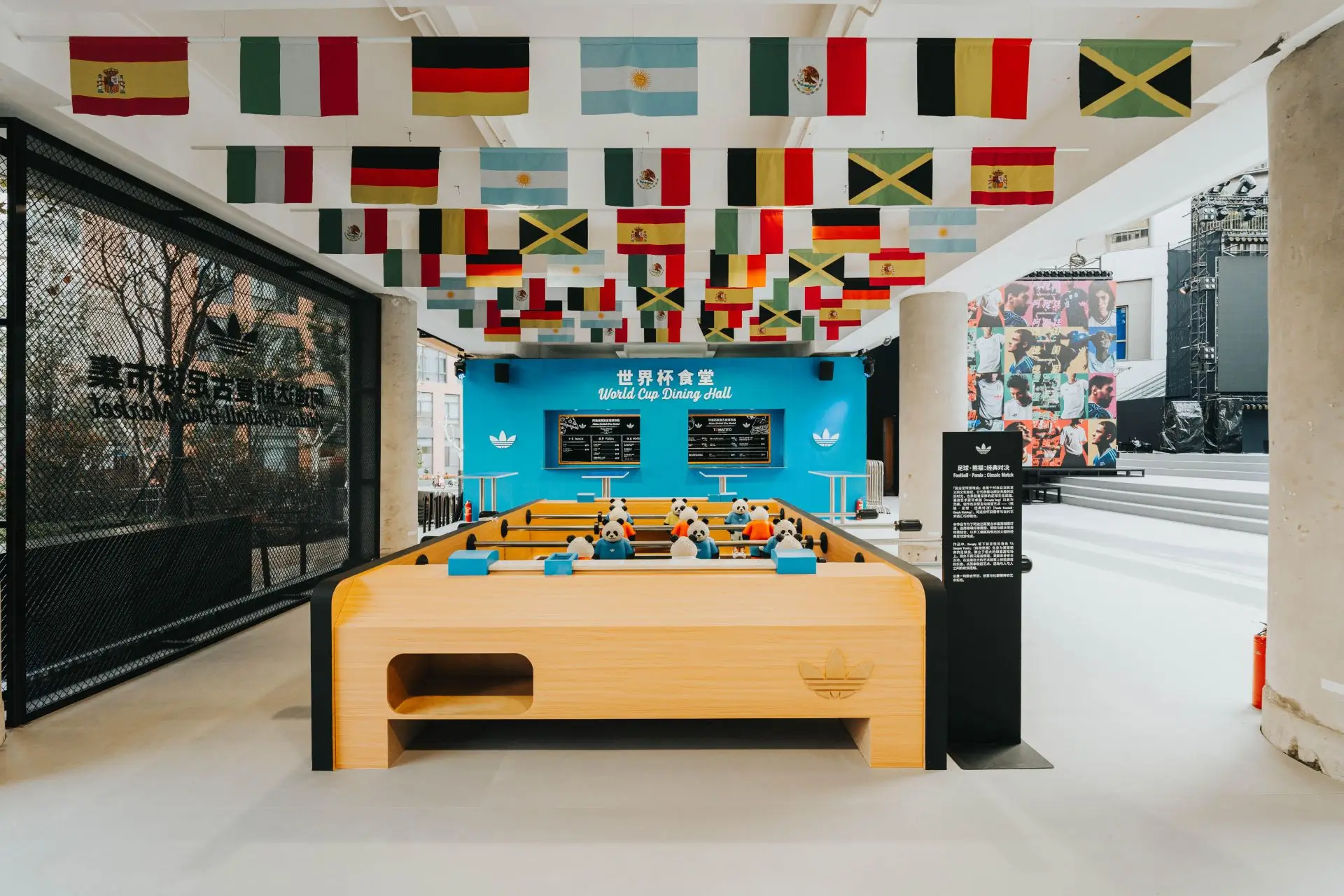
Inside a former school building, adidas constructed a five-floor “retro football market”—a layered, participatory environment where commerce became secondary to presence, and presence became the product.
This is not a story about a clever brand event. It is about a structural shift in how attention is earned, how relevance is built, and how physical space is being redefined in one of the world’s most dynamic consumer landscapes: China.
a reflect
Retail has always evolved in cycles.
In the early 20th century, department stores were temples of consumption—cathedrals of glass and marble designed to elevate shopping into spectacle. By the late 20th century, malls became social infrastructure, where consumption and leisure blurred.
Then came e-commerce.
Convenience won. Speed won. Price transparency won. And in the process, physical retail lost its primary advantage. Why visit a store when everything can arrive at your door?
Brands responded with scale—flagships, LED façades, immersive displays. But scale alone couldn’t compete with the frictionless nature of digital commerce. Something deeper had to change.
What adidas is doing in Shanghai signals that change.
The store is no longer the endpoint of a transaction. It is the beginning of an experience.
region
China is not just another market—it is the market where the future tends to arrive first.
Here, digital ecosystems are deeply integrated into everyday life. Social commerce, livestream shopping, and mobile-first consumption have redefined how products are discovered and purchased. The result? Physical retail cannot compete on efficiency.
So it must compete on something else: meaning.
In China, attention is not passively given. It is actively earned through participation. Consumers don’t just want to see—they want to do, to co-create, to belong.
This is the context in which adidas’ Shanghai flea market should be understood.
Not as a marketing campaign, but as a response to a cultural expectation.
the arch
The brilliance of the Shanghai experience lies not in any single feature, but in how those features interconnect to create a living ecosystem.
vintage as narrative
Vintage jerseys and vinyl records weren’t just decorative—they were anchors of authenticity. They connected visitors to football’s cultural lineage, transforming merchandise into storytelling artifacts.
customization as authorship
DIY printing and jersey customization shifted the role of the consumer. No longer passive buyers, participants became co-creators. Each piece produced carried personal meaning—something no off-the-shelf product can replicate.
movement as energy
Street dance battles and mini football games injected kinetic energy into the space. These weren’t performances to watch—they were invitations to participate. The line between audience and performer dissolved.
community as infrastructure
Coffee corners, creative booths, and local collectives turned the space into a social hub. People didn’t just come to shop—they came to spend time.
And that distinction is everything.
Because time is the new currency of brand engagement.
bal
It’s easy to replicate aesthetics. Harder to replicate intent.
Many brands can build visually impressive installations. But without a clear cultural purpose, those installations remain hollow—Instagram backdrops rather than meaningful environments.
What adidas understood is that the setup is only one part of the equation.
The real driver is intent.
This wasn’t about showcasing products. It was about creating a space that people would choose to engage with—on their own terms.
That subtle shift—from forcing attention to inviting participation—is what separates cultural relevance from marketing noise.
imply
The presence of figures like Wang Hedi undoubtedly amplified reach. In China’s hyper-connected media landscape, celebrity visibility can accelerate awareness at scale.
But visibility is not the same as engagement.
What made the Shanghai flea market resonate wasn’t who showed up—it was what people experienced when they got there.
The environment itself became the content.
Visitors documented their own participation—custom jerseys, dance moments, interactions with local creatives. Social media wasn’t just broadcasting the event; it was extending it.
In this sense, the space functioned as both physical environment and content engine.
theory
What adidas is building is not a store—it is a world.
A world where football culture intersects with music, design, and local creativity. A world where the brand exists not as a logo, but as a facilitator of experiences.
This is a profound shift.
Because in a world saturated with products, the brands that win are not those that produce more—but those that mean more.
And meaning is built through context.
huh
The choice of a “flea market” format is not accidental.
Flea markets are inherently social. They are spaces of discovery, unpredictability, and human interaction. They resist the sterile uniformity of traditional retail.
By adopting this format, adidas tapped into a structure that feels organic, local, and alive.
It also aligns with broader cultural movements:
- The rise of vintage and archival appreciation
- The value of one-of-one, customized pieces
- The desire for slower, more intentional consumption
In other words, the flea market is not just a theme—it is a philosophy.
View this post on Instagram
show
Too often, brands approach localization superficially—adding regional motifs without changing underlying structures.
What adidas did in Shanghai goes deeper.
By integrating local collectives, embracing street dance culture, and creating participatory formats, the brand embedded itself within the local ecosystem rather than imposing a global template.
This is critical.
Because cultural relevance cannot be imported. It must be built from within.
stir
At the core of this shift is a simple truth:
Passive consumption is no longer enough.
Consumers today are not content with watching or buying. They want to engage, to shape, to contribute.
The Shanghai flea market reflects this shift.
Every element—from customization booths to dance battles—requires participation. There is no passive mode. To fully experience the space, you must become part of it.
And in doing so, you form a deeper connection with the brand.
fwd
Traditional retail metrics—foot traffic, conversion rates, sales per square foot—feel insufficient in this context.
How do you measure:
- The time someone spends in a space
- The memories they create
- The content they generate
- The community they feel part of
These are intangible, but they are not insignificant.
In fact, they are becoming the primary drivers of long-term brand equity.
Because people don’t remember transactions.
They remember experiences..
sum
The adidas Shanghai flea market is not an endpoint. It is a signal.
A signal that the future of retail will not be defined by square footage or inventory, but by the ability to create environments that resonate on a human level.
Spaces that feel alive.
Spaces that invite participation.
Spaces that blur the line between brand and culture.
Because in a world where everything can be bought online, the only reason to show up in person is to experience something you cannot download.
And right now, those experiences don’t look like retail anymore.